Seizure Without a Warrant
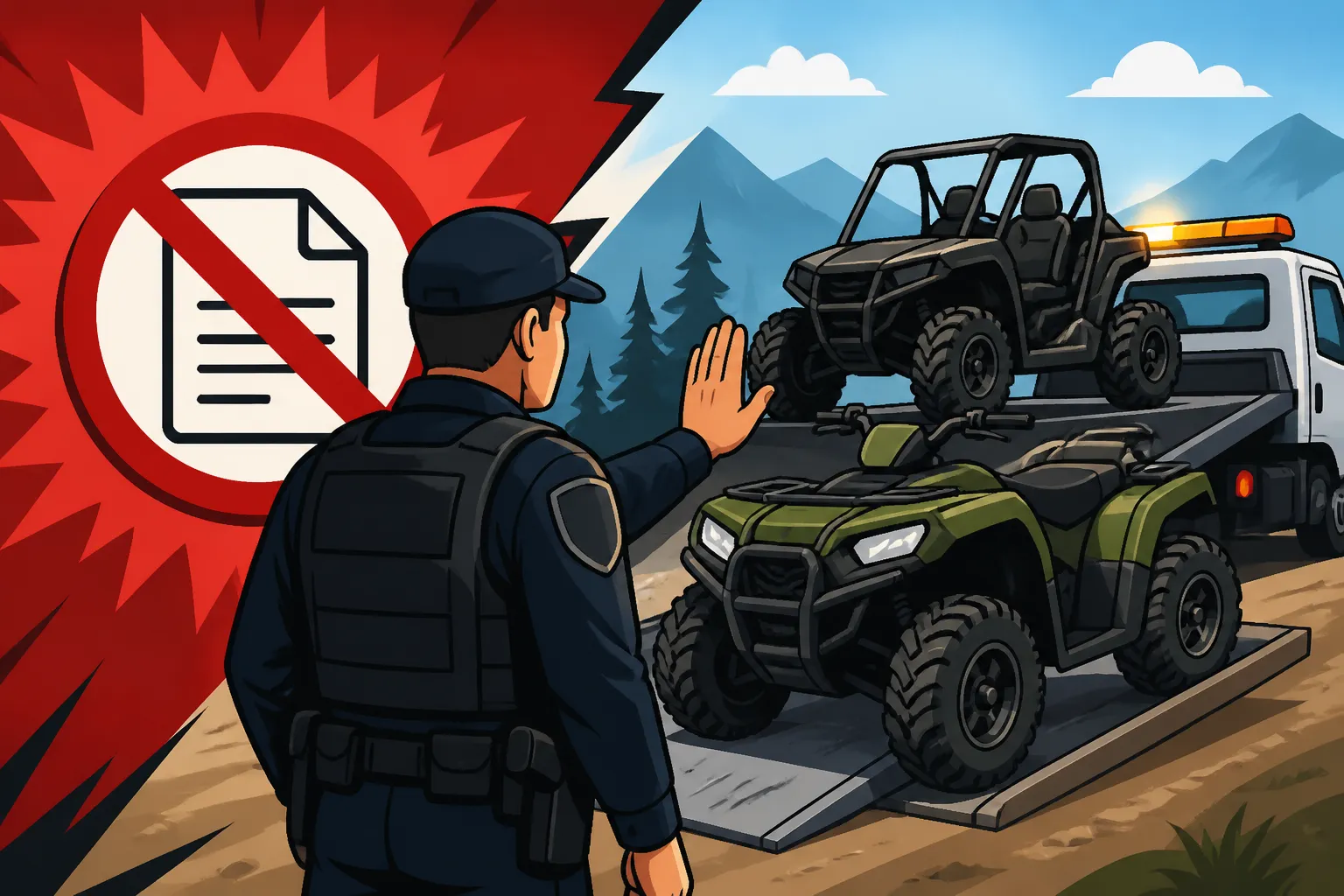
It's an unsettling thought, isn't it? You're out enjoying a ride on your ATV or UTV in the beautiful British Columbia backcountry, minding your own business, when suddenly you're stopped by an official, and your machine could be taken away, right there on the spot, without a warrant. This guide is here to unravel the often-confusing powers that law enforcement and other authorized officials in BC have to seize your off-road vehicle, offering clarity on when and why it can happen, and what steps you can take to protect your ride.
Understanding the Power of Seizure in BC
The idea of your hard-earned ORV being seized can send a chill down any rider's spine. It feels like a massive invasion, and it's something most of us hope to never experience. But under specific circumstances, various authorities in British Columbia do have the legal power to take possession of your ATV or UTV without needing to go get a warrant from a judge first. This isn't about minor traffic infractions; it's generally reserved for situations where there's a serious violation of the law or an immediate threat to public safety or the environment. It's a significant power, and knowing its limits and triggers is crucial for every rider.
What "Seizure Without a Warrant" Actually Means for ORV Riders
Let's break down what "seizure without a warrant" actually means in the context of off-road vehicles. Essentially, it grants certain authorized individuals the ability to take immediate physical control of your machine if they have reasonable grounds to believe an offense has occurred, or is about to occur, without the prior judicial approval a warrant usually requires. Think of it as an expedited process for when quick action is deemed necessary. For ORV riders, this often comes into play when there's an immediate safety risk, environmental damage, or a clear violation of a provincial act or regulation. The frustration for riders is that it can feel arbitrary, like your property is being taken without due process, but the law does outline specific conditions. The intention is to prevent ongoing harm, preserve evidence, or ensure compliance with safety and environmental standards right then and there. This is a key aspect of [BC Seizure Powers Under the ORV Act].
Who Has the Authority to Seize Your Machine?
It's not just any official who can wave their hand and take your quad. In British Columbia, this power is typically vested in a few specific groups. The most obvious are police officers, including the RCMP and municipal police forces, who enforce the Criminal Code and provincial statutes. Beyond them, conservation officers play a critical role, particularly when ORV use impacts wildlife, habitat, or protected areas. They have extensive powers under environmental legislation. Furthermore, other authorized persons, such as park rangers or forest service officials, may have limited powers of seizure related to their specific mandates, especially if you're operating your machine in an area where it's prohibited. It's important to remember that these individuals are often conducting [BC Equipment Checks by Conservation Officers] and are trained to identify violations that could lead to seizure.
Common Scenarios Leading to ORV Seizure
No one wants to have their riding day end with their machine on the back of a tow truck. Understanding the most common reasons an ORV might be seized without a warrant can help you avoid these incredibly stressful situations. It's rarely a single, minor oversight, but rather more serious infractions or a combination of issues that trigger this level of enforcement.
Riding Unregistered or Uninsured
This is a big one. Since the Off-Road Vehicle Act came into full effect in 2015, registration for most ORVs operating on Crown land or Forest Service Roads has been mandatory. It's not just a suggestion; it's the law. If you're caught riding your ATV or UTV without proper registration, or without the required insurance (which differs depending on where you're riding, like the basic $200,000 third-party liability for FSRs), you're not just looking at a ticket. While tickets are certainly a possibility – and [BC Tickets for an Unregistered Machine] can be hefty – repeated offenses, or an officer deeming the situation severe enough, can absolutely lead to seizure. Imagine being stopped miles from nowhere, your machine loaded onto a flatbed, all because you skipped a step back home. The [BC Penalties for Riding Unregistered] are designed to ensure compliance, and seizure is a tool in their enforcement arsenal.
Impaired Riding and Public Safety Concerns
This is perhaps the most serious category, and rightfully so. Operating an ATV or UTV while under the influence of alcohol or drugs is not only incredibly dangerous for you and anyone else in the vicinity, but it's also a direct violation of the Criminal Code of Canada. In BC, an ORV is considered a "conveyance" under the Criminal Code, meaning impaired operation carries the same severe consequences as impaired driving in a car, including immediate seizure of your vehicle. Beyond impaired driving, any extremely reckless or careless operation that endangers the public or causes significant damage can also trigger seizure powers. This isn't just about getting a fine; it's about protecting lives and property. If an officer believes your actions are an immediate threat, they will act decisively. This falls squarely under [BC Impaired Riding and the Criminal Code] and the severe [BC Impaired Riding Penalties].
Riding in Prohibited Areas and Trespassing
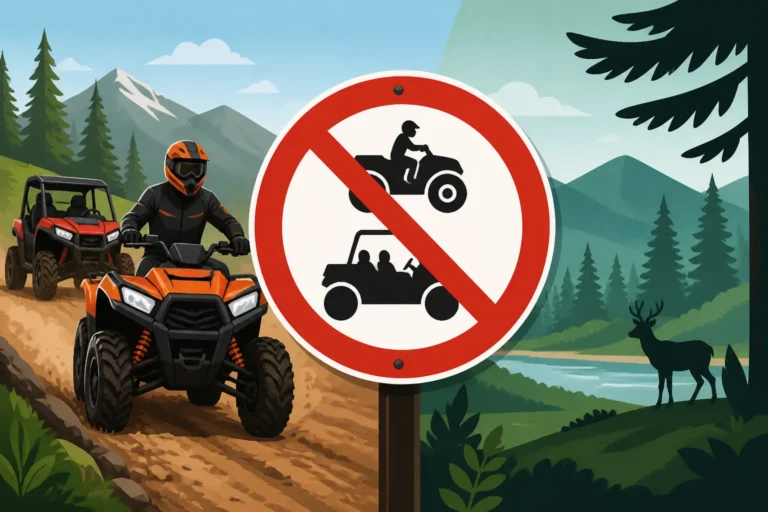
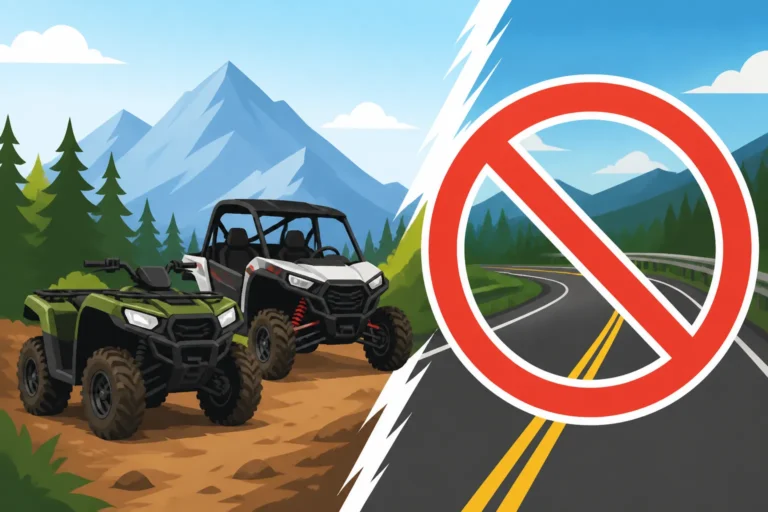
British Columbia offers vast opportunities for off-road riding, but not every patch of ground is open to ATVs and UTVs. There are numerous designated areas where ORVs are restricted or completely prohibited, such as some provincial parks, ecologically sensitive zones, watershed areas, or private property without explicit permission. Ignoring these restrictions and venturing into a prohibited zone can lead to more than just a stern talking-to or a fine for trespassing. If your riding causes environmental damage, disrupts wildlife, or if you're repeatedly caught in a closed area, authorities have the power to seize your machine. The frustration of riders often stems from confusion over boundaries, so checking [BC Motor Vehicle Closed Areas] and understanding [BC Crown Land Access Rules] before you ride is absolutely essential. Remember, [BC Trespass Rules for Riders] apply strongly to ORVs, and ignorance of the rules is rarely a valid excuse.
| Violation Category | Potential for Seizure | Primary Goal of Seizure | Example Scenario |
|---|---|---|---|
| Unregistered ORV | High | Ensure compliance with mandatory registration laws | Repeatedly riding an unregistered machine on Crown land after prior warnings. |
| Uninsured ORV (FSRs) | High | Ensure public financial protection in case of an accident | Operating on a Forest Service Road without the required $200,000 liability insurance. |
| Impaired Operation | Very High | Prevent immediate danger, collect evidence, enforce Criminal Code | Riding recklessly under the influence of alcohol or drugs. |
| Reckless/Careless Driving | Moderate to High | Prevent public danger, deter dangerous operation | Performing stunts in a public area, endangering hikers or other riders. |
| Riding in Prohibited Area | Moderate to High | Prevent environmental damage, protect sensitive ecosystems | Riding through a designated wildlife closure or a protected park area. |
| Significant Trespassing | Moderate to High | Protect private property, prevent ongoing illegal activity | Repeatedly breaking through fences to ride on private ranch land. |
| Environmental Damage | Moderate to High | Prevent further harm, preserve evidence | Causing severe erosion in a riparian zone or sensitive wetland. |
What Happens After Your ORV is Seized in BC?
The immediate shock of having your ORV seized is just the beginning. What follows is often a complex, costly, and time-consuming process that can leave you feeling powerless and deeply frustrated. It's not as simple as paying a ticket and driving away; there are layers of bureaucracy and financial implications that can quickly add up.
The Process of Impoundment and Storage
Once your machine is seized, it's typically transported to an impound lot or a secure storage facility. This isn't a free service, and the costs start accumulating immediately. You'll be on the hook for the towing fees, which can vary wildly depending on how remote your seizure location was. Then there are daily storage fees, which can quickly turn a short-term inconvenience into a significant financial burden. These facilities are usually operated by private companies contracted by the authorities, and they're not known for their low rates. Your machine will remain there until all legal requirements are met, which often includes paying fines, administrative fees, and of course, the impound and storage charges themselves. The longer your machine sits, the more expensive it gets, creating a real sense of urgency, but the legal process can still take its own sweet time.
Getting Your Machine Back: Fees, Fines, and Legal Steps
Retrieving a seized ORV is rarely a straightforward affair. First, you'll likely face substantial fines for the initial infraction that led to the seizure. These fines can range from a few hundred dollars to thousands, depending on the severity of the offense. On top of that, there are often administrative penalties that aren't technically fines but are part of the government's cost recovery for the enforcement action. Then, you'll have to settle all the towing and storage fees accrued at the impound lot. In some cases, especially with impaired driving, you might also be facing criminal charges, which means court appearances and potentially a driving prohibition. If you believe the seizure was unjust, you might choose to challenge it, but [Disputing a Violation Ticket] can be a complex and lengthy process, often requiring legal advice and further delaying the return of your machine. It’s a costly lesson, both financially and in terms of your time and peace of mind.
Preventing Seizure: Best Practices for BC Riders
The best offense is a good defense, right? Preventing seizure comes down to being a diligent, informed, and responsible rider. It might sound like common sense, but under pressure or in the excitement of a ride, these things can sometimes be overlooked.
First and foremost, always ensure your ORV is properly registered with ICBC. This is a one-time process, not an annual renewal, so once it's done, you're set for as long as you own the machine. Secondly, carry proof of both your registration and appropriate insurance coverage with you on every ride. [BC Riders Must Carry the Certificate] and [BC Riders Must Carry Photo ID] at all times when operating on Crown land or FSRs. Keep these documents in a waterproof bag or a secure compartment on your machine. Many riders use storage solutions like those offered by SuperATV to keep their paperwork safe and easily accessible.
Beyond paperwork, know where you're riding. Check maps for [BC Motor Vehicle Closed Areas] or any temporary closures due to fire bans or environmental concerns. Never assume an area is open. Respect private property and posted signage. And this really should go without saying, but never operate your ORV under the influence of alcohol or drugs. It's not worth the risk to yourself, others, or your machine. Make sure your machine is in good working order too; things like functioning lights and a proper spark arrestor can prevent other tickets or issues that might escalate. Taking these proactive steps can save you a world of trouble and ensure your adventures in BC's backcountry remain positive.
The Legal Framework Behind Seizure Without a Warrant
While the concept of seizure without a warrant might feel like an overreach, it's firmly rooted in specific legislation designed to maintain safety and protect public resources. Understanding the laws that grant these powers can help demystify the process and highlight the importance of compliance for all ORV operators in British Columbia.
The Off-Road Vehicle Act and Related Regulations
The primary legislative backbone for ORV operation and enforcement in British Columbia is the Off-Road Vehicle Act (ORV Act) itself, along with its accompanying regulations. This Act, which came into full force in 2015, established many of the rules we now live by, including mandatory registration, insurance requirements, and operator responsibilities. Crucially, the ORV Act grants specific powers to designated enforcement officers, including the ability to stop and inspect machines, demand documents, and, yes, seize ORVs without a warrant under certain conditions. These conditions are typically tied to non-compliance with the Act's core tenets, such as operating an unregistered or uninsured machine, or engaging in activities that violate safety or environmental provisions. Familiarizing yourself with [What the Off-Road Vehicle Act Covers in BC] is a fundamental step for any responsible rider. These laws aren't just arbitrary rules; they're designed to ensure everyone can enjoy the backcountry safely and sustainably.
Your Rights as an ORV Operator During an Encounter
Even when an officer has the power to seize your machine without a warrant, you still have rights as an individual. It's incredibly important to remember these rights and to remain calm and respectful during any interaction with law enforcement or other authorized officials. If you're stopped, the first thing you should do is safely pull over and comply with reasonable instructions. You are generally required to provide your identification and your ORV's registration and insurance documents. Remember, [BC Riders Must Carry the Certificate] and [BC Riders Must Carry Photo ID] when riding on Crown land or FSRs.
You have the right to ask why you've been stopped and what the officer's concerns are. While you're not obligated to answer every question beyond identifying yourself and your vehicle, remaining polite and cooperative can often de-escalate a situation. You also have the right to remain silent if you feel your answers could incriminate you, and you can request to speak with a lawyer. However, resisting an officer or obstructing their duties can lead to further charges and complicate matters significantly. If your machine is seized, ask for documentation outlining the reason for the seizure and where your machine will be impounded. Knowledge of your rights, combined with respectful conduct, can make a difficult situation more manageable. When you're kitting out your machine, consider using robust, weather-resistant storage like a SuperATV cargo box to keep your essential documents protected and readily available, minimizing fumbling during a stop.
Disclaimer
This article is for general informational purposes only and does not constitute professional advice. Laws, prices and regulations vary by location and change over time. Consult a qualified professional for guidance on your specific situation.