BC Rules for Passengers on a Quad
Riding ATVs and quads in beautiful British Columbia is an incredible experience, but sometimes, the simple act of wanting to share that adventure with a friend or family member can turn into a head-scratching dilemma. You're out on the trails, and someone wants to hop on the back, but a nagging thought about what's legal and what's safe holds you back. This guide is here to untangle the specific rules around carrying passengers on a quad in BC, so you can ride confidently and safely within the law.
Understanding the Core Rule: One Rider, One Quad (Generally)
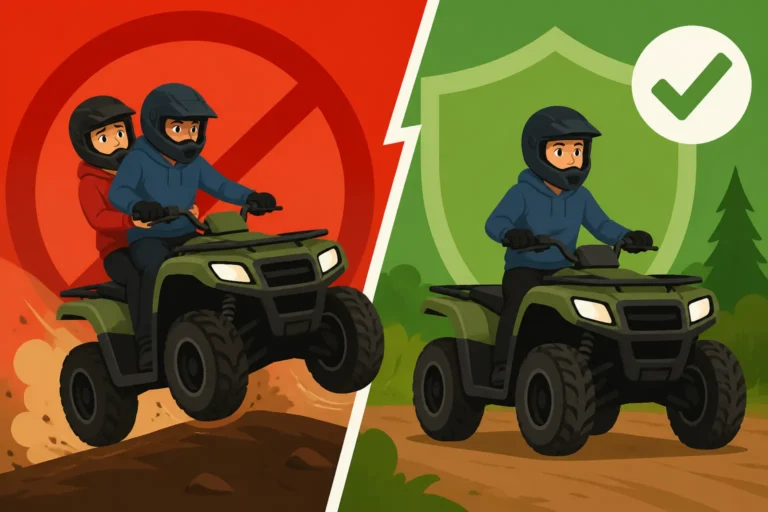
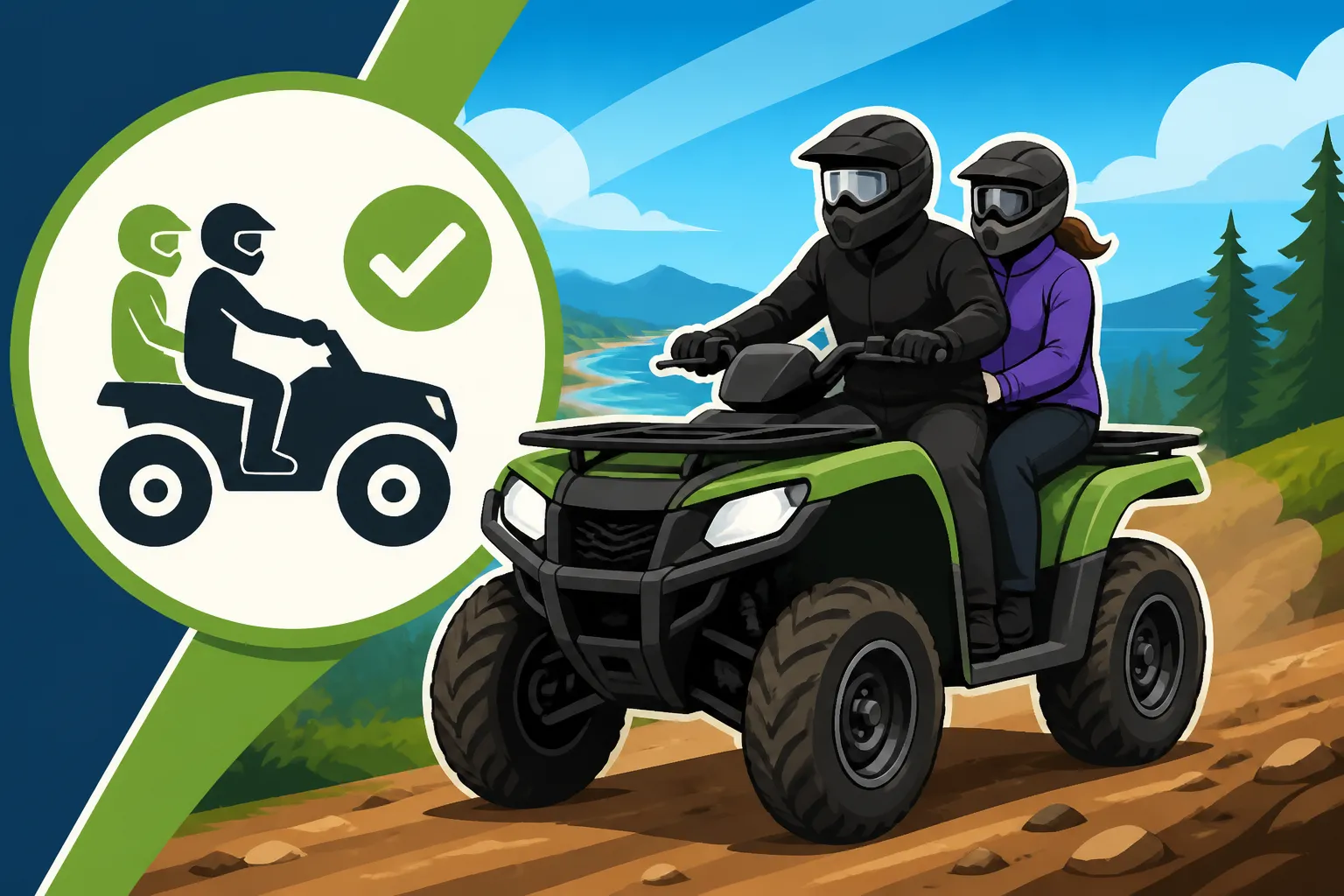
Let's get straight to the heart of the matter for most conventional ATVs, or "quads" as they're often called here in BC. The general rule of thumb, and the one you should always default to, is that most ATVs are designed for a single operator only. This isn't just a suggestion; it's deeply ingrained in the design of the machine and reinforced by provincial regulations here in British Columbia. You might see two-up quads for sale, and we'll touch on those, but for the vast majority of machines, it's a solo adventure.
Manufacturer's Design and Intent
When an ATV rolls off the assembly line, its manufacturer has a very specific purpose and capacity in mind. Single-rider ATVs are engineered with a wheelbase, suspension, and center of gravity to safely accommodate one person. Adding a second person, especially on a seat not designed for it, fundamentally alters how the machine handles. It shifts the weight distribution, impacts steering, braking, and stability, particularly on uneven terrain, climbs, descents, or during turns. This can make even a familiar trail feel unpredictable and significantly increase the risk of a rollover or loss of control. It's why manufacturers explicitly state "no passengers" on many models, often with prominent decals. Ignoring this advice isn't just risking a ticket; it's risking your safety and that of your passenger.
Age and Supervision of Young Riders
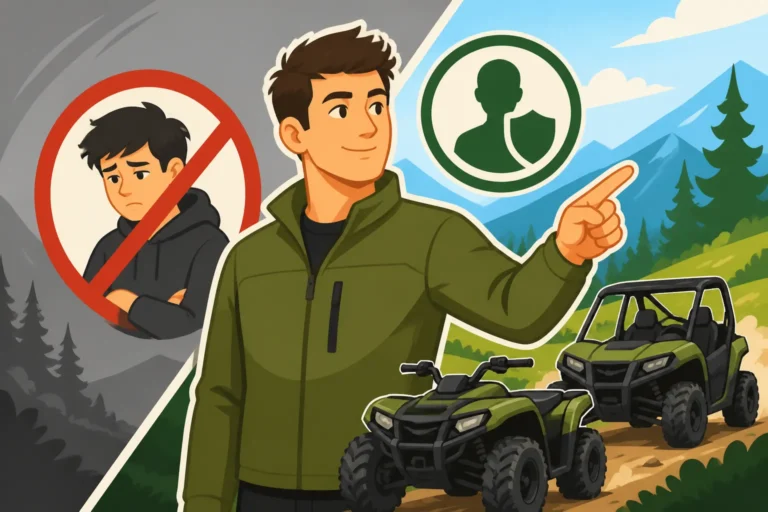
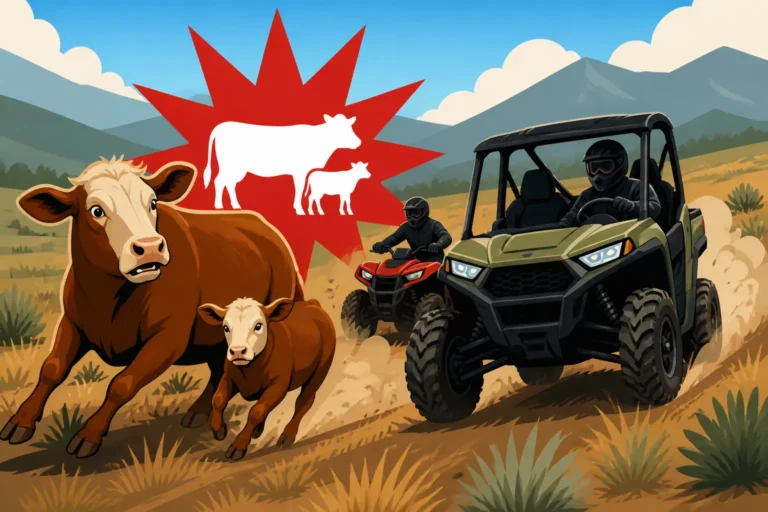
The rules become even more specific when we talk about young riders. In British Columbia, the focus is heavily on ensuring youth safety and proper supervision, not just for the operator, but for any potential passengers. While the general rule is no passengers on single-rider ATVs, the Off-Road Vehicle Act and its regulations put clear limits on what younger operators can do. A child under 16 years old operating an ORV cannot carry any passengers at all, regardless of the machine's design or whether it's a two-up model. Even if a quad is theoretically designed for two, a youth operator simply isn't permitted to have anyone else on board. This particular rule is designed to reduce the risk of accidents involving inexperienced young operators who might already be grappling with the complexities of controlling a powerful machine. The potential for serious injury to both the young operator and a passenger is simply too high. For more on this, you might find [BC Rules for a Child Passenger] helpful.
The "Carry No Passenger" Stipulation for Youth
This isn't just a blanket statement; it’s a non-negotiable part of the rules for youth. If you have a child who loves to ride, and they are under the age of 16, they absolutely cannot have a passenger on their machine. This applies even if they have been riding for years and feel very competent. The law is clear on this. The supervision rules for young riders are quite strict, often requiring an adult aged 19 or older to be in clear view and able to provide immediate direction. Adding a passenger, especially another child, further complicates this supervision dynamic and significantly increases the stakes in case of an incident. It's a key safety measure aimed at protecting our youngest enthusiasts. If you're wondering about who needs to supervise, take a look at [BC Rules for a Supervising Adult].
Safety First: Why These Rules Exist (And Why They Matter)
It’s easy to look at rules and feel like they’re just there to restrict fun, but when it comes to ORVs, these regulations are rooted deeply in safety. The BC government, and experienced riders alike, understand the inherent risks of off-road riding, and passenger rules are a crucial layer of protection. These aren't arbitrary guidelines; they're designed to prevent serious injury and even fatalities.
Stability and Handling Challenges
Imagine navigating a steep, rocky climb or a muddy, off-camber trail. Now, imagine doing that with an extra 100-200 pounds of shifting weight behind you, often higher up than the machine's designed centre of gravity. The stability of a single-rider ATV is compromised significantly with a passenger. The suspension, designed for one, will be overloaded, leading to a softer, less controlled ride. Braking distances increase, and steering becomes heavier and less responsive. Even a minor bump or turn can feel like a major challenge. In an emergency maneuver, the combined weight and shifting balance can easily lead to a rollover. For example, if you hit an unexpected rut and the passenger isn't braced, their weight can shift dramatically, pushing the machine off balance. The machine becomes much harder to control, which means you, as the operator, have less ability to react safely to changing terrain or hazards.
Protection and Safety Gear
Beyond stability, there's the critical issue of protection. Single-rider ATVs rarely have proper handholds, footrests, or backrests for a passenger. This means a passenger is often left clinging to the operator or trying to balance precariously, exposed to impacts and falls. Even if both rider and passenger are wearing helmets—which is a [BC Helmet Law Covers Every Rider] requirement for all ride-astride ORVs—the lack of proper seating and restraints drastically increases the risk of ejection or being pinned under the machine in a rollover. Furthermore, specific safety gear designed for passengers, such as proper seating, harnesses, or roll cages, simply isn't present on a standard quad. This stark reality underscores why the "no passenger" rule is so vital for safety.
Impact on Insurance and Liability
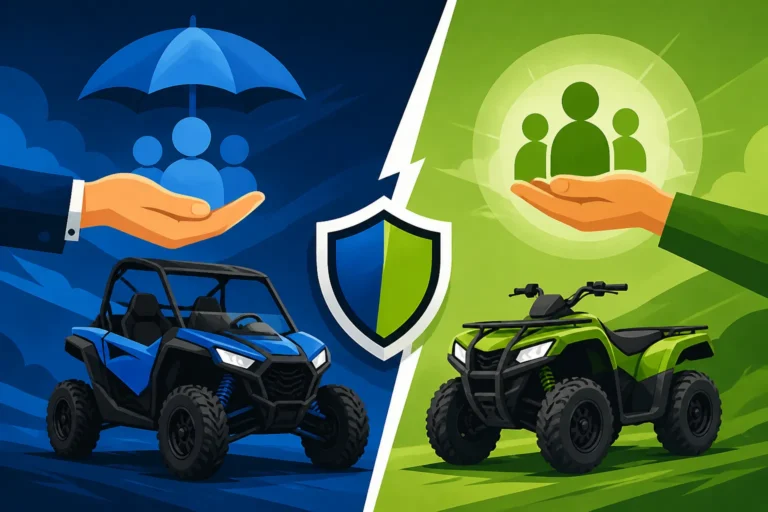
This is a big one that many riders don't consider until it's too late. If you are operating a single-rider ATV with a passenger and an accident occurs, you could face significant legal and financial repercussions. Your insurance policy, especially any voluntary liability coverage you might have, may be voided if you were operating the machine outside of its intended design or the law. This means you could be personally liable for any injuries sustained by your passenger, as well as property damage. Imagine an accident where your passenger suffers a broken leg. Without insurance coverage, you could be on the hook for their medical bills, lost wages, and pain and suffering. The financial burden could be immense, not to mention the emotional toll. Always remember that [BC Liability Is Voluntary on Other Crown Land], but if you're operating outside the rules, that voluntary coverage might not protect you.
Side-by-Sides: A Different Story
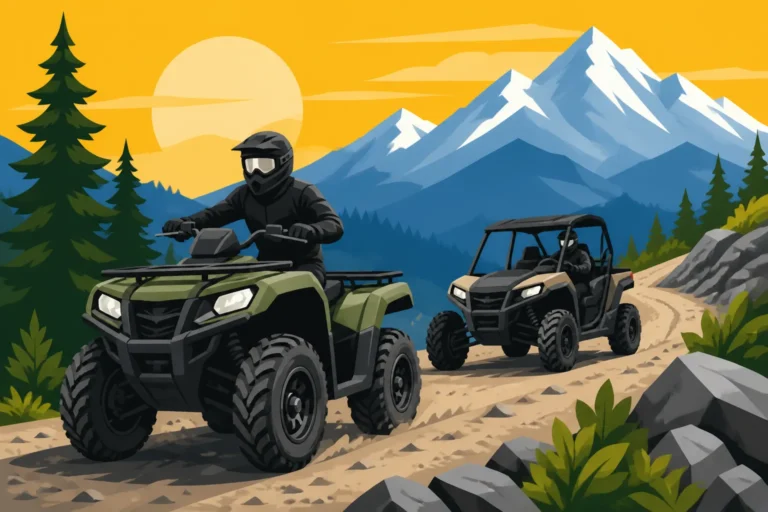
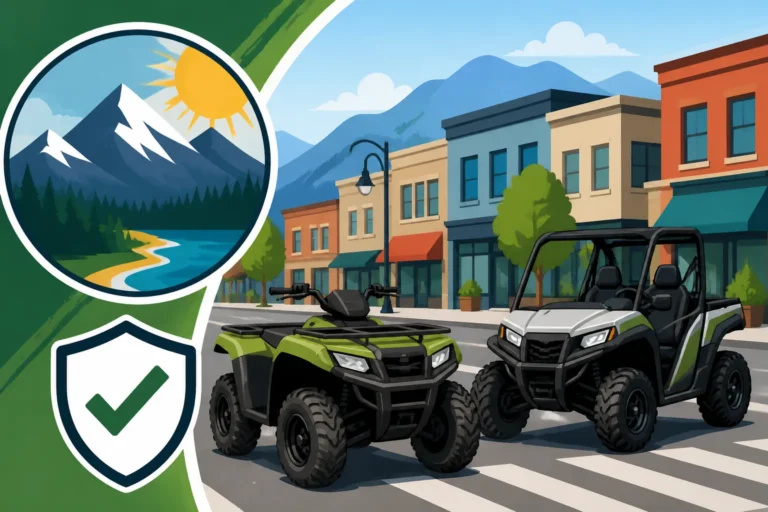
While quads largely adhere to the single-rider rule, Side-by-Sides (SxS) or Utility Task Vehicles (UTVs) are a completely different ballgame when it comes to passengers. These machines are purpose-built for multiple occupants and offer a more social and often safer way to explore the backcountry with company. Many riders find the transition to a side-by-side appealing precisely because it allows them to share the experience more readily.
Design for Multiple Occupants
Unlike ATVs, side-by-sides are specifically engineered to carry passengers. They feature multiple seats, often bench-style or individual bucket seats, complete with proper restraints. Their wider stance and lower center of gravity contribute to greater stability, even with a full load of passengers and gear. [BC Rules for Riding a Side-by-Side] generally allow for as many passengers as there are designated seating positions with manufacturer-installed seatbelts. This means if your UTV has four seats and four seatbelts, you can legally carry three passengers in addition to yourself. Aftermarket options are plentiful for these machines, and companies like SuperATV offer a wide range of accessories, including additional storage or upgrades that enhance the multi-passenger experience.
Seatbelts and Roll Cages
A key safety feature that distinguishes UTVs from ATVs is the presence of seatbelts and a factory-installed Roll Over Protective Structure (ROPS), commonly known as a roll cage. These features are fundamental to passenger safety in a side-by-side. The seatbelts keep occupants securely in their seats during bumps, sudden stops, or rollovers, while the roll cage provides a protective barrier in the event the machine tips. This built-in safety infrastructure is why UTVs are a popular choice for families and groups who want to ride together. You wouldn't think of driving a car without seatbelts, and the same principle applies here.
Practical Considerations for UTV Passengers
Even with the enhanced safety features of a side-by-side, passengers still have responsibilities. Everyone should wear appropriate safety gear, including helmets, even though some UTVs with full enclosures might make it seem less necessary. Checking the manufacturer's guidelines for passenger weight and height limits is also crucial. Children, in particular, must be tall enough to sit properly with their feet flat on the floor and be able to be secured by the seatbelt. Communication is also key; ensuring passengers understand basic hand signals, how to brace for bumps, and to keep their limbs inside the vehicle at all times can prevent minor injuries. Remember, while a UTV is designed for passengers, it's still an off-road vehicle operating in potentially unpredictable terrain.
Navigating Exceptions and Real-World Scenarios
Life isn't always black and white, and there are sometimes nuanced situations that pop up on the trails or during specific work activities. While the general rules for quads are quite clear, understanding where there might be some wiggle room, or what to do in an unexpected situation, is important for any responsible rider.
Emergency Situations
What if you're out in the backcountry, far from help, and someone has an injury? Common sense and human compassion dictate that you would do what's necessary to get that person to safety. In a genuine emergency where a life is at risk or serious injury could be worsened by waiting for proper transport, transporting an injured person on the back of a single-rider ATV would likely be viewed differently than simply taking a joyride with a buddy on the back. These are rare and extreme circumstances, and the intent is purely for rescue. However, this is not an excuse to regularly carry passengers; it's about making a critical decision in a dire situation. Always prioritize getting proper emergency services involved as quickly as possible, perhaps via a satellite messenger if you're in an area without cell service.
Farm and Industrial Use
For those who use ATVs and UTVs for work purposes on farms, ranches, or industrial sites, there can sometimes be confusion about passenger rules. While the Off-Road Vehicle Act does apply to machines used for work, the specific context of the work can sometimes come into play. For instance, moving equipment or supervising workers might involve carrying an extra person for short distances on private land. However, this is usually covered by specific workplace safety regulations and company policies, which often strictly dictate how many people can be carried and under what conditions. It's crucial for businesses and farm owners to consult WorkSafeBC guidelines and their own insurance providers to ensure compliance. The general "one person per quad" rule still holds true for most agricultural or industrial ATVs unless the machine is explicitly designed and rated for multiple occupants and used in a controlled work environment. For example, a heavy-duty SuperATV cargo box might be essential for tools, but it doesn't create a passenger seat.
What to Tell Your Passengers Before a Ride
If you are riding a UTV and planning to carry passengers, a brief but clear orientation before you set off can make a huge difference in safety and enjoyment. Explain how the seatbelts work, where the handholds are, and emphasize the importance of keeping their hands and feet inside the vehicle at all times. Advise them to lean with the machine and not against it, especially on turns, and to be prepared for bumps and changes in terrain. Let them know what signals you might use (e.g., one tap for stop, two for slow down). If you're on a multi-hour adventure, perhaps covering [BC Crown Land Riding Explained] or a long stretch of a [BC Forest Service Road Requirements], make sure everyone has appropriate clothing, water, and understands the duration and challenges of the ride. A well-informed passenger is a safer passenger, and it ensures everyone has a better time exploring the incredible backcountry of BC.
| Machine Type | Passenger Rule (General) | Key Safety Features | Exceptions/Notes |
|---|---|---|---|
| ATV (Quad) | One operator only | No dedicated passenger seating, minimal handholds/footrests. | Some "2-Up" models are designed for two, but youth operators (under 16) cannot carry any passengers. |
| UTV (Side-by-Side) | As many as there are designated seats with seatbelts. | Multi-seat design, seatbelts, roll cage (ROPS), wider stance. | All occupants must use seatbelts. Children must meet manufacturer's age/height/weight guidelines. |
Disclaimer
This article is for general informational purposes only and does not constitute professional advice. Laws, prices and regulations vary by location and change over time. Consult a qualified professional for guidance on your specific situation.