BC Helmet Law Covers Every Rider
Riding an off-road vehicle in British Columbia can be an incredible experience, offering access to some of the most stunning landscapes our province has to offer. But let's be real, navigating all the rules and regulations can feel like tackling a particularly gnarly section of trail – confusing, and sometimes you're just not sure which way to turn. One of the most critical, yet often misunderstood, areas for riders is the BC helmet law, especially with the diverse range of machines out there, from zippy dirt bikes to robust side-by-sides. This guide is here to cut through the confusion, clearly explaining who needs to wear a helmet, what kind of helmet is required, and why these rules are in place, so you can ride safely and legally without any headaches.
Understanding BC's Off-Road Vehicle Act and Helmet Requirements
When you hit the trails in BC, whether it's an old logging road or a designated riding area, you're operating under the watchful eye of the Off-Road Vehicle Act. This isn't just some dusty old rulebook; it's designed to keep everyone safe, including you. The helmet law is a cornerstone of this legislation, and it's something every rider needs to understand intimately before they even think about starting their engine. It's not just about avoiding a ticket; it's about protecting your most valuable asset: your brain.
The Fundamental Rule: Helmets for Ride-Astride Machines
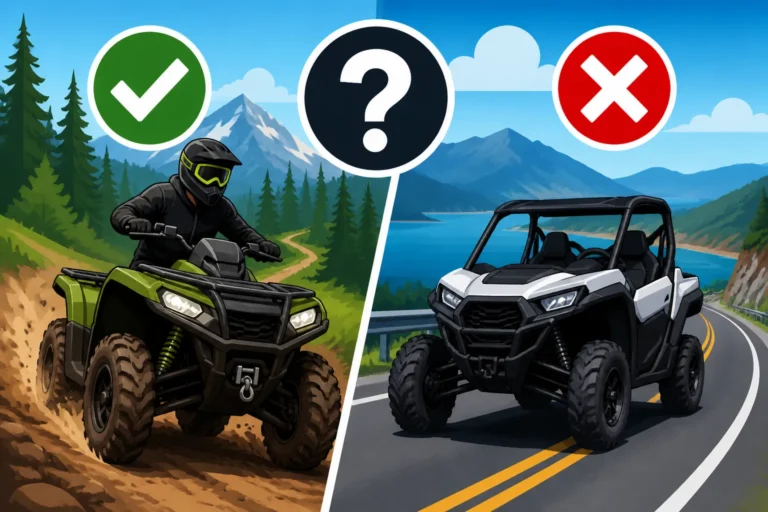
For many of us, the image of an off-road vehicle is a quad or a dirt bike – those thrilling machines you straddle, leaning into turns and tackling terrain with a real sense of connection to the ground beneath you. These are what the law refers to as "ride-astride" machines, and for good reason. On these types of ORVs, your body is much more exposed. There's no protective cage around you, no seatbelt to hold you in place, and if you have a mishap, you're much more likely to be thrown from the machine or have it roll over on you.
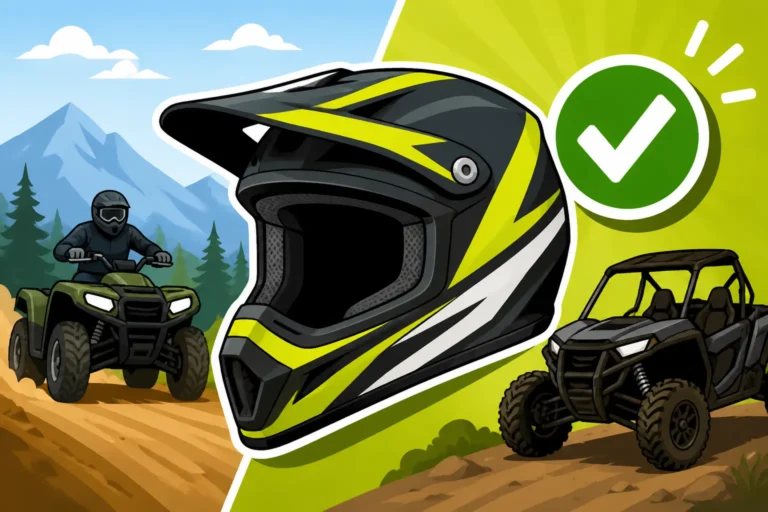
Because of this inherent vulnerability, the BC Off-Road Vehicle Act is very clear: if you're riding a quad, a dirt bike, a snowmobile, or any other ORV where you straddle the seat, you must wear an approved helmet. There’s simply no wiggle room on this. This rule applies to both the operator and any passengers on these machines, assuming the machine is even designed to safely carry a passenger. Think of it as your primary piece of safety equipment, just as essential as fuel in the tank or air in the tires. It's a non-negotiable part of preparing for your ride.
This absolute requirement for ride-astride machines stems from countless studies and real-world incidents demonstrating the life-saving potential of helmets. Even a low-speed tip-over can result in serious head trauma if you're unprotected. Imagine riding along a gravel path, perhaps just a little too fast for the conditions, and hitting an unexpected rut. The machine could buck, throwing you sideways. Without a helmet, that impact with the ground, a rock, or even the machine itself could be devastating. The law recognizes this risk and mandates protection for a very practical reason. This rule applies uniformly across all types of terrain where the ORV Act is in force, including [BC Forest Service Road Helmet Rules].
Why Side-by-Sides Have a Different Standard
Now, if you're primarily a side-by-side (SxS or UTV) rider, you might be thinking, "But I'm in a cage, I have a seatbelt!" And you're absolutely right – this is where the law makes a distinction, and it's a point of frequent confusion for many new or crossover riders. Side-by-sides are designed with a different philosophy in mind: they typically have a full roll-over protective structure (ROPS), usually a roof, and seatbelts for all occupants. This integrated safety system changes the risk profile significantly compared to a ride-astride machine.
Because of these built-in safety features, the BC Off-Road Vehicle Act states that if a side-by-side is equipped with a ROPS, a roof, and seatbelts for every seating position, and all occupants are properly secured by those seatbelts, then wearing a helmet is generally not mandatory. This provision acknowledges the additional protection offered by the machine's design. It's a common misconception that helmets are never needed in a side-by-side, but the key words are "properly secured by those seatbelts" and "equipped with a ROPS and roof." If your machine doesn't have all these elements, or if you're just hopping in for a quick trip without buckling up, then the helmet rule can definitely come back into play. This is why understanding [No Helmet Needed With a Belt and Cage] is so crucial.
It’s important to remember that even when a helmet isn't legally required in a side-by-side, it's still often a wise choice. Many experienced riders will tell you that a helmet can protect against more than just impact. It can shield your face from flying debris, branches, and dust, reduce wind noise, and even offer some insulation from the elements. While the law grants an exception based on the machine's design and occupant restraint, personal safety and comfort might still lead you to grab your helmet every time, especially if you're pushing the limits on challenging trails or travelling at higher speeds where gravel kick-up is a constant threat.
The Broad Scope: Who and Where the Rule Applies
The beauty of BC's landscape is its vastness, with endless opportunities to explore on an ORV. But this also means that the helmet rules apply across a huge variety of areas, not just designated parks or trails. In British Columbia, the Off-Road Vehicle Act broadly applies to any "off-road vehicle" operating on "Crown land" – and that's a much bigger category than you might initially think. This includes vast expanses of provincial forests, unpaved resource roads (like old logging roads or gravel roads), and even some seasonal trails. Essentially, if you're not on private property with permission, or on a public highway (where different rules apply entirely), you're almost certainly on Crown land.
This means that the helmet requirements, whether mandatory for ride-astride machines or conditionally exempt for side-by-sides, are in effect for almost all your backcountry adventures. Whether you’re exploring the Kootenays, riding near Prince George, or navigating the trails on Vancouver Island, the provincial helmet law travels with you. It’s not just a rule for official ORV parks; it’s the standard for virtually all recreational and working use outside of private land. So, before you head out, confirm you have the right head protection for your machine and riding style, regardless of how remote your destination might be. Always assume the rules apply unless you are absolutely certain otherwise, especially when riding on [BC Rules for Riding Crown Land] or [BC Forest Service Road Rules for ORVs].
This comprehensive scope also means "every rider" truly means every rider. It’s not just the person driving; if you have a passenger on a quad, for example, that passenger also needs to be wearing an approved helmet. There are no age exemptions for this core requirement on ride-astride machines. This consistency ensures that everyone engaging in off-road activities benefits from the same fundamental level of protection. While a child might have specific rules about who can supervise them or what kind of machine they can operate, the helmet requirement for ride-astride ORVs remains universal. It’s about creating a culture of safety where proper head protection is simply part of the pre-ride routine for everyone.
What Kind of Helmet Do You Need in BC?
It's not enough to just wear a helmet; it has to be the right kind of helmet. Just like you wouldn't use bicycle brakes on a motocross bike, a flimsy construction hard hat isn't going to cut it for off-road riding. The BC Off-Road Vehicle Act specifies that helmets must meet certain safety standards to be considered legal and effective. This is about ensuring that the helmet you're wearing has been rigorously tested and certified to actually protect your head in the event of an impact.
Meeting Recognized Safety Standards
When you're looking at helmets, whether for yourself or a passenger, the most critical thing to check for is certification. In British Columbia, as with most places, approved helmets for ORV use must meet specific, internationally recognized safety standards. The most common certifications you'll see are DOT (from the US Department of Transportation), Snell (a non-profit organization that performs more rigorous testing), and ECE (Economic Commission for Europe). These certifications aren't just fancy stickers; they mean the helmet has undergone extensive testing to assess its ability to absorb impact, resist penetration, and stay securely on your head.
Without one of these certifications, your helmet simply isn't considered compliant with the BC Off-Road Vehicle Act. You might have a helmet that looks sturdy, or perhaps one designed for another activity like cycling or skateboarding, but if it doesn't have the official DOT, Snell, or ECE stamp, it won't pass muster with enforcement officers, and more importantly, it won't offer the protection you need. Always check for that label – it's usually on the back of the helmet or inside, clearly visible. Investing in a certified helmet isn't just a legal obligation; it's a commitment to your own well-being. Think of it as a small price to pay for significant peace of mind. For more details on what these standards entail, see [BC Helmet Standards in the Regulation].
It's easy to be tempted by a cheaper, uncertified helmet, especially if you're just starting out or buying for occasional use. However, remember that these certifications represent countless hours of engineering and impact science. A helmet designed to meet these standards uses specific materials and construction techniques to distribute impact forces away from your head. This isn't where you want to cut corners. A certified helmet is a complex piece of safety equipment, far more advanced than it might appear on the surface, and choosing one with the right certification is the first, and most important, step in gearing up safely for your BC off-road adventures.
Importance of a Proper Fit and Condition
Once you've ensured your helmet meets the required safety standards, the next crucial step is making sure it fits you properly. A certified helmet that doesn't fit correctly is almost as bad as no helmet at all. If it's too loose, it can shift during a ride, obstruct your vision, or even come off completely in a crash. If it's too tight, it can cause discomfort, headaches, and distract you from the trail. A properly fitting helmet should feel snug all around your head without any pressure points. It shouldn't move freely when you try to shake your head, and the chin strap should be fastened securely, forming a "V" under your ears and snug against your chin without choking you.
Beyond fit, the condition of your helmet is paramount. Helmets are designed to absorb and dissipate impact energy, and they do this by deforming the internal foam layers. Once a helmet has taken a significant blow – even if there's no visible damage on the outside – its protective capacity can be severely compromised. This is why it's universally recommended to replace a helmet after any substantial impact. Also, regularly inspect your helmet for cracks in the shell, fraying straps, or degrading foam. Sunlight, sweat, and general wear and tear can all reduce a helmet's effectiveness over time. If you see any signs of damage or deterioration, it's time for a new one. Don't gamble with your head; replacing a compromised helmet is far cheaper than dealing with a head injury. This is a point stressed in [Replacing a Helmet That Cracked in a Fall].
Consider your riding conditions too. An open-face helmet might feel great on a hot day, but it leaves your face exposed to flying debris, branches, and roost from other riders. For most off-road riding, a full-face helmet with a robust chin bar offers the best protection. If you opt for an open-face helmet, make sure you pair it with high-quality goggles to protect your eyes. It’s all about creating a complete system of protection that works synergistically. A helmet is a major investment in your safety, so taking the time to ensure it fits perfectly and is in top condition is an essential part of responsible riding.
Helmets and Other Protective Gear
While the helmet is undeniably the star of the safety show when it comes to head protection, it's really just one piece of a larger puzzle of personal protective equipment (PPE) that every smart ORV rider should consider. Riding an ATV or UTV exposes you to a multitude of risks beyond just head trauma. Flying rocks, low-hanging branches, falls, impacts with the machine, and even just prolonged exposure to sun and wind can all take a toll if you're not properly geared up.
After securing your helmet, think about eye protection. Goggles are non-negotiable for anyone riding a ride-astride machine or an open-cab side-by-side, even if you wear glasses. They shield your eyes from dust, mud, insects, and branches, maintaining clear vision, which is crucial for safe navigation. Next, consider durable gloves. They protect your hands from blisters, abrasions, and impacts, while also improving your grip on the handlebars. Long sleeves and pants, ideally made from abrasion-resistant materials like denim or specialized riding fabrics, will protect your skin from scrapes and sun exposure. Finally, sturdy, over-the-ankle boots with good grip are essential to protect your feet and ankles from impacts, twists, and hot machine parts.
Think of your entire body as needing protection, not just your head. Imagine a scenario where you're riding a tight trail, and a sudden branch whips back, or you clip a handlebar on a tree. With proper gear, these incidents often result in minor bruises or scrapes; without it, you could be looking at broken bones, severe lacerations, or eye injuries. While the law primarily focuses on helmets, experienced riders know that a full suite of protective gear makes for a much safer and more enjoyable ride. Companies like SuperATV offer a range of aftermarket accessories, including windshields and side panels, that can enhance occupant protection in side-by-sides, which complements personal gear. It's about being prepared for anything the trail might throw at you.
Specific Scenarios: Who Must Wear a Helmet and When
The BC helmet law isn't a blanket rule that applies identically to every person and every machine. There are specific nuances depending on whether you're driving or a passenger, and what type of ORV you're on. Understanding these distinctions is crucial to ensure you're always compliant and, more importantly, always protected. Confusion about these scenarios is common, but clarity can help you make safer choices every time you head out.
Drivers of ATVs and Dirt Bikes
Let's start with the clearest and most absolute rule: if you are operating a ride-astride ORV, such as an ATV (quad) or a dirt bike, on Crown land or a forest service road in British Columbia, you must wear an approved helmet. There are no exceptions for experience level, speed, or terrain. Whether you're a seasoned pro navigating technical singletrack or a casual rider cruising a wide gravel road, the helmet is mandatory. This includes working machines, recreational machines, and everything in between.
The reasoning here is straightforward and consistent with the spirit of the Off-Road Vehicle Act: these machines offer minimal inherent occupant protection. In the event of a rollover, collision, or simple loss of control, the rider is highly exposed. A helmet provides a critical layer of defense against head injuries, which are often the most severe and life-altering consequences of an ORV accident. Imagine, for a moment, riding your quad on a familiar path, perhaps getting a little complacent. You hit an unexpected patch of loose gravel, the quad slides, and you're suddenly off the machine. Without a helmet, even a seemingly minor fall could have catastrophic consequences for your head. This is precisely [Why a Ride-Astride Machine Always Needs a Helmet].
This rule is enforced by various authorities, including RCMP and conservation officers. Getting caught riding a ride-astride machine without an approved helmet can result in a significant fine and potential other penalties. But beyond the legal repercussions, the personal cost of a head injury is immeasurable. So, for every ATV and dirt bike operator, strapping on that certified helmet should be as automatic as starting the engine. It's not just a law; it's a fundamental aspect of responsible and safe off-road riding.
Passengers on Ride-Astride Machines
The rules for passengers on ride-astride machines are equally strict, but they come with an added layer of complexity related to the machine's design. First and foremost, if a ride-astride ORV is designed to carry a passenger (often indicated by an extended seat, passenger footpegs, or explicit manufacturer specifications), then that passenger must also wear an approved, properly fitted helmet. Just like the driver, a passenger on an ATV or dirt bike is highly exposed and requires the same level of head protection.
However, a critical point to remember is that many ATVs, particularly smaller or older models, are not designed to carry passengers at all. Manufacturers often explicitly state that their single-rider ATVs are for one person only. Carrying a passenger on a machine not designed for it significantly alters its balance and handling, making it inherently more unstable and dangerous. This isn't just a safety recommendation; it's often against the manufacturer's guidelines, and in some jurisdictions, it can even lead to additional fines if an officer determines you are operating the machine unsafely.
The BC Off-Road Vehicle Act reinforces this by emphasizing safe operation, and carrying an unauthorized passenger could fall under "careless operation" if it leads to an incident. So, before you even consider taking a passenger on your quad or dirt bike, ensure two things: one, your machine is explicitly designed for a passenger, and two, that passenger is wearing a properly fitted, approved helmet. For young riders, special rules also apply to who can supervise them and whether they can carry passengers. For example, [BC Rules for a Child Under 16] states children cannot carry passengers. Always prioritize safety and manufacturer guidelines when it comes to carrying additional riders.
Side-by-Side Occupants: When a Helmet is Still Necessary
While we've established that side-by-sides with a ROPS, roof, and seatbelts generally exempt occupants from the mandatory helmet rule in BC, there are still specific situations where a helmet becomes essential, even in these seemingly safer vehicles. It's not a blanket pass; it's a conditional exemption, and understanding those conditions is key.
The primary condition, as mentioned, is that all occupants must be properly secured by a seatbelt. If you're on a side-by-side that has seatbelts, but you or your passengers choose not to wear them, then you are no longer covered by the exemption, and a helmet would become legally required. This is a common pitfall: people get comfortable, maybe just moving the machine a short distance, and skip the seatbelt. But at that point, from a legal and safety perspective, you're essentially in a less stable open-top vehicle without proper restraint, significantly increasing your risk of injury in a tip-over or sudden stop. Think about it, the ROPS protects against crushing, but the seatbelt keeps you within that protective zone. If you're not belted, you could be ejected or slam into the cage itself.
Beyond the legal aspect, there are practical reasons why many side-by-side operators still choose to wear helmets, even when not legally mandated. For instance, if you're riding in extremely dusty conditions, through thick brush, or where there's a high risk of flying debris, a helmet with a visor or goggles can offer invaluable protection for your face and eyes. Similarly, if you're pushing your machine's limits in technical terrain where rollovers are a distinct possibility, the added protection of a helmet can be a wise extra layer, even if you are belted in. Companies like SuperATV offer enhanced roll cages and safety harnesses for UTVs, but even with these upgrades, many riders prefer the added head protection. Ultimately, while the law provides an exemption, your personal safety assessment should always guide your gear choices.
Addressing Common Rider Questions and Misconceptions
The world of ORV regulations can be a bit of a labyrinth, and when it comes to helmet laws, there are always questions that pop up from riders trying to make sense of it all. It’s natural to wonder how these rules apply to specific situations, especially if you’re new to the sport or coming from a different province. Let's tackle some of these common inquiries and clear up a few persistent misconceptions.
"Do I need a helmet on private land?"
This is one of the most frequently asked questions, and it highlights a common misunderstanding about where provincial ORV laws apply. The BC Off-Road Vehicle Act primarily governs the operation of off-road vehicles on Crown land (which includes FSRs, public trails, and vast stretches of provincial territory). So, strictly speaking, when you are operating an ORV exclusively on your own private property, or on private land where you have explicit permission from the owner, the provincial ORV Act's helmet requirements generally do not apply.
However, this doesn't mean you should throw caution to the wind! While you might not face a provincial fine for not wearing a helmet on your own acreage, the laws of physics and common sense still absolutely apply. A head injury sustained on private land is just as serious, if not more so, than one on a public trail. Many riders, myself included, would strongly advocate for wearing a helmet every single time you get on an ATV or dirt bike, regardless of whether you're on private or public land. It's about instilling good safety habits and prioritizing your well-being over a technical legal distinction. Furthermore, some local municipalities or First Nations communities may have their own bylaws that could introduce helmet requirements even on private land, so it’s always wise to check if you’re unsure.
Ultimately, while the provincial law might not compel you to wear a helmet on your backyard riding loop, choosing not to wear one is a significant personal risk. It's easy to think "it's just a short ride" or "I know this area," but accidents can happen in an instant, even in familiar surroundings. Protecting your head is a non-negotiable best practice for any ORV operator, regardless of property boundaries.
"What about farm quads?"
Another common question revolves around the use of ATVs for agricultural purposes. Many farmers and ranchers rely on quads for everything from checking fences and herding livestock to hauling equipment across fields. Given their utility, it’s understandable to wonder if these "work machines" are exempt from recreational ORV rules, including helmet laws. The answer, definitively, is no. In British Columbia, a quad used on a farm is still classified as an off-road vehicle under the ORV Act, and as such, it is subject to the same registration and operational requirements as a recreational machine when operated on Crown land. This includes the mandatory helmet law for ride-astride machines.
The purpose for which an ORV is used – whether for recreation, hunting, or farm work – does not change its classification or the fundamental safety requirements when it's operating on public lands or FSRs. Imagine a farmer needing to cross a forest service road to get from one section of their leased range land to another. While on that FSR, they are absolutely subject to the ORV Act, and that means a helmet is required for a quad. The law is designed to apply broadly for public safety, and making exemptions based on use case would create loopholes that could compromise that safety.
This can be a point of frustration for some agricultural operators who view their quad as a tool, not a toy, and might find helmet use cumbersome for frequent, short trips. However, the risk of head injury remains the same regardless of whether you're checking cattle or trail riding. The BC government’s stance is clear: if it's a ride-astride ORV, and you're on Crown land, you need a helmet. This is an important distinction, as many might assume farm machinery operates under different rules entirely. [BC Farm Quads Are Not Exempt] clarifies this further.
"Does my street motorcycle helmet work?"
This is a great question, and happily, the answer is often yes! If you already ride a street motorcycle and have an approved helmet for that purpose, it’s very likely that helmet will also meet the requirements for off-road vehicle use in British Columbia. The key is to check for those certification stickers we discussed earlier: DOT, Snell, or ECE. Most street motorcycle helmets are designed to meet or exceed these standards because highway riding presents its own high-speed impact risks.
However, there are some practical considerations even if your street helmet is technically compliant. Motorcycle helmets, especially full-face road models, can sometimes be heavier and have less ventilation than helmets specifically designed for off-road use. Off-road helmets often feature a larger eyeport to accommodate goggles (which are typically preferred over integrated visors in dusty trail conditions), a more aggressive peak to deflect roost and sun, and much better airflow to keep you cool during strenuous riding. While a street helmet will certainly protect your head in a crash, you might find it less comfortable or practical for extended off-road adventures, especially on hot days or technical trails where physical exertion is higher.
So, while your street helmet is likely legal and safe from a structural standpoint, consider investing in a dedicated off-road helmet if you plan to do a lot of trail riding. It will often provide a more comfortable, better-ventilated, and more functional experience for the specific demands of dirt, mud, and uneven terrain. But in a pinch, or for occasional use, your certified street lid is a perfectly acceptable and legal option for protecting your noggin on the trails of BC.
Enforcement and Consequences of Non-Compliance
Nobody wants to get a ticket, especially when you're out enjoying the freedom of the backcountry. But more importantly, no one wants to suffer a preventable injury. Understanding the enforcement mechanisms and the consequences of not adhering to BC's helmet law serves as a crucial reminder of both your legal obligations and your personal safety responsibilities. It’s not just about what officers might do; it’s about what can happen.
Tickets and Fines for Riding Without a Helmet
Let's not mince words: riding a ride-astride ORV without an approved helmet on Crown land or a Forest Service Road in BC is a ticketable offense. If you're pulled over by an enforcement officer and you're not wearing a helmet on your ATV or dirt bike, you can expect to receive a fine. The exact amount of these fines can change over time, so it's always best to check current provincial regulations, but rest assured, they are designed to be a deterrent. It’s not a slap on the wrist; it’s a tangible financial penalty that immediately puts a dent in your riding budget. Think of what else you could spend that money on – a new set of tires, an upgrade from SuperATV, or even just gas for more rides!
The officers aren't just looking for major infractions; they're also checking for basic compliance with safety rules. This means they'll be looking for the appropriate certification on your helmet (DOT, Snell, or ECE) and ensuring it appears to be in good condition. If your helmet looks old, damaged, or clearly not designed for ORV use, you could still be in trouble even if you have something on your head. The goal is real protection, not just the appearance of it. This fine isn't just an inconvenience; it's a clear message from the province about the seriousness of head protection. It reinforces the idea that helmet use is not optional; it's a fundamental part of safe and legal ORV operation.
Beyond the immediate financial hit, repeated infractions could potentially lead to more severe consequences, though this is less common for a first-time helmet offense. However, pairing a helmet infraction with other offenses, such as careless operation or impaired riding, can quickly escalate the situation. The easiest way to avoid this whole mess is simply to put on your helmet every single time. It's a small action with immense benefits, both legal and personal. And remember, these aren't the only penalties you can face; [BC Fines for Careless Operation] can be levied for a range of unsafe behaviours.
Police and Conservation Officer Authority
When you're out riding in BC's vast backcountry, you might encounter different types of enforcement officers, and it's important to understand their authority regarding ORV regulations. Both the RCMP (Royal Canadian Mounted Police) and Conservation Officers have the power to enforce the BC Off-Road Vehicle Act, which includes checking for helmet compliance. These officers are patrolling resource roads, Crown land, and recreational areas, and they take ORV safety seriously.
RCMP officers, as provincial police, have broad authority to enforce all provincial laws, including the ORV Act. They can pull you over, ask for your registration (your Certificate of Registration, as BC does not issue titles for ATVs, which you'll know if you've read [Why BC Does Not Title an ATV]), check for proper equipment like helmets, and issue tickets. Conservation Officers, while focused primarily on environmental and wildlife protection, also have specific powers under the ORV Act to ensure compliance, especially when ORVs are used in sensitive ecological areas or during hunting season. They are well-versed in the regulations and will not hesitate to address safety infractions like unhelmeted riding.
These officers are often operating in remote areas, and their presence is a reminder that even far from major towns, the rules still apply. Their goal isn't just to issue tickets; it's to promote safety and responsible use of our public lands. They are on the lookout for unsafe practices, and an obvious one is someone riding a ride-astride machine without a helmet. They are trained to identify approved helmets and assess their condition. So, if you're approached by an officer, be polite, provide the requested documentation, and demonstrate that you are operating your ORV safely and in compliance with all regulations. Your proactive adherence to the helmet law will make any interaction a smooth one.
Safety Beyond the Law: Why It Matters
While the legal penalties for not wearing a helmet are a compelling reason to comply, the most critical aspect of the BC helmet law is the underlying reason for its existence: protecting human lives and preventing devastating injuries. Beyond any fine or legal consequence, the real cost of a head injury can be immeasurable, impacting not only the rider but also their family and community for years, or even a lifetime.
A head injury, even what might seem like a "minor" concussion, can have long-lasting effects on cognitive function, mood, and overall quality of life. More severe traumatic brain injuries can lead to permanent disabilities, requiring extensive rehabilitation and altering a person's ability to work, socialize, and enjoy their passions. Wearing an approved helmet dramatically reduces both the likelihood and the severity of head injuries in the event of an accident. It's a proven fact, backed by decades of research and real-world data. Imagine taking a fall on the trail and hitting your head without protection. That impact could literally change your life in an instant.
Therefore, thinking about helmets should go beyond simply avoiding a ticket. It should be an ingrained habit, a fundamental part of your pre-ride safety check, driven by a deep understanding of self-preservation. It's about being able to continue enjoying the sport you love, coming home safely to your family, and maintaining your health and independence. The law merely codifies what responsible riders and safety experts already know: a helmet is your brain's best friend on the trail. By embracing this mindset, you're not just following a rule; you're making a conscious choice to protect your future, allowing you to participate in [BC ATV Safety Training Options] and many more adventures.
Helmet Care and Maintenance for Longevity and Safety
Buying a certified, well-fitting helmet is a fantastic first step, but the journey to optimal head protection doesn't end there. Like any critical piece of safety equipment, your helmet requires ongoing care and maintenance to ensure it remains effective and lasts as long as it should. Neglecting your helmet can compromise its integrity, making it less protective when you need it most. This isn’t just about making your helmet look good; it’s about making sure it performs when it counts.
Proper Cleaning and Storage Techniques
After a dusty, muddy, or sweaty ride, your helmet is going to need some attention. Proper cleaning is essential not just for hygiene, but also to prevent damage to the helmet's materials. For the outer shell, use mild soap and water with a soft cloth. Avoid harsh chemicals, solvents, or abrasive cleaners, as these can weaken the helmet's shell or degrade its finish, potentially compromising its structural integrity. For the interior, many modern helmets have removable, washable liners. If yours does, follow the manufacturer's instructions for washing, typically using a mild detergent and air-drying. If the liner isn't removable, a damp cloth with mild soap can gently clean the interior, ensuring you allow it to thoroughly air dry to prevent mildew and odors.
When it comes to storage, where you keep your helmet is just as important as how you clean it. Always store your helmet in a cool, dry place, away from direct sunlight and extreme temperatures. Heat and UV exposure can degrade the helmet's materials over time, especially the EPS foam liner which is crucial for impact absorption. Avoid storing your helmet on exposed hooks or pegs where it could be accidentally knocked off and damaged. A padded helmet bag or a shelf inside a cupboard is ideal. Never toss your helmet into the back of a truck bed or leave it hanging on a handlebar where it can fall, get scraped, or be exposed to the elements. Remember, even a seemingly minor drop can cause unseen damage to the critical internal components.
Taking these few extra minutes for cleaning and mindful storage will significantly extend the life and effectiveness of your helmet. It ensures that when you grab it for your next adventure, it’s not only clean and comfortable but also fully prepared to offer the protection it was designed for. A well-maintained helmet is a testament to a responsible rider who understands the value of their safety gear.
When to Replace a Helmet
Knowing when to replace your helmet is arguably the most critical aspect of helmet maintenance. This isn't just about aesthetics; it's about the helmet's ability to actually protect you in a crash. The general rule of thumb, regardless of visible damage, is to replace your helmet every five to seven years from its manufacture date (you can usually find this date stamped inside the helmet). Over time, the materials, particularly the EPS (Expanded Polystyrene) foam liner, can degrade due to exposure to sweat, oils, UV light, and environmental factors, reducing its ability to absorb impact effectively.
However, the most important reason to replace a helmet is after any significant impact. Helmets are designed for a single major impact. When a helmet absorbs energy from a crash, the EPS foam crushes and compacts to dissipate that force. Once this happens, that specific area of the helmet can no longer provide the same level of protection. Even if there are no visible cracks or dents on the outer shell, the internal structure could be compromised. Think of it like a bicycle helmet: once it's taken a hit, it's done its job, and it's time for a new one. [Replacing a Helmet That Cracked in a Fall] elaborates on this vital point.
Beyond impacts and age, also keep an eye out for visible signs of deterioration:
- Cracks or delamination on the outer shell.
- Fraying or worn chin straps that don't hold tension well.
- Missing or excessively worn padding that affects the fit.
- Any signs of crushing or cracking in the EPS foam liner when you look inside.
If you observe any of these issues, it's a clear signal that your helmet's protective capabilities are compromised, and it's time to retire it. Don't try to stretch its life; your head isn't worth the risk. Replacing a helmet is a minor expense compared to the potentially life-altering consequences of a head injury from a compromised piece of safety gear.
Accessorizing Your Helmet for Enhanced Riding
While the core function of a helmet is protection, modern helmets offer a range of accessories that can significantly enhance your riding experience, comfort, and safety. These additions, when chosen wisely, can make long days on the trail more enjoyable and communication clearer.
One of the most popular accessories for off-road helmets is an integrated communication system. Brands like Sena or Cardo offer Bluetooth devices that attach to your helmet, allowing you to talk to fellow riders, listen to music, or take calls without having to stop or remove your helmet. This is particularly useful for group rides, guiding new riders, or simply staying connected on longer expeditions. For UTV riders in noisy cabs, these systems can be a game-changer for clear conversations.
Another practical accessory is a better visor or goggle system. While many helmets come with a basic visor, upgrading to a tinted, anti-fog, or photochromatic lens can improve visibility in changing light conditions. For pure off-road use, high-quality goggles that integrate seamlessly with your helmet are key to keeping dust, mud, and debris out of your eyes. Additionally, some riders choose to add external lighting systems for night riding, though this often requires careful consideration of battery life and helmet balance. Remember, any accessory should be securely attached and not impede the helmet's primary protective function or compromise its structural integrity. Always check manufacturer recommendations before adding aftermarket components that might alter the helmet's design or safety performance.
Equipping Your Machine for Safer Riding
While personal protective equipment like helmets is paramount, the safety of your off-road experience is also profoundly influenced by the machine itself. For UTV riders, especially, there are numerous ways to enhance the inherent safety features of your vehicle, providing additional layers of protection for all occupants. This isn't just about going faster or looking cooler; it's about creating a more secure environment for you and your passengers.
Roll-Over Protective Structures (ROPS) and Seat Belts
For side-by-sides, the factory-installed Roll-Over Protective Structure (ROPS) and seat belts are fundamental safety features that differentiate them from ride-astride machines. The ROPS, essentially the integrated cage around the cab, is designed to provide a survival space in the event of a rollover. The seat belts, usually three-point harnesses, are there to keep occupants securely within that protective space. This combination is why helmets are often not legally mandated for belted UTV occupants in BC.
However, factory ROPS and seat belts, while good, can sometimes be improved upon, especially if you engage in more aggressive or challenging riding. Aftermarket roll cages, often thicker and more robust than stock, can offer an even greater margin of safety, reinforcing the structural integrity of your UTV. Similarly, upgrading from a three-point seat belt to a four- or five-point racing harness can provide superior occupant retention, keeping you firmly planted in your seat during extreme maneuvers or impacts. This is where brands like SuperATV excel, offering heavy-duty cages and harness systems designed for enhanced protection and durability. These upgrades are particularly popular with riders who push their machines in competitive environments or on highly technical terrain, where the risk of a rollover is higher.
It's crucial that any modifications to your ROPS or seat belt system are done by qualified individuals or with parts specifically designed for your machine, ensuring they don't inadvertently compromise safety. Remember, the effectiveness of the ROPS is directly tied to the use of seat belts; they work in tandem. So, always buckle up, and consider enhancing these critical safety components for maximum peace of mind on the trails.
Visibility Aids: Lights and Flags
Visibility isn't just about seeing where you're going; it's also about being seen by others, especially in busy riding areas, on multi-use trails, or during low-light conditions. Enhancing your ORV's visibility is a smart safety strategy that can prevent collisions and improve overall awareness on the trail.
For riding at dawn, dusk, or night, proper lighting is absolutely essential. While most ORVs come with factory headlights and taillights, these can often be basic. Upgrading to brighter LED light bars or auxiliary spotlights can dramatically improve your forward visibility, illuminating obstacles, trail hazards, and wildlife much earlier. Similarly, ensuring your taillights are bright and clearly visible from a distance is crucial for preventing rear-end collisions, particularly on dusty trails where visibility can be poor. In BC, [BC Lighting Rules in Low Visibility] specify certain requirements, but enhancing your lights beyond the minimum is always a good idea.
Beyond active lighting, whip flags are another excellent visibility aid, especially in areas with varied terrain or limited sightlines (like sand dunes or dense forest with hills). These tall, brightly coloured flags extend well above the machine, making your presence known to other riders or vehicles, even when your ORV itself might be hidden by a hill or dense foliage. Many aftermarket flags come with integrated LED lights for even better visibility at night. For dusty conditions, consider mounting a rear-facing amber strobe light to cut through the haze. While these might not be explicitly mandated in all riding areas, they are a proactive measure that demonstrates a commitment to safety for yourself and everyone else on the trail.
Upgrading Components for Enhanced Protection
Beyond ROPS and seatbelts, many other aftermarket components can significantly contribute to the overall safety of your ORV, especially your side-by-side. These upgrades often go beyond factory specifications to offer a greater margin of protection and durability, preparing your machine for the most challenging environments.
Consider heavy-duty bumpers, rock sliders, and skid plates. These components, readily available from manufacturers like SuperATV, are designed to protect critical parts of your machine (engine, suspension, differentials) from impacts with rocks, stumps, and other trail hazards. While their primary function is machine protection, by preventing component damage, they also indirectly enhance occupant safety by reducing the risk of a breakdown in a remote area or a sudden loss of control dueating to mechanical failure. For example, a damaged tie rod from a hidden rock could send your machine veering dangerously. Robust protection minimizes this risk.
Another area for enhanced protection is the cabin environment of a UTV. Full doors, windshields, and rear panels can provide additional protection from mud, dust, branches, and other debris that might enter the cabin. While some of these are comfort features, they also act as barriers against objects that could cause injury. For instance, a shatter-resistant windshield can protect occupants from flying rocks, and full doors can prevent a limb from accidentally extending outside the vehicle during a sharp turn or side-impact. These investments not only extend the life of your machine but also contribute significantly to the safety and comfort of every ride. When you're ready to upgrade for peace of mind, exploring options from reputable aftermarket brands can make a real difference.
Comparative Overview of ORV Helmet Requirements in BC
To help clarify the differences between machine types, here's a quick look at the core helmet requirements in BC:
| Feature | Ride-Astride ORVs (ATV, Dirt Bike) | Side-by-Side (UTV) |
|---|---|---|
| Helmet Mandatory? | YES (for operator and all passengers) | NO (if equipped with ROPS, roof, and seatbelts) |
| If Not Mandatory | N/A | All occupants MUST be secured by seatbelts |
| Required Helmet Standard | DOT, Snell, or ECE certified | N/A (if exemption applies), otherwise DOT, Snell, ECE |
| Primary Safety Feature | Helmet | ROPS, Seatbelts (helmet as secondary/optional) |
| Typical Riding Risk | Ejection, direct head impact | Rollover, ejection (if unbelted), debris intrusion |
| Best Practice | Always wear a full-face, off-road specific helmet | Strongly consider helmet for added protection |
This table highlights the key distinctions, reinforcing that while side-by-sides offer inherent structural protection, ride-astride machines rely almost entirely on the rider's personal protective equipment, especially the helmet, for head safety.
Disclaimer
This article is for general informational purposes only and does not constitute professional advice. Laws, prices and regulations vary by location and change over time. Consult a qualified professional for guidance on your specific situation.