How the Criminal Code Treats an ATV as a Conveyance
It’s a common misconception among off-road vehicle (ORV) enthusiasts in British Columbia that what happens on the trails, deep in the backcountry, or even on a gravel pit is somehow separate from the laws that govern our everyday lives. Many riders mistakenly believe that because their ATV or side-by-side isn't a "car," the strict rules of the road, particularly the heavy hand of the Criminal Code, don't fully apply. This couldn't be further from the truth, and this guide is here to shed light on exactly how serious the law considers your ATV when it comes to criminal offences, especially when you're behind the handlebars.
What Does "Conveyance" Even Mean in the Eyes of the Law?
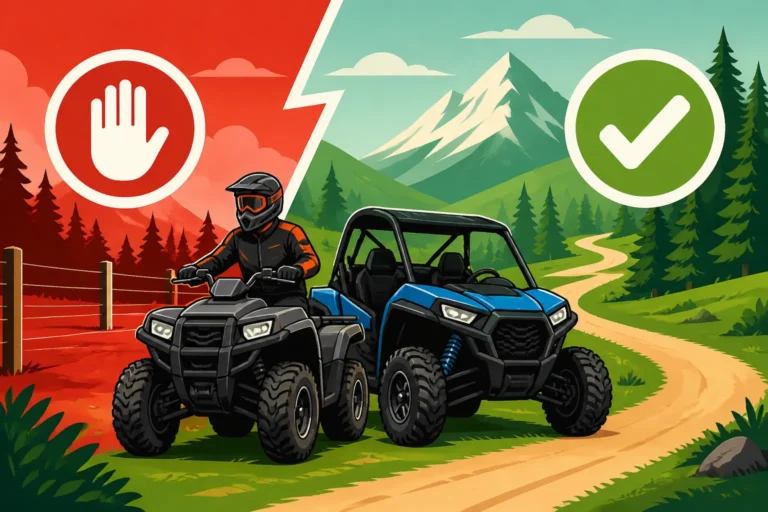
When you think of the Criminal Code, you probably picture cars, trucks, and maybe even boats, right? You're not alone. Most people associate "impaired driving" with pavement and public roads. But Canadian law, particularly since significant updates, has made it abundantly clear that the definition of a "conveyance" is much, much broader than just your typical highway vehicle. This expanded definition is crucial for anyone who operates an ATV, UTV, dirt bike, or snowmobile in British Columbia.
Beyond Just Cars and Trucks: The Broad Definition
The term "conveyance" in the Criminal Code of Canada is designed to be inclusive, catching almost any form of motorized transportation. It's not limited to machines registered under the Motor Vehicle Act, nor is it restricted to public roads. If it's a vehicle, vessel, or aircraft that's capable of being operated by a person, it's generally considered a conveyance. This broad legal definition means that whether you're cruising down a main street in a sedan, sailing a sailboat, or revving up your [BC Rules for Riding Crown Land] on a remote forest service road, you are operating a conveyance in the eyes of the Criminal Code.
The intent behind this wide scope is to ensure that critical public safety laws, like those addressing impaired operation, apply universally across different modes of transport. The dangers posed by someone operating a machine while impaired are not exclusive to highways; they exist wherever machines are used. Imagine the potential for harm if someone loses control of a powerful off-road machine while impaired – the consequences can be just as devastating, if not more so, in rough terrain or isolated areas.
Why Your ATV Fits the Bill
So, where does your ATV or UTV fit into all of this? Perfectly, and firmly. Your quad, side-by-side, or dirt bike is a motorized vehicle operated by a person. It has an engine, wheels or tracks, and a steering mechanism. It is designed to convey you from one point to another. Therefore, it absolutely falls under the Criminal Code's definition of a conveyance. It doesn't matter if it's legally registered for off-road use, or even if it's unregistered – the Criminal Code doesn't care about the [BC Penalties for Riding Unregistered] aspects of provincial law when it comes to criminal responsibility.
This means that all the serious criminal offences related to operating a conveyance, such as impaired driving, dangerous operation, and failing to stop for police, apply directly to you and your off-road machine. It’s a reality check many riders need, as the thrill of tearing through the wilderness can sometimes create a false sense of immunity from these serious laws. The legal system views the risk of impaired or dangerous operation on an ATV with the same gravity as it does for a car, because the potential for injury, death, and property damage remains the same, regardless of the vehicle type or terrain.
The Serious Ramifications of Impaired Operation
Now that we’ve established that your ATV is a conveyance, let’s talk about the most significant criminal offense tied to operating one: impaired operation. This is where a fun day out can turn into a life-altering nightmare. The Criminal Code does not differentiate between impaired driving on a highway and impaired riding on a trail. The penalties are severe and far-reaching.
Alcohol and Drugs: No Difference on the Trail or the Road
Whether you’ve had a few beers around the campfire before hopping on your quad, or you’ve consumed cannabis or other impairing drugs before hitting the trails, the law sees it all the same. If your ability to operate your ATV is impaired by alcohol or a drug, you are committing a criminal offence. It doesn't matter if you're on a remote resource road, a designated [BC ATV Trails: Where to Ride], or even private property if the public has access – the offence applies.
This is a critical point that many riders miss. They might think, "I'm not on a public road, so it's fine." But the law isn't concerned with the type of road or trail; it's concerned with the act of operating a conveyance while impaired. Conservation officers, RCMP, and other enforcement bodies regularly patrol popular riding areas, and they are fully empowered to enforce the Criminal Code. A field sobriety test or a demand for a breath sample can happen just as easily on a muddy track as it can on Main Street. The same blood-alcohol concentration limits apply, and the same drug impairment thresholds are enforced. [BC Impaired Riding and the Criminal Code] are unequivocally linked, no matter where your wheels are turning.
Penalties That Can Change Your Life
The consequences of an impaired operation conviction are staggering and truly life-altering. They include, but are not limited to:
- Mandatory Minimum Fines: Even for a first offence, you're looking at substantial financial penalties. These fines are designed to be a deterrent and reflect the seriousness of the crime.
- Driving Prohibitions: A criminal conviction for impaired operation almost always results in a lengthy prohibition from driving any motor vehicle, including your car, truck, and, of course, your ATV. This is a Canada-wide prohibition, meaning you can't drive anywhere in the country. This prohibition can last for years, severely impacting your daily life, work, and ability to pursue hobbies.
- Jail Time: For repeat offenders, or in cases where there was an accident causing bodily harm or death, jail time is a very real possibility. Even a first offence, depending on the circumstances, can lead to incarceration.
- Criminal Record: This is arguably one of the most devastating consequences. A criminal record can impact your employment opportunities, your ability to travel internationally, your housing prospects, and even your personal reputation for the rest of your life.
- Increased Insurance Costs: If you are ever able to drive again, your insurance premiums for all vehicles will skyrocket, assuming you can even find a company willing to insure you.
- Vehicle Seizure: In some cases, your ATV or UTV might be impounded or even forfeited, adding to the financial burden and loss. [BC Machine Seizures by Police] are a very real possibility under both provincial and federal laws.
These aren't just theoretical threats; they are actual legal outcomes for people who made the mistake of operating a conveyance while impaired.
The Immediate Consequences: Roadside Prohibitions and Seizures
Beyond a criminal conviction, there are immediate administrative penalties that can hit you right on the spot. If an officer suspects you are impaired, they can issue an immediate roadside prohibition. This means your driving privileges for any motor vehicle are suspended right then and there. Your ATV will be impounded, and you'll face towing and storage fees on top of everything else.
The rules around these immediate prohibitions have become stricter, and officers have more tools at their disposal to detect impairment, including approved screening devices for alcohol and drug recognition experts for drugs. The concept of [BC Warrantless Seizure of a Machine] often comes into play here, giving officers the authority to seize your vehicle if they believe it's being used in a criminal offence or if the operator is impaired. It’s a swift and impactful way the law ensures public safety and removes impaired operators from any terrain.
Other Criminal Code Offences That Apply to Your Off-Road Adventures
While impaired operation is perhaps the most well-known criminal offence, it’s not the only one that can apply to your ATV adventures. The Criminal Code covers a range of activities that, when done with an ORV, can land you in serious legal trouble.
Dangerous Operation: When Thrills Become Reckless
The thrill of off-roading can sometimes push riders to take risks. However, when that risk-taking crosses the line into dangerous operation, it becomes a criminal matter. Dangerous operation of a conveyance means operating it in a manner that is dangerous to the public, having regard to all the circumstances, including the nature, condition and use of the place at which the conveyance is being operated and the amount of traffic that is or might reasonably be expected to be at that place.
This means if you're pulling reckless stunts, riding at excessive speeds in inappropriate areas, weaving dangerously through other riders, or putting pedestrians or wildlife at undue risk, you could be charged with dangerous operation. It's not just about causing an accident; it's about the manner of operation itself. Even if no one gets hurt, the act of operating an ATV in a way that could cause harm is enough for a charge. The penalties for dangerous operation are similar to those for impaired operation, including fines, driving prohibitions, and potentially jail time. This is separate from [BC Fines for Careless Operation], which are provincial offences under the Off-Road Vehicle Act, not the federal Criminal Code.
Consider a hypothetical: You're out with your buddies, showing off on your new SuperATV mud tires, doing high-speed donuts in a popular staging area where families and children are present. Even if you don't hit anyone, an officer observing this behaviour could charge you with dangerous operation. The sheer risk created by your actions in a populated area is the key.
Failing to Stop for Police: A Bad Idea Anywhere
If an enforcement officer, whether it’s the RCMP, a municipal police officer, or a conservation officer, signals for you to stop while you’re on your ATV, you must comply. Failing to stop for police is a serious criminal offence, regardless of why they were trying to pull you over. It doesn't matter if you're on a remote trail or a gravel road; the authority of the officer is paramount.
Some riders, perhaps thinking they can outrun the police in the backcountry, or believing that officers don't have jurisdiction on certain types of terrain, make the grave mistake of attempting to flee. This only compounds their legal problems. What might have been a minor infraction could quickly escalate to a criminal charge carrying significant penalties, including lengthy driving prohibitions, fines, and even imprisonment. It’s never worth the risk.
Theft and Possession of Stolen Property
While not directly about operating a conveyance, it's vital to remember that ATVs and UTVs are unfortunately common targets for theft. If you are found to be in possession of a stolen ATV, or if you are involved in its theft, you will face severe Criminal Code charges for theft or possession of stolen property. This can happen innocently if you buy a machine with no [BC Transfer of Ownership Explained] paperwork or an incomplete ownership chain, unaware it's stolen. Always verify the history and VIN of any used machine you consider buying.
The penalties for these offences are very serious, often involving significant jail time, especially for organized theft rings. Before you hand over cash for any used machine, ensure you have a clear bill of sale and check the VIN (Vehicle Identification Number) to confirm its legitimacy. Don't let yourself become an unwitting participant in a crime.
Practical Steps to Stay on the Right Side of the Law
Understanding the seriousness of how the Criminal Code treats your ATV is the first step. The next is taking practical measures to ensure you and your riding buddies always stay on the right side of the law. Your safety, your freedom, and your future depend on it.
Knowledge is Your Best Defence
The most powerful tool you have against legal trouble is knowledge. Familiarize yourself not only with the Criminal Code's broad application to conveyances but also with the specific provincial laws governing ORVs in British Columbia. This includes understanding [What the Off-Road Vehicle Act Covers in BC], registration requirements, insurance mandates, and rules for riding on various types of land, like [BC Crown Land Triggers the Registration Rule] and [BC Resource Roads Count as Crown Land].
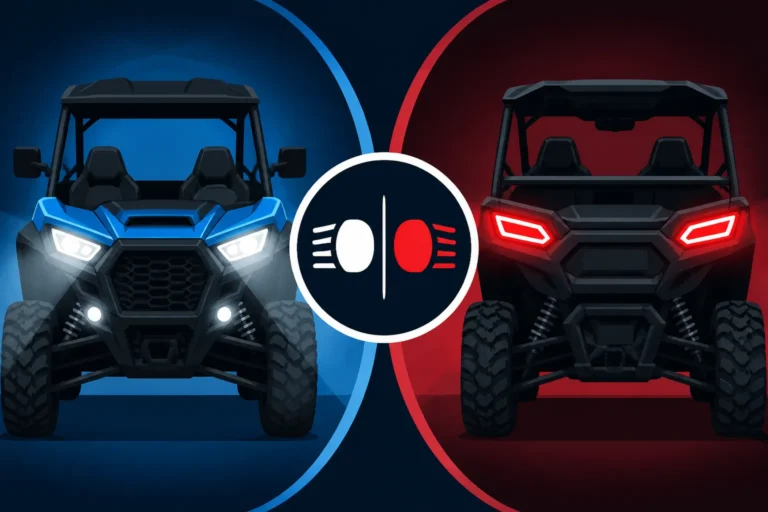
Always assume that Criminal Code offences apply wherever you operate your machine. This mindset will help you make better decisions. Attending a [BC ATV Safety Training Options] course can also enhance your understanding of safe and legal riding practices, further reducing your risk of dangerous operation. Knowing where you can ride, what gear you need – like making sure your SuperATV UTV has proper lighting for night riding – and who can ride with you are all crucial pieces of this puzzle.
Planning Your Ride Safely
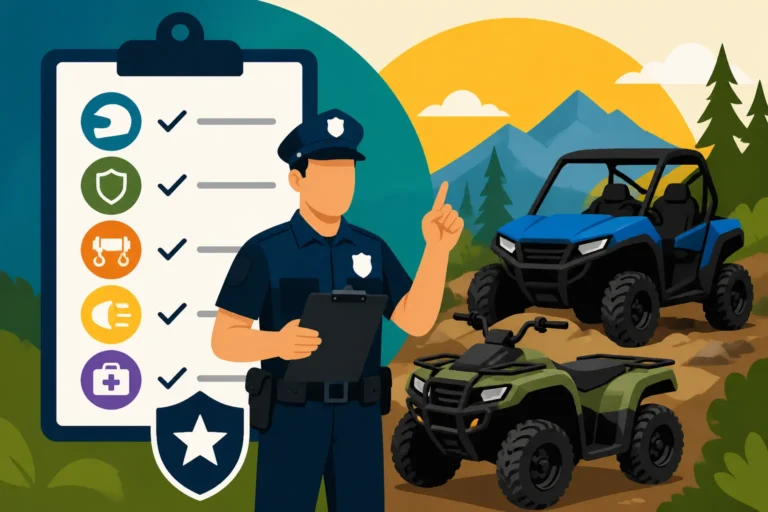
Every great ride starts with careful planning. Integrate legal considerations into your pre-ride checklist:
- Zero Impairment Policy: Absolutely no alcohol or drugs before or during your ride. Period. Designate a sober driver if you're heading to or from a location where alcohol might be consumed. The consequences are simply too high to risk.
- Ride Responsibly: Always operate your ATV in a safe and controlled manner. Match your speed and riding style to the terrain, visibility, and conditions. Be mindful of other trail users, wildlife, and potential hazards. [BC Helmet Law Covers Every Rider] – and other safety gear – are not just suggestions; they are critical components of responsible riding.
- Know Your Route: Understand the legal access points and restrictions for your chosen riding area. Respect private property and "no trespassing" signs. Avoid areas that are clearly unsafe or ecologically sensitive.
- Stay Equipped and Prepared: Ensure your ATV is in good working order. Carry essential tools, a first-aid kit, and communication devices. If you are exploring deeper into the backcountry, consider a satellite messenger, as cell service is often non-existent.
- Cooperate with Authorities: If you encounter an enforcement officer, remain calm, polite, and cooperative. Provide your identification, registration, and insurance information promptly. Never attempt to flee or obstruct an officer.
By being informed and intentional about your riding practices, you can enjoy the incredible freedom and exhilaration of off-roading in British Columbia without the life-altering shadow of a criminal record. Keep it fun, keep it safe, and keep it legal.
Disclaimer
This article is for general informational purposes only and does not constitute professional advice. Laws, prices and regulations vary by location and change over time. Consult a qualified professional for guidance on your specific situation.