Damaging Property With a Machine
It's a fear many of us have quietly tucked away in the back of our minds: what if, while out enjoying the incredible backcountry of British Columbia on our ATV or UTV, we accidentally damage someone's property? The thought of facing legal repercussions or having to foot a hefty bill can cast a shadow over an otherwise perfect ride. This guide is here to shed light on what constitutes property damage in the context of off-road riding in BC, the potential consequences, and most importantly, how to prevent these unfortunate incidents from ever happening.
What Counts as Property Damage? Beyond Just a Fence
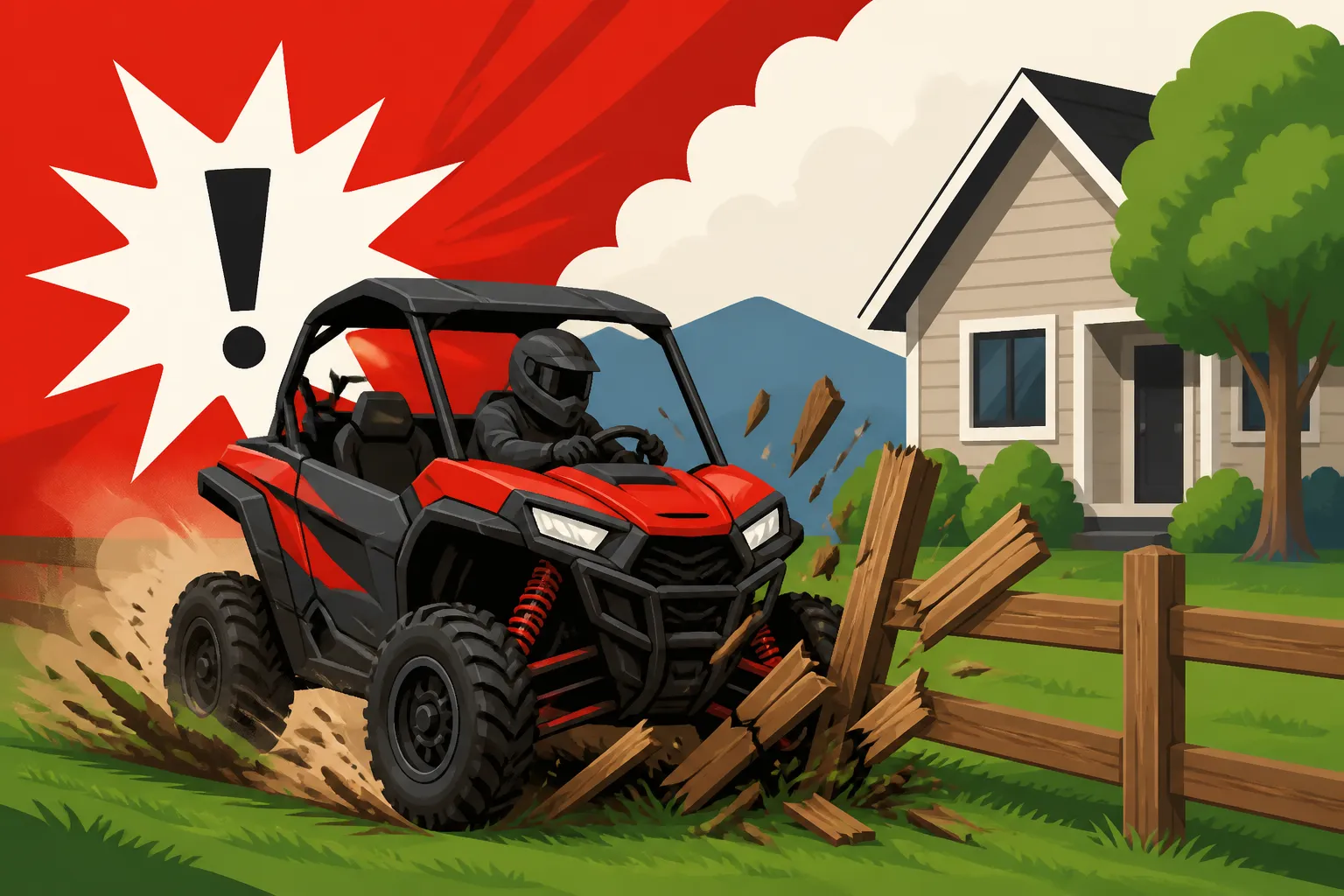
When we talk about property damage, many riders immediately picture a broken fence post or a flattened garden. And while those are certainly valid examples, the scope of what can be considered "damaging property" when you're out on your quad or side-by-side in BC is actually much broader. It's not just about physical structures; it can extend to natural resources, sensitive ecosystems, and even the livelihood of others. Understanding this wider definition is crucial for responsible riding.
Intentional vs. Accidental Damage
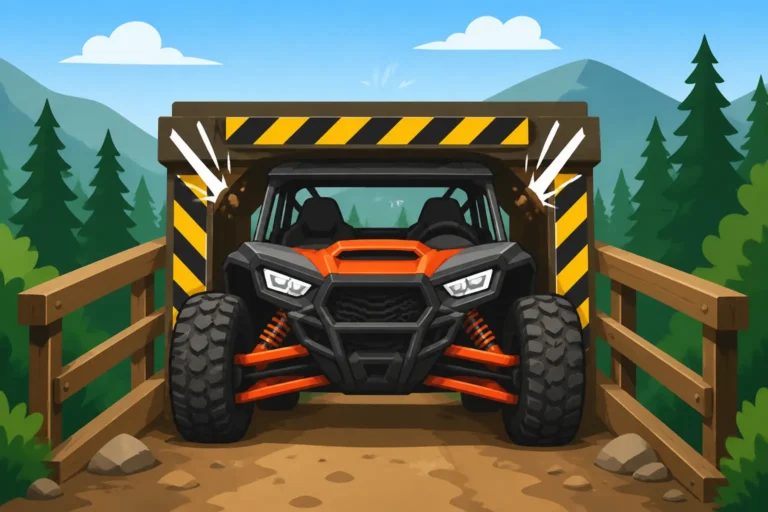
Let's face it, most of us are out there to have fun and explore, not to cause trouble. The vast majority of property damage incidents are accidental. Perhaps you misjudged a corner on a tight trail and clipped a small private sign, or you didn't realize that a faint track led onto leased agricultural land, resulting in rutting a field. These are genuine accidents, often stemming from a lack of clear signage or unfamiliarity with an area. However, even if unintentional, the responsibility for the damage still rests with the operator of the machine.
On the flip side, there's intentional damage – deliberately driving over a newly planted tree farm, cutting fences to gain access, or vandalizing signs. This is a much more serious matter, crossing into criminal territory with much harsher penalties. While we trust that most riders would never consider such actions, it's important to understand the legal distinction. The intent behind the damage can significantly influence the type and severity of charges or claims you might face. It's why maintaining clear boundaries, both physical and ethical, is so important when exploring.
Common Scenarios in BC's Backcountry
British Columbia's landscape is a patchwork of Crown land, private holdings, resource roads, and agricultural leases. This complexity means riders can inadvertently stray into areas where they shouldn't be. One of the most common scenarios involves agricultural land. Imagine following what looks like an old logging road, only for it to open up into a farmer's hayfield or pasture. Driving across such land can compact soil, damage crops, or disturb livestock, which directly impacts a farmer's income. Even if there's no visible fence, property lines are still very much real.
Another frequent issue arises around logging operations or active resource sites. Sometimes a main resource road can have side roads leading to equipment staging areas, newly planted cut blocks, or sensitive environmental zones. Driving into these areas can damage active equipment, disturb restoration efforts, or even interfere with ongoing work, creating safety hazards for industrial users. Even simple things like leaving ruts on a maintained gravel access road that is part of a lease can lead to issues. Similarly, damaging riparian areas – the land bordering streams and rivers – by riding through sensitive vegetation or causing erosion, can have environmental consequences that are also considered property damage under various regulations. Knowing when [BC Crown Land Triggers the Registration Rule] is helpful, but it's equally important to know where those rules intersect with private property or leased land.
The Legal and Financial Fallout
So, you've accidentally, or perhaps even unknowingly, caused some damage. What happens next? The legal and financial implications can range from a simple conversation and an agreement to repair, to significant fines, civil lawsuits, and even criminal charges. It's not just about replacing what was broken; it can also involve compensation for lost income or environmental remediation.
Who Is Liable for the Damage?
In most cases, the person operating the ATV or UTV at the time of the incident is held liable for the damage. This means if you're riding your friend's machine and cause damage, you, as the operator, are primarily responsible. However, the owner of the machine can also be held vicariously liable, meaning they could share some of the responsibility, especially if they knew you were an inexperienced rider or if the machine was unsafe. This is a critical point, especially when lending out your machine or letting a youth rider operate. The legal framework tends to trace responsibility back to those in control and ownership.
If the damage occurs on private property, the landowner has the right to pursue compensation for their losses. This could be through a direct agreement, or if that fails, through a civil court claim. For damage on Crown land or leased resource sites, various government ministries or leaseholders might initiate action, often involving fines under specific acts and regulations, in addition to demanding restitution for the damage itself. Understanding [BC Trespass Rules for Riders] is a good start, as often, property damage goes hand-in-hand with trespassing.
The Role of Insurance (or Lack Thereof)
This is where things get really important, and often, quite frustrating for riders. Unlike cars, where liability insurance is mandatory for road use, comprehensive liability insurance for ATVs and UTVs on Crown land in BC is often voluntary. Many riders choose basic third-party liability coverage, if any, for riding on recreational Crown land, and typically, it's a minimal amount. While [BC ATV Insurance Requirements] exist for certain situations, like riding on a Forest Service Road which requires $200,000 in third-party liability, this isn't universal for all Crown land or private property.
If you cause property damage and don't have adequate liability insurance, you could be personally responsible for all repair or replacement costs, along with any associated legal fees. Imagine accidentally driving through a very expensive, newly installed irrigation system on a private farm, or causing significant erosion that requires extensive environmental remediation. These costs can quickly escalate into the tens of thousands of dollars, a financial hit that most people aren't prepared for. While a product like a heavy-duty skid plate from SuperATV can protect your machine from damage, it won't protect you from the financial fallout of damaging someone else's property. Always carry [BC Insurance Proof on the Trail] and ensure your coverage is sufficient for where you ride. This is why considering higher liability coverage, even if voluntary for some areas, is a wise investment for any serious off-road enthusiast.
Penalties and Fines Under BC Law
Beyond civil claims for damages, there are specific penalties and fines that can be levied under various BC laws. The Off-Road Vehicle Act itself allows for fines related to operating an unregistered machine on Crown land or resource roads, and [BC Penalties for Riding Unregistered] can include fines that add up quickly. While not directly about property damage, operating illegally can certainly escalate issues if damage occurs. However, other acts are more directly relevant.
For instance, the Forest and Range Practices Act has provisions against damaging forest resources or unauthorized use of roads. The Wildlife Act can come into play if activities impact wildlife habitat or disturb livestock. If you're riding on [BC Resource Roads Count as Crown Land], specific regulations may apply. Fines can vary widely, from hundreds to thousands of dollars, depending on the severity of the damage, the type of property affected, and whether the action was intentional or negligent. In serious cases, particularly those involving significant environmental harm or repeated offenses, administrative penalties can be quite substantial, and court-imposed fines could be even higher. Plus, if damage is severe and clearly negligent or intentional, you could even face criminal charges under the Criminal Code of Canada for mischief or property damage, leading to potential jail time. You can also be ticketed for [BC Fines for Careless Operation], which can sometimes be a precursor to actual property damage.
Preventing Property Damage on Your Rides
The best way to deal with property damage is to prevent it from happening in the first place. With a bit of planning, awareness, and responsible riding practices, you can significantly reduce your risk and ensure your rides remain enjoyable and consequence-free. This isn't just about avoiding trouble; it's about being a respectful and sustainable user of BC's incredible outdoors.
Respecting Private Land Boundaries
This is perhaps the most critical aspect of prevention. Always assume that if an area isn't clearly marked as public Crown land or a designated ORV trail, it could be private property. Look for fences, "No Trespassing" signs, gates, and even changes in vegetation or land use patterns (like rows of crops or managed forests). While [BC Private Land and the Registration Question] notes that registration isn't required on private land with permission, it doesn't mean you can ride there without it. A simple map application on your phone that shows property lines can be a lifesaver. Many modern GPS units or apps designed for off-road use can layer property boundary data, allowing you to clearly see where Crown land ends and private land begins.
If you're unsure, turn around or find an alternative route. Never assume an unmarked trail is public. If you encounter a gate, even an open one, consider it a sign that you might be entering private or restricted access land and use extreme caution or avoid it entirely. Always remember that asking for permission from a landowner can prevent a lot of headaches, and it fosters good relationships within the riding community.
Best Practices for Riding on Crown Land and Resource Roads
Even on public lands, responsible practices are paramount. Stick to established trails and resource roads. While it can be tempting to forge your own path, leaving designated routes can cause significant environmental damage, especially to fragile ecosystems, riparian zones, or recently reforested areas. These actions, even on Crown land, can be considered damage to public property and carry penalties.
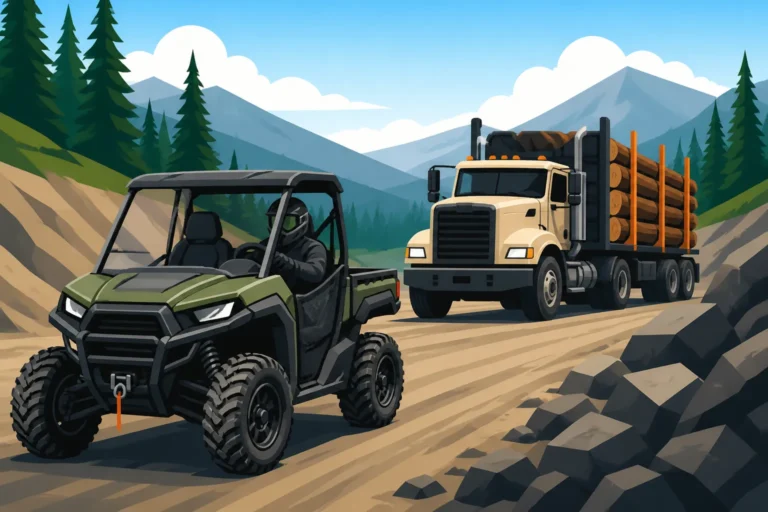
When on active resource roads, be incredibly mindful of industrial traffic. Logging trucks, excavators, and other heavy machinery always have the right of way. These roads are often leased by companies, and you're essentially a guest. Damage to their infrastructure, such as road surfaces, culverts, or signage, can lead to serious repercussions. [BC Rules for Riding a Forest Service Road] include requirements like specific insurance, which speaks to the potential for significant incidents. Slow down, be prepared to yield, and avoid creating dust clouds that reduce visibility for others. Proper maintenance of your machine, including a functioning spark arrestor, is also crucial to prevent wildfires, which can cause astronomical property damage. Organizations often post updates about road conditions and closures, so checking those resources before you head out is always a smart move.
Equipping Your Machine Responsibly
While we often think about modifications for performance or comfort, equipping your ATV or UTV with the right gear can also play a role in preventing property damage. For example, some riders add durable side mirrors or extended mirrors to their UTVs to get a better view of their machine's width, helping them avoid clipping trees or structures in tight spots. Investing in quality lighting systems can dramatically improve visibility, especially when riding in low light conditions or at night, allowing you to spot obstacles or property markers sooner.
Consider adding robust underbody protection like skid plates from a brand like SuperATV. While these primarily protect your machine, they can prevent accidental damage to the ground beneath you if you bottom out on a sensitive area or scrape against something inadvertently. Similarly, winches aren't just for getting yourself unstuck; they can be invaluable if you need to carefully maneuver a machine that's precariously close to an area you want to avoid damaging. Always ensure your tires are appropriate for the terrain to minimize rutting and erosion. Proper tire pressure for the terrain you're on can also help distribute weight more evenly and reduce your impact. Regularly checking [BC Equipment Checks by Conservation Officers] can give you an idea of what authorities look for in terms of responsible machine setup.
By understanding the full scope of what property damage entails, knowing the potential legal and financial consequences, and adopting a proactive approach to prevention, you can ensure your BC ATV and UTV adventures are not only thrilling but also respectful and responsible.
Disclaimer
This article is for general informational purposes only and does not constitute professional advice. Laws, prices and regulations vary by location and change over time. Consult a qualified professional for guidance on your specific situation.