BC Parking Lots for Loading and Unloading
One of the trickiest parts of enjoying BC's incredible off-road trails is figuring out where you can actually start your adventure. It's not always as simple as pulling into the nearest parking lot, dropping your ramps, and unloading your ATV or side-by-side. The rules around using parking lots for loading and unloading off-road vehicles (ORVs) in British Columbia can feel like a confusing maze, leaving many riders scratching their heads and worrying about fines. This guide will cut through the confusion, helping you understand the regulations and best practices for safely and legally using parking lots as staging areas for your ORV.
The Core Challenge: Navigating BC's ORV Rules for Parking Lots
When you’re geared up, trailer hitched, and ready to hit the trails, the last thing you want is a legal snag right at the start. Many riders assume that as long as they're not riding their ORV on pavement, they're in the clear. However, the act of loading and unloading, even for a few minutes, can fall into a surprisingly complex grey area, depending on whose property that parking lot belongs to and what local rules might be in play. It's a common frustration to see a perfect-looking spot only to realize it might be a ticket waiting to happen.
Why Parking Lots Aren't Always Simple Staging Areas
It’s easy to think of a parking lot as just a big, paved space. But legally, parking lots are extensions of the property they serve, whether it's a shopping centre, a municipal park, or a designated recreation site. This means the property owner or the governing authority often has specific rules about what activities are permitted, even if those rules aren't immediately obvious. The provincial Off-Road Vehicle Act primarily governs the operation of ORVs on Crown land and certain other areas, but it doesn't explicitly lay out rules for the staging process in all types of parking lots. This creates a vacuum that local bylaws, private property regulations, and common sense must fill, often leaving riders in a bind if they haven't done their homework. You might think you're being courteous by avoiding street use, but your actions in a parking lot could still be seen as a violation.
The Distinction Between Public and Private Property
Understanding who owns the parking lot is absolutely critical. Broadly speaking, parking lots fall into a few categories: publicly owned (like municipal parks, recreation sites, or government buildings), privately owned commercial (shopping malls, grocery stores, gas stations), or privately owned residential (apartment buildings, private driveways). Each of these comes with its own set of implicit or explicit rules. On public land, especially those managed for recreation, you might find designated staging areas explicitly allowing ORV loading and unloading. However, municipal parking lots, while public, might have bylaws restricting noise, exhaust, or the staging of recreational vehicles. On private commercial property, you are essentially a guest, and the owner has the right to dictate what activities are permitted. Unauthorized staging could be considered trespassing or a nuisance, leading to an unwanted confrontation or even a bylaw infraction. Even a quick stop to rearrange gear could lead to issues if you're not on property that permits ORV activity. It's not just about [BC Police Operation Permits for Highway Travel] – it's about basic property rights.
Legal Framework: What the BC Off-Road Vehicle Act Says (and Doesn't Say)
The British Columbia Off-Road Vehicle Act, which became mandatory for registration in 2015, is the provincial backbone for ORV regulation. It was a huge step forward in bringing clarity to how we ride our machines in this province. However, like many pieces of legislation, it focuses primarily on the operation of off-road vehicles once they are off the pavement and onto trails, Crown land, or designated riding areas. This means it doesn't always provide explicit instructions for every scenario, especially when it comes to the logistics of getting your machine to those riding areas.
ORV Act's Focus on Operation, Not Staging
The core purpose of the BC Off-Road Vehicle Act is to regulate how and where ORVs are ridden, to ensure safety, environmental protection, and responsible use. It outlines requirements for [BC ORV Registration You Pay Once], mandates the carrying of a [BC Riders Must Carry the Certificate] and photo ID, and details rules for riding on [BC Crown Land Triggers the Registration Rule] and [BC Forest Service Road Rules for ORVs]. It specifies things like helmet use, youth rider rules, and insurance requirements for certain areas. What it doesn't typically do is dictate the precise rules for loading your machine onto a trailer in a specific parking lot, or for unloading it to begin your ride. This absence of specific wording can be both a blessing and a curse. It means there isn't a blanket provincial ban on loading/unloading in most parking lots, but it also means that the decision often falls to other levels of government or private property owners. This can make planning your trip a bit more complicated than just knowing [Do You Need to Register an ATV in BC?].
The Grey Areas and Local Bylaws
Because the provincial ORV Act doesn't provide explicit guidelines for loading and unloading in all types of parking lots, these situations often fall into what we call "grey areas." This is where municipal bylaws, park regulations, or private property rules step in. For example, a municipality might have bylaws prohibiting excessive noise, vehicle idling, or the operation of any unregistered vehicle within town limits. Even if your ORV is registered, the noise generated by starting it up or the exhaust fumes while idling could violate a local bylaw, especially if you're in a residential area or a busy commercial zone. Similarly, a regional park might have rules specifically banning motorized vehicle activity in their parking lots, even if those lots are technically public. It's crucial to remember that local bylaws can and do exist, and they can vary wildly from one community to the next. What's perfectly acceptable in a rural staging area might get you a ticket in a bustling urban centre. Always check with the local municipality or park authority if you're unsure.
Types of Parking Lots and Their Rules for ORV Loading/Unloading
Knowing the different categories of parking lots is key to understanding where you can safely and legally load and unload your ORV in BC. Each type comes with its own set of expectations and regulations, and a little forethought can save you a lot of grief.
Public Staging Areas and Recreation Sites
These are your best friends as an ORV rider. Many areas near popular riding trails, especially those on Crown land or within managed recreation sites, have designated staging areas specifically designed for trailers and ORV unloading. These spots are often clearly marked, featuring large parking spaces, sometimes even washrooms or kiosks with trail information. Examples include parts of [Bear Creek OHV: BC's Largest Recreation Site] near Kelowna, or various recreation sites managed by Recreation Sites and Trails BC. At these locations, not only is loading and unloading permitted, it's encouraged! They are built for the purpose of getting your machine off your trailer and onto the dirt. These spots are usually adjacent to or a very short distance from the trails themselves, minimizing any need for road travel. Using these designated areas is the safest, most legal, and most respectful way to start your ride, ensuring you're not encroaching on private property or bothering other users.
Municipal Parking Lots and Bylaw Restrictions
This category is where things can get tricky. Municipal parking lots—the ones you find in town centres, at community parks, or near civic buildings—are publicly owned, but they are governed by local bylaws that might not be ORV-friendly. While you might be able to park your truck and trailer there, the act of operating an ORV (even just to drive it off your trailer) could be prohibited. Many municipalities have bylaws regarding noise, idling, exhaust emissions, or the operation of vehicles not intended for highway use within certain zones. Imagine trying to unload a loud quad in a quiet parkade or a busy shopping district – it’s not hard to see why residents might complain, leading to bylaw enforcement. Before you consider using a municipal lot, especially in a more urbanized area, it's always best to check the local municipal website for parking regulations or specific bylaws concerning off-road vehicles. Failure to do so could result in a bylaw infraction and a fine. Remember that while [BC Forest Service Road Rules for ORVs] are clearly laid out, urban parking rules are a different beast.
Private Commercial Parking Lots (Malls, Stores, Gas Stations)
Using private commercial parking lots, such as those at shopping malls, grocery stores, or gas stations, for ORV staging is generally discouraged and often prohibited. While these lots might seem convenient due to their size and accessibility, they are private property. The owners have the right to set their own rules about activities that take place on their land. Unloading an ORV, especially a large side-by-side, can take up considerable space, create noise, and potentially disrupt other customers or traffic flow. More importantly, it can pose a liability risk for the property owner if something goes wrong during the process. If you must use such a lot (for example, for a quick fuel stop before heading to a dedicated staging area), aim to be as discreet and swift as possible, and ensure you're not blocking access or causing a disturbance. It's always best practice to seek permission from the business owner or management beforehand if you intend to do anything more than simply park and shop. Otherwise, you risk being asked to leave, or worse, being reported for trespassing. Just like you wouldn't expect to ride on [BC Private Land and the Registration Question] without permission, you shouldn't assume it's okay to stage on private commercial property.
Provincial Parks and Protected Areas
Provincial parks and other protected areas in British Columbia are generally not suitable for ORV staging or riding, and often have strict regulations against motorized recreational vehicles. Many provincial parks are established to protect ecological integrity, provide opportunities for non-motorized recreation, and preserve wilderness values. As such, ORV activity, including loading and unloading, is typically prohibited within park boundaries, except in very specific, rare instances where a designated trail might pass through or a staging area is explicitly provided (which is uncommon for ORVs). The overarching principle here is conservation and the protection of natural spaces from the impacts of motorized vehicles. Always check the specific park's regulations before you even consider entering with an ORV. A quick look at a park's website or management plan will usually clarify their stance. Trying to stage in a provincial park could easily lead to a significant fine or even seizure of your machine under park bylaws. This is definitely one of those [BC Motor Vehicle Closed Areas] you need to be aware of.
Best Practices for Safe and Respectful Loading and Unloading
No matter where you choose to load or unload your ORV, doing so safely and respectfully is paramount. These practices not only protect you and your machine but also ensure you're not creating issues for others or the environment. It’s all about being a good neighbour and a responsible rider.
Safety First: Securing Your Machine and Avoiding Hazards
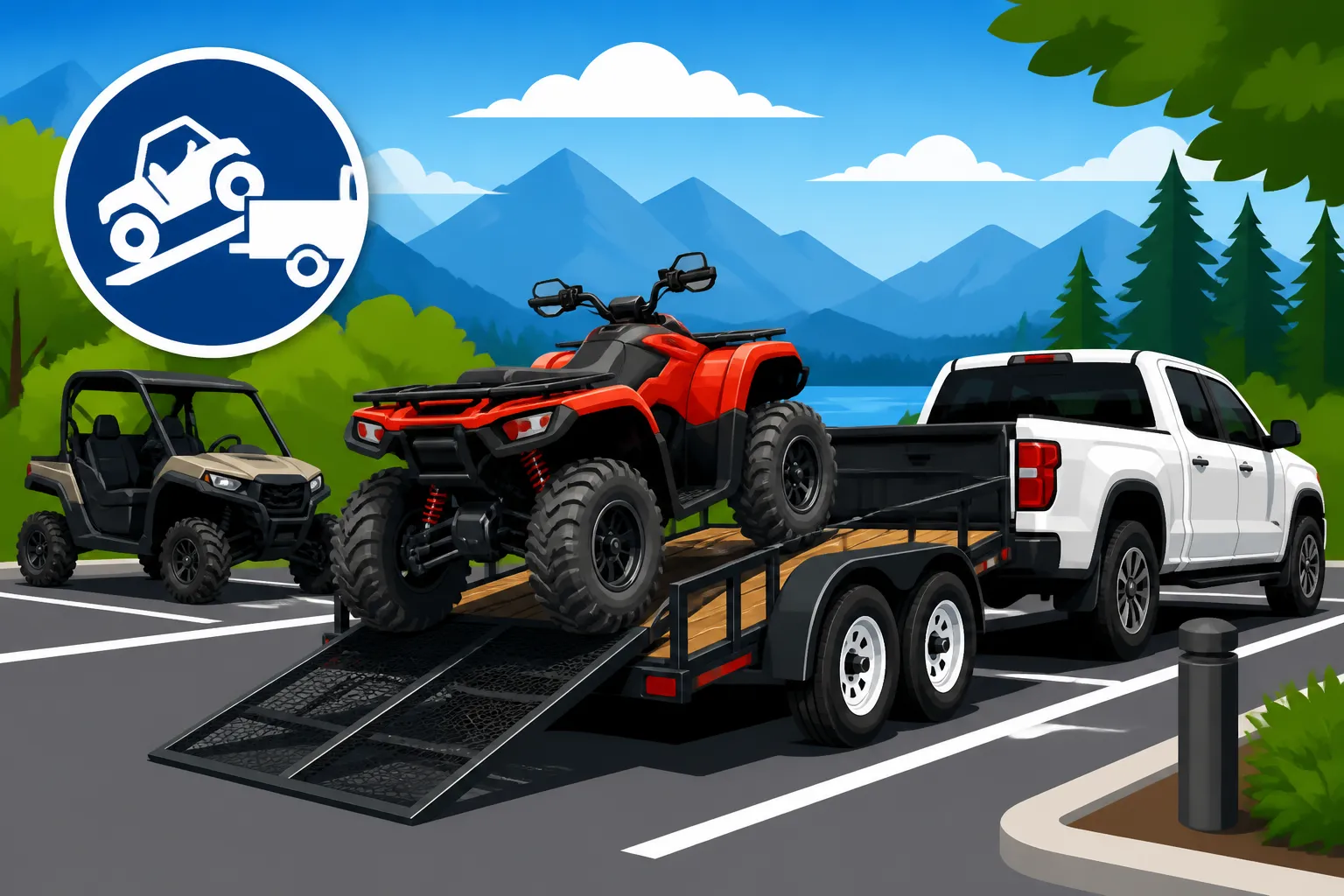
Loading and unloading an ORV, especially a heavy side-by-side, carries inherent risks. Ramps can slip, machines can roll, and injuries can happen fast. Always prioritize safety:
- Flat Ground: Choose a level, stable surface for loading and unloading. Avoid inclines, soft ground, or slippery spots.
- Secure Ramps: Use appropriate, sturdy ramps designed for your machine's weight. Ensure they are securely fastened to your trailer or truck bed to prevent slipping. Many riders swear by quality ramps that feature a non-slip surface and locking mechanisms. SuperATV offers various ramp styles and accessories designed for secure loading, from arched ramps that provide better clearance to heavy-duty options for larger UTVs.
- Clear Area: Ensure the area around your ramps and machine is clear of people, pets, and obstacles. Keep children and bystanders at a safe distance.
- Engage Brakes: Once your ORV is on the trailer, engage the parking brake immediately.
- Proper Tie-Downs: Use strong, rated tie-down straps (ratchet straps are highly recommended) to secure your ORV to the trailer. Attach them to sturdy points on the machine's frame and the trailer's anchor points. Rock the machine to ensure it's tight before driving. Loose tie-downs are a recipe for disaster on the road.
- Lower Jack: If using a trailer, ensure the tongue jack is fully lowered or removed, and the trailer is properly hitched.
- Personal Protective Equipment: Even for a short movement, wearing a helmet and appropriate footwear is a good idea when moving your ORV on or off the trailer, especially if you're alone.
Minimizing Impact and Maintaining Etiquette
Being a responsible ORV enthusiast means more than just following the law; it means being considerate of others and the environment.
- Noise Control: ORVs can be loud, especially when starting up or idling. Try to minimize noise by performing your loading/unloading quickly and efficiently, particularly if you are in or near residential or commercial areas. Avoid excessive revving.
- Exhaust Emissions: Be mindful of exhaust fumes, especially in enclosed or poorly ventilated areas, or near people. Don't idle your machine unnecessarily.
- Mud and Debris: Try to clean off excessive mud or debris from your machine before loading it onto your trailer, if possible. This prevents leaving a mess in parking lots, which can be an annoyance to others and contribute to environmental concerns if washed into storm drains. Nobody likes tracking mud into public spaces.
- Space Awareness: Be aware of the space you're taking up. Try to pick a spot that doesn't obstruct other parking spots, traffic flow, or pedestrian walkways. If you have a large truck and trailer, use the furthest available spots to avoid inconveniencing others.
- Waste Disposal: Pack out everything you pack in. Don't leave any trash or broken parts behind in the parking lot or staging area. Keep the area cleaner than you found it.
Planning Your Route and Staging Location
The best way to avoid problems is to plan ahead. Don't just show up and hope for the best.
- Research Staging Areas: Before you leave home, identify designated ORV staging areas near your intended riding spot. Online maps, local tourism websites, and ORV club forums are excellent resources for this. Look for specific keywords like "OHV staging area," "ATV access point," or "recreation site."
- Check Local Bylaws: If you plan to use a parking lot within a community, a quick call to the municipal office or a check of their website can clarify any specific bylaws that might apply to ORVs or trailers.
- Consider Private Land with Permission: If you know someone with private land near your riding area, asking for permission to use their property as a staging point can be a great option. Always get explicit permission first.
- Fuel Up Early: Plan to fuel up at a gas station with ample truck and trailer parking before you reach your final staging area, to avoid needing to take up space in a busy commercial lot solely for fuel and then immediately unloading. This also gives you the chance to grab any last-minute supplies.
- Know Your Trails: Once you're unloaded, remember the rules for where you're riding. Review [BC Forest Service Road Requirements] and [BC Crown Land Riding Explained] to ensure you're compliant with all operational rules once you leave the parking lot.
Penalties and Consequences of Improper Parking Lot Use
Ignoring the rules, whether they are provincial, municipal, or private property regulations, can lead to a range of unpleasant and costly consequences. What might seem like a minor oversight could escalate into a significant headache, impacting your wallet and your future riding privileges.
Tickets, Fines, and Bylaw Infractions
The most immediate consequence of improper parking lot use is typically a ticket or fine. These can come from several sources:
- Municipal Bylaw Officers: If you're causing a nuisance, violating noise ordinances, or operating an ORV where prohibited in a municipal lot, bylaw officers can issue tickets. These fines vary by municipality and the specific infraction but can quickly add up. For example, some cities have strict idling bylaws that could apply to an ORV being started or moved.
- Police (RCMP or Local Police): While less common for simple loading/unloading, police can intervene if your actions are seen as dangerous, reckless, or if they constitute a breach of the peace. They might also enforce provincial statutes if your actions somehow cross into highway use without proper [BC Operation Permit Application Steps] or cause traffic issues.
- Park Rangers/Conservation Officers: In provincial parks or protected areas, park rangers or conservation officers have the authority to issue fines for violations of park regulations, which almost always prohibit ORV activity. These fines can be substantial, often more so than typical municipal bylaw infractions, reflecting the ecological importance of these areas.
- Trespassing Charges: If you repeatedly ignore requests to leave private commercial property, or if your actions are deemed particularly egregious, property owners could pursue trespassing charges. While less common for a simple staging mistake, it's a possibility if you're creating a significant disturbance or damage.
Remember, a fine is not just a one-time cost; it can also be a blight on your record, potentially leading to more scrutiny in the future.
Property Damage and Liability Concerns
Beyond fines, there are significant liability risks associated with improper ORV staging.
- Damage to Property: When maneuvering an ORV on ramps or moving it around, there's always a risk of damaging the parking lot surface, curbs, landscaping, or even other vehicles. Driving a heavy machine across grass or delicate paving could lead to ruts or cracks. If you cause damage, you will be held responsible for the repair costs, which can be considerable.
- Personal Injury: Accidents during loading and unloading are not uncommon. If you or someone else is injured due to improper procedures, unsecured ramps, or a runaway machine, the liability could fall on you. This is why following all safety protocols is critical.
- Third-Party Liability: If your ORV, while being loaded or unloaded, causes injury or damage to a third party (e.g., another parked car, a pedestrian), you could be held liable. This is where your insurance comes into play, but some policies might not cover incidents that occur on private property without permission or during activities outside of normal operation. While [BC ATV Insurance Requirements] cover you for riding, confirm what your policy covers for staging incidents.
- Increased Scrutiny: A single incident of careless staging can lead to negative public perception of ORV riders as a whole, potentially resulting in stricter regulations or outright bans in certain areas, making it harder for everyone to enjoy the sport responsibly.
The bottom line is that taking shortcuts or assuming "no one will notice" when it comes to ORV staging can lead to costly and stressful outcomes. Always err on the side of caution, research your staging options, and operate your machine with the utmost care and respect for property and people.
Parking Lot Types and ORV Staging Considerations
To help you quickly assess the suitability of different parking lots for loading and unloading your ORV, here's a handy guide.
| Parking Lot Type | ORV Staging Permitted? | Common Considerations / Risks | Best Practice |
|---|---|---|---|
| Designated ORV Staging Area | Yes (Explicitly) | Typically none, designed for this purpose. | Always use these when available. |
| Recreation Site Parking | Often Yes | Check signage; some sites might have specific rules or closures. | Look for explicit ORV-friendly signs. |
| Municipal Park Parking Lot | Rarely, with caution | Local bylaws (noise, idling, non-highway vehicles), public impact. | Check municipal bylaws; avoid if possible; be quick and quiet. |
| Private Commercial Parking | No (Implicitly) | Trespassing, liability, disruption to business/customers, damage. | Avoid unless explicit permission is granted by management. |
| Provincial Park Parking Lot | No (Generally) | Strict park regulations, conservation focus, significant fines. | Absolutely avoid. These areas are usually protected from ORV use. |
| Rural Roadside Pull-off | Sometimes, with caution | Safety (traffic), soft shoulders, private property proximity. | Ensure safe distance from traffic, firm ground, not private land. |
Disclaimer
This article is for general informational purposes only and does not constitute professional advice. Laws, prices and regulations vary by location and change over time. Consult a qualified professional for guidance on your specific situation.