BC Passengers and Manufacturer Size Rules
Few things can be as confusing and frankly, frustrating, for ATV and UTV enthusiasts in British Columbia as understanding who can ride with you and where they can sit. We all want to share the adventure of exploring BC's incredible backcountry, but when you pile a loved one onto your machine, you're suddenly grappling with manufacturer recommendations, provincial laws, and a healthy dose of worry. This guide is here to untangle those rules, particularly around passengers and those all-important manufacturer size guidelines, so you can ride with confidence and peace of mind.
Why Manufacturer Guidelines Matter So Much
When you invest in an off-road vehicle (ORV), whether it's an ATV or a side-by-side, it comes with a set of guidelines from the folks who built it. These aren't just suggestions; they're the result of extensive engineering, testing, and a deep understanding of what the machine is designed to do safely. Ignoring these guidelines isn't just risky, it can have serious consequences for your safety, your passengers' well-being, and even your ability to stay on the right side of the law.
The Engineering Behind Seating Capacity
Think about it: an ATV or UTV isn't just thrown together. Every component, from the suspension system to the frame, is engineered to handle specific loads and forces. When a manufacturer states a machine is designed for "one rider," it means the balance, suspension, and overall stability are calibrated for a single person's weight distributed in a particular way. Adding a passenger to a single-rider ATV completely alters that dynamic. The center of gravity shifts, the suspension can bottom out, and the steering and braking characteristics change dramatically. This isn't just about comfort; it's about fundamental physics and how the machine will respond in various terrains and situations, especially when you need to react quickly.
For side-by-sides, the engineering takes into account multiple occupants. You'll notice designated seats, often with seatbelts and roll-over protection systems (ROPS), built directly into the frame. These features are integral to the machine's design and are there to offer a level of protection and stability that a solo ATV simply cannot provide for more than one person. The manufacturer has thought about how multiple passengers will sit, how their weight will affect handling, and how to keep them secure in diverse riding conditions.
Understanding Weight Limits and Stability
Every ORV has a Gross Vehicle Weight Rating (GVWR) and often specific load capacities for cargo racks and passenger seats. These aren't arbitrary numbers; they are the maximum safe operating weights determined by the manufacturer. Exceeding these limits, even by a small amount, can severely compromise the machine's stability, braking performance, and overall handling. Imagine trying to stop a fully loaded side-by-side going downhill with more weight than it's designed for – the consequences can be dire.
For ATVs, adding a passenger means you're almost certainly exceeding the intended weight distribution and potentially the overall weight limit. This makes the ATV top-heavy and far more prone to rollovers, especially on uneven terrain, during turns, or when climbing and descending hills. The stability you rely on for confident riding is suddenly gone, and the machine becomes unpredictable. The manufacturer has also designed for specific [BC Manufacturer Age and Weight Guidance] for operators, and this extends to how a machine handles additional load.
Liability and Your Manufacturer's Stance
Beyond the immediate safety concerns, there's the very real issue of liability. If an incident occurs while you're operating your ORV outside of the manufacturer's guidelines – for example, with an extra passenger on a single-rider ATV – you could face significant legal and insurance complications. Your insurance policy might have clauses that invalidate coverage if you're operating the vehicle in a manner inconsistent with its intended design or manufacturer recommendations. This is a critical point that many riders overlook until it's too late.
Manufacturers explicitly state their recommendations for a reason: to protect both you and themselves. By adhering to their guidelines, you're not just being safe; you're also protecting yourself from potential legal battles or financial burdens should an accident occur. It's easy to think "it won't happen to me," but the backcountry can be unforgiving, and a momentary lapse in judgment or an unexpected obstacle can quickly turn a fun ride into a serious situation.
Navigating BC's Rules for Passengers on ORVs
British Columbia's Off-Road Vehicle Act and its associated regulations provide clear guidance on who can ride where. These rules are in place to enhance safety and prevent preventable accidents. While it might sometimes feel restrictive, especially if you're used to a more casual approach, understanding and following these provincial mandates is non-negotiable for any ORV operator in BC. Getting it wrong can lead to fines, and more importantly, put your passengers at risk.
The General Rule: One Rider, One Seat
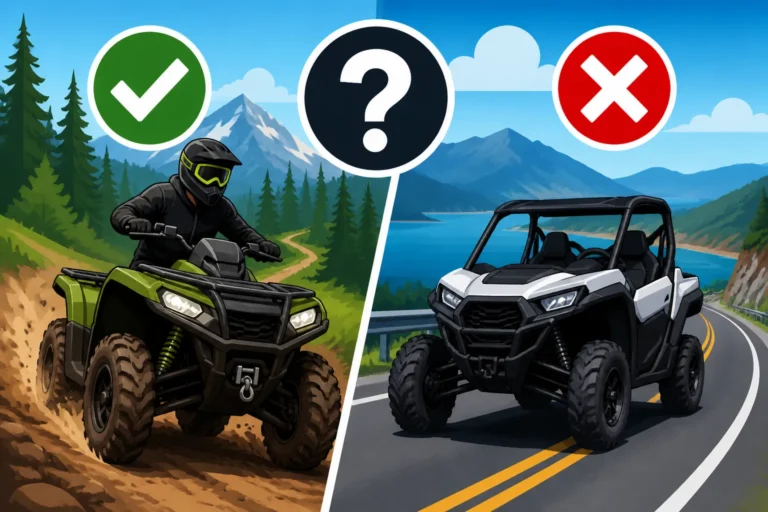
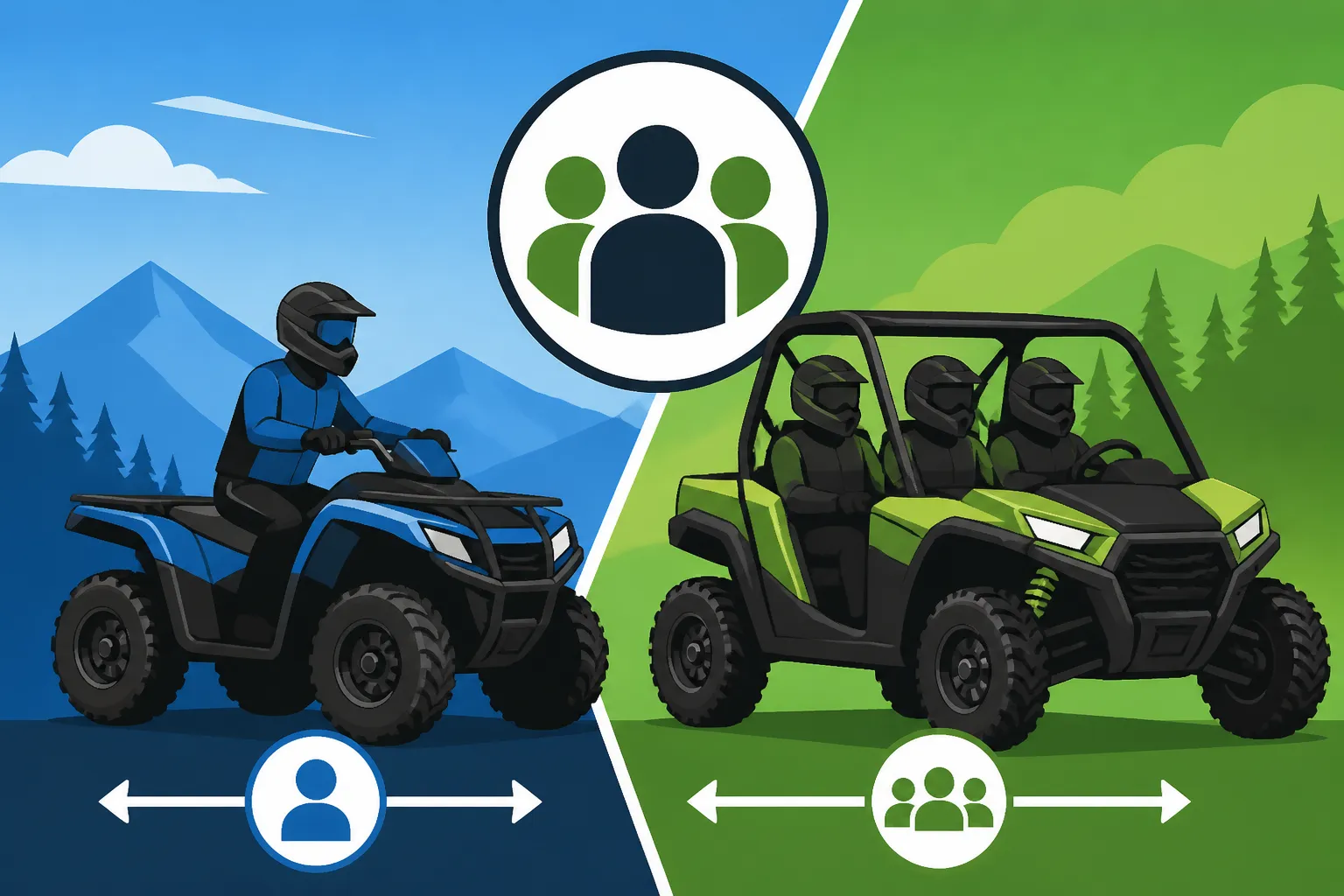
The fundamental principle in BC, reflecting manufacturer intent, is that an off-road vehicle is designed for one operator per designated seating position. For most traditional ATVs, this means one rider only. These machines are engineered for dynamic riding, where the operator shifts their weight and body position constantly to maintain balance and control over varied terrain. A passenger disrupts this critical ability, making the ATV unstable and incredibly difficult to control safely. The idea of a passenger sitting behind you on a typical ATV, sometimes called a "ride-astride" machine, is generally prohibited.
The BC regulations are quite specific on this. They mandate that an ORV must not carry more passengers than it was designed and equipped by the manufacturer to carry. For ATVs, which are predominantly single-rider machines, this means no passengers. Trying to squeeze a child between you and the handlebars, or having someone sit on the rear rack, is not only against the rules but extremely dangerous. The risk of being thrown off, losing control, or sustaining serious injury from even a minor bump or turn is significantly elevated.
When Passengers ARE Allowed: Side-by-Sides and Designated Seats
This is where side-by-sides (SxSs) truly shine, as they are specifically designed to accommodate multiple passengers. Unlike ATVs, SxSs have bucket seats or bench seats, seatbelts, and typically a roll cage, all built to securely hold occupants. If your side-by-side has two designated seats with seatbelts, you can carry one passenger. If it has four seats, you can carry three passengers, and so on, up to the manufacturer's stated capacity. This is consistent with [BC Rules for Riding a Side-by-Side].
The key here is "designated seat" and manufacturer design. A seat explicitly built into the vehicle for passenger use, complete with safety restraints, is what qualifies. You cannot simply add a milk crate or a padded box to the back of your side-by-side and call it a "seat." The vehicle's registration and its original design specifications will dictate its passenger capacity. When you're looking at aftermarket accessories, make sure they adhere to these principles and don't compromise the vehicle's integrity. Companies like SuperATV offer a range of accessories for side-by-sides, but always ensure any modification for passengers is compliant with both manufacturer and provincial regulations.
Understanding "Ride-Astride" Versus "Sit-In" Machines
The distinction between "ride-astride" and "sit-in" machines is crucial in BC's ORV regulations, especially when it comes to passengers.
-
Ride-Astride Machines: These are typically ATVs where the operator straddles the engine and seat, much like a motorcycle. As mentioned, these machines are almost exclusively designed for a single operator. The dynamic nature of riding an ATV requires the operator to shift their body weight continuously, using their legs and core to maintain balance and control. Adding a passenger on a [BC Helmets on Ride-Astride Machines] machine makes this almost impossible, dramatically increasing the risk of rollovers and loss of control. The BC regulations generally prohibit carrying passengers on these types of ORVs.
-
Sit-In Machines: This category primarily includes side-by-sides (UTVs). On these vehicles, the operator and passengers sit in the vehicle, often in bucket seats or on a bench, and are secured by seatbelts. The design incorporates a roll-over protection structure (ROPS) and provides a more stable platform for multiple occupants. Because passengers are seated securely within the machine's frame, they don't interfere with the operator's ability to control the vehicle in the same way a passenger on a ride-astride machine would. This is why side-by-sides are the preferred choice for family outings or group rides where multiple people need to be transported. When you see discussions about [BC Rules for Passengers on a Quad], it's important to remember "quad" often implies a ride-astride machine, which generally means no passengers.
It's vital for riders to understand this distinction. Attempting to carry a passenger on a machine not designed for it, regardless of your skill level, is a recipe for disaster and can lead to significant penalties if caught by enforcement officers.
Special Considerations for Young Riders and Child Passengers
The allure of off-roading often starts young, with kids eager to join in the adventure. However, when it comes to children, BC has specific rules that are even stricter than those for adults, recognizing their vulnerability and the unique risks involved. As a parent or guardian, it's your responsibility to know and follow these guidelines meticulously. The safety of a child on an ORV should always be your absolute top priority.
Age-Appropriate Machines for Young Operators
Before even considering a passenger, we need to talk about young operators themselves. BC has clear guidelines on who can operate an ORV and what kind of machine they can operate based on their age. Children under the age of 16 are generally restricted to smaller, lower-powered machines that are appropriate for their age, weight, and development. For instance, a 12-year-old would not be permitted to operate a full-sized ATV. These rules are designed to prevent children from operating vehicles beyond their physical and cognitive capabilities, which could lead to serious accidents.
Parents often face the challenge of finding the right balance between giving their child an enjoyable experience and ensuring their safety. It's crucial to consult the manufacturer's age recommendations for specific models. Many youth-model ATVs are designed to limit speed and power, making them safer for younger hands. However, even on these machines, strict supervision is always required. Ignoring these age-appropriate guidelines can have tragic consequences, and legally, you could be held responsible for any incident that occurs.
Carrying Child Passengers: What the Law Says
This is where a lot of confusion, and frankly, some dangerous practices, come into play. In BC, a child operator (under 16) is specifically prohibited from carrying a passenger on an ORV. Period. No exceptions. This rule is absolute and reflects the fact that a child's focus and skill level are still developing; adding the responsibility of a passenger would be an undue burden and a significant safety risk. So, if your 14-year-old is proudly operating their youth quad, they must be riding solo. This is clearly outlined in [BC Child Operators Cannot Carry Passengers].
What about an adult carrying a child passenger?
- On a ride-astride ATV: Generally, no. As established, most ATVs are single-rider machines. Even if an adult is operating, adding a child to a machine not designed for two creates the same stability and control issues as adding an adult passenger. It's unsafe and against the spirit of the law. There might be some very specific "two-up" ATV models, but these are rare and explicitly designed for dual riders with a dedicated passenger seat and handholds. Always check the manufacturer's explicit designation.
- On a side-by-side (UTV): Yes, if there are designated seats with appropriate safety restraints (seatbelts) and the child meets any manufacturer-specified height or weight requirements for that seating position. This is the safest and only legally sanctioned way to carry a child passenger on an ORV in BC. Just like adults, children must use the provided seatbelts, and if they are too small to properly fit the seatbelt, they might need an appropriate booster or car seat, provided it can be safely secured and doesn't interfere with the vehicle's operation. [BC Rules for a Child Passenger] emphasizes these points.
The Role of the Supervising Adult
For any child operating an ORV under the age of 16, a supervising adult is mandatory. This isn't just about being present; it's about active supervision. The supervising adult must be at least 19 years old and must be capable of giving immediate direction to the child operator. This usually means riding in close proximity, either on another ORV or in a side-by-side that can keep up, ensuring the child is always in clear view. [BC Rules for a Supervising Adult] delves into these requirements.
The supervising adult is legally responsible for ensuring the child follows all ORV rules, including wearing appropriate safety gear (like a helmet), riding an age-appropriate machine, and not carrying passengers. This role is critical; it's not simply a spectator position. In the event of an incident involving a child operator, the actions (or inactions) of the supervising adult will be closely examined. This is why understanding [BC Rules for a 14-Year-Old Rider] or [BC Rules for a Child Under 16] is paramount for any adult who takes children out riding.
Table: Passenger Rules Summary for BC ORVs
| Feature/Rule | Traditional ATV (Ride-Astride, e.g., Quad) | Side-by-Side (UTV, e.g., SxS) |
|---|---|---|
| Designed Capacity | Generally 1 operator | 2, 3, 4, or 6 passengers (per design) |
| Adult Passengers Allowed | No (unless explicitly "two-up" model) | Yes, in designated seats with seatbelts |
| Child Passengers Allowed | No (unless explicitly "two-up" model) | Yes, in designated seats with seatbelts, respecting manufacturer/fit guidelines |
| Child Operator Carrying Passenger | Absolutely Not | Absolutely Not |
| Typical Safety Gear | Helmet, eye protection, gloves, boots | Helmet (sometimes), seatbelt, eye protection, gloves, boots |
| Primary Safety Feature | Operator skill, balance, weight shifting | ROPS (Roll-Over Protection Structure), seatbelts, stability |
| BC Legal Stance | Prohibits passengers (unless designated) | Allows passengers in designated seats |
Gear and Safety: Protecting Everyone On Board
Beyond the legalities, our number one priority when heading out on BC's trails is always safety. Carrying passengers, especially children, adds another layer of responsibility that demands extra attention to safety gear, vehicle condition, and proper riding practices. It's not enough to just follow the rules; you need to embrace a safety-first mindset for every single ride.
Essential Safety Gear for All Passengers
Just like the operator, every passenger on an ORV needs proper safety gear. This isn't just about compliance; it's about preventing injuries.
- Helmets: This is non-negotiable in BC. The law states that anyone riding a ride-astride ORV must wear an approved helmet. For side-by-sides, while some enclosed cabs might offer a sense of security, a helmet is still highly recommended, especially on rough terrain where heads can bump against the ROPS. [BC Helmet Law Covers Every Rider] makes this clear. Ensure the helmet fits snugly, is properly fastened, and meets recognized safety standards (e.g., DOT, Snell). Ill-fitting helmets are practically useless.
- Eye Protection: Goggles or a helmet with a face shield are critical to protect against dust, branches, insects, and flying debris. Even a small piece of gravel can cause a severe eye injury.
- Gloves: Gloves protect hands from scrapes, blisters, and improve grip on handlebars or grab handles, especially during longer rides.
- Long Pants and Long-Sleeved Shirt: These protect skin from scratches, sun exposure, and provide a layer of insulation against minor impacts. Durable materials like denim or specialized riding gear are best.
- Over-the-Ankle Boots: Sturdy boots with good ankle support are essential to protect feet and ankles from impacts, crushing, or getting caught in moving parts. Open-toed shoes or sandals are an absolute no-go.
It's a common mistake to think passengers, especially in a side-by-side with a roll cage, need less protection. However, impacts and sudden stops can still cause significant injury, making full protective gear vital for everyone on board.
Modifications and Aftermarket Accessories
The aftermarket industry for ORVs is vast, offering everything from lift kits to enhanced suspension and storage solutions. While many of these can genuinely improve your riding experience, any modification that affects the machine's structural integrity, weight distribution, or safety systems needs careful consideration. If you're considering adding a "rumble seat" to an ATV not designed for passengers, for instance, you're not just voiding manufacturer warranties; you're creating a hazardous situation that is almost certainly illegal in BC.
For side-by-sides, accessories like additional seating rows or upgraded harness systems should always be from reputable manufacturers, installed correctly, and designed specifically for your vehicle's make and model. Companies like SuperATV offer robust components, but even with high-quality parts, always ensure modifications don't compromise the original safety features or exceed the vehicle's engineered limits. If a modification changes the vehicle's passenger capacity, ensure it still complies with BC's ORV regulations. Remember, adding aftermarket seatbelts or a new seat doesn't automatically make an ATV safe for two if the manufacturer never intended it.
Pre-Ride Checks and Passenger Briefings
Before every ride, especially when carrying passengers, conduct a thorough pre-ride check. This should include:
- Tires: Check pressure and tread condition.
- Brakes: Ensure they are fully functional.
- Fluids: Check oil, coolant, and fuel levels.
- Lights: Verify headlights, taillights, and brake lights are working.
- Steering and Suspension: Look for any loose components or damage.
- Safety Features: For SxSs, check seatbelts, doors, and the ROPS for any issues.
Equally important is a passenger briefing. Especially for first-time riders or children, take a few minutes to explain:
- Where to hold on: Clearly show grab handles or other secure points.
- Where to keep their feet and hands: Away from wheels, exhaust, and moving parts.
- The importance of staying seated: No standing or reaching out while the vehicle is in motion.
- How to lean: If on a machine where leaning is beneficial (like a dirt bike, though not typically with passengers), explain how to follow the operator's lean.
- Basic communication: Agree on signals for "stop" or "slow down."
- What to expect: Describe the terrain and how the vehicle might move.
This briefing not only ensures your passengers are better prepared but also reinforces your commitment to their safety. It's a small step that can make a huge difference in preventing accidents and fostering a sense of trust on the trail.
Choosing and Equipping Your ORV for Multiple Riders
If your goal is to share the thrill of off-road adventure with friends and family, making the right choice of machine from the outset is paramount. Trying to force a single-rider machine to carry passengers is a recipe for disappointment and danger. Instead, embracing vehicles designed for multiple occupants opens up a world of safe, shared experiences on BC's diverse terrain.
ATV vs. Side-by-Side: The Passenger Dilemma
This is perhaps the biggest decision point for anyone planning to regularly ride with passengers.
- ATV (All-Terrain Vehicle): As we've extensively discussed, traditional ATVs are primarily single-rider machines. They are designed for dynamic, active riding where the operator shifts their weight to control the vehicle. While there are a few "two-up" or "two-seater" ATV models specifically designed for an operator and one passenger, these are the exception, not the rule. Even with these specialized models, the passenger sits behind the operator, making the machine inherently less stable than a side-by-side, particularly on uneven ground or during quick maneuvers. If your vision of riding includes regularly taking someone along, a standard ATV is simply not the right tool for the job. You'll constantly be battling the machine's design limitations and putting your passenger at risk.
- Side-by-Side (UTV): If carrying passengers is a priority, a side-by-side is overwhelmingly the superior and safer choice. These vehicles are purpose-built for multiple occupants, featuring bucket or bench seats, seatbelts, and a roll cage (ROPS). Passengers sit comfortably side-by-side, as the name implies, within the protective confines of the vehicle. This design provides significantly greater stability, comfort, and safety for all occupants. Whether you're looking for a two-seater sport model for spirited trail riding or a four- or six-seater utility model for family outings and work, there's a side-by-side to fit your needs. They are the go-to option for [BC Rules for Riding a Side-by-Side] with others.
The dilemma is clear: if you plan to share the ride, opt for a side-by-side. Trying to make an ATV something it's not will only lead to frustration, potential fines, and serious safety hazards.
What to Look for in a Multi-Passenger Machine
Once you've decided on a side-by-side, here are key features to prioritize:
- Designated Seating: Ensure the machine has the number of manufacturer-designed seats you need, each equipped with proper seatbelts. Don't settle for add-on seats that aren't integrated into the original design.
- Roll-Over Protection Structure (ROPS): This is your primary safety cage. Look for robust construction and ensure it's in excellent condition, with no dents or cracks.
- Seatbelts/Harnesses: Factory-installed three-point seatbelts are standard, but some sportier models or aftermarket options offer four or five-point harnesses for enhanced security, especially if you plan on aggressive riding. Ensure all belts are functional and not frayed.
- Ample Legroom and Handholds: Passengers, particularly adults, will appreciate comfortable legroom. Look for integrated grab handles or sturdy points where passengers can hold on securely during bumpy rides. This prevents them from being tossed around and helps them brace for impacts.
- Suspension Travel: A good suspension system is key for passenger comfort and vehicle control on rough terrain. Look for a machine with ample travel and adjustable shocks if possible, which can be tuned for different loads and riding styles.
- Engine Size and Power: While not directly a passenger safety feature, an underpowered machine carrying multiple people can struggle on inclines or in challenging conditions, potentially leading to dangerous situations if you lose momentum. Match the engine's capability to your intended load and terrain.
Remember, a multi-passenger machine should feel stable and secure, not cramped or precarious. Test drive with the approximate weight of your typical passenger load if possible to get a true feel for its handling.
Accessorizing for Comfort and Safety
Even with a perfectly chosen multi-passenger side-by-side, there are accessories that can enhance the comfort and safety of your passengers.
- Windshields and Roofs: These protect passengers from wind, rain, sun, and debris. A full windshield can significantly improve the riding experience in varied weather conditions.
- Doors or Nets: While many side-by-sides come with basic nets, full doors offer better protection from mud, flying debris, and help keep arms and legs inside the vehicle during rollovers. Quality aftermarket doors are a popular upgrade.
- Storage Solutions: When you're carrying multiple people, you're also likely carrying more gear – snacks, water, first aid kits, extra layers. Integrated storage boxes or roof racks (ensure you respect weight limits!) can keep the cabin clear and prevent loose items from becoming projectiles during sudden stops.
- Communication Systems: For longer rides or larger groups, helmet-mounted communication systems can allow the driver to easily talk to passengers, pointing out upcoming obstacles or simply chatting, which enhances the overall experience and safety.
- Safety Lights: Beyond standard lighting, consider adding extra LED light bars for improved visibility, especially if you anticipate riding in low-light conditions or want to be more visible to other trail users. [BC Lighting and Seat Belt Requirements] cover the basics, but more is often better for safety.
- Tire Upgrades: Depending on your local terrain, upgrading to more aggressive or puncture-resistant tires can prevent flats, which are not only inconvenient but can also be dangerous if they occur at speed with passengers on board. You can find many of these performance and safety accessories from brands like SuperATV, known for their durable and purpose-built parts for various side-by-side models. Just be sure to cross-reference product compatibility and always prioritize safety over aesthetics or performance alone.
Ultimately, equipping your ORV for passengers is about creating a secure, comfortable, and compliant environment so everyone can enjoy the incredible adventures BC's backcountry has to offer, without compromising safety.
Disclaimer
This article is for general informational purposes only and does not constitute professional advice. Laws, prices and regulations vary by location and change over time. Consult a qualified professional for guidance on your specific situation.