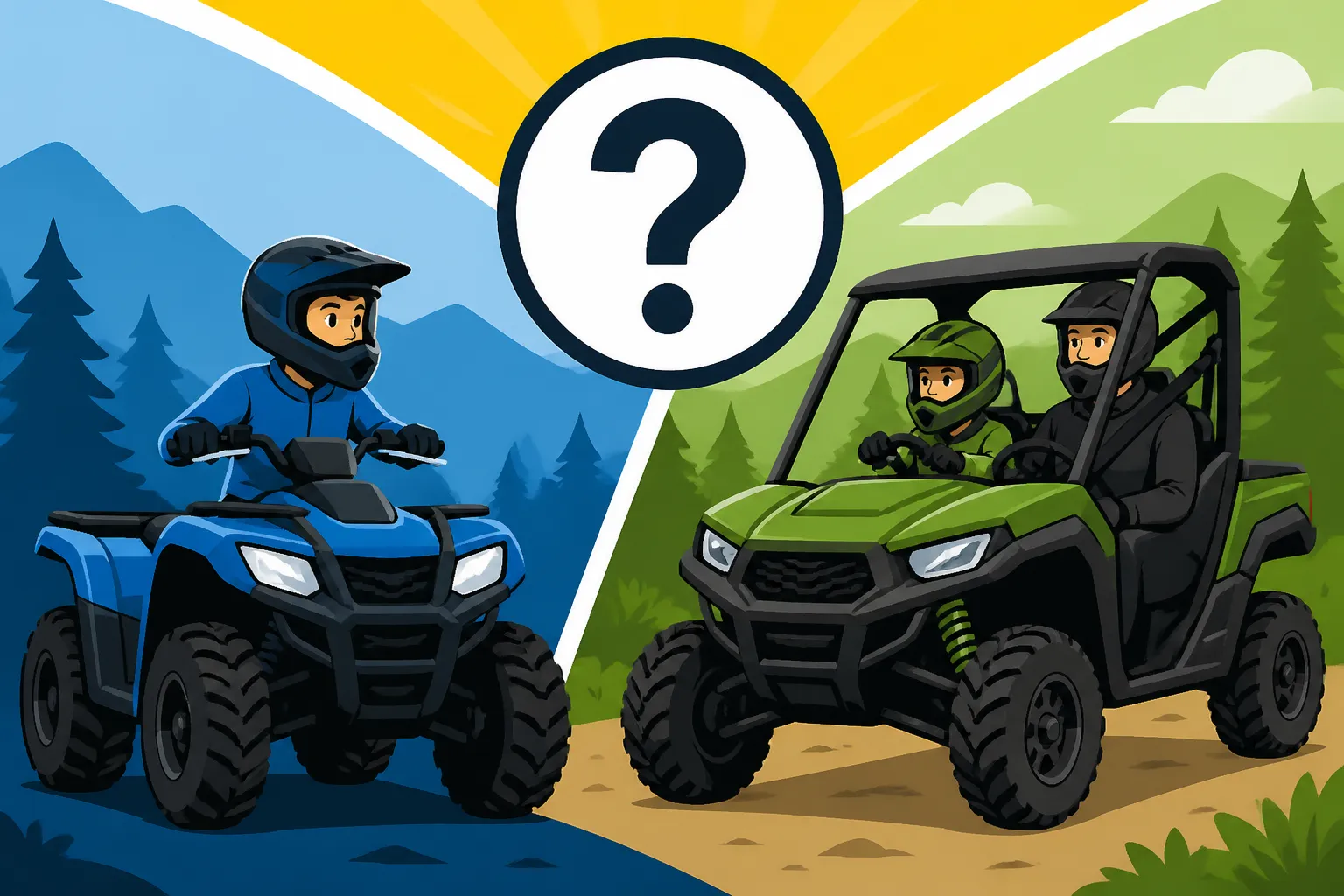
Does the Supervising Adult Have to Ride Along?
It's a common and often frustrating question for parents and guardians who love to hit the trails with their younger family members: how closely do you actually need to supervise them on their ATV or UTV in British Columbia? The worry about doing things "right" and, more importantly, keeping our kids safe, is real. This guide will cut through the confusion surrounding BC's Off-Road Vehicle Act, explaining exactly what "supervision" entails for youth riders and the responsibilities that come with it.
The Core BC Rule for Youth ATV Supervision
When we talk about supervising youth riders in BC, many people automatically picture themselves riding directly behind, or even sharing, the same machine. While that's one way to ensure supervision, the law isn't quite so restrictive in its interpretation, though it is very clear on the effect of supervision. The critical phrase to understand is "visible and immediate direction."
"Riding Along" Isn't Always the Literal Requirement
Let's clarify right away: the Off-Road Vehicle Act in British Columbia doesn't necessarily demand that a supervising adult be on the same machine as a young rider, nor does it typically mean you have to be tied to their bumper. The goal is to ensure the safety and responsible operation of the ORV by the youth. This means you, as the supervisor, need to be close enough to intervene, offer guidance, and ensure they're riding safely and within the rules.
Imagine you're out on a designated trail in the Okanagan or exploring some accessible [BC ATV Trails: Where to Ride] in the Kootenays. Your child is a competent rider for their age, and you're both enjoying the experience. The law generally permits you to be on your own machine, riding with them, perhaps a little ahead or behind, as long as you maintain that crucial connection. The frustration for many riders comes from a misunderstanding that they have to sacrifice their own ride enjoyment to be an effective supervisor. The good news is, with proper planning and an understanding of the rules, you can often do both. It's about being actively present, not necessarily physically attached.
What "Visible and Immediate Direction" Truly Means
This is the cornerstone of youth supervision in BC. "Visible and immediate direction" means two things: you must be able to see the youth rider clearly at all times, and you must be able to immediately communicate instructions or intervene if necessary. Think about riding a winding trail: if your child rounds a bend and is out of your sight for more than a few seconds, you've lost "visible" direction. If they encounter an unexpected obstacle or make a poor decision, and you can't shout instructions or quickly ride over to help, you've lost "immediate" direction.
This isn't just about preventing accidents; it's also about fostering good riding habits. A supervisor needs to be able to correct course, teach proper trail etiquette, and reinforce safety protocols in real-time. For example, if a young rider approaches a tricky creek crossing or a steep incline, you need to be able to guide them through it verbally, or even physically show them the best line. This kind of active supervision helps prevent issues like damaging sensitive riparian areas or venturing into [BC Motor Vehicle Closed Areas], which can lead to tickets and environmental harm. It means being within shouting distance, and crucially, within a distance that allows for a quick physical response should the situation demand it. Consider equipping your machines with reliable parts from a company like SuperATV to ensure they're ready for any terrain, giving you more confidence in challenging situations where immediate direction might be critical.
Age Categories and Their Specific Supervision Rules
British Columbia's Off-Road Vehicle Act has specific requirements based on the age of the youth rider. It's not a one-size-fits-all approach, and understanding these distinctions is key to staying compliant and, more importantly, keeping your young riders safe. This is where many parents get tripped up, assuming the same rules apply to all children, regardless of their developmental stage or riding experience.
Riders Under 14: Direct Supervision is Key
For anyone under the age of 14 operating an ORV in BC, the rules are quite strict regarding supervision. They absolutely must be under the "visible and immediate direction" of a supervising adult at all times. There are no exceptions for written permission or advanced training courses that allow them to ride unsupervised. The rationale here is clear: children in this age group are still developing critical judgment, reaction times, and the ability to assess risks independently.
This means if you have a 12-year-old on a youth quad, you, as the supervisor, need to be actively engaged in their ride. You should be riding your own machine on the same trail, maintaining a close distance. If they hit a mud bog or struggle with a climb, you should be right there to guide them or offer assistance. This is the stage where direct, hands-on teaching happens. It's about building foundational skills and instilling a deep respect for safety and the environment. Without this level of direct supervision, not only are you putting your child at risk, but you're also opening yourself up to potential [BC Fines for Careless Operation] or even [BC Seizure Powers Under the ORV Act] if an officer deems the situation unsafe or non-compliant. Remember, [BC Rules for a Child Under 16] are designed with their safety and the public's safety in mind.
The 14 and 15-Year-Old Exception: Written Permission
This is where things can get a little nuanced and often misunderstood. For youth riders who are 14 or 15 years old, the BC ORV Act does allow for a slight modification to the supervision rule, but it's not a free pass to ride alone. A 14 or 15-year-old rider can operate an ORV if they are under the visible and immediate direction of an adult who has written permission from their parent or guardian to act as supervisor.
Let's break that down:
- Still Needs Supervision: The core requirement of "visible and immediate direction" still applies. A 14 or 15-year-old cannot ride unsupervised.
- The Permission is for the Supervisor: The written permission is not for the youth to ride alone; it's permission for a different adult (other than the parent/guardian) to be their supervisor. For instance, if your 15-year-old goes riding with an aunt or uncle, that aunt or uncle needs a signed letter from you stating they have your permission to supervise your child.
- Supervisor Qualifications: The designated supervisor must still meet the age requirement (19 years or older), which we'll discuss more below.
This flexibility acknowledges that 14 and 15-year-olds might have more experience and judgment, and their parents might trust other responsible adults to oversee their riding. However, it's absolutely crucial that this written permission is carried by the supervisor and clearly states their authority. You can find more specific guidance on this under [BC Written Permission Letters] in the official regulations. This exception is not an invitation to be less vigilant; it simply broadens the pool of qualified supervisors, while maintaining the fundamental need for active oversight. The safety of these riders remains paramount, and proper supervision, regardless of who provides it, is non-negotiable.
What Changes When a BC Rider Turns 16
Once a rider in British Columbia turns 16, the legal requirement for direct adult supervision on an ORV generally lifts. At 16, they are considered mature enough to operate an off-road vehicle independently under the Off-Road Vehicle Act. This is a significant milestone for young riders, granting them much more freedom and responsibility on the trails.
However, "no longer requires supervision" doesn't mean "no longer needs to follow any rules." They still must adhere to all other aspects of the ORV Act and related regulations. This includes:
- Registration: Their machine must be properly registered and display a [BC ORV Number Plates and Decals], and they must carry the [BC Riders Must Carry the Certificate].
- Insurance: While basic liability insurance is voluntary on most Crown land, it becomes mandatory for riding on [BC Forest Service Road Requirements] and if crossing public highways. Many riders opt for liability coverage for peace of mind.
- Safety Gear: [BC Helmet Law Covers Every Rider] of a ride-astride machine, regardless of age.
- Operating Rules: They must still follow all rules regarding speed, careless operation, environmental protection, and respect for other trail users.
So, while the supervisor no longer needs to be physically present, the onus of responsible riding shifts fully to the 16-year-old operator. This is also the age when many young riders might start exploring more complex trails or venturing further from home, making personal responsibility and good judgment even more critical. While formal supervision ends, continued mentorship and encouraging participation in [BC ATV Safety Training Options] are still excellent ideas to ensure they remain safe and skilled riders. The journey from a supervised beginner to an independent, responsible rider is a crucial part of the ATV experience.
Responsibilities of the Supervising Adult
Being a supervising adult for a youth ORV rider in BC is more than just being present; it's a significant responsibility that comes with specific legal and ethical obligations. It's about ensuring safety, compliance, and fostering a responsible attitude towards off-roading.
Who Qualifies as a Supervisor in BC?
The Off-Road Vehicle Act is quite clear on who can legally act as a supervisor for a youth rider in British Columbia. The designated supervisor must be at least 19 years of age or older. This age requirement is in place to ensure that the individual providing supervision has the maturity and experience deemed necessary to make sound judgments and take appropriate action in potentially challenging situations. It's not just about physical presence; it's about the ability to command respect, understand the rules, and react effectively.
Beyond the age requirement, while not explicitly stated in the law, a competent supervisor should ideally possess a good understanding of ORV operation, safety protocols, and the specific terrain they are riding on. They should be familiar with the machine the youth is operating, including its capabilities and limitations. It's also highly recommended that the supervisor themselves is an experienced rider. After all, how can you effectively guide and instruct a young rider if you're uncertain of the best lines or how to handle difficult conditions? Many experienced riders also ensure their own machines are well-maintained with quality parts, perhaps even from SuperATV, knowing reliability is key when you're responsible for others. The goal is to set a strong example and provide knowledgeable, confident guidance, ensuring that the [BC Rules for a Supervising Adult] are met not just in letter, but in spirit.
Beyond Just Watching: The Active Role of the Adult
The concept of "visible and immediate direction" implies an active, not passive, role for the supervising adult. It's not enough to simply be within sight; you need to be prepared to act and instruct continuously. This active role encompasses several key aspects:
- Continuous Observation: You must constantly watch the youth rider, observing their technique, speed, and environmental awareness. Are they maintaining a safe distance from other riders? Are they recognizing potential hazards? Are they keeping within the manufacturer's [BC Manufacturer Age and Weight Rules] for their specific machine?
- Verbal Instruction and Correction: Be ready to give clear, concise instructions. "Slow down around that corner," "Watch for that rock," or "Keep your elbows up." Immediate feedback helps prevent bad habits from forming and corrects mistakes before they lead to incidents.
- Intervention Capability: This means being able to quickly stop your own machine, ride over to the youth, or physically assist them if they get stuck, encounter a mechanical issue, or get into a dangerous situation. Having a winch on your machine, perhaps a sturdy one from SuperATV, can be invaluable for quickly getting a stuck youth rider unstuck, reinforcing that immediate assistance aspect.
- Knowledge of Rules and Terrain: The supervisor must have a thorough understanding of the [What the Off-Road Vehicle Act Covers in BC] and any local bylaws or trail rules. They are responsible for ensuring the youth operates the ORV legally and respectfully, avoiding restricted areas or riding recklessly. This includes making sure they understand when and where [BC Rules for Riding a Forest Service Road] or [BC Rules for Riding Crown Land] apply, and the specific requirements for each.
- Emergency Preparedness: A good supervisor carries a first-aid kit, knows how to use it, and has a plan for communicating in areas without cell service. They understand the risks inherent in off-road riding and are prepared for minor mishaps or, in rare cases, more serious emergencies.
In essence, the supervising adult is an instructor, a safety officer, and a mentor all rolled into one. They are constantly assessing the situation, making judgments, and providing the necessary support to ensure the young rider has a safe, educational, and enjoyable experience on the trails.
Why These Rules Are So Important (and the Risks of Ignoring Them)
It might feel like a lot of rules, a bit of a bureaucratic headache, but the strict supervision requirements for youth ATV and UTV riders in British Columbia are fundamentally rooted in safety. Beyond that, there are very real legal ramifications for those who choose to disregard them. Understanding the "why" behind these regulations can help foster a greater appreciation for their importance.
Safety First: Protecting Our Young Riders
Off-road vehicles, while incredibly fun and exhilarating, are powerful machines that demand respect and skill. Children and youth, regardless of their enthusiasm or perceived talent, are simply more vulnerable. Their developing bodies are more susceptible to injury in a collision or rollover, and their judgment skills are still maturing. They might overestimate their abilities, underestimate risks, or simply not have the experience to react appropriately in a sudden, challenging situation.
The supervision rules are specifically designed to mitigate these inherent risks. By requiring an experienced adult to provide "visible and immediate direction," the law aims to:
- Prevent Accidents: An alert supervisor can spot potential hazards, warn the youth rider, and guide them away from dangerous situations before they escalate. They can teach proper techniques for navigating difficult terrain, reducing the likelihood of a crash.
- Enforce Proper Operation: Supervisors ensure that youth riders adhere to safe operating speeds, avoid stunt riding, and respect the physical limitations of their machine and themselves. This includes making sure they wear appropriate safety gear, like a properly fitted helmet, which is mandatory under [BC Helmet Law Covers Every Rider].
- Instill Responsibility: Beyond just immediate safety, supervision is a critical period for teaching lifelong responsible riding habits, environmental respect, and trail etiquette. This mentorship helps shape future generations of safe and conscientious off-road enthusiasts.
- Mitigate Consequences: If an accident does occur, the immediate presence of a supervising adult can be crucial for administering first aid, securing the scene, and calling for emergency assistance, potentially making a significant difference in the outcome.
These rules aren't about stifling fun; they're about ensuring that the fun is had safely, allowing young riders to grow their skills in a controlled and supportive environment.
Legal Repercussions and Penalties
Ignoring BC's supervision requirements for youth riders isn't just a safety oversight; it's a legal offense that can carry significant penalties. The Off-Road Vehicle Act (ORVA) and its regulations provide enforcement officers with tools to ensure compliance, and they don't hesitate to use them when a child's safety is at stake.
Here's what you could face:
- Violation Tickets and Fines: The most immediate consequence is typically a violation ticket. An officer can issue fines for infractions related to inadequate supervision, operating a machine in an unsafe manner, or allowing a child to ride a machine for which they are not permitted. These fines can be substantial, and they quickly add up. For example, [BC Fines for Careless Operation] can be applied if a child is riding in a way that endangers themselves or others, and the supervisor is deemed responsible.
- Machine Seizure: In more serious cases, particularly if there's a pattern of non-compliance, dangerous operation, or if the youth is operating the ORV without proper supervision or permission, an enforcement officer has the authority to seize the off-road vehicle. This is a powerful deterrent and can lead to significant inconvenience and cost to recover the machine. You can learn more about this under [BC Seizure Powers Under the ORV Act].
- Administrative Penalties: Beyond immediate fines, severe or repeated violations can lead to administrative penalties issued by the province, which might include higher fines or prohibitions from operating ORVs for a period.
- Civil Liability: If a youth rider under your supervision causes an accident resulting in injury or property damage to another party, you, as the supervising adult, could be held civilly liable. This means you could be sued for damages, which could result in substantial financial costs, even if you have some [BC ATV Insurance Requirements] in place. The cost of an accident, both in human suffering and financial burden, far outweighs the effort required for proper supervision.
These penalties are not merely punitive; they serve as a strong reminder of the serious responsibility that comes with introducing young people to the world of off-road riding. By understanding and adhering to the supervision rules, you're not just avoiding legal trouble; you're actively contributing to a safer and more enjoyable environment for everyone on the trails of beautiful British Columbia.
| Age of Rider | Supervision Requirement | Written Permission Needed? | Who Can Supervise? |
|---|---|---|---|
| Under 14 years | Visible and Immediate Direction by an adult at all times. The adult must be able to see the youth and intervene quickly. | No, the parent/guardian must directly supervise or give permission for another 19+ adult to supervise. No substitute for direct presence. | Parent/Guardian or another adult 19+ (with permission). |
| 14 or 15 years | Visible and Immediate Direction by an adult at all times. The adult must be able to see the youth and intervene quickly. This is the same level of direct presence as for younger riders. | Yes, if the supervisor is NOT the parent/guardian. A letter from the parent/guardian is required, authorizing a specific 19+ adult to supervise. | Parent/Guardian or another adult 19+ (with written permission). |
| 16 years and older | No longer requires direct adult supervision under the ORV Act. Riders are considered capable of independent operation, but must follow all other ORV Act rules (registration, insurance, safety gear, operating rules). | No | No supervisor legally required. |
Disclaimer
This article is for general informational purposes only and does not constitute professional advice. Laws, prices and regulations vary by location and change over time. Consult a qualified professional for guidance on your specific situation.