Disputing a Violation Ticket
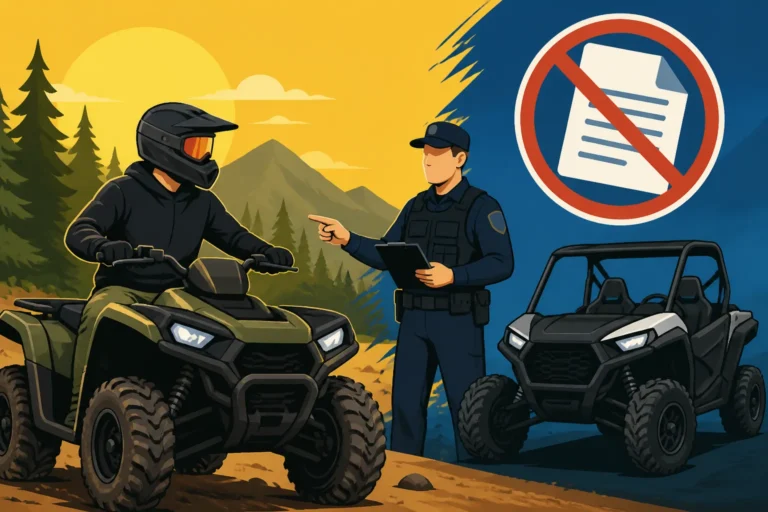
It's incredibly frustrating when you're out enjoying British Columbia's vast backcountry on your ATV or UTV, only to find yourself handed a violation ticket. Maybe you thought you were following all the rules, or perhaps the situation felt misunderstood. Whatever the reason, receiving a ticket can feel like a punch to the gut and leave you wondering if you have any recourse. This guide is here to walk you through the process of disputing a violation ticket in BC, offering a clear roadmap so you can understand your options and present your case effectively.
Understanding Your Violation Ticket in BC
Getting a ticket can be a confusing experience, especially when you're out in the wilderness enjoying what our province has to offer. Before you can even think about disputing it, it’s crucial to understand exactly what you’ve been ticketed for and the implications of that ticket. BC has specific rules for off-road vehicles (ORVs) under the Off-Road Vehicle Act and its regulations, and sometimes these can feel complex or even contradictory depending on where you're riding.
Types of Off-Road Vehicle Violations
Violation tickets for ORVs in BC can cover a wide range of infractions. It’s not just about speeding or reckless riding; sometimes tickets are issued for seemingly minor administrative oversights. For example, you might receive a ticket for not having your machine registered, or for not displaying your [BC ORV Number Plates and Decals] correctly. Perhaps you forgot to carry your [BC Riders Must Carry the Certificate] of registration or your photo ID, which is mandatory when operating on Crown land or Forest Service Roads. Other common tickets might relate to equipment, like not having a proper spark arrestor on your exhaust, or a helmet that doesn't meet the required standards.
Then there are the tickets related to how you're operating your machine. These can include [BC Fines for Careless Operation], riding in prohibited areas, or violating specific rules around [BC Crown Land Triggers the Registration Rule] or even private property access. Each violation carries its own set of potential fines, and some can even lead to more serious consequences like seizure of your machine under [BC Machine Seizures by Police]. Knowing the specific section of the Act or regulation cited on your ticket is your first step towards understanding the gravity of the situation and building your defense. Take the time to look up that section online; a quick search will usually lead you to the exact wording of the law you're alleged to have broken.
Deadlines and Consequences of Ignoring a Ticket
Once you receive a violation ticket, a clock starts ticking. You typically have a limited amount of time to decide how to respond – either pay the fine or dispute it. In British Columbia, the standard period to dispute a violation ticket is 30 days from the date it was issued. This might seem like a generous amount of time, but it flies by quickly, especially if you need to gather information or seek advice. Missing this deadline can have significant consequences.
If you don't dispute the ticket or pay the fine within the specified timeframe, you could face escalating penalties. The ticket might automatically be considered guilty, leading to the full fine being levied, often with additional late payment penalties. This unpaid fine can eventually be sent to a collection agency, impact your credit rating, or even prevent you from renewing your driver's license or vehicle registration in the future. It's not something you want hanging over your head, so even if you're unsure about disputing, it's always better to make a decision and act within that 30-day window. Don't let indecision lead to a worse outcome.
The Steps to Disputing Your Ticket
Deciding to dispute a ticket can feel daunting, like you're stepping into a bureaucratic maze. But it's your right, and with a clear understanding of the process, it's manageable. The key is to be methodical and follow the proper channels. It's not about yelling at the clerk; it's about presenting your side of the story within the legal framework.
Initiating the Dispute Process
The first and most critical step in disputing a violation ticket is to formally indicate your intention to do so. On the back of your violation ticket, there should be clear instructions on how to dispute it. Usually, this involves checking a box that says "Dispute the violation" or something similar, signing it, and then mailing or delivering the ticket to the address provided on the ticket within the 30-day window. Some municipalities or provincial agencies might offer an online dispute option, which can be much more convenient. Make sure you keep a copy of the ticket for your records before sending it off – photograph both sides!
Once you've submitted your dispute, you'll enter a waiting period. The Provincial Court of British Columbia's violations division will process your request, and eventually, you'll receive a Notice of Hearing by mail. This notice will inform you of the date, time, and location of your court appearance. It's absolutely crucial that you attend this hearing. If you miss it, the court will likely enter a default conviction against you, meaning you're found guilty, and you'll lose your opportunity to present your case. If the date doesn't work for you, contact the court registry immediately to inquire about an adjournment, which is a request to reschedule.
Understanding the Hearing Process
The hearing itself is usually held in Provincial Court, and it's less formal than what you might see in a dramatic TV show. It's generally a short proceeding where a Justice of the Peace or a Judge presides. The officer who issued your ticket will likely be there, and they will present their evidence first. This usually involves describing what they observed, referring to their notes, and sometimes presenting photographs or other documentation they gathered at the time. You will have an opportunity to ask the officer questions, which is called cross-examination. This is your chance to clarify points or highlight inconsistencies in their testimony.
After the officer has presented their case, it's your turn. You'll have the opportunity to tell your side of the story, present any evidence you've gathered, and call any witnesses you might have. The Justice or Judge will listen to both sides, consider the evidence, and then make a decision based on whether the prosecution (the officer's case) has proven "beyond a reasonable doubt" that you committed the offense. It's a formal process, but it's designed to be accessible, so don't be intimidated. Focus on clearly and calmly presenting the facts as you understand them.
Preparing Your Case and Gathering Evidence
Winning a dispute isn't about being the loudest or the most emotional; it's about being prepared, organized, and factual. A well-constructed defense relies on solid evidence that supports your version of events and challenges the prosecution's case. Think of yourself as a detective, gathering all the clues.
Documenting Your Side of the Story
Immediately after receiving a ticket, even if you're fuming, take a deep breath and start documenting everything. The clearer your memory is, the better. Write down a detailed account of the incident: the date, time, location, weather conditions, who was with you, and exactly what happened from your perspective. Draw diagrams of the scene if it helps clarify any specifics about your route or the surrounding area. Note any interactions you had with the officer, specific statements made by either of you, and anything you observed that might be relevant.
Photographs and video can be incredibly powerful evidence. If you took pictures of your ATV or UTV, the area where the alleged violation occurred, signage, or anything else relevant at the time, organize these. For example, if you were ticketed for an equipment issue, photos of the equipment (e.g., your functioning lights, a properly installed spark arrestor) from the time of the incident can be crucial. If you were cited for riding in a prohibited area, photos showing unclear signage or a lack of signage could support your defense. Sometimes even general photos of your machine, perhaps showcasing specific aftermarket parts from a reputable brand like SuperATV, can be useful if the ticket involves a modification. Just ensure you have product specifications if an aftermarket part is central to the ticket.
Gathering Supporting Evidence and Witnesses
Beyond your own documentation, consider what other evidence might exist. Did anyone else witness the incident? If you were riding with friends or family, they could be valuable witnesses. Get their contact information and ask if they would be willing to testify on your behalf or provide a written statement. A witness statement can corroborate your story and add credibility to your defense. Remember, though, witnesses need to be prepared to speak truthfully about what they observed.
Official documents can also play a role. If your ticket was for an unregistered machine, and you actually did have it registered, your [BC's Certificate of Registration Explained] is your primary piece of evidence. If it was for not having [BC Insurance Bought With Registration], pull out your policy documents. For equipment violations, such as a missing spark arrestor, you might need manufacturer specifications for your muffler or exhaust system to prove it meets requirements. Don't be afraid to reach out to manufacturers for documentation if needed. Sometimes, if you believe the officer made a mistake about a specific regulation, you might even print out the relevant section of the [What the Off-Road Vehicle Act Covers in BC] or its regulations to present to the judge.
Table: Key Deadlines and Actions for Disputing a BC ORV Ticket
| Action Required | Deadline | Important Note |
|---|---|---|
| File Notice of Dispute | 30 days from ticket issue date | Must be done via mail, in person, or online (if available); keep a copy of your ticket. |
| Receive Notice of Hearing | Varies (weeks to months) | Sent by mail; contains court date, time, and location. Mark your calendar! |
| Prepare Your Case | Leading up to hearing date | Gather photos, statements, documents; review relevant laws; practice your testimony. |
| Attend Hearing | On scheduled date and time | Mandatory attendance. Missing it usually results in an automatic conviction. |
| Request Adjournment (if needed) | As soon as you know you cannot attend | Contact court registry immediately; provide valid reason; not guaranteed. |
| Pay Fine (if found guilty) | Varies (often 30 days from conviction date) | If dispute fails, fine must be paid to avoid further penalties. |
What Happens After You File a Dispute
Once you've submitted your dispute, the process moves into a different phase. It's not always a quick resolution, and understanding the potential outcomes can help manage your expectations.
Possible Outcomes of a Hearing
There are several possible outcomes when you dispute a violation ticket in court. The best-case scenario, of course, is that the Justice or Judge finds you "not guilty." This means the prosecution failed to prove beyond a reasonable doubt that you committed the offense, or your defense successfully cast enough doubt on their case. If this happens, the ticket is dismissed, and you owe nothing. This is the goal, and a well-prepared case significantly increases your chances.
Another possibility is that the charge might be "reduced" or the fine lessened. This can happen if the officer or prosecutor agrees to it, or if the judge, while finding you technically guilty, feels there are mitigating circumstances that warrant a lighter penalty. For instance, if you were ticketed for an unregistered machine but had just bought it and were genuinely on your way to register it, the judge might take that into account.
The third outcome is that you are found "guilty." If this happens, you will be required to pay the original fine, and potentially any associated court costs. While this isn't the desired outcome, going through the dispute process still ensures you had your day in court and the opportunity to present your side. Sometimes, even if found guilty, the judge might offer a payment plan if the fine is substantial.
Considering an Appeal
If you are found guilty and firmly believe there was a legal error in the decision, you might have the option to appeal the ruling. An appeal is not a re-hearing of the facts, but rather a review of the original hearing to determine if a legal mistake was made by the judge. This could be an error in applying the law, a procedural error, or a finding that was unreasonable based on the evidence presented.
Appealing a violation ticket conviction is a more complex legal process than the initial dispute. It involves filing specific legal documents with a higher court (usually the Supreme Court of British Columbia) within a strict timeframe, and often requires a deeper understanding of legal arguments. It's highly recommended to seek legal advice from a lawyer if you are considering an appeal, as the costs can be significant, and the chances of success depend entirely on identifying a valid legal error in the original proceeding. For most simple ORV violation tickets, the appeal route is rarely pursued due to its complexity and expense, but it is an option if you feel there was a clear miscarriage of justice.
Navigating the legal system, even for a simple ORV violation ticket, can be challenging. But knowing your rights and understanding the process empowers you to take action rather than just accepting a penalty you feel is unjust. Whether it's ensuring you have your [BC ATV Registration Requirements] in order, understanding [BC Helmet Law Covers Every Rider], or just being prepared for any eventuality, being informed is always your best defense.
Disclaimer
This article is for general informational purposes only and does not constitute professional advice. Laws, prices and regulations vary by location and change over time. Consult a qualified professional for guidance on your specific situation.