BC Penalties for Riding Unregistered
You’re out enjoying a beautiful BC day on your ATV or side-by-side, the engine purring, the scenery breathtaking. Suddenly, you see flashing lights in your rearview. Your heart sinks. What could it be? For many off-road enthusiasts, the worry of being caught riding an unregistered machine is a real one, leading to confusing questions about what exactly the penalties are. This guide is here to unravel those anxieties, outlining the specific consequences you could face for riding an unregistered off-road vehicle (ORV) in British Columbia and how to avoid them.
The Core Offence: Riding an Unregistered Machine
Let's face it, navigating the rules and regulations for off-road vehicles in British Columbia can feel like trying to find your way through dense bush without a map. There’s a lot of confusion, especially around registration. Many riders were used to a time when you just bought your quad and hit the trails. However, since the Off-Road Vehicle Act came into full effect in 2015, those days are long gone. Now, if your machine is not properly registered, you’re breaking the law, and that can lead to some unexpected headaches and financial setbacks. It's frustrating when you just want to enjoy your hobby, but the system feels overly complex.
The main trigger for mandatory registration is when you operate your ORV on Crown land, which, let's be honest, is where most of us want to ride. This includes the vast network of [BC Resource Roads Count as Crown Land] that crisscross our province. Whether you're heading out for a day of trail riding, hunting, or just exploring the backcountry, if you're on public land, your machine needs to be registered.
What "Unregistered" Actually Means
When we talk about an "unregistered" machine in BC, we're specifically referring to the lack of a Certificate of Registration and the corresponding ORV plate. Unlike cars and trucks, your ORV doesn't get a traditional "title" in BC, which can add to the confusion for new owners or those coming from other provinces. Instead, you receive a Certificate of Registration from ICBC, which is essentially your proof of ownership and compliance with the province's off-road vehicle laws. Without this document and the physical plate properly affixed to your machine, you are officially operating an unregistered vehicle.
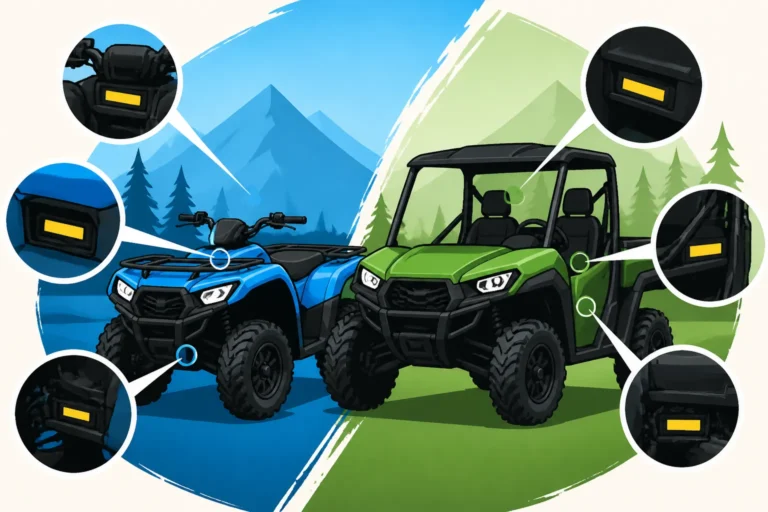
It's not just about having a plate; it's about having the correct plate that matches your machine's registration. Imagine finally getting your [BC ORV Number Plates and Decals] and then forgetting to attach it, or worse, losing it and not replacing it. In the eyes of the law, that's still an unregistered machine. The system is designed for accountability, and visual proof of registration through the plate is a big part of that.
Where the Rules Apply
Here in BC, the registration rules cast a fairly wide net. As mentioned, the primary trigger for registration is operating on Crown land. This means if you're riding on public land, like provincial parks (where allowed), recreation sites, or [BC Forest Service Road Rules for ORVs], your ORV needs to be registered. Even if you're just using a resource road to access private property, that portion of the journey on Crown land requires registration.
A common misconception is that if you only ride on private land, you don't need to register your machine. While the Off-Road Vehicle Act generally focuses on Crown land access, there can still be situations where local bylaws or specific property rules come into play. However, the provincial mandatory registration is unequivocally tied to public land use. So, if you live in a rural area and sometimes cross a small section of Crown land to get to your favourite spot, that seemingly minor act legally requires your machine to be registered. It’s this broad application that often catches riders by surprise.
The Immediate Consequences: Fines and Tickets
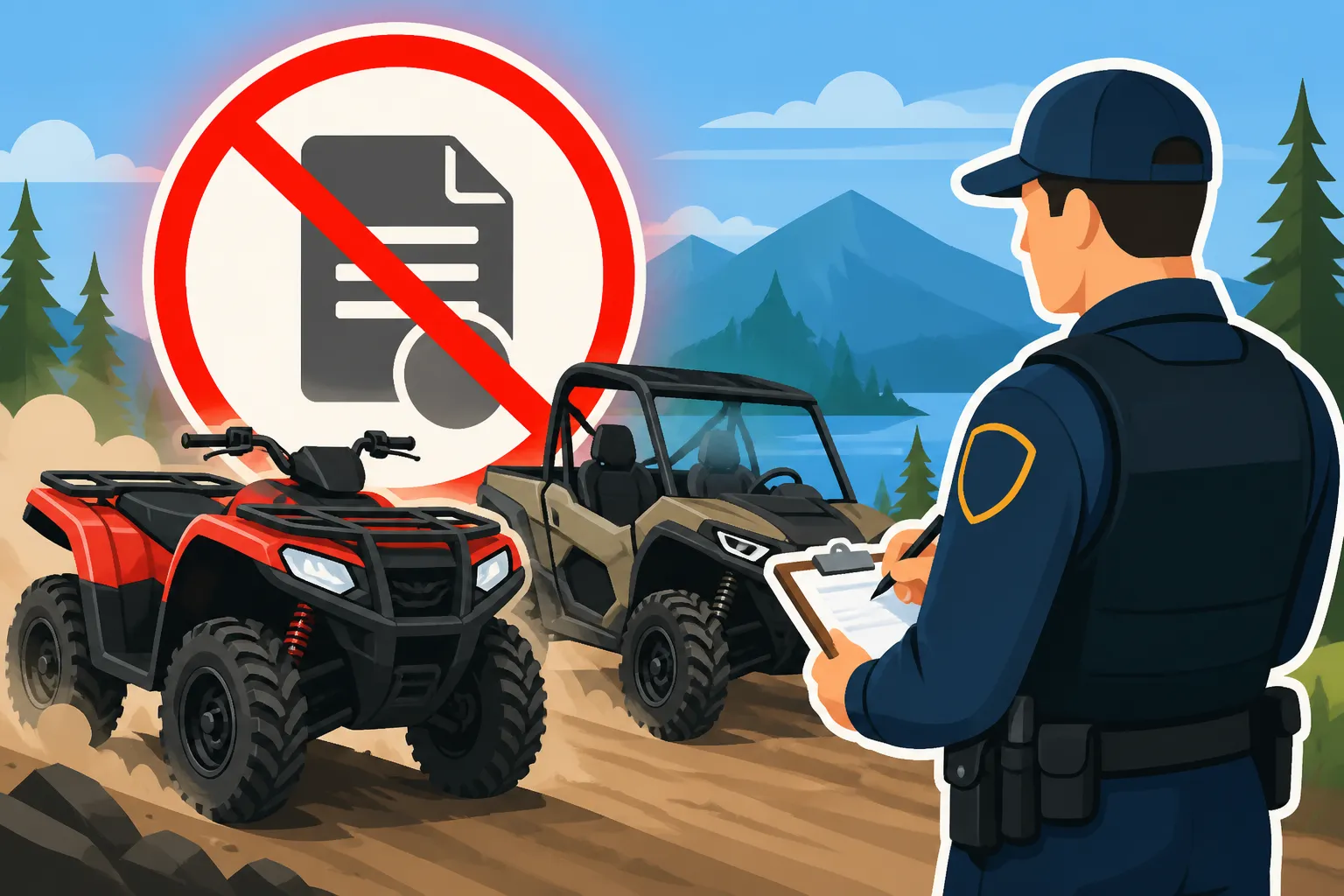
Nobody wants a run-in with law enforcement, especially when you're trying to unwind in the great outdoors. But if you're caught riding an unregistered ORV in British Columbia, the consequences are immediate and can hit your wallet hard. Conservation Officers, RCMP, and even some park rangers have the authority to enforce the Off-Road Vehicle Act, and they take it seriously. It's not just a slap on the wrist; these penalties are designed to encourage compliance.
The fines are set by regulation and can be quite substantial. It's not uncommon to hear stories from fellow riders about getting hit with a significant fine for something they didn't even realize was an offence. This is where that initial frustration really kicks in – paying a hefty sum for something you might have been doing for years without issue before the 2015 changes.
The Standard Violation Ticket
If an officer stops you and your ORV isn't registered, you'll likely receive a violation ticket. These tickets are similar to traffic tickets for cars but specifically apply to off-road vehicle offences. The amount of the fine for operating an unregistered ORV is designed to be a deterrent. While I can't give you exact dollar figures (these can change), expect it to be a noticeable hit to your budget. It's not just a trivial sum; it's enough to make you think twice about heading out without your papers in order.
Beyond the initial fine, there's the added stress and inconvenience. You might have your ride cut short, or even have to arrange for your machine to be transported off Crown land if you're deemed unable to continue operating it legally. Imagine having to call a friend with a truck to come pick you up in the middle of nowhere – a real buzzkill for a planned day of adventure. This is precisely the kind of hassle that proper registration helps you avoid.
Additional Penalties and What They Mean
Getting a ticket for an unregistered ORV is just one layer of potential trouble. Depending on the circumstances, the penalties can escalate, leading to more severe consequences. For instance, officers have the power to seize your machine if they believe there are serious or repeated violations. This is a far more serious outcome than just a fine, as it means your ORV could be impounded, leaving you with a lengthy and costly process to get it back. [BC Machine Seizures by Police] are a very real possibility, not just a theoretical threat.
| Violation Type | Immediate Consequence (Initial Encounter) | Potential Escalation (Repeated/Severe) |
|---|---|---|
| Operating Unregistered ORV | Violation ticket (significant fine) | Machine seizure, further administrative penalties |
| No ORV Plate Displayed | Violation ticket (fine) | Could lead to closer scrutiny of registration status |
| No Certificate of Registration Carried | Violation ticket (fine) | Could complicate proving ownership/registration on the spot |
| Operating on Prohibited Land | Violation ticket (fine), potential trespass charges | Machine seizure, larger fines, court proceedings |
| Refusal to Provide Information | Increased fines, potential for arrest | Court summons, further investigation |
This table illustrates that while a ticket is common, the situation can quickly worsen if there are other issues or if you're not cooperative. It’s a clear reminder that these aren't just minor infractions; they are taken seriously by authorities.
Beyond the Ticket: Deeper Impacts
The immediate sting of a violation ticket is bad enough, but the consequences of riding an unregistered ORV can stretch far beyond that initial interaction with an officer. There are logistical headaches, potential financial drains, and the very real possibility of court action that can follow you long after your ride is over. It’s not just about paying a fine; it’s about dealing with the aftermath and getting back into compliance.
These longer-term impacts highlight why it’s so important to address your registration proactively. Many riders assume a ticket is the end of it, but that’s often just the beginning of a bureaucratic process that can be both time-consuming and expensive.
Machine Seizure and Recovery
The prospect of having your ORV seized is a nightmare for any owner. If an officer decides to impound your machine due to serious or multiple infractions, you're not just without your ride; you're looking at a significant recovery process. First, there are towing and storage fees, which can accumulate rapidly, especially in remote areas where specialized towing might be required. These fees alone can quickly add up to hundreds, if not thousands, of dollars.
Then, there's the administrative process of proving ownership and getting the machine released. This often involves presenting your valid [BC's Certificate of Registration Explained], paying any outstanding fines, and potentially dealing with further penalties. The entire ordeal can be incredibly stressful and time-consuming, taking you away from work, family, and the very activity you love. It's a stark reminder that the province is serious about compliance with the Off-Road Vehicle Act.
The Hassle of Rectifying the Situation
Let's say you get a ticket for an unregistered machine. Your first thought, after the initial shock, might be to simply go register it. While that's the right course of action, it's not always a quick fix, especially if you have missing paperwork or an incomplete ownership history. The BC registration system requires a clear chain of ownership, meaning you need a [BC Bills of Sale for Every Prior Owner] going all the way back to the manufacturer, or at least a documented history that satisfies the registrar.
If you bought your machine second-hand and the seller didn't have all the previous bills of sale, you might find yourself in a bind. This is where you might need to use a [BC Statutory Declaration for an ORV] to swear under oath that you are the rightful owner and explain any gaps in the paperwork. Services like LawDepot can be incredibly helpful for drafting these kinds of official documents, ensuring they meet legal requirements and clearly state your claim to ownership. But even with a statutory declaration, the process can take time, involving trips to an Autoplan broker and potentially Service BC, extending the period during which you can't legally ride on Crown land.
Court Fines and Administrative Penalties
While many unregistered ORV offences are handled through violation tickets, more serious or repeated incidents can lead to court appearances and even higher penalties. The Off-Road Vehicle Act allows for significant maximum fines if a matter goes to court. These court-imposed fines can be substantially higher than a standard violation ticket, potentially reaching into the thousands of dollars, along with court costs and surcharges.
Beyond the judicial system, there are also administrative penalties that can be levied by provincial agencies, especially if your actions lead to environmental damage or other serious issues on Crown land. These administrative fines can be severe, reflecting the province's commitment to protecting natural resources. For instance, if operating your unregistered ORV causes damage to a riparian area or creates an environmental hazard, you could face administrative penalties on top of your registration infraction. This multi-layered penalty system emphasizes that getting your machine registered is a foundational step in responsible off-road recreation in BC.
Avoiding the Headache: Getting Registered
The best way to deal with the penalties for riding an unregistered ORV is simple: don't get caught in the first place! And the best way to do that is to make sure your machine is properly registered before you even think about hitting a [BC Crown Land Triggers the Registration Rule] trail. It might seem like an extra step, or even a bit of a hassle, but the peace of mind and the avoidance of significant fines, seizures, and paperwork nightmares are absolutely worth it.
Think of it as investing a little time upfront to protect your enjoyment and your wallet down the line. The process isn't as complicated as some might fear, especially if you arrive prepared with the right documents. [BC Autoplan Brokers Handle ORV Registration] are equipped to guide you through the process, making it much smoother than trying to figure it all out yourself.
The Registration Process Recap
Getting your ORV registered in BC involves a visit to an authorized ICBC Autoplan broker. These are the same brokers who handle your car insurance and registration, so they're familiar faces in communities across the province. They will need to verify your identity and, most importantly, the ownership of your machine. This is where your paperwork comes in. You'll need proof of purchase, such as a bill of sale, and any previous ownership documents you have.
If you’re buying a new machine from a dealership, they will usually handle the initial registration as part of the purchase process, which is super convenient. For private sales, however, the onus is entirely on you as the buyer to ensure the machine is registered in your name. Don't leave the broker's office without your new [BC's Certificate of Registration Explained] and your shiny new ORV plate! It’s your ticket to riding legally and worry-free.
The Importance of Proper Documentation
This cannot be stressed enough: documentation is key. When you go to register your ORV, the broker needs to establish a clear chain of ownership. This means having a bill of sale for your purchase, and ideally, bills of sale from every previous owner. If you buy a machine with a missing bill of sale from a prior owner, you’ll have a problem. This is where a [BC Statutory Declaration for an ORV] becomes your best friend.
A statutory declaration is a sworn legal document where you declare under oath that you are the rightful owner of the machine and explain how you acquired it, especially if there are gaps in the ownership history. LawDepot offers templates and guidance for creating these kinds of legal documents, which can be invaluable when trying to navigate the BC registration requirements without a complete paper trail. Having this document ready can save you a ton of time and prevent delays in getting your ORV registered. Remember, the goal is to make the broker's job as easy as possible so you can get your plate and hit the trails.
Where to Go for Help
If you're feeling overwhelmed or unsure about the process, don't fret! There's plenty of help available. Your first stop should always be an authorized ICBC Autoplan broker. These professionals are trained to handle ORV registrations and can answer most of your questions. They are your go-to resource for understanding the specific documents you'll need and for submitting your application. You can find one easily in most communities.
Additionally, online resources can provide general information, but for drafting legal documents like bills of sale or statutory declarations, especially if your ownership history is a bit murky, services like LawDepot can provide a structured, legally sound way to create the necessary paperwork. They can help you generate documents that will be accepted by the registrar, making your path to compliance much smoother. Don't hesitate to reach out to these resources; they exist to make the registration process less intimidating and ensure you're riding legally and safely. By taking these proactive steps, you can avoid the penalties and simply enjoy the incredible off-road opportunities BC has to offer.
Disclaimer
This article is for general informational purposes only and does not constitute professional advice. Laws, prices and regulations vary by location and change over time. Consult a qualified professional for guidance on your specific situation.