Photo ID Carried With the Certificate
Riding off-road vehicles (ORVs) like ATVs and UTVs in beautiful British Columbia offers an unparalleled sense of freedom and adventure. However, many riders find themselves scratching their heads when it comes to the often-confusing requirements for carrying identification alongside their ORV Certificate of Registration. This guide will cut through the confusion, explaining precisely why you need to have your photo ID on you, what counts as acceptable identification, and how to stay compliant with BC's regulations to avoid unnecessary headaches and fines.
Why You Need to Carry Photo ID with Your ORV Certificate
It's not just about having your ORV registered; it's also about proving who you are when you're out there enjoying the trails. The Province of British Columbia has clear rules about this, and understanding them is key to a smooth riding experience.
The Legal Mandate for Identification
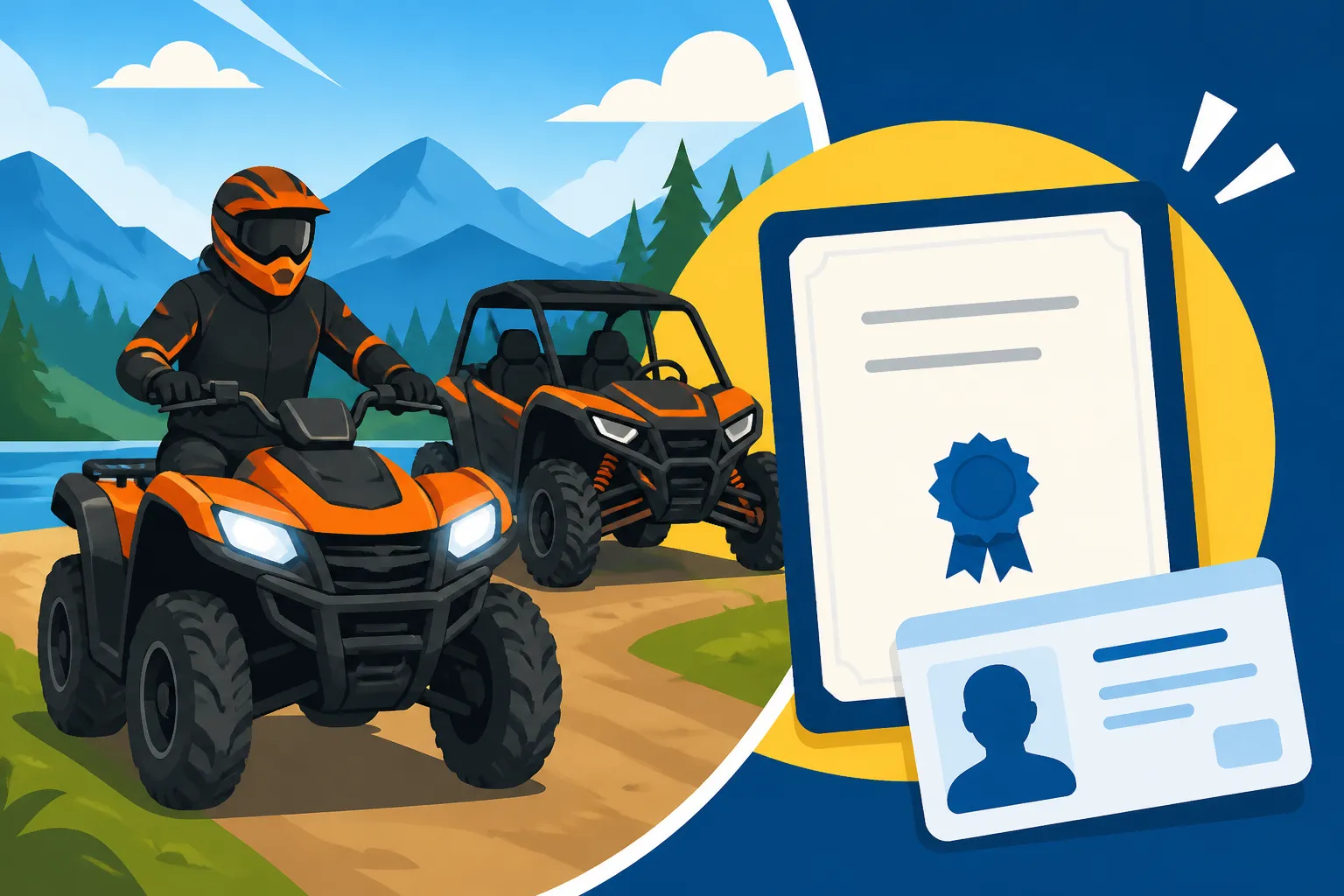
The BC Off-Road Vehicle Act and its associated regulations are quite specific. While the act primarily focuses on the registration and safe operation of ORVs, it also grants enforcement officers – whether they are RCMP, conservation officers, or other authorized personnel – the power to ask for identification. Your ORV Certificate of Registration identifies your machine, but your photo ID identifies you as the operator.
Think of it this way: when you're driving your car on a paved road, you need your driver's license, right? That's your proof of identity and your authorization to operate a motor vehicle. Similarly, when you're on Crown land or a resource road in BC with your ATV, you're expected to produce personal identification. This is especially true because the certificate itself often lists the owner's name, and officers need to verify that the person operating the machine is indeed the owner or has legitimate permission to operate it. It's a fundamental step in ensuring accountability and preventing misuse. [BC Riders Must Carry the Certificate] and your ID go hand-in-hand.
Imagine you're stopped by a conservation officer while riding on a remote forest service road near Squamish. They're checking for compliance with various regulations, perhaps related to wildlife management or safe ORV operation. They'll ask for your ORV Certificate of Registration, and then they'll ask for your photo identification. If the name on your ID doesn't match the name on the certificate, you'll need to be able to explain why (e.g., you're borrowing the machine, or you just bought it and haven't completed the [BC Transfer of Ownership Explained] yet). Without any photo ID at all, you create an immediate problem for the officer, making it difficult for them to verify who you are, which can lead to further delays and scrutiny.
What Qualifies as Acceptable Photo ID
When we talk about "photo ID," we're not talking about just any picture of yourself. The key here is government-issued and unexpired identification. The most common and widely accepted forms of photo ID in British Columbia for this purpose include:
- Your BC Driver's License: This is probably the most common and convenient form of ID for most riders, as it also serves as proof of your ability to operate a motor vehicle (which is required if you ever need to cross a highway, for example).
- A BC Services Card with Photo: Many residents now have this, and it's an excellent form of government-issued photo identification.
- A BCID Card: This is specifically designed for those who don't have a driver's license but need government-issued photo ID.
- An unexpired passport: While you probably won't be carrying this on the trails, it is a valid form of photo ID.
- An unexpired driver's license from another Canadian province or US state: If you're visiting BC and riding your ORV, your home province or state's driver's license is generally acceptable.
What won't work? Things like a student ID card, a gym membership card, or a work badge. These aren't considered sufficient government-issued photo identification by enforcement authorities. The ID needs to be verifiable and officially recognized.
Let's say a rider from Alberta is enjoying the trails in the Okanagan. They have their [BC ORV Registration for a Machine From Alberta] (if they've registered it here, or proof of registration from Alberta if their home province has a similar system and they're just visiting) and their Alberta driver's license. This is perfectly acceptable. The enforcement officer can easily verify their identity through the official, government-issued photo ID from their home province. The crucial part is that the document is official, current, and clearly identifies you with a photograph.
Practical Implications of Not Carrying Your ID and Certificate
Ignoring the requirement to carry your photo ID and ORV Certificate of Registration might seem like a minor oversight, but it can lead to some significant hassles and financial penalties. It's not worth the risk.
Potential Fines and Enforcement Actions
Failure to produce your ORV Certificate of Registration when requested by an officer can result in a violation ticket. Similarly, if an officer cannot confirm your identity because you lack appropriate photo ID, this can escalate the situation. While there might not be a specific fine just for not carrying photo ID with your ORV certificate, the inability to identify yourself can lead to further investigation, delays, and potentially fines related to other regulations. For example, if they can't confirm you're the registered owner, or that you're authorized to operate the machine, it could lead to questions about illegal operation or even seizure of the machine.
Imagine you've been riding all day on a network of trails near Kamloops, feeling great. Suddenly, you encounter an RCMP officer. They ask for your papers, and you realize you only brought your ORV Certificate, but your wallet with your driver's license is back at the campsite. The officer might issue you a warning, but they are well within their rights to detain you until your identity can be confirmed. This could mean waiting for someone to bring your ID to the trail or even having to accompany the officer back to their detachment. It’s an immediate disruption to your day and can quickly turn a fun outing into a stressful encounter. The fines for [BC Tickets for an Unregistered Machine] are clear, and while not having ID isn't directly the same, it complicates proving your compliance.
Situations Where Proof of Identity is Crucial
Beyond simply avoiding a ticket, there are other, more serious situations where having your photo ID handy is absolutely crucial:
- Accidents and Emergencies: In the unfortunate event of an accident, whether it involves another rider, a pedestrian, or just a solo incident, first responders and emergency personnel will need to identify you immediately. Your photo ID provides essential information for medical treatment, contacting next of kin, and documenting the incident. If you're unconscious or disoriented, your ID could literally be life-saving.
- Proving Ownership/Authorization: If you're operating an ORV that isn't registered in your name (e.g., it belongs to a family member or a friend), having your photo ID along with proof of permission from the owner (perhaps a written letter, which you could even draft using a service like LawDepot for clarity) becomes even more important. It helps establish that you're legally entitled to operate the machine and aren't involved in any unauthorized activity.
- Reporting Incidents: If you witness an incident or need to report damage or a hazard, being able to identify yourself clearly to authorities lends credibility to your report and helps them follow up effectively.
Consider a scenario where you've had a minor rollover on a remote trail in the Kootenays, and you've sustained a head injury. You're conscious but confused. Another rider comes across you and calls for help. When paramedics arrive, they need to know who you are to access your medical history (if available) and contact your emergency contacts. If your photo ID is readily available in your riding gear, it speeds up this critical process significantly. Without it, precious time can be lost trying to establish your identity. This is why [BC Riders Must Carry Photo ID] isn't just a legal nicety; it's a safety measure.
Best Practices for Carrying Your Documents Safely
You know why you need to carry your documents, but how you carry them is just as important. The backcountry can be tough on paper, and you want your vital documents to be intact and legible when you need them most.
Protecting Your Physical Documents
The worst thing would be to have your documents, but they're so waterlogged or torn that they're unreadable. Here are some tips to keep them safe:
- Waterproof Pouch or Case: This is non-negotiable for ORV riders. Invest in a small, durable, waterproof pouch or a hard-case wallet. These are specifically designed to keep contents dry even if you take an unexpected dip in a creek or get caught in a downpour. Many riders attach these to a lanyard worn under their jacket or keep them in a secure, zippered pocket.
- Lamination (for the certificate, if possible): While original documents should generally be kept pristine, some riders opt to laminate a copy of their ORV Certificate for trail use, keeping the original safe at home. However, enforcement officers might prefer to see the original, so carrying a protected original is often best. Always check if a laminated copy is acceptable where you are riding.
- Avoid Folding and Crumpling: Repeatedly folding and unfolding paper documents can cause them to tear along the creases, making them harder to read or potentially invalidating them. A flat, protected pouch helps prevent this.
Remember, while having a digital photo of your ID or certificate on your phone might seem convenient, the law generally requires you to produce the physical document. A dead phone battery or no cell service means your digital copies are useless. Always prioritize carrying the physical originals securely.
Managing Multiple Documents for the Trail
It's not just your photo ID and ORV Certificate. Depending on your situation and where you ride, you might also need:
- Proof of insurance (especially for [BC Forest Service Road Requirements] or when crossing highways).
- A written permission letter if you're riding someone else's machine.
- Any relevant permits for specific riding areas.
- Emergency contact information.
This can quickly become a handful. Here’s how to manage it:
- Dedicated "Riding Pouch": Create a small, waterproof pouch or wallet that only contains your ORV-related documents. This way, you're not fumbling through your regular wallet on the trail, and you can quickly grab everything you need before heading out.
- Keep it Accessible but Secure: Store this pouch in a readily accessible, yet secure, location on your person or your machine. Many riders use a zippered pocket in their jacket, a fanny pack, or a small storage compartment on their ORV. It needs to be easy to get to if an officer asks for it, but not so loose that it can fall out on a bumpy trail.
- Emergency Info: Consider adding a small card with emergency contacts and any critical medical information (allergies, conditions) to this pouch. This can be invaluable in an emergency.
When preparing documents for your ORV, such as drafting a bill of sale if you're selling, or a statutory declaration if you've lost papers, online legal document services like LawDepot can be incredibly helpful. While they don't help you with official government ID, they offer templates and guidance for creating legally sound personal and business documents, which might include declarations needed for registration or permission letters for borrowing a machine. This way, you can ensure your supporting paperwork is as robust as your primary identification. An [BC ORV Registration Paperwork Checklist] might include items you've prepared with such services.
What to Do If You Lose Your ID or Certificate While Riding
Losing important documents is stressful, especially when you're out in the wilderness. Having a plan can help mitigate the panic and get you back on track.
Immediate Steps After Discovery
If you realize your photo ID or ORV Certificate is missing while you're out riding, here's what to do:
- Stop Riding Immediately: Do not continue to operate your ORV without the required documents. Not only is it illegal, but it could put you in a very difficult position if you encounter enforcement.
- Retrace Your Steps: Carefully retrace the route you've just taken, looking along the sides of the trail, especially in areas where you might have stopped, dismounted, or reached into a pocket.
- Check All Pockets and Compartments: Sometimes items shift or get tucked away in unexpected places. Double-check every single pocket, pouch, and storage compartment on your person and your machine.
- Notify Your Riding Partners: If you're with a group, let them know what's happened. They can help you look or offer assistance if you need to head back to camp or home.
- Consider Contacting Local Authorities (if necessary): If you suspect theft or if you were in an area where someone might have found it and turned it in (like a managed staging area), contacting local RCMP or a conservation officer might be an option. However, for a simple loss on a trail, this might not be the first step.
Replacing Lost Documents
Replacing lost documents can be a bit of a process, but it's essential.
- Replacing a Lost Driver's License/BCID: You'll need to contact ICBC directly. This usually involves reporting the loss, paying a replacement fee, and sometimes visiting a driver licensing office. You'll typically need other forms of identification to prove who you are when replacing these documents. [BC Registration Processing Time] for ORVs is often quick, but personal ID replacement can take a bit longer.
- Replacing a Lost ORV Certificate of Registration: You can get a replacement certificate through any ICBC Autoplan broker. You'll need to provide your vehicle information (like the VIN) and usually present your photo ID to prove you are the registered owner. There will be a small fee for the replacement. It's often a straightforward process once you're at the broker.
Sometimes, if you're trying to replace a lost certificate, or register a machine with missing paperwork, you might need to provide additional legal declarations or affidavits. Services like LawDepot can be helpful here for drafting a [BC Statutory Declaration for an ORV] or a declaration of ownership if you're trying to sort out a complicated ownership chain for a machine. While these services don't issue official government documents, they help you prepare the supporting legal paperwork that might be required by an Autoplan broker to complete your registration or replacement.
Riding Without Documents (When to Avoid It)
The short answer is: avoid it at all costs. Riding an ORV in British Columbia without both your valid ORV Certificate of Registration and your government-issued photo identification is asking for trouble.
While you might get lucky and never encounter an enforcement officer, the consequences if you do can range from a hefty fine to having your machine impounded. It’s simply not worth the risk. The small effort of ensuring your documents are properly stored and carried far outweighs the potential stress, financial burden, and legal issues that can arise from non-compliance. [What the Off-Road Vehicle Act Covers in BC] includes these administrative requirements for good reason – they ensure accountability and safety for everyone sharing the trails. Always err on the side of caution and ensure all your necessary paperwork and identification are with you every time you head out for a ride. The mandate for ORV registration became [BC Registration Became Mandatory in 2015], so these rules have been in place for a while.
Disclaimer
This article is for general informational purposes only and does not constitute professional advice. Laws, prices and regulations vary by location and change over time. Consult a qualified professional for guidance on your specific situation.