When Cargo on the Rack Hides Your Plate
There’s nothing quite like loading up your quad or side-by-side for a day out on the trails, is there? You’ve got your cooler packed, your gear strapped down, and you’re ready to hit the backcountry. But hold on a second – that pile of firewood, that extra fuel can, or even your trusty recovery gear might be causing a problem you haven’t even considered: obscuring your ORV’s number plate. This guide will walk you through exactly why a visible plate matters in British Columbia and how to make sure your adventure doesn't end with an unexpected fine due to a hidden plate.
Why Your Number Plate is Non-Negotiable in BC
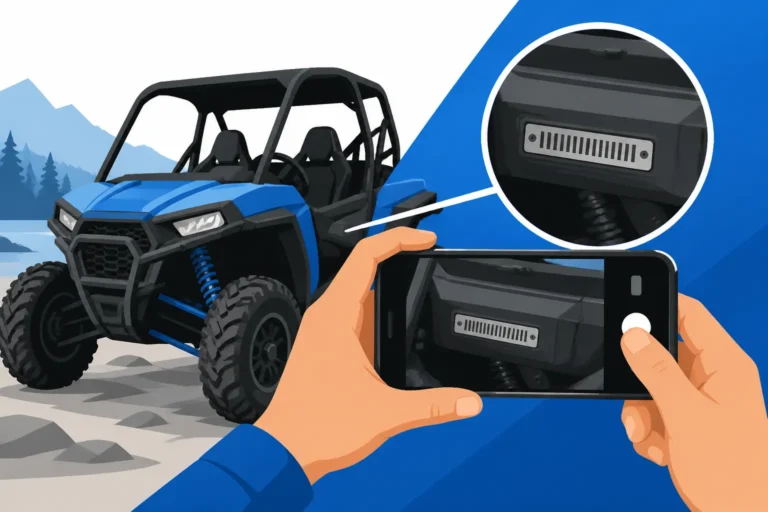
In British Columbia, getting out on our incredible Crown land requires your Off-Road Vehicle (ORV) to be registered. This isn't just a suggestion; it became mandatory in 2015 with the [BC Registration Became Mandatory in 2015] rules. Unlike highway vehicles, your ORV doesn't get a traditional "title" here, but rather a [BC's Certificate of Registration Explained] that ties your machine to you, the owner. And with that registration comes a physical number plate, which is essentially your ORV's identity card in the wilderness.
Think about it: when you're roaring down a [BC Forest Service Road Rules for ORVs] or navigating a challenging trail on [BC Crown Land Triggers the Registration Rule], law enforcement, conservation officers, and even fellow riders need a way to identify machines. An obscured plate isn't just a minor oversight; it's a barrier to identification, which can become a real problem in situations ranging from routine checks to accident reporting.
The provincial government put these rules in place for a good reason – to help manage the vast network of trails and resource roads, ensure accountability, and promote responsible riding. If your plate is hidden by a gear bag or a shovel, it effectively makes your registered machine look unregistered or untraceable, and that's a quick way to draw unwanted attention and potential legal trouble. You wouldn't drive your truck on the highway with a covered license plate, right? The same principle applies to your ORV on Crown land in BC.
The Role of Your ORV Plate
Your ORV plate is more than just a piece of metal or plastic; it's tangible proof that your machine is properly registered with the provincial authority. It connects your machine directly to the [BC's Certificate of Registration Explained] document that you are legally required to carry whenever you're riding off-highway. This link helps officers quickly verify that you've completed the necessary steps to operate your machine legally in the province.
Without a clearly visible plate, an officer has no immediate way to confirm that your ORV is indeed registered. This could lead to them stopping you for further investigation, which is a hassle nobody wants during a ride. It's not about being suspicious, but about upholding the regulations that ensure everyone is playing by the rules. Imagine a situation where an ORV is involved in an incident or is found abandoned; a visible plate is the first step in identifying the owner and addressing the situation.
Why Obscurity Invites Trouble
The regulations around ORV plates are quite clear: they must be securely attached and clearly visible. When cargo, mud, or even heavy brush obscures your plate, it creates an immediate issue. It’s not just about avoiding a ticket; it's about being a responsible member of the riding community. An obscured plate can make it seem like you're trying to avoid identification, even if that's not your intention at all. This can escalate a simple stop into a longer, more detailed interaction with law enforcement, as they might have to run your VIN or ask for additional paperwork to confirm your compliance.
Furthermore, if you're riding in an area with specific restrictions or closures, a visible plate allows authorities to quickly determine if your machine is permitted there. Without that immediate identification, they might assume the worst. So, while you might just be focused on getting your gear to camp, the small act of ensuring your plate is visible can save you a lot of grief and ensure your trip remains enjoyable and stress-free.
The Specifics of Plate Placement and Visibility
When it comes to your ORV plate in BC, visibility isn't just a recommendation; it's a legal requirement. The Off-Road Vehicle Act and its associated regulations outline where your plate should be and how it should appear. You can't just stick it anywhere and expect to be compliant. Understanding these rules is crucial to avoiding a fine and ensuring you're operating your machine legally.
The general rule of thumb is that the plate must be securely attached and clearly visible from the rear, or in some cases, the front or side, depending on the machine type and mounting options. For many quads and side-by-sides, this means on the rear, free from any obstruction. If you have a rear rack laden with gear, this becomes a critical consideration.
Legal Requirements for Plate Visibility
BC's regulations state that an ORV plate must be mounted in a position that ensures it is "clearly visible and legible." This means no mud, no dirt, and certainly no bags, tarps, or coolers blocking the view. The letters and numbers need to be easily read by someone standing behind (or in the designated viewing area for) your machine. [Keeping Your ORV Plate Clean Enough to Read] is just as important as where it's mounted.
Here’s what "clearly visible and legible" typically entails:
- Unobstructed View: There should be no cargo, parts of the machine, or anything else physically blocking the view of the plate from a reasonable distance.
- Cleanliness: The plate itself must be kept clean enough so that all characters are easily distinguishable. This is especially relevant on dusty trails or after splashing through puddles.
- Orientation: The plate must be mounted horizontally, with the numbers and letters facing the correct way up. You can't mount it sideways or upside down. [BC Plate Placement on Front, Back or Left] discusses the various accepted locations.
- Lighting (if applicable): While not explicitly requiring a dedicated plate light like highway vehicles, if you're riding at night or in low visibility, the general lighting rules for ORVs would imply that your plate should still be discernible.
If you're ever pulled over, an officer will assess these factors. If they can't easily read your plate, you could be facing a ticket for non-compliance. It's a simple rule, but one that's often overlooked in the excitement of packing for a trip.
Common Cargo Culprits
It's easy to accidentally cover your plate. We've all been there, trying to squeeze one last item onto the rack. But some cargo items are repeat offenders when it comes to plate obstruction.
Here are some common items that often hide ORV plates:
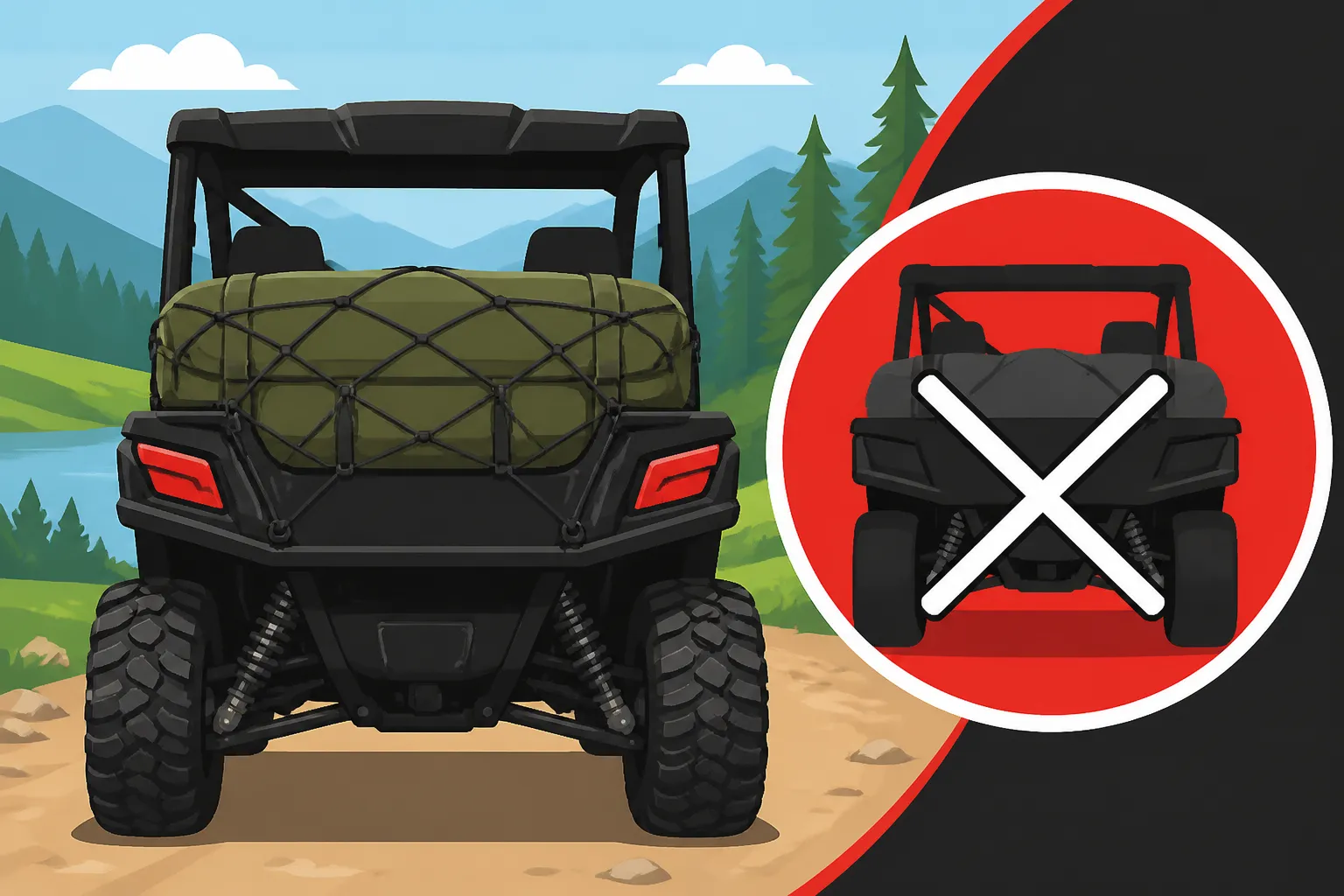
- Coolers and Storage Boxes: These are perhaps the most frequent culprits. Strapped down securely, they often sit directly over the rear rack, perfectly obscuring the plate below or behind them.
- Fuel Cans and Water Jugs: Auxiliary fuel or water containers, essential for longer trips, are often bungee-corded or strapped onto racks, sometimes right over the plate.
- Hunting Gear: Rifle cases, bows, and game bags can be bulky and, when secured to a rear rack, can easily block the plate.
- Camping Equipment: Tents, sleeping bags, tarps, and even a stack of firewood can be awkward to secure and often end up hanging over the plate.
- Recovery Gear: Shovels, high-lift jacks, or winch accessories strapped to the outside of your machine can also create an obstruction.
- Aftermarket Accessories: Sometimes, poorly placed spare tires, tire racks, or custom storage solutions can inadvertently block the plate if not designed with plate visibility in mind.
The key is to always do a quick visual check of your plate after you've finished loading and securing all your gear. It takes just a few seconds and can save you a lot of hassle down the trail.
Practical Solutions for Carrying Cargo Without Hiding Your Plate
So, you've got a lot of gear and a limited amount of space on your ORV, but you absolutely need to keep that plate visible. Don't worry, there are plenty of practical solutions that allow you to carry your essentials without breaking the law. It often just requires a bit of planning and sometimes some clever mounting.
The goal is to find a balance between maximizing your cargo capacity and ensuring full compliance with BC's ORV regulations. Remember, an ounce of prevention is worth a pound of cure, especially when it comes to avoiding a ticket in the backcountry.
Repositioning and Relocating
The simplest solution is often to reposition your cargo. Before you strap everything down, take a moment to consider the plate's location and how your items will sit. Can that cooler shift an inch or two to the left? Can you stack items differently?
Here are some ideas:
- Vertical Stacking: If an item is wide and flat, consider if it can be stacked vertically or on its side instead of horizontally, especially if it means clearing the plate.
- Offset Mounting: Rather than centering a cooler directly over the plate, can you mount it slightly to one side, perhaps using only part of the rack space, leaving the plate clear?
- Front Rack Utilization: If your ORV has a front rack, make use of it! Lighter, bulkier items that aren't too heavy for the front can be moved there, freeing up precious space and visibility on the rear.
- Use a Trailer: For truly large loads, consider an ORV-specific trailer. This allows you to haul a significant amount of gear without impacting your machine's plate visibility. Just remember that trailers have their own [BC Rules for Towing a Trailer].
Sometimes, the best solution involves physically relocating the plate itself, if your machine design allows for it. Some ORVs have factory mounting points that might be difficult to access once fully loaded. You might consider an aftermarket plate bracket that allows you to mount the plate higher, to the side, or even on a spring-loaded or swing-away mechanism that allows easy access when loading and unloading. Just ensure any custom solution still meets the visibility and security requirements.
Smart Storage Solutions and Accessories
Beyond just shifting items, investing in smart storage solutions can make a huge difference. Many aftermarket accessories are designed with ORV limitations in mind, including plate visibility.
- Specialized Rack Bags: Look for soft-sided rack bags that are designed to sit around or above the plate area, leaving a clear window for it. Some even have transparent pockets for the plate itself.
- Hard Cases with Cutouts: Certain hard storage cases or cargo boxes might have specific designs that account for plate placement, or you might be able to modify one with a cutout (though be careful not to compromise the integrity of the box).
- Vertical Mounts: For items like shovels or axes, consider vertical mounting brackets that attach to the side of your rack or roll cage, keeping them clear of the rear plate.
- Roll Cage Bags/Storage: Side-by-sides often have roll cages that offer additional mounting points for storage bags, netting, or tool rolls, pulling items off the main cargo bed.
- License Plate Relocation Brackets: There are many aftermarket brackets available that allow you to move your license plate to a more visible location, such as higher on the tailgate of a UTV, or integrated into a custom bumper. When selecting or fabricating one, always make sure it's robust enough to handle off-road vibrations and impacts, and that it still displays the plate horizontally and clearly.
Before heading out, perform a thorough check of your setup. Does your new accessory obscure the plate? How will your fully loaded cooler impact visibility? Take the time to adjust and re-secure your cargo until you're confident your plate is perfectly visible. This proactive approach will save you potential headaches and fines.
What Happens If Your Plate Isn't Visible?
You’ve packed up your ORV, you’re hitting the trails, and you suddenly realize your plate is completely covered by that oversized dry bag. Or maybe you thought it was fine, but a Conservation Officer thinks differently. What happens next? In British Columbia, operating an ORV with an obscured or unreadable plate can lead to a violation ticket, and nobody wants that to put a damper on their riding day.
It's not just about the monetary penalty, either. It’s also about the time spent dealing with the situation, the potential for further scrutiny, and the overall stress that comes from an unplanned interaction with law enforcement when you're just trying to enjoy the outdoors.
Understanding the Penalties
Operating an ORV with an unreadable or improperly displayed plate falls under the Off-Road Vehicle Act regulations. While specific fine amounts can change, generally, tickets for such infringements are issued to encourage compliance with registration and identification rules.
An officer, whether from the RCMP or a Conservation Officer Service, has the authority to issue a [BC Fines for Careless Operation] or, in this case, a fine specifically for an obscured plate. The penalty could range from a minor fine to something more substantial, depending on the circumstances and the officer's discretion. In some cases, if the plate is deemed completely unidentifiable, it could even raise questions about whether the machine is registered at all, potentially leading to additional tickets for an unregistered machine, which is a more serious offense.
It’s always best to be proactive and ensure your plate is perfectly visible before you even leave your staging area. This simple step can save you the cost of a ticket and the hassle of dealing with the aftermath.
Interactions with Law Enforcement
If you are stopped by an officer because your plate is obscured, how the interaction goes can depend heavily on how you handle it. Generally, officers are looking for compliance and cooperation.
Here’s what you might expect and how to respond:
- The Stop: An officer will signal you to stop. Pull over safely and turn off your engine.
- Identification Request: They will likely ask for your identification and your [BC Riders Must Carry the Certificate]. This is where having all your documents in order, perhaps even using a service like LawDepot to organize any bills of sale or [BC Statutory Declarations Cost $15] if you’ve had ownership transfers, can make a difference in demonstrating you’re a responsible owner.
- The Question: They will then address the issue of your obscured plate, asking you to remedy the situation.
- Your Response: Be polite and cooperative. Acknowledge the issue and offer to fix it immediately if possible. For example, "Oh, I apologize, officer. I can definitely move this bag right away to clear the plate."
- Resolution: Depending on the severity of the obstruction, your cooperation, and the officer’s discretion, they might issue a warning and ask you to fix it, or they might proceed with a violation ticket. If you can fix it on the spot and demonstrate an understanding of the rules, you might have a better chance of receiving just a warning.
Remember, an officer’s job is to enforce the law and ensure safety. By making sure your plate is visible, you’re not only following the rules but also making their job easier and contributing to a safer, more accountable riding environment for everyone. It’s a small detail that speaks volumes about your approach to responsible ORV operation.
| Cargo Type | Common Obstruction Issue | Recommended Solution |
|---|---|---|
| Coolers/Storage Boxes | Sits directly over the plate | Offset mounting, vertical stacking (if design allows), use a front rack, consider a trailer. |
| Fuel/Water Cans | Strapped across the plate | Use specialized vertical mounts, position them on sides of rack, secure to roll cage, relocate to front rack. |
| Tents/Sleeping Bags | Overhangs the plate | Roll/compress tightly, use rack extender baskets, secure higher on rack, utilize roll cage storage (for UTVs). |
| Shovels/Tools | Laid flat or angled over plate | Mount vertically on side of rack/roll cage, use dedicated tool clamps that secure away from plate. |
| Game Bags/Hunting Gear | Bulky items draped over plate | Use dedicated cargo racks designed for hunting, secure higher on main rack, utilize a game trailer, or front rack. |
| Spare Tire | Mounted directly behind the plate | Use a tire carrier that allows plate relocation, mount to the side of the cargo bed, or higher on the cage (for UTVs). |
Disclaimer
This article is for general informational purposes only and does not constitute professional advice. Laws, prices and regulations vary by location and change over time. Consult a qualified professional for guidance on your specific situation.