Photographing a VIN for the Broker
Finding and clearly photographing your ATV or UTV's Vehicle Identification Number (VIN) can feel like a scavenger hunt, especially if your machine has seen a few muddy seasons or if you're registering an older model. Many riders get frustrated trying to locate that elusive string of numbers, only to discover it's caked in mud, obscured by a component, or faded with age. This guide will walk you through exactly why your broker needs this photo, where to typically find your VIN in BC, and practical tips to ensure you capture a picture that makes your registration process smooth and hassle-free.
Why Your Broker Needs That VIN Photo
When you head to an Autoplan broker in British Columbia to register your off-road vehicle (ORV), they're not just taking your word for it. They're acting as a critical link in the provincial registration system, tasked with verifying crucial details about your machine. The VIN photo isn't just a formality; it's a vital piece of the puzzle that ensures everything is above board.
Verifying the Machine's Identity
Think of the VIN as your ORV's unique fingerprint. It's a 17-character code that identifies the manufacturer, make, model year, and specific details about that individual machine. Your broker needs to see this number clearly to enter it into the provincial system. This is absolutely essential for linking the machine to you, the owner, and ensuring accuracy in the provincial database. Without a clear VIN, they can't confirm the machine's true identity, which stalls the whole registration process. They're looking for that exact sequence of numbers and letters, legible and unobstructed, to match against any existing records or to create a new one.
Matching Ownership Documents
Part of the broker's job during registration or a [BC Transfer of Ownership Explained] is to ensure the VIN on the machine matches the VIN on your ownership documents, such as a bill of sale or previous [BC's Certificate of Registration Explained]. If you've just bought your machine, the bill of sale should clearly list the VIN. A mismatch, or an illegible VIN on either the machine or the document, raises red flags. This verification step is crucial for establishing [BC Ownership Chains Going Back Decades] and preventing fraud. If the VIN on your machine doesn't align with the paperwork, or if the paperwork itself is missing or incomplete, it creates a significant hurdle for the broker. They might ask for additional steps, like a [BC Statutory Declaration for an ORV], to affirm your ownership. For important legal documents like these, platforms like LawDepot can be useful for drafting statutory declarations if you ever find yourself in a bind with missing paperwork and a clear VIN.
Protecting Against Stolen Machines
Unfortunately, ATV and UTV theft is a reality. The VIN is the primary tool law enforcement uses to track stolen vehicles. When your broker registers your machine, they're essentially adding it to a provincial database that can be cross-referenced with stolen vehicle registries. A clear VIN photo helps your broker confirm they aren't inadvertently registering a stolen machine. They might run a quick check using the VIN to make sure it hasn't been reported stolen. This protective measure benefits everyone, helping to ensure that the machine you're buying is legitimately yours to own and register. This step is part of the broker's due diligence, protecting both you and the integrity of the provincial registration system.
Hunting for Your VIN: Common Locations on ATVs and UTVs
Locating the VIN on an off-road vehicle can sometimes feel like searching for a needle in a haystack, especially after years of use, mud, and trail grime. Unlike cars, where the VIN is usually prominently displayed on the dashboard or door jamb, ORVs can have it in less obvious spots. Knowing where to start looking can save you a lot of time and frustration.
Where to Look on Quads and ATVs
For most quads and ATVs, the VIN is typically stamped directly onto the frame. One of the most common places is on the lower left side of the frame, often near the front wheel well or beneath the handlebars. You might need to turn the handlebars all the way to one side to get a clear view. Another frequent spot is on the front tube of the frame, usually just behind the bumper. Sometimes, manufacturers place it on the right-hand side, near the footpeg or under the seat. For older models, it can be even trickier, occasionally hidden on the engine casing itself. Always bring a flashlight, a rag, and possibly a stiff brush, because years of mud, rust, and debris love to collect in these areas. You're looking for a small, rectangular plate or a series of stamped characters on a flat part of the frame. Referencing your owner's manual can also pinpoint the exact [Serial Numbers and Where They Hide] on your specific make and model.
Finding the VIN on Side-by-Sides and UTVs
Side-by-sides (UTVs) often have more space, which can mean more potential hiding spots for the VIN. A very common location is on the driver's side frame rail, typically under the door opening or beneath the driver's seat. You might have to lift the seat or even remove a plastic panel to expose it. Another frequent spot is on the firewall, which is the panel separating the cabin from the engine compartment, often on the driver's side. Sometimes, it's near the passenger's side footwell, or on the crossmember of the frame in the front or rear. Because UTVs have more bodywork, you might need to peer into crevices or even temporarily unclip a piece of plastic fender to get a clear line of sight. Again, a good flashlight is your best friend here, as these areas can be shadowed or caked with dirt.
Table of Common VIN Locations
To give you a quick reference, here’s a table summarizing the most common places to search for your ORV’s VIN:
| Machine Type | Primary Location(s) | Secondary Location(s) | Tips for Finding |
|---|---|---|---|
| ATV / Quad | Lower left frame rail (near front wheel) | Front frame tube, under seat, right-hand frame near footpeg, engine casing (older models) | Turn handlebars, use flashlight, clean thoroughly. |
| Side-by-Side / UTV | Driver's side frame rail (under door/seat) | Firewall (driver's side), passenger footwell, front/rear frame crossmember | Lift seat, remove panels, use flashlight, clean thoroughly. |
Regardless of where you find it, ensure the area is clean enough to reveal all 17 characters clearly.
Getting the Perfect Shot: Tips for Clear VIN Photos
Once you've located that elusive VIN, the next step is to capture a photo that your broker can actually use. This isn't just about snapping a quick picture; it's about ensuring every character is legible and the context of its location is clear. A blurry or poorly lit photo will only lead to delays and frustration, requiring you to go back and reshoot.
Lighting and Angle Are Key
Good lighting is paramount. If you're in a dimly lit garage, bring in a powerful work light or try to move the machine outdoors into natural daylight. Avoid harsh, direct sunlight that can create glare on metal surfaces or deep shadows that obscure parts of the VIN. If using a flashlight, position it to illuminate the numbers without creating a hotspot or reflection that washes them out.
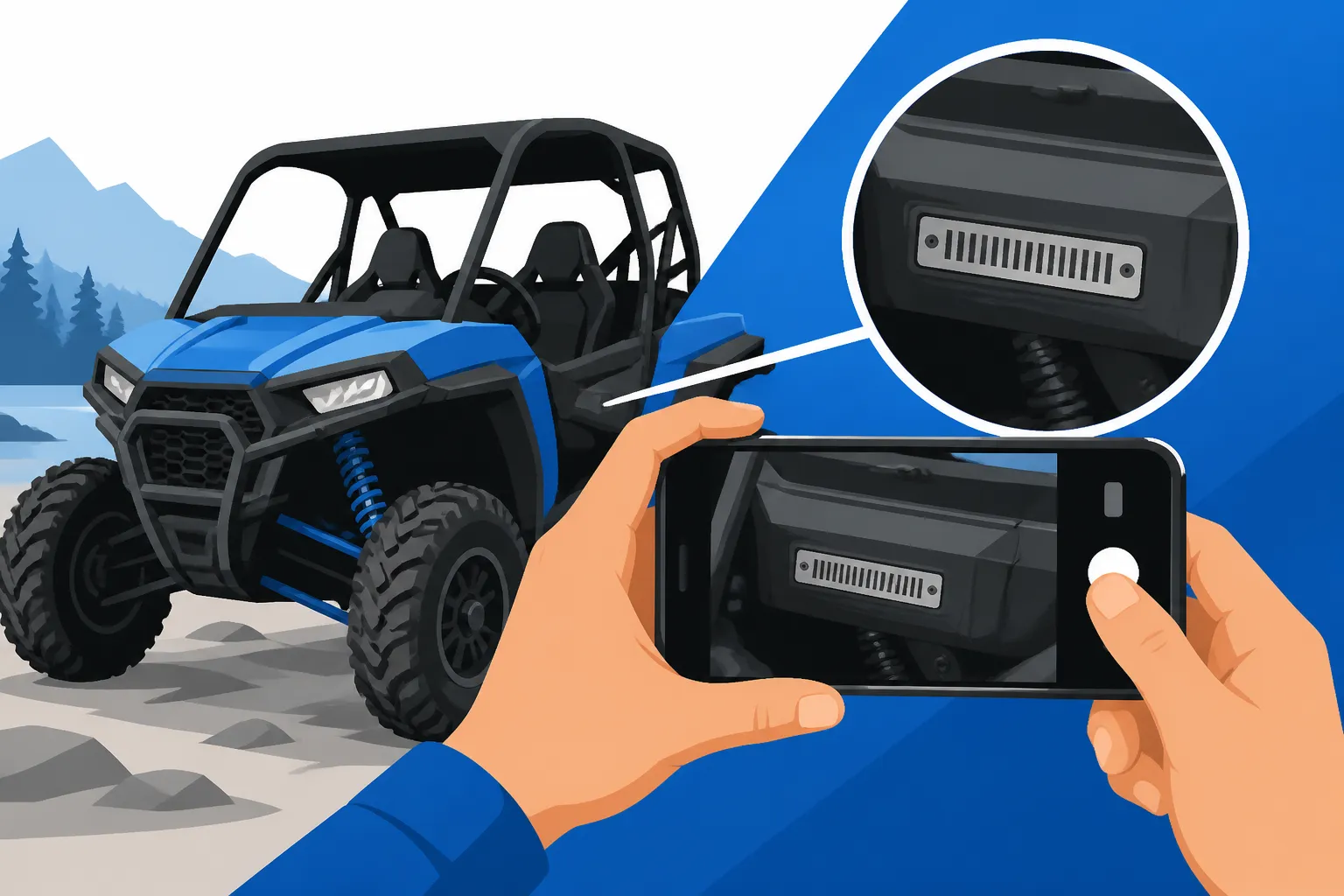
When it comes to angle, try to get as straight on as possible. Photographing at an extreme angle can distort the characters, making them hard to read. Take multiple shots from slightly different angles to give your broker options. Ensure your phone or camera is held steady to prevent blur. A quick tip: tap your phone screen on the VIN itself to help it focus correctly before snapping the picture. Sometimes, it helps to take one wider shot that shows the general area of the VIN (e.g., the part of the frame it's on) and then a very close-up shot of the numbers themselves. This combination helps the broker understand both the specific characters and their exact location on the machine.
Cleaning the Area for Clarity
Years of off-road adventures mean your VIN is likely caked in mud, grease, and grime. Before you even think about taking a photo, grab a stiff brush, some rags, and a cleaner or degreaser. Scrub the area around the VIN thoroughly until all 17 characters are clearly visible. If there's rust, gently try to remove any loose flakes, but don't damage the stamped numbers. Sometimes, a bit of chalk or a white crayon rubbed over the stamped numbers can make them pop out more, creating a clearer contrast for the camera. Just be sure to wipe away any excess so you're not obscuring the numbers themselves. A perfectly clean VIN ensures there's no ambiguity when your broker reviews the photo. Remember, your broker is looking for accuracy to complete your [BC ORV Registration Paperwork Checklist].
Multiple Shots and Context
Don't rely on just one photo. Take several from slightly different angles and distances. You want at least one very clear, close-up shot where the VIN is perfectly legible. Then, take a wider shot that shows the VIN in context—for example, showing the frame rail where it's located, or the part of the engine casing. This wider shot helps your broker confirm that the VIN belongs to your machine and isn't just a random number. Some riders find it helpful to place a ruler or a familiar object next to the VIN in one photo to give a sense of scale, although legibility is the primary goal. The more clear, contextual photos you provide, the less likely your broker will have questions or require resubmissions, moving you closer to getting your [BC ORV Number Plates and Decals] on your machine.
Troubleshooting Common VIN Photo Problems
Even with the best intentions, getting a perfect VIN photo can present challenges. Whether it's an old machine with faded stamps, rust, or an awkward location, anticipating these problems can help you overcome them or know when to seek further assistance.
Dealing with Rust, Dirt, or Fading
Rust and dirt are the arch-enemies of a clear VIN photo. As mentioned, scrubbing the area is your first line of defense. For stubborn rust, you might need a wire brush or even a rust-removing spray, but use caution not to damage the underlying metal or obscure the numbers further. If the VIN is simply faded with age, try the chalk or crayon trick mentioned earlier. Lightly rub white chalk over the stamped numbers and then gently wipe away the excess on the surface, leaving the chalk in the indentations. This contrast can often make even very faint numbers pop out for the camera. If all else fails and the VIN remains illegible despite your best efforts, immediately inform your [BC Autoplan Brokers Handle ORV Registration]. They have experience with these situations and can guide you on the next steps, which might involve a [BC Statutory Declaration for an ORV] to affirm ownership of a machine with a compromised VIN. LawDepot can be a helpful online resource if you need to quickly draft official documents like this.
What if the VIN is Obscured or Missing?
Sometimes, the VIN is located in such an awkward spot that it's nearly impossible to get a clear, straight-on shot without disassembling part of your machine. If it's under a plastic fender or a component that's relatively easy to remove, it might be worth the extra effort for a clear photo. However, don't attempt major disassembly if you're not comfortable or if it requires specialized tools. If the VIN is truly obscured by a permanent component or if it appears to be entirely missing (which is rare but can happen on extremely old or heavily modified machines), you must communicate this clearly to your broker.
A missing or significantly altered VIN is a serious issue. Your broker will need to investigate further and might advise specific steps, potentially including contacting the manufacturer or undergoing a more rigorous verification process. In some extreme cases, particularly for [BC Registration When the VIN Is Gone], additional documentation or even a police report might be required to ensure the machine isn't stolen and to establish a clear chain of ownership. This is a critical point where honesty and transparency with your broker are paramount to avoid any legal complications later on. They are there to help navigate these complex situations.
When to Seek Broker Assistance
If you've tried all the tips above—cleaning, getting good lighting, taking multiple angles—and you still can't get a photo that you feel is clear enough, don't hesitate to reach out to your Autoplan broker. It's much better to ask for guidance early than to submit inadequate photos and face delays. You can even bring your ORV to the broker (if practical) so they can see the VIN themselves, or at least describe the problem to them in detail. They might have specific advice, tools, or even direct experience with your particular make and model. Remember, the broker's goal is to get your machine registered correctly, and they've likely seen every VIN problem imaginable. Their expertise is invaluable in navigating the [BC ATV Registration Requirements] and ensuring your documentation is in order for your next adventure on BC's trails.
| Common VIN Photo Problem | Solution Steps |
|---|---|
| Too Dirty/Muddy | Thoroughly scrub with a stiff brush and degreaser. |
| Rusted Over | Gently clean with a wire brush; use chalk/crayon trick for contrast. |
| Faded/Illegible | Apply white chalk or crayon into stamped numbers for contrast. |
| Poor Lighting | Move machine to natural light or use strong work lights; avoid glare. |
| Blurry Photo | Ensure camera is steady; tap screen to focus; take multiple shots. |
| Awkward Location | Try extreme angles; consider minor, safe panel removal if necessary. |
| Completely Missing | Immediately inform your broker for guidance on statutory declarations or other steps. |
Disclaimer
This article is for general informational purposes only and does not constitute professional advice. Laws, prices and regulations vary by location and change over time. Consult a qualified professional for guidance on your specific situation.