BC Impaired Riding Penalties
It's an unfortunate truth that sometimes, the thrill of tearing up a trail on your ATV or UTV gets mixed with the temptation of a few drinks or other substances. We've all been around the campfire, or seen folks make questionable choices before hitting the throttle. But what many riders don't fully grasp are the incredibly serious and life-altering consequences of impaired riding in British Columbia. This guide is going to walk you through exactly what those penalties entail, from immediate roadside repercussions to long-term criminal records and financial devastation, so you can make informed, safe choices every time you ride.
What Does "Impaired" Mean When You're Riding an ATV in BC?
Let's clear the air right away: "impaired" isn't just about being visibly drunk and swerving all over a highway. When you're talking about operating an Off-Road Vehicle (ORV) in British Columbia, the definition is broad and the rules are stringent. It means your ability to safely operate your ATV, UTV, dirt bike, or snowmobile is compromised by alcohol, drugs (legal or illegal), or even medication. The crucial part often misunderstood is that these rules apply wherever you're riding, not just on paved roads.
Alcohol and Drug Impairment on the Trails
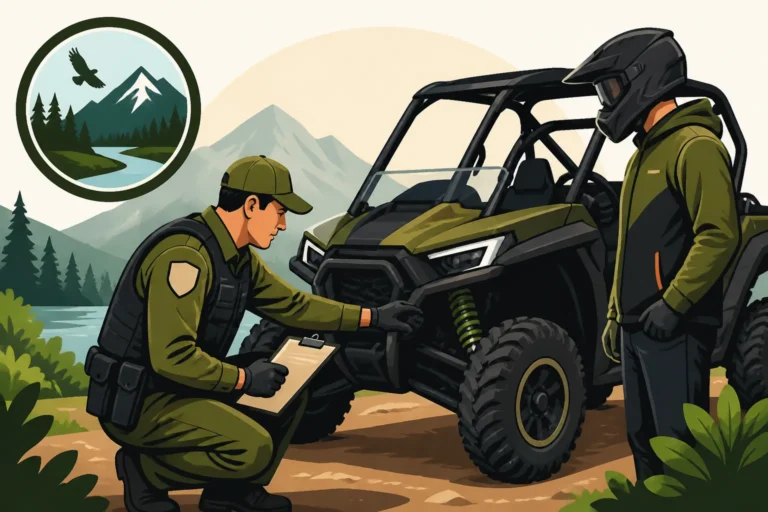
The Criminal Code of Canada doesn't differentiate between driving a car on Highway 1 and riding your quad on a remote forest service road. Under the law, your ATV or UTV is considered a "conveyance," which is a fancy legal term meaning any vehicle or vessel used for transportation. This means that all federal impaired driving laws apply directly to you, whether you're ripping through a muddy field on private property (with permission, of course) or cruising an active resource road. So, that beer you thought was okay because you weren't "on the road"? It absolutely counts. The same goes for cannabis, prescription drugs that impair judgment, or any other substance that affects your motor skills, reaction time, or decision-making. Police and Conservation Officers have the authority to enforce these laws, and they do. [BC Impaired Riding and the Criminal Code] outlines how serious the federal government views this offense.
It’s easy to think that because you’re "off-road," the rules are different or less strict. This couldn't be further from the truth. The danger you pose to yourself, your passengers, and other trail users is just as real, if not more so, in a backcountry setting where help can be hours away. Imagine trying to navigate rough terrain, steep climbs, or tight turns with dulled reflexes. The risk of a serious accident skyrockets, and the legal fallout for impaired operation is equally devastating regardless of the terrain.
The Legal Limits and What They Imply
When it comes to alcohol, BC, like the rest of Canada, has a legal limit of 80 milligrams of alcohol per 100 millilitres of blood (0.08 BAC). However, don't forget about the "warn range" of 0.05 to 0.08 BAC, where you can still face immediate roadside prohibitions, even if you're not criminally charged. For drugs, there isn't a single, universal BAC-like number because different drugs affect individuals so differently. Instead, officers are trained to identify impairment through observation and standardized field sobriety tests.
If an officer suspects you're impaired, they can administer these tests right on the spot. This could involve walking a straight line, standing on one leg, or following a moving object with your eyes. If they have reasonable grounds to believe you're impaired by drugs, they can then demand a blood sample or call in a Drug Recognition Expert (DRE). A DRE is a highly trained officer who can conduct a comprehensive evaluation to determine if you're impaired and, often, what category of drug is causing the impairment. Refusing to comply with any of these demands carries the same penalties as failing them, so it's not a way to escape the consequences.
The Immediate Consequences of Impaired Riding in BC
When an officer pulls you over or stops you on the trail and suspects impairment, the consequences can kick in immediately, leaving you stranded and facing significant hassle and expense before any court proceedings even begin. These immediate penalties are designed to get impaired individuals off the trails and roads right away.
Roadside Prohibitions and Licence Suspensions
Even if your blood alcohol content (BAC) is in the "warn range" (between 0.05 and 0.08), or if an officer believes you're impaired by drugs, you can face an immediate roadside prohibition. These are administrative penalties, meaning they're issued by the police and don't require a court conviction.
Here’s a snapshot of what you might face:
- 24-Hour Prohibition: Often issued for minor impairment or if an officer believes alcohol or drugs are present, but not necessarily at a criminal level. It means you can't operate any motor vehicle for 24 hours.
- 3-Day, 7-Day, or 30-Day Immediate Roadside Prohibition (IRP): For BACs in the warn range, or if you fail a sobriety test. These prohibitions come with significant fines and can also lead to vehicle impoundment. Your regular driver's licence will be suspended for the duration, and points will be added to your driving record. This isn't just about driving a car; it applies to your ORV as well.
- 90-Day IRP: Issued if you blow over the 0.08 criminal limit, refuse a breath or drug demand, or fail a DRE evaluation. This is a severe administrative penalty that often precedes criminal charges. It carries steep fines, your vehicle will be impounded for 30 days, and you'll be required to pay for mandatory remedial programs. This can deeply impact your ability to get to work or handle daily tasks, especially if you live somewhere without robust public transit.
Many riders are shocked to learn that their regular driver's licence is impacted by an ORV infraction. But remember, an ORV is a conveyance, and impaired operation of any conveyance reflects on your overall driving privilege. You might also want to consult [BC Police Operation Permits for Highway Travel] for rules that apply when crossing roads.
Vehicle Seizure and Impoundment
One of the most immediate and impactful consequences of impaired riding is the seizure and impoundment of your ATV or UTV. If you're issued an IRP or charged with impaired operation, the police have the authority to impound your machine right then and there. This isn't just an inconvenience; it's a significant financial hit.
Consider this scenario: You're out riding trails in the Okanagan, a couple of hours from home, and you get pulled over. If your machine is impounded, it will be towed to a police-approved facility, potentially quite a distance away. You'll be responsible for:
- Towing Fees: These can be substantial, especially from remote locations.
- Storage Fees: Your machine will accrue daily storage charges until you're legally able to retrieve it. These can quickly add up over a 7, 30, or even 90-day impoundment period.
- Impoundment Release Fees: There might be administrative fees charged by the police or impound lot before your vehicle can be released.
All these costs fall squarely on your shoulders. It’s not uncommon for these fees to run into hundreds, or even thousands, of dollars. And let's not forget the logistics of getting yourself home from a remote area after your vehicle has been towed away, especially if you don't have cell service or a buddy nearby. [BC Machine Seizures by Police] elaborates on the legal grounds for these actions.
Serious Penalties Under the Criminal Code of Canada
While immediate roadside prohibitions are administrative, being charged with impaired operation under the Criminal Code of Canada is a whole different ballgame. This is where the truly life-altering consequences come into play, potentially leaving you with a criminal record that can haunt you for decades.
First Offence Penalties
Even for a first-time offence, the penalties are far from minor:
- Mandatory Minimum Fines: The federal government has set minimum fines for impaired driving convictions. For a first offence where your BAC is just over 0.08, you're looking at a minimum fine that will be substantial. If your BAC is higher, or if you refuse a breath or drug demand, the minimum fine increases significantly. These aren't minor tickets; they are serious financial penalties meant to deter repeat behaviour.
- Driving Prohibitions: A first conviction will result in a mandatory driving prohibition, typically for a minimum of one year. This means you cannot legally operate any motor vehicle (car, truck, motorcycle, ORV) for that entire period. Imagine going a full year without being able to drive to work, pick up groceries, or even enjoy your favourite ATV trails. The impact on your daily life and independence can be immense.
- Ignition Interlock Devices: After your driving prohibition ends, you may be required to install an ignition interlock device in your vehicle(s) for a certain period. This device prevents your vehicle from starting if it detects alcohol on your breath. The cost of installing, maintaining, and removing these devices is entirely your responsibility, adding another layer of expense.
- Criminal Record: Perhaps the most devastating consequence is acquiring a criminal record. This isn't something that just goes away; it stays with you. A criminal record can affect your ability to travel internationally (especially to the United States, where even a single impaired driving conviction can make you inadmissible without a special waiver). It can also impact job prospects, volunteer opportunities, and even housing applications. It marks you as someone who has committed a serious crime.
Subsequent Offence Penalties
If you've been convicted of impaired operation once and then get caught again, the penalties escalate dramatically. The justice system takes repeat offences very seriously, and the consequences reflect that severity:
- Increased Fines and Longer Prohibitions: Second and subsequent offences come with significantly higher fines and much longer driving prohibitions, often extending for several years.
- Mandatory Jail Time: This is a crucial difference. For a second impaired driving offence, there is a mandatory minimum jail sentence of 30 days. For a third or subsequent offence, the mandatory minimum jumps to 120 days. This means spending real time behind bars, with all the associated disruption to your life, family, and employment.
- Permanent Criminal Record: The impact of a criminal record deepens with repeat offences, further limiting your opportunities and freedom. The stigma and practical barriers become even more entrenched.
Aggravating Factors and Enhanced Penalties
The penalties described above are just the starting point. Several factors can "aggravate" the offence, leading to even harsher sentences, including higher fines, longer driving prohibitions, and extended jail terms:
- Accident Involvement: If your impaired riding leads to an accident, even a minor one, the penalties will be more severe.
- Injury or Death: If someone is injured or, tragically, killed as a result of your impaired operation, you could face charges of impaired driving causing bodily harm or impaired driving causing death. These are among the most serious offences in the Criminal Code, carrying potential life sentences in prison.
- High Blood Alcohol Content: If your BAC is significantly over the legal limit (e.g., twice the limit), the courts will view this as a more egregious offence and impose stiffer penalties.
- Minor Passengers: Operating an ORV while impaired with a child or youth as a passenger is considered a serious aggravating factor, often leading to enhanced sentences due to the increased risk to a vulnerable person.
- Dangerous Driving Conditions: Factors like driving at excessive speeds, reckless maneuvers, or riding in particularly dangerous conditions while impaired can also lead to more severe outcomes.
These enhanced penalties highlight just how critically the legal system views the combination of impairment and irresponsible operation of any vehicle, including your beloved ATV or UTV.
Beyond the Fines: Hidden Costs and Long-Term Impacts
The direct fines, prohibitions, and jail time are only part of the story. An impaired riding conviction casts a long shadow, leading to a cascade of hidden costs and long-term impacts that can significantly alter your life for years, if not decades.
Financial Burdens You Might Not Expect
When you're dealing with an impaired riding charge, the financial drain goes far beyond the initial fines:
- Increased Insurance Premiums: Your vehicle insurance, for all vehicles you own (car, truck, motorcycle, ORV), will skyrocket. Insurance companies view impaired driving as a major risk factor, and your premiums could be unaffordable or you might even struggle to find coverage at all. This financial penalty can last for years after your conviction. [BC ATV Insurance Cost Per Year] often doesn't factor in this kind of risk.
- Legal Fees: Navigating the legal system is complex and expensive. You'll likely need a lawyer to represent you, and legal fees can easily run into thousands, or even tens of thousands, of dollars, especially if the case goes to trial.
- Remedial Programs and Education: You'll almost certainly be required to complete specific educational or rehabilitation programs related to impaired driving. These programs come with their own fees, and failure to complete them can lead to further licence suspensions.
- Lost Wages and Employment Opportunities: If your licence is suspended, getting to and from work can become a massive challenge, potentially leading to job loss. Furthermore, many employers conduct criminal record checks, and an impaired driving conviction can prevent you from getting certain jobs, especially those that involve driving, operating machinery, or positions of trust. Even if you work in a field that seems unrelated, the black mark on your record can limit career advancement.
The cumulative effect of these financial burdens can be crippling, leading to debt, stress, and a significant downgrade in your quality of life.
Reputational Damage and Social Consequences
Beyond the direct financial and legal hits, an impaired riding conviction can severely damage your reputation and lead to significant social consequences:
- Social Stigma: Being known as someone convicted of impaired driving carries a strong social stigma. It can strain relationships with family and friends who may be disappointed or concerned by your choices.
- Travel Restrictions: As mentioned, a criminal record, especially for impaired driving, can make it extremely difficult to travel to other countries, particularly the United States. You might be denied entry at the border, disrupting vacation plans, business trips, or even visits to family members. This can be a particularly frustrating and isolating consequence.
- Community Involvement: If you're involved in community groups, sports clubs, or volunteer organizations, an impaired driving conviction might affect your ability to participate or hold leadership roles.
- Loss of Trust: There can be a profound loss of trust from those around you – friends, family, and colleagues – who may question your judgment and reliability. Rebuilding that trust can be a long and challenging road.
These long-term impacts can be just as, if not more, difficult to deal with than the immediate penalties, affecting every aspect of your life for years to come.
Staying Safe: Responsible Choices for Your BC ATV Adventures
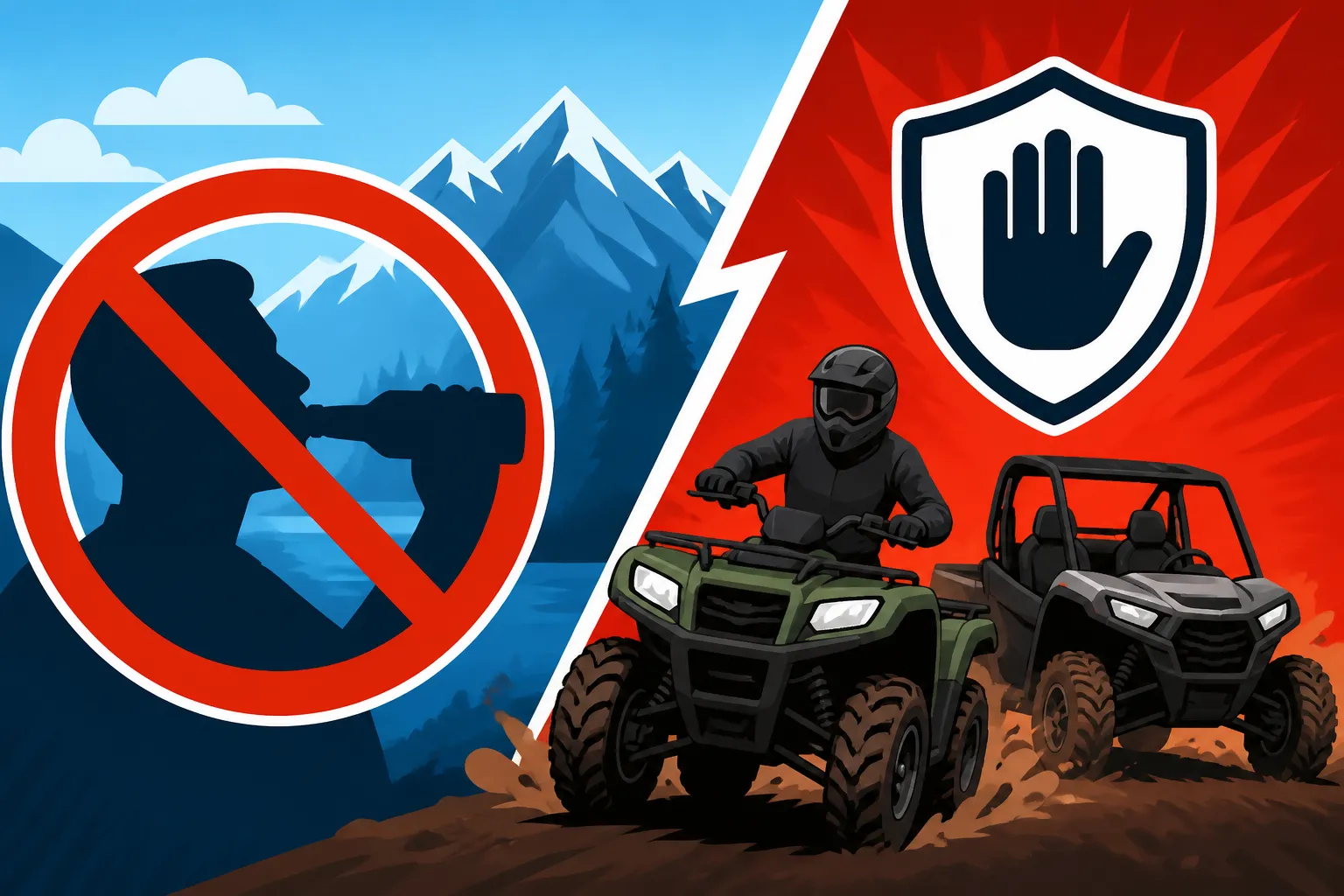
Given the severe consequences, the best approach to enjoying BC's incredible trails and scenery is simple: never ride impaired. Responsible choices aren't just about avoiding legal trouble; they're about ensuring your safety and the safety of everyone around you.
Plan Ahead for Your Rides
The key to avoiding impaired riding is preparation and conscious decision-making before you even leave home:
- Designated Driver (or Rider!): If your group plans to have alcoholic beverages at your campsite or staging area, designate a sober rider who will be responsible for operating the machines. This person commits to staying sober throughout the day.
- No-Alcohol Rides: Better yet, plan rides that are completely alcohol-free. Save the celebratory drinks for after the machines are parked, unloaded, and secured for the night. Enjoy non-alcoholic options like sparkling water, juice, or good old coffee during your ride.
- Separate Drinking from Riding: Make a clear distinction. If you’re going to be drinking or consuming other substances, then the ATVs and UTVs stay parked. The risks aren't worth the momentary pleasure. Use proper [BC Crown Land Camping on a Ride] rules and ensure your camp is set up responsibly.
- Know Your Medications: Be aware of how any prescription or over-the-counter medications affect you, especially if they carry warnings about operating heavy machinery. If in doubt, err on the side of caution and don't ride.
The Importance of a Good Community and Gear
Riding with a responsible crew and ensuring your machine is properly equipped are vital components of safe ORV use, further underscoring why impaired riding has no place in the backcountry.
- Ride with Responsible Friends: Surround yourself with a riding community that values safety and responsible choices. Friends who would never let you ride impaired are invaluable. They look out for you, and you look out for them.
- Proper Lighting and Accessories: Even when sober, proper visibility is crucial, especially if you find yourself riding later than planned. Make sure your ATV or UTV is equipped with high-quality lights, front and rear, to see and be seen. Companies like SuperATV offer a fantastic range of aftermarket lighting solutions, from powerful LED light bars to essential brake lights, that can make a huge difference in low-light conditions. These accessories enhance safety for everyone on the trail. [BC Lighting and Seat Belt Requirements] are in place for a reason.
- Essential Safety Gear: Always wear a helmet that meets provincial standards, eye protection, sturdy boots, gloves, and appropriate riding apparel. While this gear won't prevent an impaired driving charge, it's your first line of defense in an accident, which is far more likely if you're riding impaired. [BC ATV Helmet Law Explained] covers what you need to know about head protection.
- Equip for Self-Sufficiency (Sober): Having a winch, a basic tool kit, a first-aid kit, and navigation tools makes you prepared for the unexpected. These tools are meant to get you out of mechanical trouble, not trouble caused by poor judgment due to impairment.
By making responsible choices and planning ahead, you can fully enjoy the incredible freedom and adventure that comes with exploring British Columbia's backcountry on your ATV or UTV, without risking your future or the safety of others.
Disclaimer
This article is for general informational purposes only and does not constitute professional advice. Laws, prices and regulations vary by location and change over time. Consult a qualified professional for guidance on your specific situation.