No Helmet Needed With a Belt and Cage
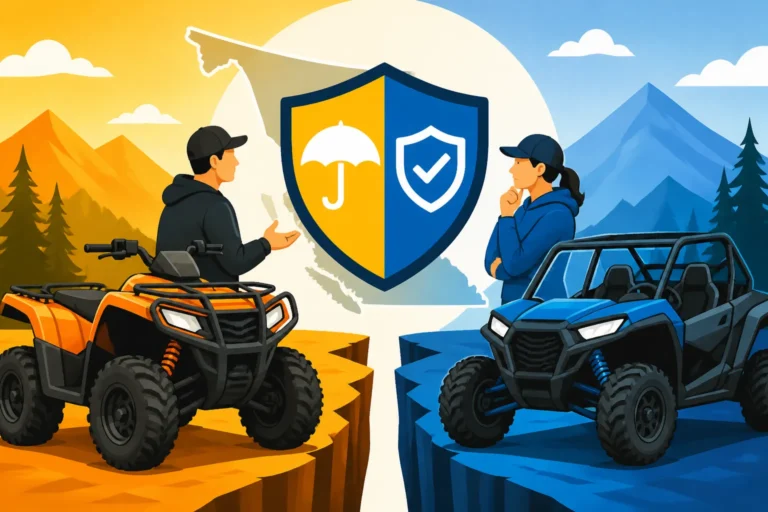
Navigating the rules and regulations for off-road vehicles (ORVs) in British Columbia can sometimes feel like trying to find your way through a dense forest without a compass. One of the most common head-scratchers for riders, especially those stepping up from a traditional quad to a side-by-side, revolves around helmet requirements. The question of whether a helmet is truly necessary when your machine comes equipped with a belt and a cage is a very real point of confusion. This comprehensive guide aims to untangle those specific regulations, giving you a clear path forward on what BC law dictates for your safety gear on the trails.
The Foundation: BC's Helmet Law for Off-Road Vehicles
Before we dive into the specifics of side-by-sides, it's crucial to understand the baseline for helmet use across all off-road vehicles in British Columbia. The province's Off-Road Vehicle Act and its associated regulations are quite clear on this for the most common types of machines you see out on the trails. This foundational understanding helps highlight where the "belt and cage" distinction truly makes a difference.
The Basic Rule for Ride-Astride Machines
If you're riding an ATV—that classic four-wheeled quad where you straddle the machine like a horse—or a dirt bike, the rules are unequivocally straightforward: you must wear an approved helmet. There's no grey area here. These are classified as "ride-astride" machines, and the law treats them similarly to motorcycles on public roads in terms of head protection. It doesn't matter if you're just puttering around a field, tackling gnarly mountain trails, or cruising down a forest service road; if you're astride your machine, that helmet needs to be securely fastened.
Think about a typical Saturday morning ride in the Okanagan or up a resource road near Prince George. You see plenty of folks out on their quads, ready for adventure. If you're one of them, the first piece of gear on your checklist, after fuel and water, absolutely has to be your helmet. For instance, imagine a sudden dip or an unexpected rock on a winding trail outside of Kamloops. Even at moderate speeds, an unexpected jolt can throw you off balance. Without the immediate protection of a helmet, a simple fall could turn into a severe head injury. The law, quite simply, insists on this vital protection. You can read more about what's required in [BC ATV Helmet Law Explained].
Why Helmets Are Crucial for Quads
The mandatory helmet rule for ride-astride machines isn't just bureaucratic red tape; it's rooted deeply in safety and accident prevention. Unlike a side-by-side, an ATV or dirt bike offers no external protection in the event of a rollover or impact. You are fully exposed to the elements and, more critically, to direct impact with the ground, trees, or other obstacles. The risks associated with these machines are inherently higher in terms of ejection and direct head trauma.
Helmets are designed to absorb and distribute the force of an impact, significantly reducing the chance of skull fractures, concussions, and other traumatic brain injuries. They provide a critical buffer between your skull and whatever unforgiving surface you might encounter. Beyond direct impact, a good helmet also protects you from flying debris, low-hanging branches, and even the relentless dust that can impair your vision on drier trails. While it might feel restrictive at times, especially on a hot day, the protection an approved helmet offers is invaluable. It’s the single most effective piece of personal protective equipment you can wear to safeguard your most vital organ. Understanding this fundamental need is key, and [BC Helmets on Ride-Astride Machines] delves deeper into the specifics.
The "Belt and Cage" Exemption for Side-by-Sides
Now we get to the heart of the matter for many modern ORV owners. The rise in popularity of Utility Terrain Vehicles (UTVs), commonly known as side-by-sides or SxSs, has introduced a new dynamic to the helmet discussion. These machines often look and feel very different from traditional ATVs, and the law has evolved to acknowledge these distinctions.
Side-by-Sides and the Enclosed Cabin Distinction
Side-by-sides are distinct from ATVs primarily because they are designed to be operated by a person who is seated inside the vehicle, often much like a car, and they typically come equipped with a factory-installed Roll-Over Protective Structure (ROPS), which is the "cage" you see, along with seatbelts. This fundamental design difference is what triggers the specific exemption regarding helmet use in British Columbia. The Off-Road Vehicle Act specifically makes this distinction, recognizing that a contained cabin with proper restraints offers a different level of passive safety than a ride-astride machine.
The key here is the structural integrity of the machine itself. A side-by-side's robust cage is engineered to protect occupants in a rollover event, while the seatbelts are there to keep you securely within that protective envelope. This combined system of a protective structure and occupant restraints is what allows for a different set of personal protective equipment requirements compared to a quad or dirt bike. This isn't just a nuance; it's a critical legal and safety distinction that many riders appreciate. For a closer look, explore [BC Seat Belt Rules Instead of Helmets].
When a Seatbelt Replaces a Helmet
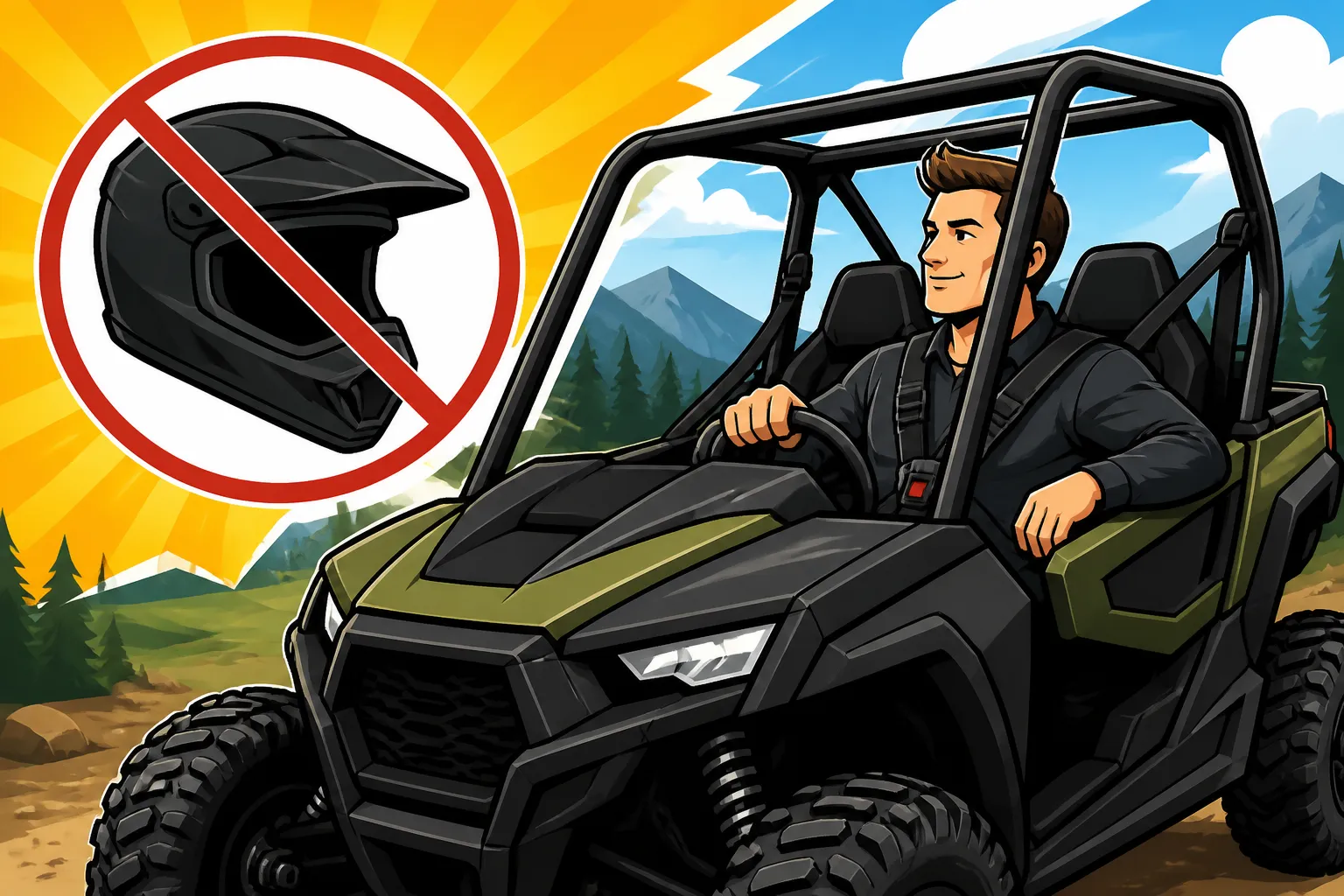
Here’s the rule that many side-by-side owners eagerly seek clarification on: if your ORV is a UTV (side-by-side) that was designed by its manufacturer to be operated by a person seated within it, and it's equipped with a roll bar or similar protective structure (the cage) and seatbelts, then a helmet is generally not legally required in BC, provided that the operator and all passengers are properly wearing their seatbelts. This is the crucial trade-off: the seatbelt becomes the primary safety restraint, keeping you inside the protective cage during dynamic movements or unfortunate incidents.
Consider a scenario where you're exploring the extensive network of trails in the Bear Creek OHV area near Kelowna with friends in your four-seater side-by-side. Your machine has a sturdy factory-installed cage, and everyone is buckled into their multi-point harnesses. In this specific setup, BC law typically exempts you from wearing a helmet. However, it's vital to remember that "not legally required" does not always mean "not recommended." Many experienced riders, especially those tackling challenging terrain, still opt to wear helmets for additional impact protection, improved visibility with goggles, and dust control. The core legal point, however, hinges on the proper use of the seatbelt within the caged environment. [BC Seat Belt Requirements] offers more detail on this essential component of your UTV's safety system.
Manufacturer Standards and Your Safety System
The exemption for helmet use in side-by-sides is tightly tied to the vehicle's original manufacturer design and standards. It’s not about slapping a custom cage onto an ATV and calling it a UTV. The critical element is that the machine must be designed by its manufacturer with these integrated safety features – the roll bar/cage and seatbelts – as part of its protective system. This ensures that the components are engineered to work together to offer a specific level of protection.
When you look at your side-by-side, understand that its safety system is a holistic design. The roll cage, the seatbelts, and often features like doors or side nets, are all intended to protect occupants. While reputable aftermarket companies like SuperATV produce high-quality enhancements, such as stronger doors, full-coverage roofs, or even advanced roll cages, these additions primarily enhance existing safety features. They do not typically create the legal exemption if the base vehicle wasn't designed that way from the factory. For instance, if you're upgrading your UTV with a heavier-duty cage or door system from SuperATV, you're investing in improved protection, but the core legal requirement for helmet exemption still ties back to the manufacturer's original design intent for your specific model. Always consult your owner's manual for specific safety warnings and requirements tailored to your machine, as these are the ultimate authority on its designed safety parameters. The regulatory standards for helmets are discussed in [BC Helmet Standards in the Regulation].
Beyond Helmets and Belts: Comprehensive ORV Safety
While the helmet and seatbelt discussion often takes center stage, true off-road safety extends far beyond just these two pieces of equipment. A holistic approach to safety on the trails, particularly with side-by-sides, involves understanding and utilizing all the protective features your machine offers, as well as maintaining them diligently.
The Role of Seatbelts and Restraints
Even in a caged side-by-side where a helmet might not be legally required, seatbelts remain an absolute non-negotiable for occupant safety. Their primary role is to keep you securely fastened within the protective confines of the roll cage during sudden movements, rough terrain, or, most critically, during a rollover or collision. Being ejected from a side-by-side during an incident, even one with a cage, dramatically increases the risk of severe injury or fatality.
Modern UTVs often come with various types of seatbelts, from standard automotive-style lap and shoulder belts to more robust multi-point harnesses (like 4-point or 5-point systems) commonly found in sport-oriented models. Regardless of the type, ensuring that every occupant is properly buckled in, with the belt snug and free of twists, is paramount. These restraints are engineered to work in concert with the roll cage, distributing forces and preventing the occupant from colliding with the interior of the vehicle or being thrown out. Neglecting to wear a seatbelt in a side-by-side, even if you’re only driving a short distance, negates the primary safety advantage that allows for the helmet exemption. This critical aspect of safety is further detailed in [BC Seat Belt Rules on a Side-by-Side].
Other Safety Equipment on Caged Machines
The "cage" and "belt" are vital, but a side-by-side typically incorporates a suite of other safety features that contribute to occupant protection. Understanding and utilizing these features is part of a comprehensive safety strategy.
- Doors and Side Nets: Many UTVs come with half-doors or flexible side nets from the factory. Their purpose is to help keep limbs inside the vehicle and prevent minor ejections. Many riders opt to upgrade to full, rigid doors, often from accessory manufacturers like SuperATV, for enhanced protection against debris, branches, and containment during a roll.
- Windshields and Roofs: While not always standard, a good windshield protects against dust, mud, and flying objects, enhancing visibility and comfort. A sturdy roof provides shade, weather protection, and an additional layer against falling debris.
- Lights and Reflectors: For riding at dawn, dusk, or in low-visibility conditions, proper lighting is not just a convenience but a safety necessity. Headlights, taillights, and brake lights ensure you can see and be seen by others on the trail. [BC Lighting and Seat Belt Requirements] outlines the requirements.
- Passenger Handholds: These are critical for passengers to brace themselves, especially over rough terrain, reducing the risk of being jostled or losing balance.
- Engineered Chassis and Suspension: Beyond the visible safety items, the overall design of a UTV's frame and suspension contributes to its stability and handling, which are passive safety features aimed at preventing incidents in the first place.
Imagine navigating a winding, dusty forest service road, and suddenly a large branch appears in your path. If you have quality full doors, perhaps an upgrade you made, that branch is deflected, protecting your arms and legs. This demonstrates how multiple components work together to ensure your safety.
Inspection and Maintenance of Safety Gear
Even the best safety equipment is useless if it's not in good working order. Regular inspection and maintenance of all your ORV's safety features are paramount. Unfortunately, BC does not mandate safety inspections for ORVs, putting the onus squarely on the owner. This means you, as the rider, are responsible for ensuring everything is up to snuff.
For side-by-sides, this means:
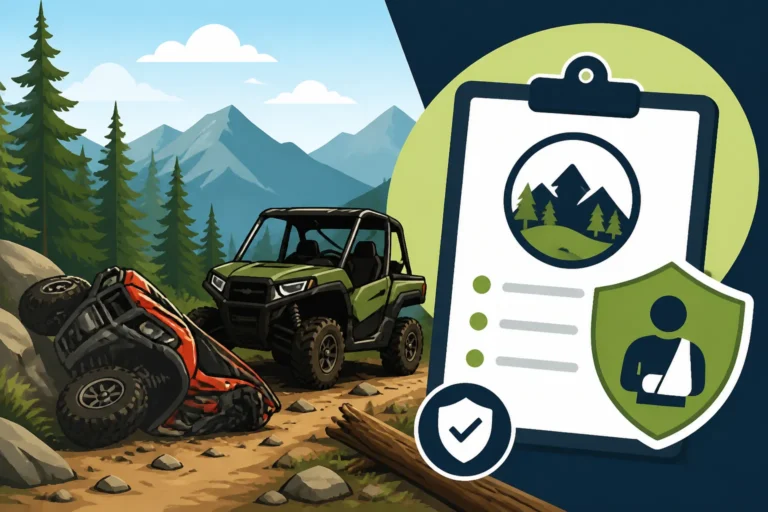
- Roll Cage Inspection: Regularly check the cage for any signs of damage, bends, cracks, or compromised welds, especially after a rough ride or a minor tip-over. Even small deformities can significantly weaken its protective capacity.
- Seatbelt Check: Inspect seatbelts for fraying, cuts, tears, or excessive wear. Ensure the buckles latch securely and release smoothly. Test the retractors to make sure they pull the belt taut. Replace any damaged seatbelts immediately; they are a single-use item in a serious crash.
- Door and Net Integrity: If your machine has doors or nets, check that latches work properly and that nets are free of holes or tears.
- Tire Condition: While not directly a "safety gear" item, good tires with proper tread and inflation are crucial for traction, stability, and preventing rollovers.
- Brake System: Ensure your brakes are responsive and effective.
- Fluid Levels and Mechanical Soundness: A well-maintained engine, transmission, and suspension contribute to predictable handling and prevent unexpected breakdowns that could leave you stranded or cause an accident.
Taking the time to perform these checks before each ride, or at least regularly, is an investment in your safety and the longevity of your machine. [BC Has No Safety Inspection for ORVs] means your diligence is the only line of defense here.
Common Misconceptions and Best Practices
The BC Off-Road Vehicle Act provides a framework, but real-world riding often involves judgment calls that go beyond the minimum legal requirements. Understanding the difference between what's legally mandated and what constitutes best practice is key to truly safe and enjoyable ORV experiences.
The Difference Between Legal Requirement and Best Practice
One of the most common misconceptions is that if something isn't legally required, it's unnecessary. For side-by-sides with a belt and cage, BC law might say a helmet isn't mandatory, but that doesn't make it a bad idea. In fact, many seasoned riders, even in fully caged UTVs, still choose to wear helmets. Why? Because helmets offer protection that seatbelts and roll cages don't.
A helmet protects against direct head impact with interior cage components, particularly during violent rollovers where your head might contact the bars, even while buckled in. It also provides excellent eye protection from dust, mud, branches, and insects—hazards that a windshield might not entirely prevent. Furthermore, helmets can offer sun protection, warmth in cold weather, and can reduce noise fatigue on longer rides. While a company like SuperATV can provide fantastic accessories to enhance the robustness and comfort of your UTV, like better roofs or enclosures, these still complement, rather than negate, the personal choice for a helmet in many situations. Thinking beyond the minimum legal standard and adopting a "safety first" mindset is a best practice that could literally save your life or prevent a debilitating injury. [BC ATV Safety Training Options] also emphasizes broader safety skills beyond just gear.
Youth Riders and Safety Gear
When it comes to youth riders, whether they are operating an ORV or riding as a passenger, the rules and recommendations often become stricter and more nuanced. While an adult in a properly equipped side-by-side might not need a helmet, the situation changes for younger individuals, and the manufacturer's guidelines are absolutely critical here.
Manufacturers typically specify minimum age and weight requirements for both operators and passengers for each specific model of ATV and UTV. These are not mere suggestions; they are safety mandates based on the vehicle's design and the physical capabilities required to operate or be safely contained within it. For example, some UTV manufacturers might recommend or even require helmets for child passengers, even if adults in the same machine are exempt. Always, always, consult your specific machine's owner's manual for these crucial details. Furthermore, BC has specific supervision requirements for youth under 16 operating ORVs, regardless of the machine type. A supervising adult, who must be at least 19 years old, must be in direct sight and able to give immediate direction. These rules are designed to protect our youngest riders, who may lack the judgment, strength, or reaction time of an adult. Prioritizing the manufacturer's age and weight limits, along with BC's youth supervision laws, is paramount. You can learn more about this in [BC Youth Riding Rules and Supervision] and [BC Rules for a Child Under 16].
ORV Safety Gear Comparison
Here's a quick overview of the general safety gear requirements for different types of off-road vehicles in British Columbia:
| Machine Type | Helmet Required? (BC Law) | Seatbelt Required? (BC Law) | Primary Passive Safety Feature(s) |
|---|---|---|---|
| ATV (Quad – ride-astride) | Yes (always) | N/A (not applicable) | N/A (rider fully exposed) |
| Dirt Bike (ride-astride) | Yes (always) | N/A (not applicable) | N/A (rider fully exposed) |
| Side-by-Side (UTV) with Manufacturer-Installed Roll Cage & Seatbelts | No (if seatbelt worn) | Yes (always, by all occupants) | Roll-Over Protective Structure (ROPS), Seatbelts, Doors/Nets |
Note: This table summarizes general BC legal requirements. Manufacturer guidelines may recommend additional safety gear. Best practice often exceeds minimum legal requirements for all machine types.
Disclaimer
This article is for general informational purposes only and does not constitute professional advice. Laws, prices and regulations vary by location and change over time. Consult a qualified professional for guidance on your specific situation.