BC Has No Street-Legal Path for an ATV
It's a common dream for many of us who love the freedom of an ATV or UTV: imagine just hopping on your machine and heading down the road, straight from your driveway to the trails. It sounds amazing, doesn't it? That feeling of unrestricted access, bypassing the need for a truck and trailer. Unfortunately, in British Columbia, that dream remains largely just that – a dream. Our laws are pretty clear on this, and while it might be frustrating, understanding why is key to staying out of trouble and enjoying your off-road machine responsibly. This guide will walk you through the realities of ATV street legality in BC, the rules, the exceptions, and what it all means for you.
The Core Reality: Why ATVs Are Not Street Legal in BC
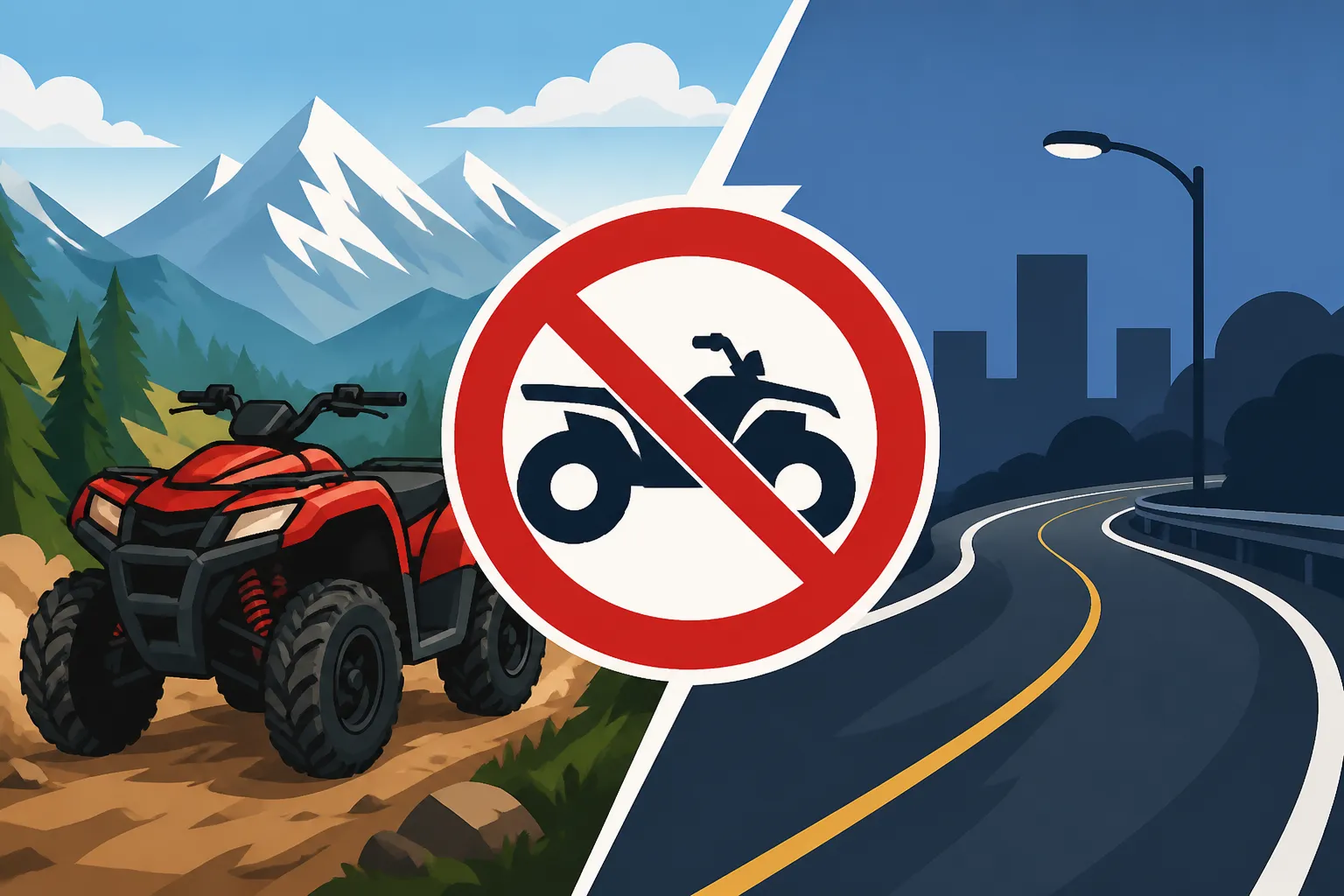
Let's cut right to it: your typical ATV or side-by-side simply isn't designed, equipped, or legally recognized to be driven on public roads and highways in British Columbia. It's a fundamental difference in how these vehicles are classified and regulated under our provincial laws. Many riders come from other jurisdictions, or hear whispers about "street legal kits," and understandably get confused. But the reality here in BC is quite distinct.
The Legal Definition of an Off-Road Vehicle
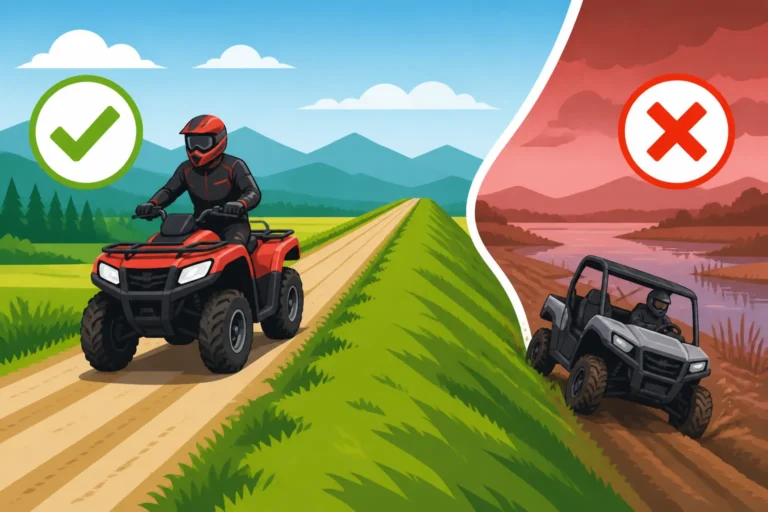
In British Columbia, off-road vehicles (ORVs) are defined and governed by the Off-Road Vehicle Act. This legislation specifically covers machines like ATVs, side-by-sides, dirt bikes, and snowmobiles. The Act clearly outlines what an ORV is: essentially, a motorized vehicle designed to be used off highways. Think about the features of your quad: knobby tires, high ground clearance, minimal lighting, no turn signals, and often an exposed riding position. These characteristics are perfect for navigating challenging terrain like mud, rocks, and forest trails, but they are not suitable, nor do they meet the safety standards, for paved roads where cars, trucks, and motorcycles operate.
The intent of the ORV Act is to regulate how these machines are registered, insured, and operated away from the mainstream road network. It ensures that when you're out on the trails or exploring Crown Land, you're doing so responsibly and legally within that specific context. It doesn't, however, provide a pathway for your ATV to suddenly become a highway-worthy vehicle.
The Motor Vehicle Act vs. Off-Road Vehicle Act
The crux of the issue lies in the fundamental distinction between two separate pieces of legislation in BC: the Motor Vehicle Act (MVA) and the Off-Road Vehicle Act (ORVA). The MVA is the big one; it governs everything about vehicles intended for use on public roads and highways. This includes detailed requirements for vehicle design, safety features, braking systems, lighting, mirrors, crashworthiness, emissions, and more. It also dictates driver licensing, vehicle registration, and insurance for street-legal vehicles.
The ORVA, on the other hand, was specifically created to manage the growing popularity and use of off-road machines. It addresses issues like registration, safe operation off-highway, and environmental protection in wilderness areas. What's important to understand is that these two acts largely operate in parallel, with very little overlap when it comes to the legal classification of an ATV for highway use. An ATV, by its very nature and definition under the ORVA, does not meet the criteria of a "motor vehicle" under the MVA. Trying to force an ORV into the MVA's framework is like trying to fit a square peg in a round hole – it just doesn't work. This legislative separation is why [What the Off-Road Vehicle Act Covers in BC] is so important to understand for any rider.
Understanding the Purpose of an ATV
Consider for a moment what an ATV is built to do. It's designed for traction on loose surfaces, for absorbing impacts from rough terrain, and for agile maneuverability in tight spaces off-road. Its suspension is typically soft and has long travel, which is fantastic for soaking up bumps but can feel unstable and wallowy at higher speeds on pavement. The tires, with their aggressive tread patterns, provide excellent grip in dirt and mud but wear quickly and offer poor traction and handling on asphalt.
Additionally, most ATVs lack essential features for safe highway travel: proper turn signals, side mirrors for rear visibility, robust brake lights, headlights designed for consistent road illumination without blinding oncoming traffic, and a chassis built to withstand collisions with other highway vehicles. These aren't just minor omissions; they are critical safety components that are legally required for vehicles sharing the road with cars and trucks. The manufacturer's intent is unequivocally for off-road use, and that intent is reflected in its design and the legislation that governs it.
Limited Exceptions and Crossroads: When You Can Touch Pavement
While the general rule is "no ATVs on highways," there are very specific, narrow circumstances where your ORV might legally make brief contact with a paved road. These aren't loopholes to get around the law but rather carefully defined exceptions to facilitate necessary movement or access. It's vital to understand these distinctions, as misinterpreting them can lead to significant penalties.
Permitted Highway Crossings
The most common exception involves crossing a highway. Picture this: you're riding a designated trail, and it happens to intersect with a paved road. In BC, you are generally allowed to cross a highway with your ORV under very strict conditions. This isn't about riding along the highway; it's about getting from one side to the other. You must do so at a right angle (90 degrees) to the travelled portion of the highway, at the safest available point, and after yielding to all traffic on the highway. You must ensure you can complete the crossing safely and quickly.
This also means having the necessary registration, and for most Crown Land or Forest Service Road use, having at least liability insurance. While you typically need a driver's licence to operate any motorized vehicle on Crown land, this also applies to highway crossings. The key takeaway here is that it's a quick, direct movement, not an extended stretch of travel. For more details on specific scenarios, you might find it helpful to look into articles like [BC Crossings at a Stop Sign] and [BC Crossings at a Traffic Light], which explain the particulars of these very limited interactions with paved roads.
The Role of Operation Permits
Another limited exception involves obtaining an "operation permit" from a local police detachment. These permits are not a standard way to make your ATV street legal for recreational rides. Instead, they are usually issued for specific, short-distance travel on highways when no other practical route exists. For instance, if you need to move an ORV from one field to another as part of a farming operation, or if a construction site requires a side-by-side to travel a very short stretch of highway between work zones.
These permits come with stringent conditions: they specify the exact route, the time of day, and often require additional safety measures like flags or flashing lights. They are typically issued for a limited duration, sometimes only a few hours or a day, and are almost never for recreational purposes. Police detachments have the discretion to issue them based on the specific circumstances and local needs, but they are not a universal solution for general road access. This is further explained in [BC Police Operation Permits for Highway Travel], which outlines the scope and limitations of such permits.
Special Cases: Agricultural and Industrial Exclusions
There are certain exemptions built into the legislation that allow ORVs to be used on or near highways in specific agricultural or industrial contexts. For example, a farmer might use an ATV to check fence lines that run alongside a public road, or a forestry worker might use a side-by-side to access a specific site directly adjacent to a highway. These are practical allowances for work-related tasks where the ORV is an essential tool.
However, it's crucial to understand that these are narrow, use-specific exemptions. They do not extend to recreational use. A farmer can't take their farm quad for a leisurely spin down the highway after finishing their chores, even if they sometimes use it for work. The machine's primary purpose and the context of its use determine whether these exclusions apply. For most recreational riders, these exceptions are not relevant. This distinction is important because while some machines are clearly farm equipment, [BC Farm Quads Are Not Exempt] from general ORV registration rules, highlighting the careful balance of the law.
The Impasse of Modifications: Why Aftermarket Parts Don't Help Street Legality
It's natural to think that if your ATV is missing turn signals or a horn, adding them would make it street legal. Many riders look at aftermarket parts as a potential solution, but this approach overlooks the fundamental legal and engineering barriers that exist in British Columbia. No matter how many accessories you bolt on, you simply cannot transform an ORV into a Motor Vehicle Act-compliant highway vehicle.
Common Modifications and Their Limitations
Riders often consider adding various components to their ATVs to mimic street-legal vehicles. This might include installing a horn, turn signals, mirrors, a speed-reading odometer, proper headlights, and brake lights. Some might even consider a windshield or different tires. While these modifications might seem logical – after all, these are features found on cars and motorcycles – they do not confer street legality in BC.
The issue isn't just about having the parts; it's about meeting comprehensive design, engineering, and certification standards. A highway vehicle undergoes rigorous testing for braking performance, structural integrity in a crash, emissions, noise levels, and numerous other criteria that an ATV, by its very design, simply cannot meet. The components themselves, even if they look similar to street-legal parts, are not integrated into a vehicle certified for highway use. The entire vehicle needs to be certified, not just its individual components.
The Futility of "Street Legal Kits"
The internet is awash with "street legal kits" for ATVs and UTVs. These kits typically include things like turn signal lights, a horn, mirrors, and sometimes a license plate bracket. It’s easy to see why these might seem like a straightforward solution, especially if you see them advertised in jurisdictions with different laws. However, for British Columbia, these kits are utterly futile when it comes to achieving true street legality.
The problem isn't the quality of the kit; it's the provincial legislation. BC's Motor Vehicle Act doesn't just require certain components; it requires the entire vehicle to be designed, manufactured, and certified as a motor vehicle suitable for highway use. An ATV, even one outfitted with the finest aftermarket parts from companies like SuperATV, remains an off-road vehicle in the eyes of BC law. While SuperATV offers fantastic upgrades for performance, utility, and protection for your off-road adventures – from lift kits to heavy-duty axles – none of these products, nor any "street legal kit" they or any other company might offer, can change your ATV's fundamental legal classification in British Columbia. Investing in such a kit purely for highway use in BC would be a waste of money and could lead to fines. Even the most robust components for your UTV from a reputable brand like SuperATV, designed to conquer the toughest trails, do not equate to highway compliance.
Manufacturer Intent and Certification
Every vehicle produced for sale has a specific intended use, and that intent is backed by rigorous testing and certification. When you buy an ATV or UTV, it comes with a manufacturer's statement of origin or a bill of sale that clearly identifies it as an off-road vehicle. This classification dictates everything from its VIN structure to the safety standards it was built to meet.
Highway vehicles, on the other hand, are certified under different national and provincial standards. They must meet stringent requirements for occupant protection, braking distances, emissions, lighting visibility, and more. An ATV's frame, suspension, steering geometry, and braking system are optimized for rough terrain, not for high-speed braking on pavement or for surviving impacts with other highway traffic. No amount of aftermarket modification can change the fundamental engineering and certification of the base vehicle. Manufacturers don't design ATVs to be street legal, and provincial legislation in BC reflects that reality.
Beyond the Road: Where You Can Ride Your ATV in BC
While the asphalt might be mostly off-limits, British Columbia offers an incredible playground for ATV and UTV enthusiasts. Our province is vast, and much of it is accessible to off-road vehicles, provided you understand and respect the rules. The focus shifts from pavement to dirt, gravel, and forest paths, offering countless hours of exploration and adventure.
Crown Land and Forest Service Roads
One of the greatest freedoms for ORV riders in BC is the extensive network of Crown Land and Forest Service Roads (FSRs). These are often old logging or mining roads that crisscross vast areas of the province. They offer access to incredible backcountry, scenic viewpoints, and remote fishing or camping spots. Riding on FSRs and other Crown Land is perfectly legal, provided your ORV is registered, and you carry appropriate insurance.
It’s crucial to remember that while FSRs are not "highways" in the traditional sense, they are still considered public land. This means you must operate your machine responsibly, yield to industrial traffic (especially logging trucks!), and obey all posted signage. There are also specific insurance requirements for FSRs; you need at least $200,000 in third-party liability coverage. Always check for road closures or active hauling before you head out. Understanding [BC Forest Service Road Rules for ORVs] is essential for safe and legal riding. The sheer amount of available terrain means that [BC Crown Land Riding Explained] offers a huge scope for adventure. Don't forget that [BC Resource Roads Count as Crown Land] as well, meaning similar rules apply there too.
Managed Recreation Sites and Trails
Beyond the open expanses of Crown Land, BC also boasts numerous managed recreation sites and designated trail networks specifically for ORV use. These areas are often maintained by local ATV clubs, volunteers, or BC's Recreation Sites and Trails branch. They provide marked trails, sometimes with amenities like staging areas, washrooms, or campsites. Examples include well-known spots like Bear Creek OHV near Kelowna or Chipmunk Creek in the Fraser Valley.
These managed sites are fantastic because they often offer diverse terrain suitable for various skill levels, from beginner-friendly loops to challenging technical trails. When riding in these areas, always follow posted rules, which might include sound limits, spark arrestor requirements, and specific trail etiquette. Supporting the clubs that maintain these trails, often through membership or trail pass purchases, helps ensure these riding opportunities continue to exist. These sites are a testament to the thriving off-road community in BC.
Private Property and Permission
Of course, you can always ride your ATV or UTV on private property, provided you have the explicit permission of the landowner. This might be your own acreage, a friend's farm, or a piece of land owned by a sympathetic business. When riding on private land, you don't necessarily need the provincial ORV registration, though it's still a good idea to have it for identification and theft recovery.
Even on private property, it’s highly recommended to operate your machine safely and responsibly. Adhere to manufacturer guidelines, especially regarding youth riders and passenger limits. Respect the property you're on, avoid damaging fences or sensitive areas, and always pack out what you pack in. While private land offers fewer legal restrictions, common sense and courtesy should always prevail. It's a great way to introduce new riders to the sport in a controlled environment.
Consequences of Illegally Riding on Public Roads
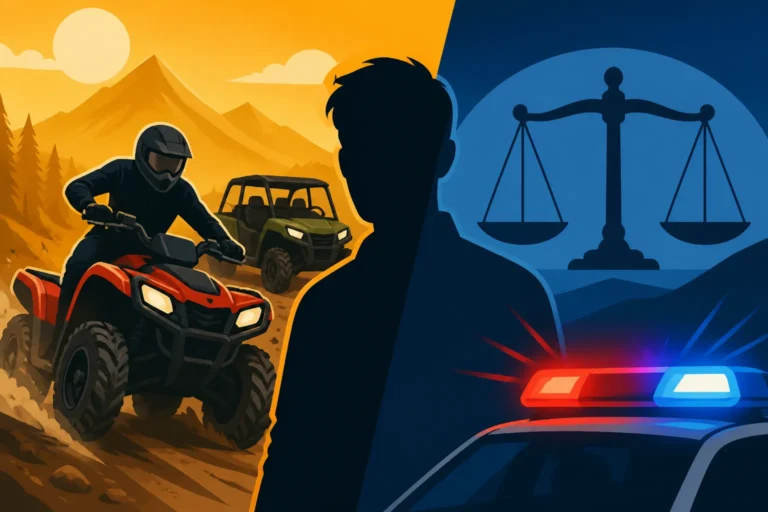
The desire to ride your ATV on public roads in BC might be strong, but the potential consequences of doing so illegally are severe and far-reaching. It’s not just about a minor slap on the wrist; you could face significant financial penalties, loss of your machine, and even devastating personal liability. Ignorance of the law is no excuse, and enforcement officers take these infractions seriously to ensure public safety.
Fines and Penalties
Operating an ATV or UTV on a highway in British Columbia without the proper classification and permits can lead to a cascade of fines. You could be ticketed for operating an unregistered ORV, operating an uninsured vehicle, operating a vehicle not permitted on a highway, or even operating without a valid driver's license (if you don't possess one for a highway vehicle). These aren't small tickets; they can quickly add up, turning a quick illegal jaunt into a very expensive mistake. Each infraction carries its own specific fine, and multiple offenses often result in a much larger total.
Furthermore, if your vehicle is deemed unsafe for highway use (which an ATV generally is), you could face additional charges. It's not uncommon for officers to issue tickets for multiple violations simultaneously, making the financial hit substantial. The rules around [BC Fines for Riding an Unregistered Machine] illustrate just how quickly penalties can accumulate, and highway use only compounds these issues.
Vehicle Seizure and Impoundment
One of the most immediate and jarring consequences of illegally operating an ATV on a public road is the risk of vehicle seizure and impoundment. Police officers in BC have the authority to impound vehicles that are being operated in violation of the Motor Vehicle Act, which would certainly apply to an ATV on a highway. If your machine is seized, you're not just looking at fines; you'll also be on the hook for towing fees, daily storage fees, and administrative charges.
These costs can quickly escalate, sometimes totaling hundreds or even thousands of dollars, far exceeding the initial fines. Reclaiming your impounded ATV can be a lengthy and frustrating process, requiring you to prove compliance (which is impossible for a street-legal ATV) or pay all outstanding fees. It's a significant deterrent designed to prevent unsafe vehicles from endangering the public. [BC Vehicle Seizures by Police] are a very real possibility, and it's a headache you absolutely want to avoid.
Insurance and Liability Issues
Perhaps the most critical risk of riding your ATV on a public road is the absolute nightmare scenario of an accident. Your standard ORV liability insurance is designed to cover you for off-road incidents, often on Crown Land or FSRs. However, if you're operating your ATV illegally on a public highway, your insurance policy will almost certainly be void. This means that if you're involved in a collision, you could be personally liable for all damages.
Imagine hitting another vehicle, injuring passengers, or causing significant property damage. Without insurance, you would be responsible for paying for vehicle repairs, medical bills, lost wages, and potentially substantial legal fees. This financial burden could be catastrophic and could follow you for years. It's simply not worth the risk. Understanding [BC ATV Insurance Requirements] is key, and those requirements are specifically for off-road use, not for highway travel.
Alternative Powersports: What Can Be Street Legal?
Given the strict regulations against ATVs on BC highways, it's natural to wonder what other options exist if your goal truly is to combine the thrill of powersports with the convenience of road access. While nothing quite replicates the pure off-road capability of an ATV on pavement, there are other vehicle classes that are designed and certified for highway use.
Understanding Different Vehicle Classes
The key distinction lies in how different vehicles are classified and certified. Motorcycles, for instance, are purpose-built for highway use. They have specific lighting, braking, emissions, and safety standards they must meet under the Motor Vehicle Act. They are designed for stability and handling at highway speeds and come with a clear path for registration, licensing, and insurance.
Similarly, automobiles (cars, trucks, vans) are all manufactured to even more stringent highway safety standards. Some utility vehicles, such as certain low-speed vehicles (LSVs) or purpose-built Side-by-Side models that have gone through extensive federal and provincial certification processes, might be granted street-legal status. However, these are typically very specific, limited-speed applications, or highly specialized vehicles that are designed from the ground up for road use, not merely an off-road machine adapted with bolt-on parts. These are rare in BC for general sale as street-legal options and are very different from your typical recreational UTV.
Exploring Other Vehicle Options
If your desire for highway travel is strong, the most practical solution is to consider vehicles that are designed for the road. This might mean:
- Motorcycles: A vast range of motorcycles, from cruisers to adventure bikes, are fully street legal and offer an open-air riding experience, albeit with different handling characteristics than an ATV.
- Sport Quads/Trikes (rare but exist): Some highly specialized, road-certified quadricycles or three-wheeled vehicles exist (like certain Spyder models), but these are fundamentally different from traditional ATVs and are built to highway standards from the factory.
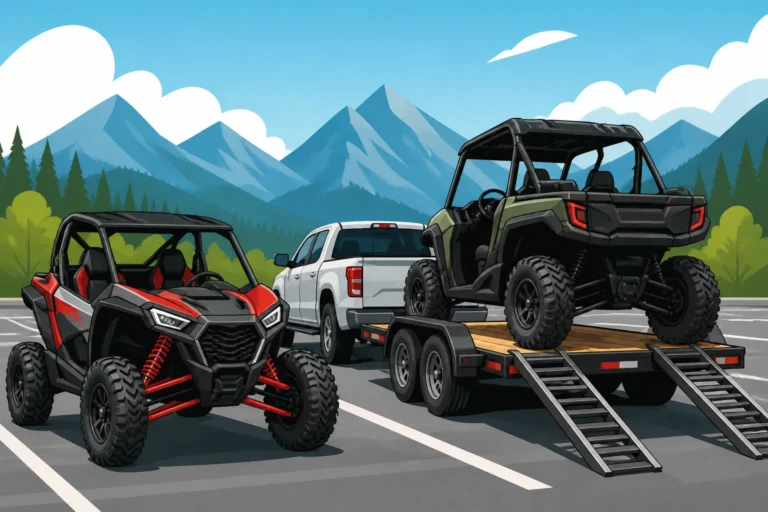
- Small Cars or Trucks: For practical transportation to and from trails, a traditional vehicle capable of hauling your ATV on a trailer is always the safest and most legal option.
The bottom line is that if you want to operate a powersports vehicle on BC's public roads, you need a machine that was engineered and certified for that purpose from the outset. Trying to retrofit an ATV to meet these standards is simply not a viable or legal path in British Columbia.
Safety and Responsibility: Operating Your ORV Safely Off-Road
Since your ATV or UTV is destined for the trails and not the tarmac, it's absolutely paramount to prioritize safety and responsible riding practices. The backcountry environment can be unpredictable, and being prepared and mindful of your actions ensures not only your own well-being but also the preservation of the beautiful places we love to ride.
Essential Safety Gear and Training
Safety starts before you even turn the key. A proper helmet is non-negotiable for anyone riding an ATV or UTV. In BC, it's not just a recommendation; [BC Helmet Law Covers Every Rider] on ride-astride machines, and even those in caged side-by-sides should wear them unless the vehicle has factory-installed seatbelts. Your helmet should be certified by a recognized standard (DOT, Snell, ECE) and fit snugly. Beyond the helmet, think head-to-toe protection:
- Eye Protection: Goggles or a full-face helmet visor to shield from dust, debris, and branches.
- Gloves: Protect your hands from impacts, blisters, and cold.
- Long Sleeves and Pants: Durable material to guard against scrapes and sunburn.
- Over-the-Ankle Boots: Provide ankle support and protection.
Consider taking an ATV safety course. While not always mandatory for adults, [BC ATV Safety Training Options] can significantly improve your riding skills, teach you about machine control, hazard awareness, and emergency procedures. These courses are invaluable for both new and experienced riders, helping to prevent accidents and promote a culture of safe riding.
Understanding Manufacturer Guidelines
Your ATV or UTV manufacturer provides specific guidelines for safe operation, and these are based on extensive testing and engineering. Pay close attention to:
- Age and Weight Restrictions: Manufacturers set minimum age recommendations for operators and maximum weight capacities for passengers and cargo. Adhering to these is crucial for stability and control.
- Passenger Limits: Many ATVs are designed for a single rider. Carrying extra passengers on a single-rider ATV is dangerous and significantly alters the machine's handling. Side-by-sides typically have designated seating for passengers, complete with seatbelts.
- Maintenance Schedules: Regular maintenance, as outlined in your owner's manual, ensures your machine is in top working condition, reducing the risk of mechanical failure on the trail.
- Terrain Suitability: Don't push your machine beyond its intended capabilities or into terrain it wasn't designed for. A utility quad might excel at hauling, but it won't handle like a sport quad on aggressive trails.
Respecting the Environment and Other Users
Riding an ORV in BC's stunning backcountry comes with a responsibility to protect it. Always adhere to "tread lightly" principles:
- Stay on Marked Trails: Avoid creating new trails, which can damage sensitive ecosystems, erode soil, and disturb wildlife habitats.
- Respect Closures: Obey all posted signs regarding trail closures, whether for wildlife protection, fire bans, or maintenance.
- Pack It In, Pack It Out: Leave no trace. Take all your garbage with you, and consider picking up any litter you find.
- Yield to Others: Share the trails respectfully with hikers, mountain bikers, equestrians, and other users. Slow down, be courteous, and anticipate meeting others around blind corners.
- Minimize Noise: Operate your machine with a properly functioning exhaust system to minimize noise pollution, especially near populated areas or wildlife zones. A spark arrestor is also often a legal requirement, especially on managed sites, to prevent wildfires.
By embracing these safety and responsible riding practices, we can all continue to enjoy the incredible off-road opportunities BC has to offer, while ensuring these pristine environments remain accessible and beautiful for generations to come.
Vehicle Classification & Use Comparison in BC
To help clarify the distinctions we've discussed, here's a quick comparison between Off-Road Vehicles and Highway Motor Vehicles as they relate to BC law and typical usage.
| Feature / Vehicle Type | Off-Road Vehicle (ORV) | Highway Motor Vehicle (e.g., Car, Motorcycle) |
|---|---|---|
| Primary Use | Trails, wilderness, off-road terrain, work sites | Public roads, highways, paved surfaces |
| Governing Act in BC | Off-Road Vehicle Act | Motor Vehicle Act |
| Registration | Mandatory ORV registration (one-time fee) | Mandatory Motor Vehicle registration (annual renewal) |
| Licensing | Driver's licence required for operation on FSRs/Crown Land | Driver's licence required for operation on highways |
| Insurance | Liability insurance mandatory for FSRs, recommended for Crown Land, often purchased privately | Basic Autoplan mandatory for highway operation (public insurer) |
| Design & Features | Optimized for off-road performance, high ground clearance, knobby tires, minimal road safety features | Optimized for highway speeds, crash safety, braking performance, comprehensive lighting & mirrors |
| Modifications for Road | Generally ineffective for achieving street legality in BC | Must meet MVA standards, require certification if significant |
| Highway Access | Very limited to crossings, special police permits for specific tasks | Primary operating environment |
| Common Examples | ATVs, UTVs (side-by-sides), dirt bikes, snowmobiles | Cars, trucks, motorcycles, motorhomes |
Disclaimer
This article is for general informational purposes only and does not constitute professional advice. Laws, prices and regulations vary by location and change over time. Consult a qualified professional for guidance on your specific situation.