Questions Worth Asking a Broker
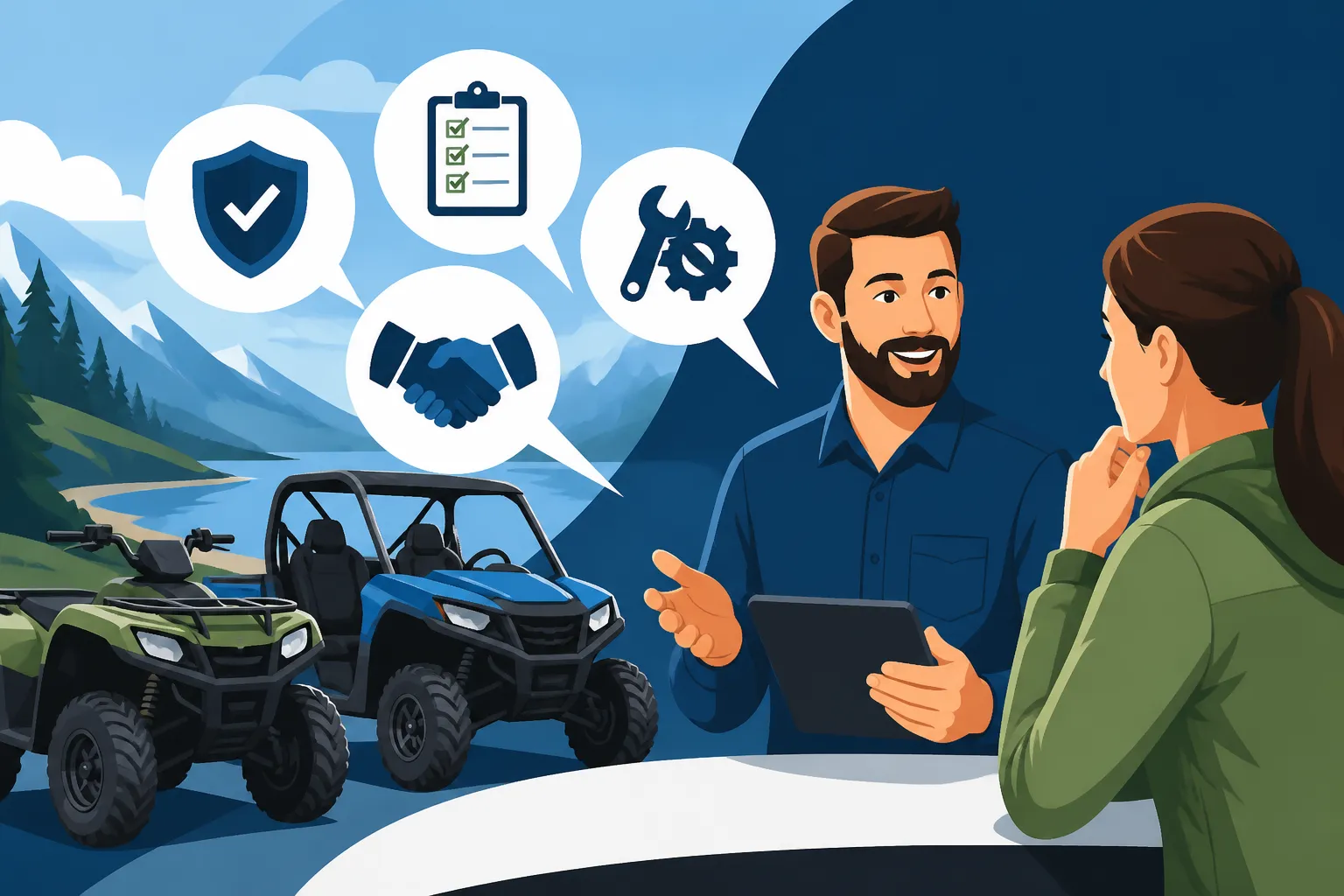
Navigating the world of off-road vehicle (ORV) registration in British Columbia can feel like trying to find your way through a dense forest without a map, especially when you're dealing with paperwork, regulations, and all the little details. Many riders, both new and experienced, feel a bit lost when it comes to getting their ATV or side-by-side legally registered. This guide is here to help you cut through the confusion by equipping you with the essential questions you need to ask your Autoplan broker, ensuring a smooth and stress-free registration experience for your beloved machine.
Why Getting Clear Answers from Your Broker Matters So Much
Let's be real, the world of government paperwork isn't exactly known for being straightforward, and ORV registration in BC is no exception. It’s easy to get overwhelmed by the jargon and specific requirements. That's why having a knowledgeable Autoplan broker in your corner is such a huge advantage, but only if you know what to ask them.
Navigating the Maze of BC's ORV Rules
When the Off-Road Vehicle Act came into effect in 2015, it changed the game for many riders. Suddenly, that old quad you’ve had for years in the back forty needed to be registered if you planned to take it onto Crown land, which, let's face it, is where most of us want to ride! Unlike registering a car, which most people do routinely, ORV registration is still a bit of a niche, and not every Autoplan broker you encounter will be an absolute expert. Some brokers primarily deal with vehicle insurance and basic registrations, and they might not be as familiar with the unique quirks of ORV paperwork, especially when it comes to older machines or tricky ownership histories. It’s not their fault – it’s just a less common transaction. This is why you need to go in prepared, ready to prompt them with specific questions that cut to the chase and help them help you. Don't be shy about seeking out a broker who has experience with ORVs; it can make all the difference. [Why Some Brokers Know ORV Registration Better Than Others] is a great read if you want to understand this more.
Avoiding Future Headaches and Fines
Imagine finally getting your machine registered, heading out for a glorious ride on your favorite trail, only to be stopped by a conservation officer who points out a technicality in your registration. Or worse, you go to sell your machine down the road, and the new buyer discovers a gap in the ownership history that makes transferring the registration a nightmare. These aren't just hypothetical scenarios; they're real frustrations that many BC riders have faced. An incomplete or incorrect registration isn't just a minor inconvenience; it can lead to hefty tickets, delays, and a whole lot of stress. Getting clear, accurate answers from your broker upfront ensures that your registration is solid from day one. Remember, [BC Registration Lasts as Long as You Own It], so you want to get it right the first time to avoid any lasting issues. You pay once, and it's done, but if it's done wrong, it could haunt you.
Essential Questions About the Registration Process Itself
When you finally sit down with your broker, having a checklist of questions can empower you to get all the necessary information. Don't assume they'll cover every angle without prompting.
Understanding Required Documentation
This is often the trickiest part, especially for older machines or those bought privately. The broker needs to establish a clear chain of ownership, and that means documentation.
- "What exact documents do I need to bring for my specific situation?" Don't just ask generally; be specific about your machine (new, used, from BC, from out of province) and how you acquired it. If you bought it from a private seller, you'll generally need a bill of sale. If you've had it for ages and the original paperwork is long gone, or if there's a missing link in the ownership history, the requirements change significantly. The broker needs to know if you're trying to establish [BC Ownership Chains Going Back Decades] or if you're registering a machine that was given to you.
- "What if I don't have a traditional bill of sale or previous registration papers?" This is a common scenario, especially for machines that have changed hands many times over the years. This is where a statutory declaration often comes into play. Ask your broker how this process works. They can guide you on when a declaration is appropriate and what information needs to be included. You can use resources like LawDepot to generate legally sound statutory declarations if your broker provides the template or specific wording. Remember, [BC Statutory Declarations Cost $15] at Service BC, but the process of filling them out correctly is key. [BC Statutory Declaration for an ORV] is a critical piece of documentation for many riders.
- "Do I need a separate bill of sale for every previous owner, even if I only bought it from the last one?" Yes, generally speaking, BC requires [BC Bills of Sale for Every Prior Owner] to establish that unbroken chain. This is a common point of frustration for riders inheriting old quads or buying from someone who also bought it second-hand. Ask your broker how to handle gaps or missing documents in this chain.
The Timeline and What to Expect
Once you've submitted your documents, it's natural to wonder what happens next and when you can legally hit the trails.
- "How long does the registration process typically take from start to finish?" Most standard registrations, with all paperwork in order, can be processed on the spot. However, if there are complications, like missing documents requiring a statutory declaration or if the broker needs to verify something, it might take a bit longer. Ask for a realistic timeframe.
- "What physical documents will I receive from you today, and what should I expect to get in the mail later?" When you leave the broker's office, you should have your new ORV plate and decal. More importantly, you'll receive your [BC's Certificate of Registration Explained]. This is the equivalent of a vehicle's ownership papers for an ORV. It’s important to understand [What the Broker Hands You After You Register] so you know exactly what to look for and what to carry with you.
- "What happens if there's a problem with my paperwork after I leave?" Sometimes, issues arise after the initial submission. Ask how they will contact you and what steps you'd need to take to resolve it.
Costs Beyond the Registration Fee
While BC's ORV registration itself is a one-time fee, there are other costs that can catch riders by surprise if they aren't prepared.
- "What is the total cost I can expect today, including all fees and taxes?" The registration fee is a specific amount, but you also need to account for [BC PST on an ATV Purchase]. This provincial sales tax applies to both new and used ORVs. Your broker can help you calculate this based on the purchase price or estimated value.
- "Are there any additional fees from your brokerage for processing this registration?" While the core registration fee is set by the province, some brokers might have small administrative fees for their services. It's always good to ask upfront to avoid any surprises.
Questions About Ownership, Transfers, and Specific Scenarios
Life happens, and sometimes you're not just registering a brand-new machine. You might be buying used, receiving a gift, or dealing with an inherited ORV. These scenarios have their own unique requirements.
Transferring Ownership Correctly
Whether you're the buyer or the seller, getting the transfer right is critical to avoid future headaches.
- "I'm buying an ORV from a private seller. What specific steps do I need to take to ensure the transfer of ownership is legally sound and hassle-free?" This is crucial. Your broker should be able to walk you through the process, emphasizing the importance of a clear bill of sale and making sure the seller has properly removed their registration from the system. Don't rush this part. Check out [BC Transfer of Ownership Steps] for a good overview.
- "If I sell my registered ORV, what paperwork do I need to provide to the buyer, and what do I need to do on my end to remove my name from the registration?" As the seller, you want to ensure the machine is no longer in your name. Your broker can explain how to complete the transfer section of the Certificate of Registration and advise on keeping records. This protects you from any future liability related to the machine. [Selling a Registered Machine in BC] has more details.
Dealing with Missing or Incomplete Papers
This is perhaps the most common frustration for riders of older machines. Don't despair; there are usually solutions.
- "If a previous bill of sale is missing or I can't contact a former owner, how exactly does a statutory declaration help, and what information do I need to include?" A statutory declaration is a sworn statement that you are the legal owner of the machine. Your broker can guide you on the specific details required, such as the VIN, how you acquired the machine, and why the original documents are unavailable. They can also point you to resources like LawDepot for preparing the document accurately. It's vital that the information is truthful and comprehensive.
- "What if I've had the machine for decades and no original paperwork exists whatsoever?" This is where the broker's experience with the Off-Road Vehicle Act really comes into play. They might advise on a statutory declaration based on the earliest verifiable point of ownership, even if it's just a personal history. The goal is to satisfy the registrar that you have legitimate claim. This situation often involves navigating [BC Machines With No Paperwork].
Special Cases: Gifts, Estates, and Out-of-Province Machines
Sometimes, the circumstances of acquiring an ORV are a bit out of the ordinary.
- "I received my ORV as a gift from a family member. What special documentation, like a gift letter, do I need for registration?" Gifts between family members are common, and the process differs slightly, especially regarding PST. You'll likely need a signed [BC Gift Letters Between Family] and possibly a statutory declaration confirming the gift. The broker will clarify this.
- "I inherited an ORV as part of an estate. What paperwork from the estate, such as a will or probate documents, will be required?" Registering an inherited machine involves providing documentation proving your legal right to the estate's assets. Your broker can explain [What Paperwork Comes With an Estate Sale Quad] and how to handle it.
- "I'm moving to BC from Alberta (or Washington, or another province/state) with my ORV. What are the specific requirements for registering an imported machine?" This can involve proof of ownership from the previous jurisdiction, customs paperwork if it's from outside Canada, and potentially different tax implications. Ask your broker about [BC Registration for an Imported Machine] and what they'll need from your home jurisdiction. Be prepared for variations depending on where the machine is coming from.
Beyond Registration: Insurance, Plates, and On-Trail Requirements
Getting your ORV registered is a huge step, but it's just one piece of the puzzle. You also need to consider insurance, where to put your plate, and what to carry when you're out riding.
Insurance Needs for ORVs
Unlike cars, ORVs have different insurance requirements depending on where you ride. It's not always mandatory to have liability insurance on all Crown land, but it's always a good idea.
- "What are the minimum insurance requirements for riding on different types of land in BC, such as Crown land, Forest Service Roads (FSRs), and private property?" Your broker can explain the nuances of [BC ATV Insurance Requirements]. While liability insurance isn't required everywhere, it's absolutely mandatory for FSRs (minimum $200,000). For other Crown land, it's voluntary but highly recommended.
- "Can I purchase all the necessary ORV insurance, including basic and any voluntary liability, directly through you today with the registration?" Most Autoplan brokers can arrange your ORV insurance at the same time as your registration. This saves you an extra trip and ensures continuity. Ask about getting [BC Insurance Bought With Registration] for convenience.
- "What are my options for voluntary liability coverage, and what level of coverage do you recommend for typical BC riding?" Even if not legally required, comprehensive liability coverage is crucial. A minor accident can lead to significant costs. Your broker can explain the different levels of coverage available from various providers and help you assess your risk tolerance.
Plates and Decals: Where and How
Once you have your shiny new plate and decal, knowing where to put them is important for compliance and visibility.
- "Where exactly does the ORV plate and decal need to be displayed on my specific type of machine (e.g., ATV, side-by-side, dirt bike)?" The rules for [BC Plate Placement on Front, Back or Left] are quite specific. For ATVs and dirt bikes, it's often the left side or rear, but for side-by-sides, it might be the front or back. Your broker can confirm the legal placement for your machine. It must be visible and clean, so avoiding spots where mud will quickly obscure it is wise. [Keeping Your ORV Plate Clean Enough to Read] is not just good practice, it's a rule.
- "What should I do if my ORV plate or decal gets lost or damaged while riding?" Things happen on the trail! Ask about the process for a [BC Plate Replacement If Lost] or a new decal. There's a procedure, and you'll want to know it beforehand rather than scrambling when it happens.
What to Carry When You Ride
Being prepared on the trail means more than just packing water and snacks; it means having your essential documents.
- "What specific documents am I legally required to carry with me every time I ride my ORV on Crown land or FSRs?" This is a critical question for avoiding fines. You must carry your [BC Riders Must Carry the Certificate] of Registration. Ask your broker if they recommend carrying a physical copy or if a clear photo on your phone is generally accepted by enforcement officers.
- "Do I also need to carry personal identification, like a driver's license, while riding?" Yes, [BC Riders Must Carry Photo ID] along with your Certificate of Registration. This helps officers verify your identity as the registered owner.
Here's a quick summary of some of the key documents you might discuss with your broker:
| Document Type | Purpose | When It's Needed |
|---|---|---|
| Bill of Sale | Proof of purchase and ownership transfer | For any ORV purchase, especially from private sellers |
| Statutory Declaration | Sworn statement of ownership when other documents are missing | When a bill of sale or prior registration is unavailable |
| Certificate of Registration | Official BC ORV registration document | Issued by broker, must be carried when riding |
| Gift Letter | Confirms an ORV was a gift, often between family | For gifted machines, affects PST calculation |
| Estate Documents | Proves legal right to inherited ORV | For machines acquired through an estate |
| Photo Identification | Verifies rider's identity | Must be carried by rider, along with Certificate of Registration |
| Insurance Card/Proof | Demonstrates required liability coverage | Especially for FSRs and recommended for all Crown land riding |
By asking these detailed questions, you'll not only walk out of your broker's office with your ORV legally registered, but you'll also have a much clearer understanding of the rules and responsibilities that come with being an ORV owner in beautiful British Columbia. Ride safe and enjoy those trails!
Disclaimer
This article is for general informational purposes only and does not constitute professional advice. Laws, prices and regulations vary by location and change over time. Consult a qualified professional for guidance on your specific situation.