Prescribed Classes in the Regulation
It can feel like you need a law degree just to figure out what kind of recreational machine you actually own in British Columbia. You bought a quad, a dirt bike, or maybe a side-by-side, eager to hit the trails, only to be met with a maze of regulations about what counts as an “Off-Road Vehicle” and what doesn't. This guide is here to untangle the confusion surrounding the "prescribed classes" in BC's Off-Road Vehicle Act, helping you understand exactly where your machine fits in and what that means for your registration responsibilities.
Understanding BC's Off-Road Vehicle Act and Its Scope
Let's face it, the world of off-road machines is vast and varied. From dirt bikes zipping through single track to powerful side-by-sides hauling gear, it’s easy to assume anything with knobby tires and a motor that isn’t a car is simply an "ORV." But the reality, as always, is a bit more nuanced. The BC Off-Road Vehicle Act lays down specific definitions, and understanding these "prescribed classes" is your first step to legal and worry-free riding.
Why "Prescribed Classes" Matter for Riders
Imagine heading out for a weekend adventure, only to be pulled over by a Conservation Officer who tells you your machine isn’t registered, even though you thought it was exempt. It's a frustrating scenario that many riders worry about, and it often stems from a misunderstanding of how the province categorizes different types of off-road vehicles. The Act doesn't just broadly say "off-road vehicle"; it defines specific types, or "prescribed classes," that fall under its jurisdiction.
This distinction is crucial because it dictates whether your machine needs to be registered with ICBC or not. If your machine falls into one of these classes, then registration is mandatory if you plan to ride on Crown land, including those fantastic [BC Forest Service Road Requirements] we all love to explore. Without that clarity, you could inadvertently be riding an unregistered machine, which can lead to hefty fines and a lot of unnecessary stress. You want to spend your time enjoying the stunning BC backcountry, not deciphering legal jargon.
The Broad Definition of an Off-Road Vehicle
At its core, the BC Off-Road Vehicle Act is designed to regulate vehicles primarily used off paved roads. Generally speaking, an off-road vehicle is defined as a motorized vehicle designed to be used exclusively or primarily off highways. This includes vehicles that can travel on land or water, propelled by any means other than muscular power. This broad stroke captures a huge range of machines that might not immediately come to mind.
Think about it: it's not just the obvious quads and dirt bikes. This definition can encompass machines that are incredibly specialized, or even ones that look like they belong on a construction site rather than a trail. The key is their intended and primary use. If it's built for anything other than street travel and has a motor, there's a good chance it's considered an ORV in BC unless specifically exempted. This is why it’s so important to dig into the details and not just make assumptions based on how you personally use your machine. [What the Off-Road Vehicle Act Covers in BC] goes into more detail about the legislation's wider reach.
Deconstructing the Specific "Prescribed Classes"
Now, let's dive into the nitty-gritty: the specific types of machines that the BC regulation explicitly identifies as Off-Road Vehicles. These are the categories that will determine your registration requirements and many of the rules you need to follow while riding.
All-Terrain Vehicles (ATVs) and Quads
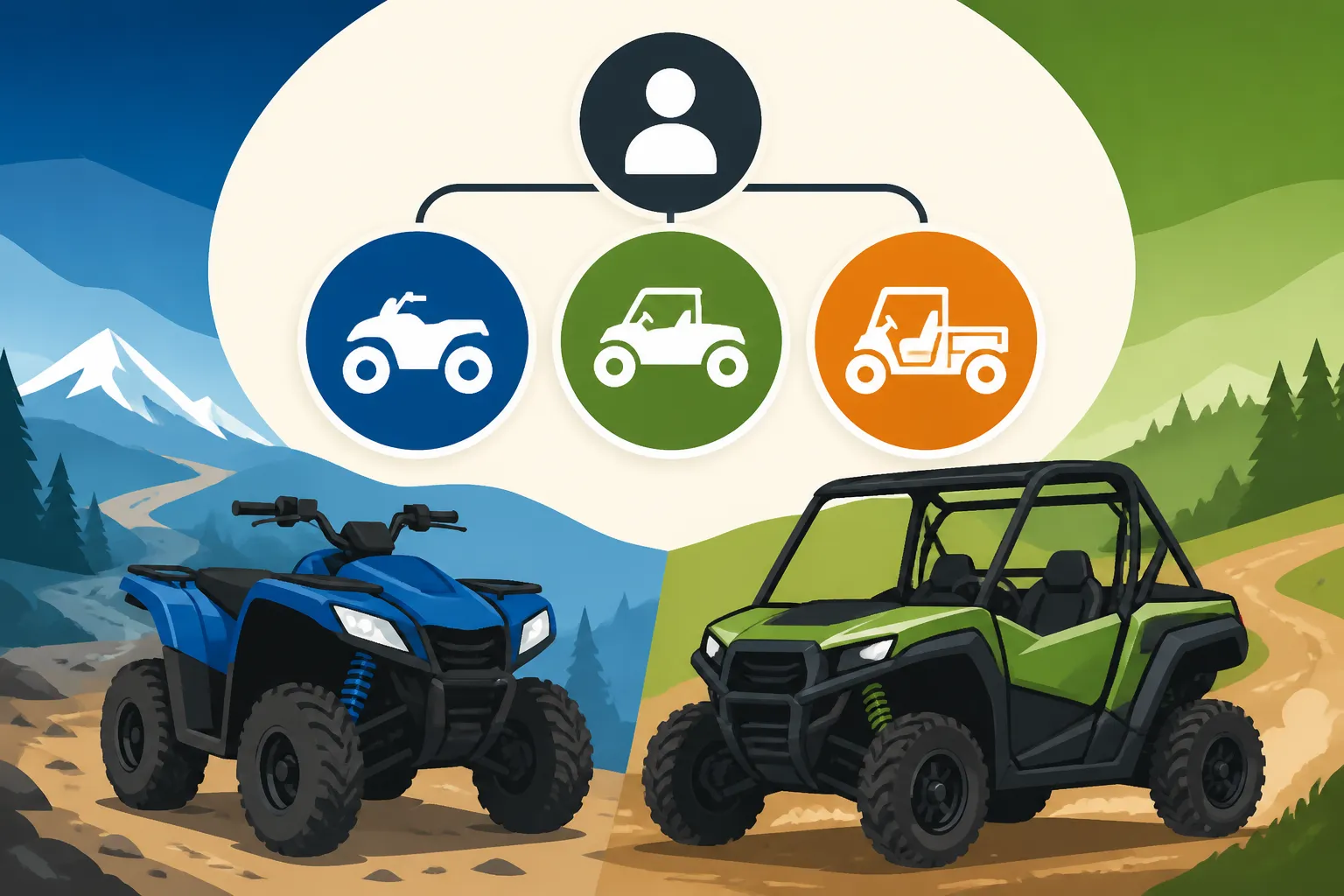
For many of us, when we hear "off-road vehicle," an ATV or quad is the first thing that comes to mind. These machines are characterized by their handlebars for steering, a straddle-style seat (like a motorcycle), and typically three or four wheels (though four-wheeled models, or quads, are by far the most common). They're designed for a wide range of terrain, from rocky trails to muddy bogs, and come in various sizes and engine displacements.
Whether it’s a small 90cc youth quad or a powerful 700cc utility machine, if it fits this description, it's firmly in the "prescribed class" for ATVs. This means if you want to take it out on any Crown land in BC, you'll need to make sure it's registered. And don't forget, there are specific [BC Youth Riding Rules and Supervision] that apply to younger riders on these machines, so knowing the class helps you keep everyone safe and legal. For instance, understanding these classes helps clarify rules like [BC Rules for a 13-Year-Old Rider].
Side-by-Side Vehicles (SxS or UTVs)
Side-by-sides, often called UTVs (Utility Task Vehicles) or SxS, have exploded in popularity over the last couple of decades. Unlike ATVs, these machines typically feature a steering wheel, bucket or bench seating for multiple passengers (sitting side-by-side, hence the name!), and a roll cage for occupant protection. They often have a cargo box or bed, making them incredibly versatile for both recreational adventures and work tasks.
From two-seater sport models built for speed to four-seater utility rigs designed for hauling, all of these variations fall under the side-by-side prescribed class. Their distinct design means they come with some different operating rules compared to ATVs, particularly regarding safety equipment like seat belts, as discussed in [BC Seat Belts Instead of Helmets]. If you're looking to ride one of these robust machines, then [Registering a Side-by-Side in BC] is a definite must for public land use.
Off-Road Motorcycles (Dirt Bikes)
While they share many characteristics with street-legal motorcycles, off-road motorcycles, or dirt bikes, are a distinct "prescribed class" under the ORV Act. These machines are specifically designed for off-highway terrain, featuring knobby tires, long-travel suspension, and often minimalist lighting or instrumentation not suitable for road use.
Whether you're riding a nimble motocross bike, an enduro machine, or a dedicated trail bike, if its primary design is for off-road use, it's classified as an ORV. This means that just like your quad or side-by-side, your dirt bike needs to be registered if you plan to ride it on Crown land. It’s a common misconception that because they look like motorcycles, they might fall under different rules, but for off-road purposes, they're treated identically to other ORVs when it comes to registration. If you're wondering about the specifics, check out [BC Registration for a Dirt Bike].
Snowmobiles
While they might not have wheels, snowmobiles are undeniably a major player in BC's off-road recreational scene and are also included as a "prescribed class" under the Act. These specialized machines are designed exclusively for travel over snow and ice, using a track for propulsion and skis for steering.
Despite their seasonal use and unique propulsion system, snowmobiles are firmly within the definition of an off-road vehicle for registration purposes. If you own a snowmobile and plan to use it on Crown land during the winter months, you'll need to ensure it's properly registered. The rules about carrying your registration certificate and displaying your plate apply equally to snowmobilers. So, before you hit those epic powder stashes, make sure you've taken care of [BC Registration for a Snowmobile].
What Machines Are Explicitly Excluded (and Why)
Just as important as knowing what is a prescribed ORV is understanding what isn't. The BC Off-Road Vehicle Act goes to great lengths to provide clarity on specific types of machines that are generally exempt from ORV registration, even if they operate off-road. These exclusions are usually based on the machine's primary purpose or its existing registration status.
Agricultural and Industrial Equipment
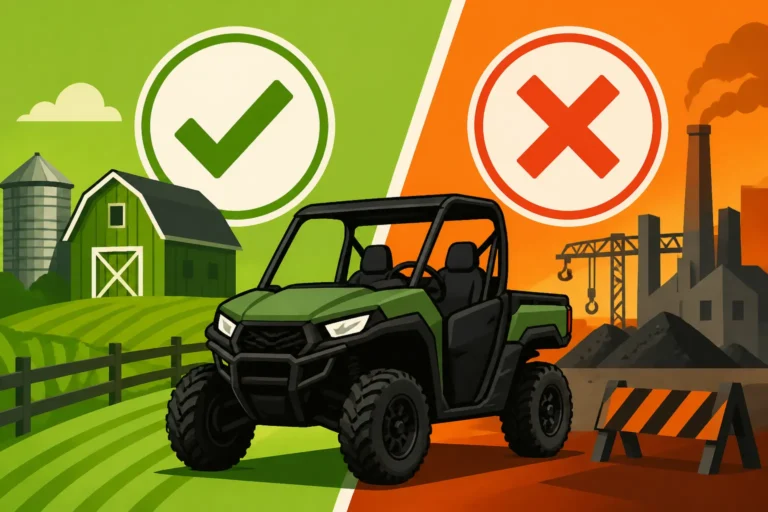
This is where a lot of confusion can arise, especially for those living in rural areas. Many types of heavy equipment, farm machinery, and industrial vehicles operate entirely off paved roads. Think about tractors, excavators, forklifts, or even "farm quads" used solely for tasks like herding livestock or moving feed on private farm land.
These machines are generally exempt from ORV registration as long as their use is exclusively for agricultural or industrial purposes. The moment that "farm quad" is taken off the farm and onto a public Forest Service Road for hunting or recreational riding, it loses its exemption and needs to be registered. This "exclusive use" clause is critical. So, while [BC Excludes Tractors and Loaders From the ORV Rules], that exemption has specific boundaries. Don't assume a machine is exempt just because it can be used for work; its actual use on Crown land dictates the need for registration. That’s why we always say, [BC Farm Quads Are Not Exempt] if they stray from farm duties onto public lands.
Machines Already Registered Under the Motor Vehicle Act
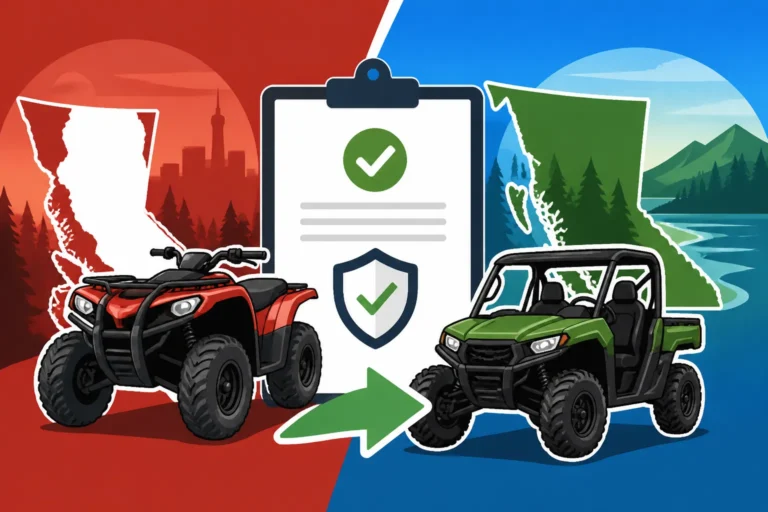
Another significant exclusion involves vehicles that are already registered under the BC Motor Vehicle Act (MVA) for highway use. This typically includes your everyday cars, trucks, SUVs, and highway-legal motorcycles. If you have a 4×4 truck that you take off-roading on Forest Service Roads or other Crown land, it does not need separate ORV registration because it's already registered and licensed for the road.
The key here is that it's already covered by a different set of provincial regulations designed for highway use. These machines have different safety standards, insurance requirements (like basic Autoplan), and driver licensing rules. So, while they might be "off-roading," they are not classified as "Off-Road Vehicles" under the ORV Act if they are already subject to the MVA. It's a matter of avoiding double-registration and ensuring the correct legal framework applies. This is why you won't find your F-150 on the ORV registry, even if you regularly take it mudding. For more detail, refer to [BC Machines Registered Under the Motor Vehicle Act].
What About E-Bikes and Other Electric-Assist Vehicles?
With the rise of electric-assist bicycles (e-bikes) and other similar light electric vehicles, many riders wonder where these fit into the ORV framework. Generally, pedal-assist e-bikes that meet specific power and speed limitations and require pedalling to engage the motor are treated as bicycles and are not considered off-road vehicles requiring registration.
However, the line can get blurry. If an "e-bike" has a motor that can propel it without pedalling beyond a certain speed or power, or if it's designed more like a motorcycle than a bicycle, it could potentially fall into an ORV class. Always check the specific regulations and the manufacturer's classification for your particular model. If it behaves more like a dirt bike than a bicycle, even if it's electric, it might be caught by the ORV Act. For a deeper dive into these specifics, you might find [BC E-Bikes Treated as Motor Vehicles] helpful in understanding the nuances.
The Nuance of Usage: When an Exemption Fades
Understanding the prescribed classes is a fantastic start, but it's not the whole story. The BC Off-Road Vehicle Act often hinges not just on what your machine is, but where and how you use it. This distinction is paramount, especially for those machines that might enjoy an exemption in one context but require registration in another.
The "Crown Land Trigger" and Dual-Use Machines
This is arguably the single biggest point of confusion for many off-road enthusiasts in British Columbia. You might own a quad that you only ever use on your own sprawling acreage. On your private land, there's no requirement for ORV registration. You’re good to go, having a blast, with no paperwork necessary. However, the moment you decide to take that same quad off your property and onto any piece of Crown land – be it a designated trail, a vast wilderness area, or even a Forest Service Road – the rules change instantly.
This is the "Crown Land Trigger." It means that even if your machine is typically used in a way that would exempt it (like a farm quad on a farm), that exemption evaporates when you venture onto public land. Suddenly, your machine is subject to the ORV Act, and if it falls into one of the prescribed classes, it must be registered. This is why it’s so vital to understand [BC Crown Land Triggers the Registration Rule]. Riding on [BC Private Land and the Registration Question] is one thing, but crossing that property line into public domain means a whole new set of responsibilities. Don't get caught out by this common misconception!
Proving Your Machine's Classification
So, you've got a machine, and you're pretty sure you know its class – or perhaps you're on the fence about whether it's exempt. How do you prove it, especially if you're dealing with a curious Conservation Officer or trying to register an older machine? The key is documentation.
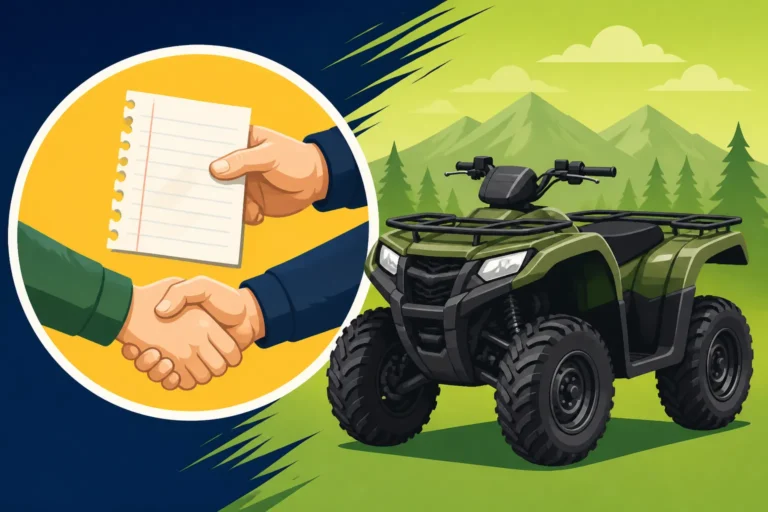
Manufacturers typically classify their machines, and this information is usually available in owner's manuals or on the manufacturer's website. If you're buying a used machine, a clear bill of sale from the previous owner (or even a chain of them if it's an older machine) can be incredibly helpful. This document should clearly identify the make, model, year, and Vehicle Identification Number (VIN), which can then be cross-referenced with manufacturer data or provincial regulations. Sometimes, when dealing with older machines or missing paperwork, you might even need to create a statutory declaration to affirm ownership and the machine's details. For these types of essential documents, a resource like LawDepot can be invaluable. They offer templates for things like bills of sale and statutory declarations, ensuring you have clear, legal paperwork to support your claim of ownership and machine classification, which can be a lifesaver when an Autoplan broker needs solid proof.
Practical Implications for Registration and Beyond
Understanding these prescribed classes isn't just an academic exercise; it has very real, practical consequences for every off-road rider in British Columbia. Getting it right can save you money, time, and a whole lot of frustration.
Why Getting It Right Saves You Headaches (and Fines!)
The most immediate and impactful reason to understand your machine's classification is to avoid legal trouble. Riding an unregistered prescribed ORV on Crown land in BC is a ticketable offense. Nobody wants to be handed a violation ticket when they're out enjoying nature. These fines aren't insignificant, and they can certainly put a damper on your riding day or even your entire season. Knowing exactly what your machine is helps you proactively get it registered, ensuring you're compliant before you ever hit the trail.
Beyond just the fines, there's the administrative headache. If you're pulled over and found to be non-compliant, you might be looking at more than just a ticket; in some cases, authorities have the power to seize your machine until proper registration is provided. It's an inconvenience and expense that's easily avoidable by simply understanding the rules from the outset. Don't risk it; ensure your paperwork is in order. For instance, knowing what counts as an ORV directly impacts the likelihood of receiving [BC Tickets for an Unregistered Machine].
How to Confirm Your Machine's Class (and What to Do Next)
If you're still uncertain about your machine's classification after reviewing the prescribed classes, the best course of action is to seek expert advice. Start by checking your machine's owner's manual or the manufacturer's website for specific details about its design and intended use. The VIN can be a powerful tool here.
Your next stop should be an authorized Autoplan broker. These brokers are equipped to handle ORV registrations and can help you navigate the nuances. They deal with these classifications daily and can tell you definitively if your machine fits a prescribed class and requires registration. They can also guide you through the necessary paperwork, whether it's a straightforward new registration or a more complex transfer of ownership for a used machine. Remember, [BC Autoplan Brokers Handle ORV Registration], so they are your go-to resource. If there's any lingering doubt, err on the side of caution and go through the registration process. It's far better to be safe than sorry.
The Ongoing Impact of Classification
The classification of your off-road vehicle extends its influence beyond just initial registration. It impacts various other aspects of your riding experience, from the gear you're legally required to wear to the type of insurance you might need. For example, a "ride-astride" machine like an ATV or dirt bike almost universally requires a helmet for the operator and any passengers, as highlighted in [BC Helmets on Ride-Astride Machines]. In contrast, a side-by-side, with its roll cage and bucket seats, typically requires seatbelt use instead of a helmet.
Furthermore, different classes of ORVs might have varying insurance requirements, especially when riding on Forest Service Roads or other industrial areas. Understanding your machine's class ensures you get the right coverage, like the specific policy types mentioned in [BC ATV Insurance Requirements]. The rules for [BC Seat Belts Instead of Helmets] illustrate how classification influences safety gear. This ongoing impact means that being clear on your machine's class is a commitment that pays dividends throughout your ownership, keeping you safe, legal, and ready for adventure.
Here's a quick overview of the main prescribed classes:
| Class of ORV | Key Characteristics | Common Examples | Registration Required on Crown Land? |
|---|---|---|---|
| All-Terrain Vehicle | Handlebars, straddle seat, 3 or 4 wheels | Quads, three-wheelers | Yes |
| Side-by-Side Vehicle | Steering wheel, bucket/bench seats, roll cage | UTVs, SxS, RZRs, Rangers | Yes |
| Off-Road Motorcycle | Handlebars, straddle seat, 2 wheels, knobby tires | Dirt bikes, Enduro bikes, Motocross | Yes |
| Snowmobile | Track propulsion, ski steering, rides on snow | Skidoos, Arctic Cats, Polaris RMK | Yes |
| Exempt (MVA-Registered) | Already licensed for highway travel | Cars, Trucks, SUVs, Highway Motorcycles | No (already registered under MVA) |
| Exempt (Industrial/Ag) | Used exclusively for work purposes on private land | Tractors, excavators, farm quads (on farm) | No (if truly exclusive to work/private land) |
Disclaimer
This article is for general informational purposes only and does not constitute professional advice. Laws, prices and regulations vary by location and change over time. Consult a qualified professional for guidance on your specific situation.