Keeping a Child in Clear View
It's incredibly stressful when you want to share the joy of ATV and UTV riding with your kids, but you're constantly worried about their safety, especially when the rules require you to keep them in "clear view." This guide is here to break down exactly what that means in British Columbia, why it's so important, and practical ways to make sure you're meeting this crucial safety standard without sacrificing the fun.
Understanding BC's Supervision Requirements for Young Riders
British Columbia takes the safety of young off-road vehicle (ORV) riders seriously, and for good reason. These machines are powerful, and while they offer incredible adventures, they also come with inherent risks, especially for developing riders. One of the cornerstone rules designed to protect kids is the requirement for adult supervision, which includes the directive to keep a child in "clear view." This isn't just a suggestion; it's a legal expectation, and understanding its nuances is key to responsible riding.
What "Clear View" Actually Means in BC Law
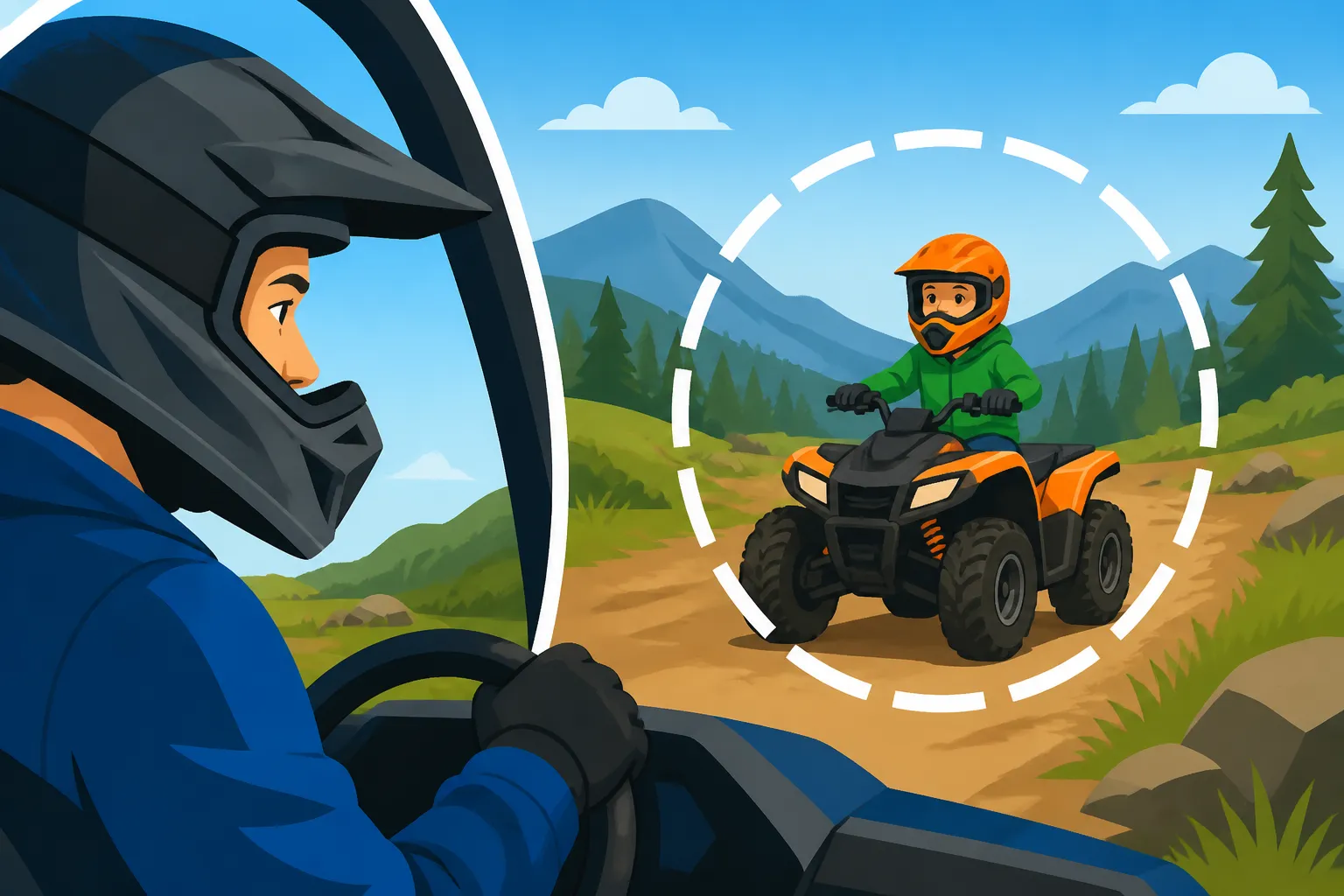
When the BC Off-Road Vehicle Act talks about "clear view," it's not just a casual suggestion. It means that the supervising adult must maintain an unobstructed line of sight to the young rider at all times while the child is operating the ORV. Think about it like a parent watching their child learn to swim in a pool – you're right there, eyes fixed, ready to intervene instantly if needed. For ORVs, this means no blind corners, no thick brush obscuring the view, and certainly no riding ahead while the child lags behind. The supervisor must be able to see the child's machine, their actions, and any immediate hazards that might arise. It implies proximity and constant visual contact, ensuring that if a child gets into trouble, the supervisor can respond without delay. It's about being present, alert, and able to react at a moment's notice to prevent an incident or provide immediate assistance. This is why [BC Youth Riding Rules and Supervision] are so stringent.
The Importance of Constant Supervision
Beyond the legal definition, constant supervision, including maintaining clear view, is fundamentally about safety. Young riders, particularly those under 16, are still developing their judgment, coordination, and understanding of risk. They might not fully grasp the speed, weight, or handling characteristics of an ORV, or they might react impulsively to unexpected terrain or obstacles. A child might encounter an unforeseen puddle, a sudden dip in the trail, or simply lose balance, and without a supervisor in clear view, precious seconds or even minutes could pass before an incident is noticed. This delay can turn a minor mishap into a serious accident. Your constant presence, both visually and physically, allows you to anticipate potential problems, shout warnings, or even physically intervene if the situation demands it. It's a proactive measure that mitigates the inherent risks of ORV operation for inexperienced and developing riders, giving them the confidence to learn while ensuring a safety net is always there.
Practical Strategies for Maintaining Clear View
Ensuring you keep a child in clear view isn't always as simple as it sounds, especially on varied terrain. It requires thoughtful planning, the right equipment, and consistent communication. There are many steps you can take to make this easier and more effective, turning it from a potential stressor into a routine part of your family's riding experience.
Choosing the Right Riding Environment
The environment you choose for riding with children dramatically impacts your ability to maintain clear view. When you're just starting out, or trying out new terrain, stick to open, less technical areas. Wide-open fields, flat gravel paths, or designated beginner trails are ideal. These locations minimize blind spots from trees, hills, or dense vegetation. Avoid trails with tight turns, steep inclines or declines, or dense forest where visual contact can be easily lost. Think about the sightlines – if you can't see 100 feet ahead of your child, you're likely in an environment that makes "clear view" difficult to maintain. As children gain experience and confidence, you can gradually introduce more complex terrain, but always prioritize visibility. Checking [BC ATV Trails: Where to Ride] for beginner-friendly options is always a smart move. Remember, it's not about how fast or how extreme the ride is, but about fostering a safe and enjoyable learning experience.
Equipment and Gear to Enhance Visibility
While your eyes are the primary tool for maintaining clear view, certain equipment can greatly assist in this crucial task.
- Safety Flags: A brightly coloured flag, mounted on a tall pole at the rear of the child's ORV, is invaluable. This flag can often be seen over small hills, through sparse brush, or around gentle bends, giving you an early indication of their position even when the machine itself is momentarily out of direct sight. Look for flags made from durable material that can withstand wind and trail conditions. Companies like SuperATV offer a range of robust flags and mounting solutions designed for off-road use, ensuring they stay put during active riding.
- Lights: Even during the day, additional lighting on the child's machine can improve their visibility, especially if they ride into a shadowed area or are partially obscured by dust. Small, bright LED lights, particularly on the rear, can make a difference. Ensure these lights are appropriate for the machine size and won't interfere with the child's operation.
- Mirrors: While primarily for the supervisor, wide-angle mirrors on your own machine can sometimes help you keep an eye on a child directly behind you, reducing the need for constant head-turning. However, these are supplementary and don't replace direct visual contact when the child is not immediately in your rearview.
- Bright Clothing: This might seem obvious, but ensuring your child wears bright, high-contrast clothing (neon yellows, oranges, and greens are excellent) significantly boosts their visibility against natural backgrounds. Avoid camouflage or dark colours that blend into the environment.
Choosing the right machine for the child is also paramount. [BC Manufacturer Age and Weight Guidance] stresses that a machine too large or powerful for a child can make it harder for them to control, and thus harder for you to safely supervise.
Communication is Key: Before and During the Ride
Effective communication is the glue that holds safe supervision together. It starts long before the wheels even turn and continues throughout the ride.
- Pre-Ride Briefing: Before setting out, have a clear conversation with your child. Explain the "clear view" rule and why it's important. Tell them they should always be able to see you, and if they can't, they need to stop immediately. Establish hand signals for "stop," "slow down," and "I'm okay." Reiterate key safety rules, such as speed limits, staying on designated trails, and never carrying passengers – especially since [BC Children Cannot Carry Passengers].
- Two-Way Radios/Intercoms: For an added layer of safety and convenience, consider using helmet-mounted intercom systems or two-way radios. These allow for real-time verbal communication. You can give immediate instructions ("Slow down around that corner!"), provide warnings ("Watch out for that pothole!"), or simply check in ("Are you doing okay back there?"). This is especially helpful if you're riding a bit farther apart due to terrain, or if the child is operating a side-by-side where helmet-to-helmet communication is possible. While not a substitute for visual contact, it's a powerful tool to enhance supervision and reassurance. SuperATV offers various communication accessories that can be integrated into helmets and machines, making these conversations effortless.
- Regular Check-Ins: Even with radios, make it a habit to stop periodically for a quick visual check and a verbal confirmation that everyone is doing well. These breaks are also great opportunities for hydration, a snack, and to discuss any challenges or successes from the last stretch of riding.
Challenges and Solutions for Supervising Multiple Children or Groups
Supervising one child while riding can be a demanding task, but adding more children or integrating into a larger group ride amplifies the complexity significantly. Maintaining "clear view" for multiple young riders requires even more rigorous planning and strategy to ensure everyone's safety.
Designated Supervisors and Group Dynamics
When you have more than one young rider, or if you're part of a larger family or club outing, the responsibility for "clear view" often needs to be shared or formally designated. Trying to keep track of three kids simultaneously, especially if they have different skill levels or are riding different machines, is incredibly challenging and often leads to gaps in supervision.
- Assigning Roles: The simplest solution is to have a dedicated adult supervisor for each child, or for a very small, tightly knit group of children of similar skill. If that's not feasible, formally assign specific children to specific adults. For instance, "Aunt Sarah, you're responsible for keeping an eye on Liam, and Uncle Mark, you've got Chloe." This prevents assumptions and ensures no child falls through the cracks.
- "Bookend" Strategy: For a group of children, position experienced adult riders at the front and back of the pack. The lead adult sets the pace and watches for hazards, while the trailing adult (who must be the primary supervisor maintaining "clear view") keeps eyes on all the children, particularly the slowest or least experienced. This adult needs to be able to dictate the pace of the entire group.
- Regular Formation Checks: During the ride, encourage children to maintain a consistent distance from each other and from the supervisor. If the group spreads out too much, or if a child veers off, the lead supervisor should call for a stop until everyone is back in visual range. This also relates to [BC Supervisors Must Be 19 or Older] – ensure any designated supervisor meets the age requirement.
Addressing Common Distractions and Obstacles
Trail riding is full of potential distractions, both for children and their supervisors. Managing these is crucial for maintaining effective clear view.
- Dust and Mud: These are classic clear view killers. If conditions are dusty, space out riders more, or consider riding on days with less dust. If mud is an issue, recognize that visibility can be reduced and machines can become harder to control. Slow down significantly and be prepared for children to get stuck, requiring close intervention.
- Terrain Changes: Moving from open fields to treed areas, or from flat ground to rolling hills, can instantly break line of sight. Supervisors must anticipate these changes and adjust their position accordingly, possibly riding alongside the child rather than directly behind or ahead.
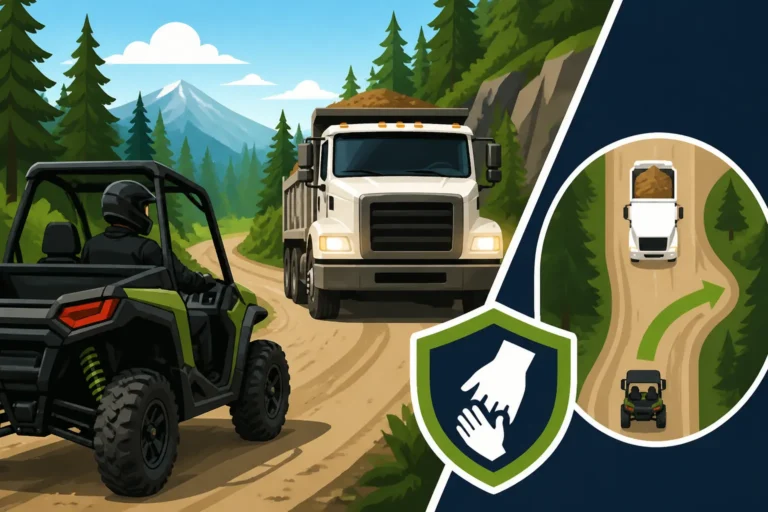
- Other Riders/Vehicles: On shared trails, other ORVs, hikers, or even wildlife can be huge distractions. Brief children beforehand on how to react (e.g., pull over to the side, stop, wait for instructions). The supervisor must also be hyper-aware of these external factors to ensure the child isn't put in a dangerous situation.
- Fatigue and Boredom: Children, especially younger ones, can get tired or lose focus. Fatigue impairs judgment and reaction time. Plan shorter rides, incorporate plenty of breaks, and vary the scenery if possible to keep them engaged. A bored child might take unnecessary risks, making supervision harder. [BC Rules for a Child Under 16] strongly advise against over-extended rides for younger operators.
By proactively addressing these potential issues, you can minimize the risk of losing visual contact and ensure a safer, more enjoyable experience for everyone involved.
Beyond Clear View: Comprehensive Safety for Young Riders
While keeping a child in clear view is a non-negotiable aspect of BC's ORV regulations, it's just one piece of a much larger safety puzzle. True safety for young riders involves a holistic approach that includes proper training, appropriately sized machines, and a deep understanding of all relevant rules.
Training and Skill Development
Simply being able to see a child isn't enough if they lack the fundamental skills to operate their machine safely. Rider training is perhaps the most critical investment you can make in a young rider's safety.
- Formal Training Courses: Encourage and enroll children in accredited ORV rider training courses. These programs teach essential skills like proper throttle control, braking techniques, turning, navigating obstacles, and safe ascent/descent on hills. They also cover basic maintenance and important safety habits. A child who has completed such training is far more capable of handling unexpected situations, reducing the risk of an incident that would require immediate intervention from a supervisor. Many clubs endorse specific programs; [BC Safety Training Options] provides more details.
- Progressive Practice: Don't just throw them onto complex trails. Start with basic drills in a controlled environment, like a large, flat field. Practice starting, stopping, turning, and emergency braking repeatedly until it becomes second nature. Gradually introduce gentle slopes and minor obstacles. The goal is to build confidence and muscle memory before tackling more challenging terrain. [What a Rider Course Teaches] emphasizes this structured learning approach.
- Understanding Machine Limits: Teach children that every machine has its limits, and so does every rider. Overconfidence can be a major hazard. Emphasize that it's okay to go slow, to walk a section of trail if unsure, and to ask for help.
The Role of Appropriate Machine Size and Type
The "clear view" rule implicitly acknowledges that supervising an ill-suited machine is incredibly difficult, if not impossible. Matching the machine to the child's physical size, age, and skill level is fundamental to their safety and your ability to supervise effectively.
- Manufacturer Guidelines: Always adhere strictly to the manufacturer's recommended age and weight guidelines for each ORV model. These aren't arbitrary suggestions; they're based on extensive research and engineering to ensure the machine's ergonomics and power output are appropriate for specific rider demographics. A child on a machine that's too heavy, too tall, or too powerful for them will struggle to control it, increasing the risk of rollovers, crashes, or losing control. You can find more on this in [BC Manufacturer Age and Weight Guidance].
- ATV vs. Side-by-Side: Consider the type of machine. While ATVs offer a more traditional "rider-active" experience, side-by-sides (UTVs) often provide a more stable platform with features like seatbelts and roll cages. For younger or less experienced riders, a UTV might offer an enhanced sense of security, although supervision (and maintaining clear view) is still paramount. Remember, [BC Rules for Riding a Side-by-Side] also apply. Accessories like wider fender flares or even full doors, which SuperATV provides, can add another layer of protection in a side-by-side, indirectly aiding your peace of mind while you maintain clear view.
- Regular Maintenance Checks: A well-maintained machine is a safe machine. Before every ride, conduct a pre-ride inspection of the child's ORV: check tire pressure, brakes, throttle operation, chain tension (if applicable), and ensure all lights are working. A mechanical failure can put a child in immediate danger, regardless of how closely you're watching them. This diligence also helps with [BC Equipment Checks by Conservation Officers] if you encounter them on the trail.
By combining diligent supervision and clear view with proper training, appropriately matched equipment, and strict adherence to all safety protocols, you create the safest possible environment for young riders to enjoy the incredible world of off-road adventures in British Columbia.
Disclaimer
This article is for general informational purposes only and does not constitute professional advice. Laws, prices and regulations vary by location and change over time. Consult a qualified professional for guidance on your specific situation.