BC Seat Belts Instead of Helmets
It’s a common scene in British Columbia: you’re heading out for a ride, maybe with friends, maybe just yourself, and you see different kinds of off-road vehicles. Some riders have helmets strapped on, ready to go, while others are buckling up seat belts in what looks like a mini-car for the trails. This can get confusing, and the truth is, BC's rules around helmets versus seat belts for off-road vehicles aren't always straightforward, leading to questions about what's legal, what's safe, and what truly protects you when you're out exploring our incredible backcountry. This guide will cut through the confusion and explain exactly when you need a helmet, when a seat belt is your primary protector, and how to stay safe and compliant on BC’s diverse terrain.
The Core Difference: Ride-Astride Versus Contained
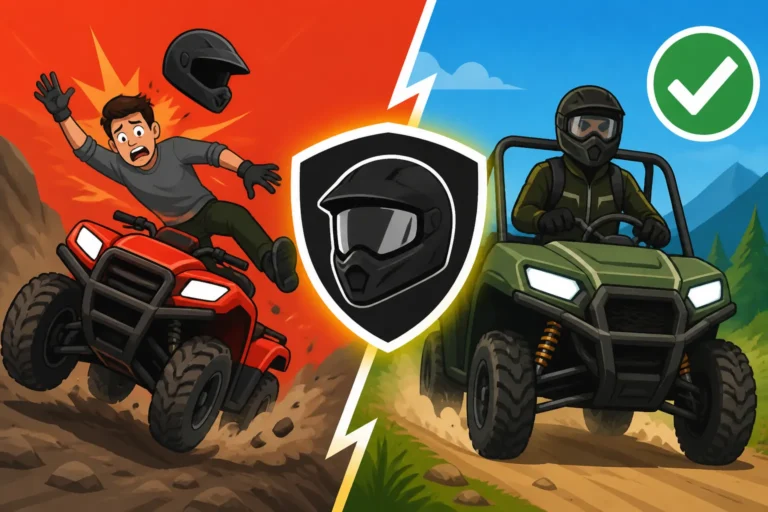
The fundamental distinction that dictates whether you wear a helmet or buckle a seat belt really boils down to the design of your off-road vehicle. Are you sitting on it, straddling it like a horse or a motorcycle, or are you sitting inside it, with a roll cage and a steering wheel? This isn't just a matter of comfort; it's about how the vehicle is designed to protect you in the event of an incident.
Why ATVs Demand a Helmet
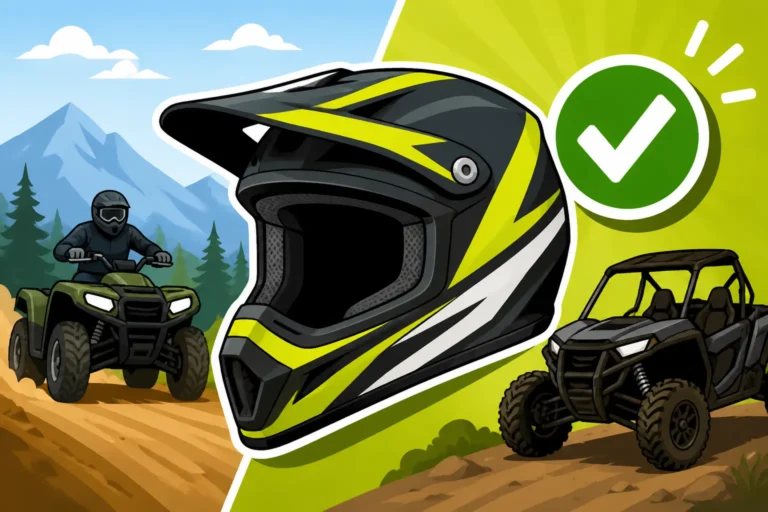
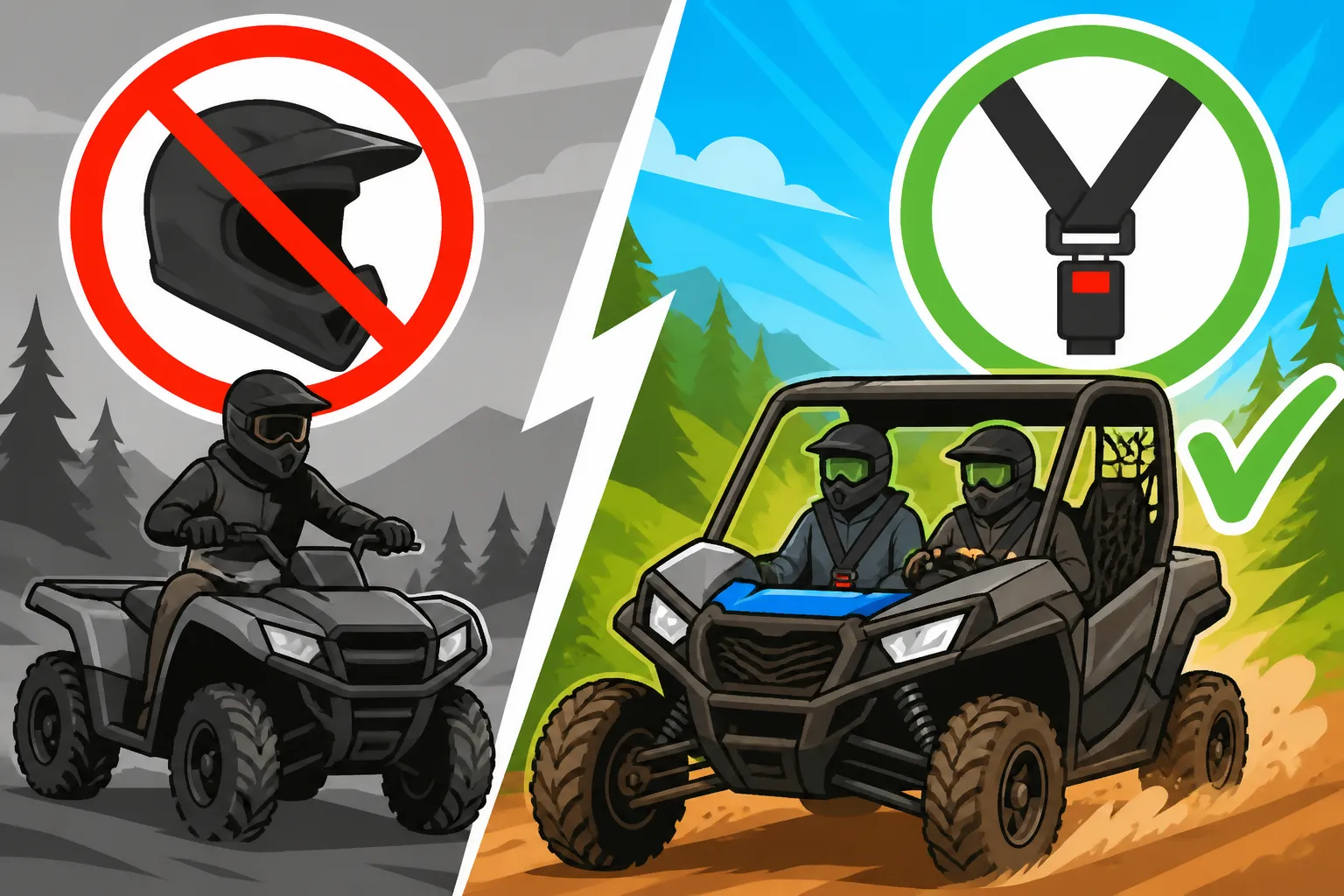
For traditional All-Terrain Vehicles (ATVs), also known as quads, the design inherently places the rider in an exposed position. You're riding astride the machine, fully open to the elements and the terrain. If the ATV rolls, tips, or you're simply thrown from it due to an unexpected bump or manoeuvre, your body is directly exposed. There's no protective cage around you, no seat belt to hold you securely in place. Because of this inherent exposure, BC's regulations are very clear: if you're riding an ATV, a helmet is absolutely mandatory.
This isn't just a suggestion; it's a legal requirement designed to protect your most vital asset – your brain. A helmet provides crucial impact protection and helps prevent severe head injuries that could arise from hitting the ground, a tree, or any other obstacle during a fall or collision. Think of it as your first and often last line of defence. For a deeper dive into these requirements, check out [BC ATV Helmet Law Explained].
When UTVs Get a Pass on Helmets
Side-by-Sides (UTVs), also often called recreational off-road vehicles (ROVs) or even "quads with roll cages," are a different beast entirely. They feature a more car-like cabin, with bucket seats, a steering wheel, and most importantly, a factory-installed Roll-Over Protective Structure (ROPS) and seat belts. This design fundamentally changes how you are protected. In a UTV, you are contained within a protective framework. The ROPS is engineered to maintain a survival space around the occupants if the vehicle rolls over, and the seat belts are designed to keep you securely fastened within that space, preventing ejection.
Because of this built-in protection system, BC regulations typically allow UTV occupants to forego helmets if they are properly secured by the manufacturer-installed seat belts and the vehicle's ROPS is intact and correctly used. It's the combination of the robust roll cage and the restraint system that provides a comparable level of safety to a helmet in this specific vehicle type. However, this exception relies heavily on the use of those seat belts. Neglecting to buckle up in a UTV is not only incredibly dangerous but can also put you in violation of safety rules. This is where the "seat belts instead of helmets" conversation truly makes sense.
BC's Helmet Law: More Than Just a Suggestion
Let's get down to the nitty-gritty of helmets in BC. For anyone on a ride-astride ORV, there’s no getting around it: a helmet is legally required. This rule is in place for a good reason, as the risks associated with ATV riding without head protection are severe. Ignoring this can not only lead to serious injury but also hefty fines.
Who Must Wear a Helmet
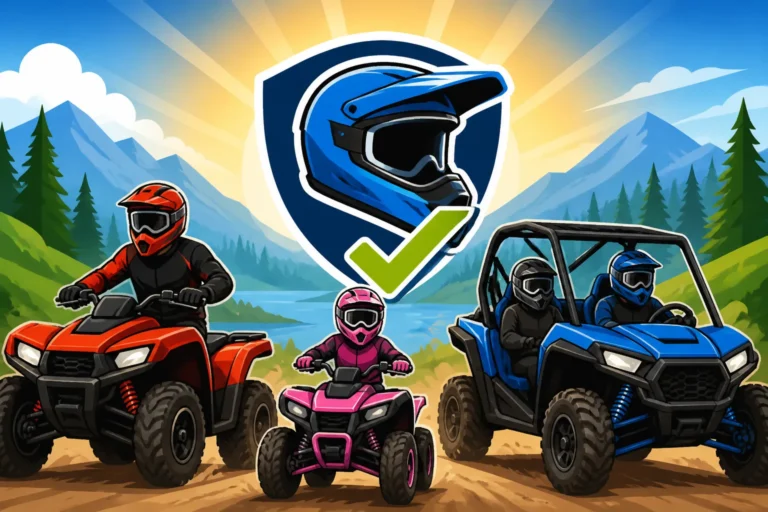
The BC Off-Road Vehicle Act and its regulations specify that every person operating or riding as a passenger on a ride-astride off-road vehicle must wear a helmet. This includes everyone from the driver tearing up a trail to a child riding along on a youth-sized quad. There are no age exemptions here; if you're on a machine that requires you to straddle it, your head needs protection. This applies whether you're on designated trails, Crown land, or even many resource roads. It’s a blanket rule for a reason – you never know when an unexpected obstacle or a patch of loose gravel could send you tumbling.
It’s about protecting everyone, and as an operator, you're also responsible for ensuring any passengers are compliant. Imagine the terrible feeling of an accident where you knew you could have insisted on a helmet, but didn't. This isn't just about following the law; it's about being a responsible rider and looking out for yourself and others.
Approved Helmet Standards in BC
Not just any helmet will do. BC's regulations require that helmets worn on ORVs meet specific safety standards. You can't just throw on an old bicycle helmet or a construction hard hat and call it good. The helmet must be designed for motorized vehicle use and bear one of the recognized certification marks. These typically include:
- DOT (Department of Transportation): A common standard for helmets sold in the United States.
- Snell: A rigorous independent testing standard often exceeding DOT requirements.
- ECE (Economic Commission for Europe): A widely accepted international standard.
These certifications indicate that the helmet has undergone rigorous testing to ensure it can withstand impacts and provide adequate protection. When you’re shopping for a new helmet, always look for one of these stamps of approval, usually found on a sticker on the back or inside the helmet. Investing in a good quality, certified helmet is non-negotiable for your safety and compliance. For more details on what to look for, check out [BC Helmet Standards in the Regulation].
Seat Belts in Your Side-by-Side: Your Primary Protection
For UTVs, the seat belt is king. It’s the cornerstone of your safety system, designed to work in conjunction with the vehicle’s robust roll cage. Just as an ATV rider should never forget their helmet, a UTV occupant should never forget to buckle up.
Manufacturer-Installed Seat Belts: Non-Negotiable
Every new side-by-side comes from the factory equipped with seat belts and a Roll-Over Protective Structure (ROPS). These are integral components of the vehicle's safety design. The seat belts are engineered to keep you contained within the protective envelope of the ROPS during aggressive riding, sudden stops, or, critically, a rollover. Their function is to prevent you from being ejected from the vehicle, which is often when the most severe injuries occur in UTV incidents.
It’s absolutely non-negotiable: if your UTV has factory-installed seat belts, you must use them. Just like in a car, these restraints are your primary defence. Failure to use them not only dramatically increases your risk of injury but can also land you in trouble with authorities, as [BC Seat Belt Rules on a Side-by-Side] clearly state. These rules exist because the manufacturer has designed a complete safety package, and the seat belts are a vital part of it.
Aftermarket Additions: Buyer Beware
While the factory seat belts are essential, some UTV owners look to aftermarket solutions for enhanced safety or comfort, especially for more extreme riding conditions. You might see everything from four-point harnesses to full racing harnesses. These can offer increased security by holding you more firmly in your seat, reducing jostling and providing a snugger fit for high-speed or rough terrain riding. Brands like SuperATV, for example, offer various aftermarket accessories including harnesses, often designed for specific UTV models to integrate seamlessly.
However, when considering any aftermarket safety additions, it's crucial to exercise caution. Always ensure that any harness or restraint system you install is compatible with your specific UTV model and, ideally, that it integrates safely with the existing ROPS and mounting points. Improperly installed or poorly designed aftermarket parts can sometimes compromise, rather than enhance, safety. It's always best to consult with a reputable dealer or a certified mechanic if you're unsure, ensuring that any modifications don't inadvertently create new hazards or void manufacturer warranties. Your primary goal should always be to maintain or improve the safety integrity of your machine.
Navigating Mixed Terrain: When Rules Overlap
British Columbia offers an incredible diversity of riding environments, from purpose-built recreation sites to vast stretches of Crown land and active resource roads. The challenge for riders is that the rules, especially regarding safety gear, can sometimes feel like they shift depending on where you are. Understanding these nuances is key to staying safe and legal.
Forest Service Roads and Resource Roads
Forest Service Roads (FSRs) and other resource roads are the backbone of backcountry access in BC. They often serve multiple purposes, from industrial logging to recreation, and are where many ORV riders spend a significant amount of their time. The rules here are quite specific. If you are operating a ride-astride ORV (an ATV or dirt bike) on an FSR, a helmet is not just recommended; it's legally mandated. This applies to both the operator and any passengers. The reasoning is clear: FSRs, while often graded, can be unpredictable with varying surfaces, active industrial traffic, and blind corners. The risks are high, and head protection is essential.
For UTVs, the general rule of seat belts over helmets usually applies on FSRs, provided everyone is properly buckled in. However, some riders, especially those pushing their machines hard or engaging in more extreme terrain, might opt to wear helmets even in a UTV on these roads for an added layer of protection. This is a personal choice, but the legal requirement defaults to the factory-installed seat belts doing their job. For further clarity on FSR helmet rules, consult [BC Forest Service Road Helmet Rules].
Private Property and Other Crown Land
The landscape of BC is vast, and much of it is Crown land, managed by the province. When riding on general Crown land that isn't a specifically managed recreation site or an FSR, the ORV Act still largely applies. This means if you're on a ride-astride machine, a helmet is still required. The idea is that wherever you are in the natural environment, the inherent risks of ATV riding remain. Whether you're navigating rocky climbs or zipping through forest trails, your head needs protection. You can find more comprehensive information about [BC Rules for Riding Crown Land] to ensure you're always compliant.
When it comes to private property, the rules become a bit more nuanced. While the provincial ORV Act generally applies to public lands, local bylaws or specific property rules might also come into play. However, from a pure safety standpoint, wearing a helmet on an ATV and using seat belts in a UTV on private land is still the smartest choice. Accidents can happen anywhere, regardless of ownership. Plus, your insurance policy might have clauses requiring proper safety gear usage, even on private land, so it's always wise to check your coverage.
The Role of Proper Gear Beyond Head Protection
While the helmet versus seat belt discussion is central to ORV safety, it's really just one piece of a much larger puzzle. Comprehensive safety on the trails involves a full spectrum of protective gear and a commitment to safe riding practices. Thinking beyond just head protection can significantly reduce your risk of injury and make your riding experience more enjoyable.
Eye Protection, Gloves, and Boots
Regardless of whether you're riding an ATV or a UTV, other protective gear is equally vital. Imagine a branch snapping back into your face, or a rock flying up from a tire – without proper eye protection, your vision could be compromised instantly, leading to a much more serious incident. Goggles or safety glasses are non-negotiable.
Gloves offer crucial grip on the handlebars and levers, reducing hand fatigue and preventing blisters. More importantly, they protect your hands from abrasions, impacts, and cuts from branches or falls. Hands are often the first thing to hit the ground in a spill, so proper hand protection is a must.
Finally, sturdy, over-the-ankle boots are essential. They protect your feet and ankles from impacts, crushing injuries, and the heat of the engine or exhaust. Good boots also provide better grip on footpegs or pedals, helping you maintain control of your machine. Think of these three items as the absolute minimum alongside your helmet or seat belt – they complete your basic layer of personal protection.
Rider Training and Awareness
Even the best gear can only do so much. The most effective safety measure is always a well-trained, aware, and responsible rider. Taking an accredited ORV safety course can equip you with essential skills, from navigating difficult terrain to understanding your machine's capabilities and limitations. These courses often cover defensive riding techniques, emergency braking, and how to safely handle various obstacles, dramatically reducing your risk of an incident. It's an investment in your safety that pays dividends on every ride. Learn more about your options for [BC ATV Safety Training Options].
Beyond formal training, continuous awareness is key. Always be mindful of your surroundings, anticipate potential hazards, and ride within your skill level and the machine's capabilities. This includes checking weather conditions, informing someone of your route, and carrying essential emergency supplies. Even if you're riding with aftermarket enhancements from SuperATV or another reputable brand, understanding how your machine handles and reacting appropriately is paramount. A responsible rider is a safe rider, always.
BC ORV Safety Requirements: ATV vs. UTV
Understanding the distinct safety requirements for ATVs and UTVs in BC is crucial for every rider. This table breaks down the primary differences at a glance.
| Feature | ATV (All-Terrain Vehicle) | UTV (Utility Terrain Vehicle / Side-by-Side) |
|---|---|---|
| Primary Head Protection | Mandatory Helmet (DOT, Snell, or ECE certified) | Seat Belt (factory-installed) |
| Restraint System | None (rider uses body weight/position for control) | Mandatory Seat Belts (3-point or 4-point, factory-installed) |
| Roll-Over Protection | None (rider exposed) | Factory-installed Roll-Over Protective Structure (ROPS) |
| Seating Position | Ride-astride (like a motorcycle) | Seated in bucket seats (like a car) |
| Steering Control | Handlebars | Steering wheel |
| Passenger Rules | Generally, only one rider unless machine is specifically designed for two (tandem ATV) | Designed for multiple passengers (two, four, or more seats, depending on model) |
| BC Legal Requirement | Helmet mandatory for all occupants, regardless of age or location on public land/FSRs. | Seat belts mandatory for all occupants; helmet optional if seat belts are worn and ROPS is intact. |
This table clearly illustrates why the distinction between a helmet and a seat belt is not arbitrary but is directly tied to the fundamental design and inherent safety features of each type of off-road vehicle in British Columbia. Always prioritize safety, understand your machine, and ride responsibly.
Disclaimer
This article is for general informational purposes only and does not constitute professional advice. Laws, prices and regulations vary by location and change over time. Consult a qualified professional for guidance on your specific situation.