BC Helmet Standards in the Regulation
Navigating the world of off-road vehicle (ORV) regulations in British Columbia can feel like a maze, especially when it comes to something as critical as helmet use. Many riders are frustrated by conflicting information or simply don't understand the nuances of what's legally required to keep them safe on the trails. This comprehensive guide will cut through the confusion, detailing BC's specific helmet standards and how they apply to your ATV or UTV adventures.
Why Helmets are Non-Negotiable in BC Off-Road Riding
Riding an ATV or UTV in British Columbia is an exhilarating experience, offering unparalleled access to stunning natural landscapes. However, with that thrill comes inherent risks. Head injuries are among the most serious consequences of an off-road incident, and while nobody wants to think about a crash, preparing for one is simply smart riding. Helmets aren't just a suggestion; they are a fundamental piece of safety equipment, often mandated by law, designed to protect your most vital asset.
The Hard Truth About Head Injuries
It's easy to feel invincible when you're roaring down a forest service road or navigating a challenging trail. However, even a low-speed tip-over can result in a severe head injury if you're not wearing proper protection. The ground, rocks, trees, or even another vehicle can become unforgiving impact points. Traumatic Brain Injuries (TBIs) can have lifelong consequences, affecting everything from cognitive function and memory to motor skills and personality. The physical and emotional toll on riders and their families can be devastating, far outweighing the momentary discomfort or perceived inconvenience of wearing a helmet.
Beyond immediate injuries, many riders underestimate the cumulative effect of smaller impacts or concussions that can occur even in seemingly minor incidents. A helmet's job isn't just to prevent a skull fracture; it's also to absorb and dissipate energy from an impact, reducing the forces transmitted to your brain. This crucial protective layer can literally be the difference between walking away from an accident and facing a long, difficult recovery, or worse.
Legal Mandates Versus Personal Safety
In British Columbia, the requirement to wear a helmet while operating or being a passenger on an off-road vehicle isn't just a good idea; it's enshrined in the Off-Road Vehicle Act. This legislation was put in place to standardize safety across the province's vast network of trails, resource roads, and Crown land where ORVs are permitted. Failing to comply can result in fines, but more importantly, it puts your personal safety at severe risk. While the law sets a minimum standard, many experienced riders choose to exceed these requirements, opting for even higher levels of protection.
It’s tempting to think that legal requirements are merely bureaucratic hurdles, but in the context of ORV use, they are often born from extensive research into accident statistics and injury prevention. The intent is clear: to ensure every rider has a basic level of protection. While the Act specifies certain types of machines and conditions, the spirit of the law encourages responsible riding, and that always starts with a properly secured helmet. [BC Helmet Law Covers Every Rider] delves deeper into who is covered by these regulations.
Protecting Yourself and Your Loved Ones
Riding an ORV is often a shared passion, whether you're out with friends, family, or even teaching younger generations the ropes. When you choose to ride without a helmet, you're not only risking your own well-being but also setting a dangerous example for others, especially impressionable young riders. Seeing an adult disregard safety gear can normalize risky behaviour, potentially leading to serious consequences for them down the line.
Ensuring everyone in your riding group, from the most seasoned veteran to the newest child passenger, is wearing an appropriate, certified helmet is a cornerstone of responsible ORV use. This commitment to safety fosters a culture where everyone feels secure and can fully enjoy the adventure without unnecessary worry. It’s about building good habits and demonstrating a respect for the potential dangers, while still embracing the thrill of the ride.
Understanding BC's Specific Helmet Requirements
The Off-Road Vehicle Act and its accompanying regulations are the definitive sources for helmet requirements in British Columbia. It’s not enough to simply wear any helmet; the law specifies certain types and standards to ensure genuine protection. These rules are designed to distinguish between casual headwear and legitimate safety gear that can withstand the rigours of an off-road environment.
The Off-Road Vehicle Act and Regulations
Under the BC Off-Road Vehicle Act, specifically sections related to operation, there are clear directives regarding helmet use. For most ride-astride ORVs, such as ATVs and dirt bikes, a helmet is absolutely mandatory for both the operator and any passenger. This is a non-negotiable rule whenever these machines are operated on Crown land, including forest service roads and designated trails. The Act also specifies that the helmet must meet certain safety standards, which we'll explore shortly. It's crucial for riders to be familiar with these specific requirements, as ignorance of the law is no excuse for non-compliance. [What the Off-Road Vehicle Act Covers in BC] provides further context on the overarching legislation.
The legislation also addresses the type of helmet needed, generally referring to those designed for "motorcycle use." This means helmets intended for street motorcycles, which undergo rigorous testing, are typically acceptable for ORV use. The focus is on a helmet that offers full head protection, including the sides and back, and is secured properly. This isn't about arbitrary rules; it's about ensuring the helmet can actually do its job in an impact scenario, providing robust protection against blunt force trauma and abrasion.
Recognized Safety Standards
When the BC regulations refer to helmets that meet "recognized safety standards," they are typically pointing to established certifications from credible organizations. The most commonly accepted standards in Canada, and therefore in BC, include:
- DOT (Department of Transportation): This is a widely recognized standard in the United States, indicating the helmet has met minimum performance requirements for impact attenuation and penetration resistance.
- Snell Memorial Foundation (Snell): A non-profit organization that conducts more stringent, voluntary helmet testing, often exceeding DOT requirements. Snell certifications (e.g., M2020) are highly respected for their advanced safety criteria.
- ECE (Economic Commission for Europe): This standard is common in Europe and many other parts of the world, recognized for its comprehensive testing protocols.
- CSA (Canadian Standards Association): While more common for industrial safety equipment, some specialized helmets might carry a CSA certification, though DOT, Snell, or ECE are more prevalent for recreational ORV helmets.
It's vital that your helmet has one of these certification stickers prominently displayed, typically on the back or inside the helmet. Without a recognized certification, even a seemingly robust helmet might not be considered legal or safe by enforcement officers or, more critically, by an impact. Always check for these labels when purchasing a new helmet. [Buying a Helmet That Passes in BC] has more details on selecting a certified helmet.
Helmets for Ride-Astride Versus Contained Machines
This is where some confusion often arises. The helmet requirements can differ slightly depending on the type of ORV you are operating.
Ride-Astride Machines (ATVs, Dirt Bikes, etc.):
For vehicles where the operator "rides astride" and is exposed to the elements, such as traditional ATVs and dirt bikes, a certified helmet is always mandatory for both the driver and any permitted passengers. There are no exceptions for these machines when operated on Crown land. This is due to the complete exposure of the rider, making direct head impact a significant risk even in minor incidents. [BC Helmets on Ride-Astride Machines] reiterates this point.
Contained Machines (Side-by-Sides, UTVs with Roll Cages):
Side-by-sides (SxS or UTVs) typically feature a roll cage, seat belts, and sometimes doors or nets, providing a more "contained" environment than an ATV. In these machines, if the vehicle is equipped with seat belts (which most modern SxS machines are), then occupants are generally required to wear the seat belts. The BC regulations state that if a side-by-side has seat belts installed, and the occupant is properly wearing them, a helmet might not be mandatory unless specified otherwise by specific site regulations or an officer. However, many experienced riders, recognizing the ongoing risk of rollovers and impacts, still choose to wear helmets in side-by-sides for maximum protection. This is a critical distinction, and while the law might offer some leeway, prioritizing safety often means still donning a helmet. [No Helmet Needed With a Belt and Cage] and [BC Seat Belts Instead of Helmets] offer more clarity on this specific aspect.
Types of Helmets and Their Suitability for ORV Use
Choosing the right helmet goes beyond just meeting legal requirements; it's about selecting the best protection for your specific riding style, machine, and personal comfort. While many types of helmets exist, not all are equally suited for the dynamic and often dusty or muddy environment of BC's off-road trails.
Motorcycle Helmets for ATVs
The vast majority of ATV riders choose helmets designed for off-road motorcycling. These helmets are purpose-built for the demands of trail riding and typically feature:
- Aggressive Visors: Designed to block sun, roost (dirt/mud thrown up by other vehicles), and provide some protection from low-hanging branches. These are typically not full-face shields but rigid visors that allow for airflow.
- Open Face Design (with Goggles): Most off-road motorcycle helmets have a large opening for the face, necessitating the use of separate goggles. This combination provides excellent ventilation, which is crucial during strenuous riding, and allows for easy swapping or cleaning of goggles.
- Extended Chin Bars: These offer substantial protection for the jaw and chin, common impact areas in ATV crashes.
- Lightweight Construction: Often made from advanced composites or fiberglass to keep weight down, reducing rider fatigue.
- Excellent Ventilation: Multiple vents are strategically placed to draw air in and push heat out, keeping the rider cooler.
While these helmets are ideal for traditional ATVs, it's crucial to pair them with high-quality, impact-resistant goggles that fit snugly against your face and integrate well with the helmet's design. Brands like SuperATV often offer accessories like helmet bags or cleaning kits that help maintain your gear, including those specialized goggles. The combination of a well-fitted off-road helmet and protective goggles offers superior protection against impacts, dust, and debris.
Side-by-Side Specific Helmets
Although many side-by-side riders use off-road motorcycle helmets, some manufacturers now offer helmets specifically designed with UTV users in mind. These can sometimes lean towards a slightly different design, often integrating features that balance open-air visibility with impact protection:
- Full-Face Shield Options: Unlike traditional off-road motorcycle helmets, some UTV-specific helmets might incorporate an integrated, clear face shield that can be raised or lowered. This offers protection from dust, wind, and debris without needing separate goggles, which can be a comfort advantage in longer rides or cold weather.
- Communication System Integration: Given that side-by-sides often carry multiple passengers, some helmets are designed to easily integrate communication systems (intercoms) for clear conversation over engine noise and wind.
- Less Aggressive Visors: While still present, the visors on UTV helmets might be slightly smaller than those on ATV helmets, as the vehicle itself provides more overhead protection.
Ultimately, the choice for a side-by-side often comes down to personal preference for ventilation, visibility, and whether you prefer integrated eye protection or separate goggles. Regardless of the style, ensure it meets one of the recognized safety standards like DOT or Snell.
The Role of Full-Face, Open-Face, and Modular Designs
While off-road specific helmets are generally recommended, riders sometimes consider other motorcycle helmet types, especially for milder conditions or specific UTV setups.
- Full-Face Helmets (Street Style): These offer maximum protection by completely enclosing the head, with an integrated face shield. They are highly protective against impacts and offer excellent weather protection. However, they can be less ventilated than off-road specific helmets, leading to heat buildup and fogging in strenuous off-road conditions. If you choose a street full-face helmet, ensure it has good airflow and that the face shield offers wide visibility.
- Open-Face (3/4) Helmets: These helmets cover the top, back, and sides of the head, but leave the face exposed. They offer excellent ventilation and a wide field of view. However, they provide no protection for the chin or face against impacts or roost, making them generally less suitable for aggressive off-road riding. If used, they absolutely require robust eye protection (goggles or a sturdy face shield).
- Modular Helmets: These are a hybrid, offering the full-face protection of a street helmet with the ability to flip up the chin bar and face shield. They provide versatility but are often heavier and more complex than dedicated full-face helmets. While they can be an option, their complexity means more potential points of failure in an extreme impact, and the added weight can contribute to fatigue during long rides. For serious off-roading, a dedicated full-face or off-road specific helmet is typically preferred.
| Helmet Type | Pros | Cons | Best Suited For |
|---|---|---|---|
| Off-Road (Motocross) | Excellent ventilation, chin protection, roost deflection, lightweight, designed for goggles. | Requires separate goggles, less weather protection. | Aggressive ATV/Dirt Bike riding, hot weather. |
| Full-Face (Street) | Maximum impact protection, integrated face shield, good weather protection. | Can be hot, less ventilation for off-road, heavier. | Casual UTV riding, colder weather, less strenuous trails. |
| Open-Face (3/4) | Excellent ventilation, wide field of view. | No chin/face protection, requires goggles. | Very casual, low-speed UTV riding (less recommended for ATVs). |
| Modular | Versatility (full-face/open-face options). | Heavier, more complex, potential weakness in flip mechanism. | Touring UTVs, riders who want adaptability (less common for aggressive ORV use). |
The Importance of Fit and Condition for Helmet Safety
A certified helmet is only truly effective if it fits correctly and is in good condition. A helmet that is too loose can shift during an impact, compromising its protective ability, while one that's too tight can cause discomfort and distraction. Similarly, a damaged helmet, even with minor visible flaws, might have compromised structural integrity, rendering it far less effective when you need it most.
Getting the Right Fit Every Time
Achieving a proper helmet fit is a precise science, not a guesswork process. A helmet should feel snug all around your head, without any pressure points that cause discomfort or pain. There should be no excessive movement when you try to rotate the helmet side-to-side or front-to-back. When you push the helmet up from the chin bar, your skin should move with it, indicating a secure fit. Your cheeks should feel a firm, even pressure.
Here's a quick checklist for assessing fit:
- Measure Your Head: Use a cloth measuring tape to find the circumference of your head, just above your eyebrows and ears. Compare this measurement to the manufacturer's sizing chart.
- Try It On: Always try on helmets before buying. Different brands and models have different internal shapes (round oval, intermediate oval, long oval), so what fits one person well might not fit another, even if the size number is correct.
- Check for Snugness: The helmet should feel tight but not painful. If you can wiggle it easily or put your fingers between your head and the padding, it's too big.
- Field of Vision: Ensure the helmet doesn't restrict your peripheral vision, and that the eye port aligns properly with your line of sight.
- Strap Adjustment: The chin strap should be securely fastened, with no slack, and tight enough that the helmet cannot be easily pulled off your head.
Remember, a helmet's padding will compress slightly over time, so a brand-new helmet that feels very snug (but not painful) is usually the correct size. If it feels loose from day one, it will only get looser.
Inspecting Your Helmet for Damage
Before every ride, take a moment to give your helmet a quick but thorough inspection. Look for any signs of damage, both obvious and subtle. The outer shell, inner liner, chin strap, and any attached visors or face shields should all be checked.
Key inspection points include:
- Outer Shell: Check for cracks, deep scratches, gouges, or areas where the material looks stressed. Even hairline cracks can indicate a compromised shell.
- Inner Liner (EPS Foam): This is the crucial energy-absorbing layer. While it’s often covered by comfort padding, try to feel for any compression, dents, or tears in the EPS foam if possible. Once this foam has been compressed in an impact, its ability to absorb energy is significantly reduced.
- Chin Strap and D-Rings/Buckle: Ensure the strap is intact, not frayed or cut, and that the D-rings or buckle mechanism operates smoothly and securely. Any defect here means the helmet might not stay on in an accident.
- Visor/Face Shield: Check for deep scratches that could impair vision, or cracks that compromise its integrity. Make sure the pivot mechanism functions correctly.
If you find any signs of damage, especially to the shell or EPS foam, it’s time to replace the helmet immediately. Don't take chances with compromised safety gear.
When to Replace Your Helmet
Helmets aren't designed to last forever, even if they've never been in a crash. The materials degrade over time due to UV exposure, sweat, environmental factors, and simply age. Most helmet manufacturers recommend replacing your helmet every three to five years from the date of manufacture, or five years from the date of purchase, whichever comes first. Always check the manufacturer's specific recommendations.
Here are the key reasons and times to replace a helmet:
- After Any Impact: Even if there are no visible signs of damage, a helmet that has been involved in an impact (even just dropped hard on a concrete floor) should be replaced. The energy-absorbing EPS foam is designed for a single impact and can be compromised without showing external signs. [Replacing a Helmet That Cracked in a Fall] emphasizes this critical point.
- Age: Beyond the 3-5 year guideline, if the internal padding feels excessively compressed, the outer shell shows discoloration or becomes brittle, or the chin strap starts to fray, it's a clear sign of material degradation.
- Poor Fit: If your helmet no longer fits snugly due to padding compression or changes in your head size, it's time for a new one.
Investing in a new helmet every few years is a small price to pay for continued, reliable head protection. Your brain is worth it.
Common Misconceptions About Helmet Use in BC
Despite clear regulations and abundant safety information, several persistent myths and misunderstandings continue to circulate among off-road riders in British Columbia. These misconceptions often lead to risky behaviour or non-compliance, so it's vital to address them head-on.
"My Side-by-Side Has a Roll Cage"
This is perhaps one of the most common statements heard from side-by-side (SxS) operators, often followed by the assumption that a helmet isn't necessary. While it's true that modern UTVs come equipped with robust roll cages designed to protect occupants in a rollover, and seat belts are mandatory, these features do not eliminate the risk of head injury.
Here's why relying solely on a roll cage can be dangerous:
- Internal Impacts: During a rollover or sudden stop, even with a seat belt, your head can still impact the roll cage itself, internal components of the vehicle, or even other passengers. These impacts, while contained within the vehicle, can be severe enough to cause concussions or other head trauma.
- Protrusion Risk: In extreme rollovers or collisions, body parts can sometimes extend outside the protection of the roll cage, even if you're belted in.
- Objects from Outside: Debris, branches, or other hazards can enter the cabin and strike an occupant's head.
- Whiplash and Shaking: The violent forces of a crash can cause severe whiplash and brain trauma from rapid acceleration and deceleration, which a helmet helps to mitigate by stabilizing the head and neck, even if there's no direct impact to the shell.
For these reasons, many seasoned side-by-side riders choose to wear helmets as an additional layer of protection, particularly on challenging trails or at higher speeds. While [No Helmet Needed With a Belt and Cage] discusses the legal nuances, the safety benefits of a helmet in a side-by-side are undeniable. Some riders even opt for aftermarket safety enhancements from brands like SuperATV, such as racing harnesses or specialized nets, to further secure themselves within the vehicle, complementing their helmet use.
"I'm Just Riding on My Own Land"
Another prevalent misconception is that rules and regulations, particularly those concerning helmets, don't apply when operating an ORV on private property. While the BC Off-Road Vehicle Act primarily governs the use of ORVs on Crown land (which includes forest service roads, public trails, and wilderness areas), the concept of personal safety knows no property lines.
Here's why this mindset is flawed:
- Risk Remains Constant: The physical risks of operating an ORV – rollovers, collisions, impacts with obstacles – are present whether you're on public land or your own backyard. Gravity and inertia don't distinguish between property lines.
- Insurance Implications: In the event of an accident on private land, particularly if an injury occurs to yourself or a guest, insurance claims can be complicated if safety equipment, like a helmet, wasn't used. While some personal insurance policies might not explicitly deny claims solely based on helmet use on private land, demonstrating responsible conduct can certainly aid in the process.
- Setting an Example: As discussed, for parents or those supervising younger riders, foregoing a helmet on private land sends a mixed message about safety. Good habits should be consistent, regardless of location.
Ultimately, while the legal mandate of the ORV Act might have specific triggers related to Crown land, the moral and practical imperative to wear a helmet is universal for off-road riding. Your brain needs protection everywhere.
"Any Helmet Will Do"
This idea, that a bicycle helmet, a construction hard hat, or even a skateboard helmet is sufficient for off-road vehicle use, is a dangerous misunderstanding. These types of head protection are designed for very different types of impacts and forces than those experienced in an ORV crash.
- Impact Energy Absorption: Bicycle helmets, for example, are designed to protect against single, relatively low-speed impacts. ORV helmets, on the other hand, are engineered to absorb much higher energy impacts and often multiple impacts within a crash sequence. The thickness and density of the EPS (expanded polystyrene) foam liner are vastly different.
- Penetration Resistance: ORV helmets have robust outer shells designed to resist penetration from sharp objects (like branches or rocks) and abrasion from sliding across rough surfaces. Other types of helmets may not offer this level of resistance.
- Coverage Area: While some non-ORV helmets cover the top of the head, they often lack sufficient protection for the temples, back of the head, and crucially, the chin and jaw area, which are vulnerable in ORV accidents.
- Strap Strength: The chin strap and retention system on a certified ORV helmet are built to withstand significant forces to keep the helmet securely on your head during a violent crash. Lesser helmets may have weaker systems that fail.
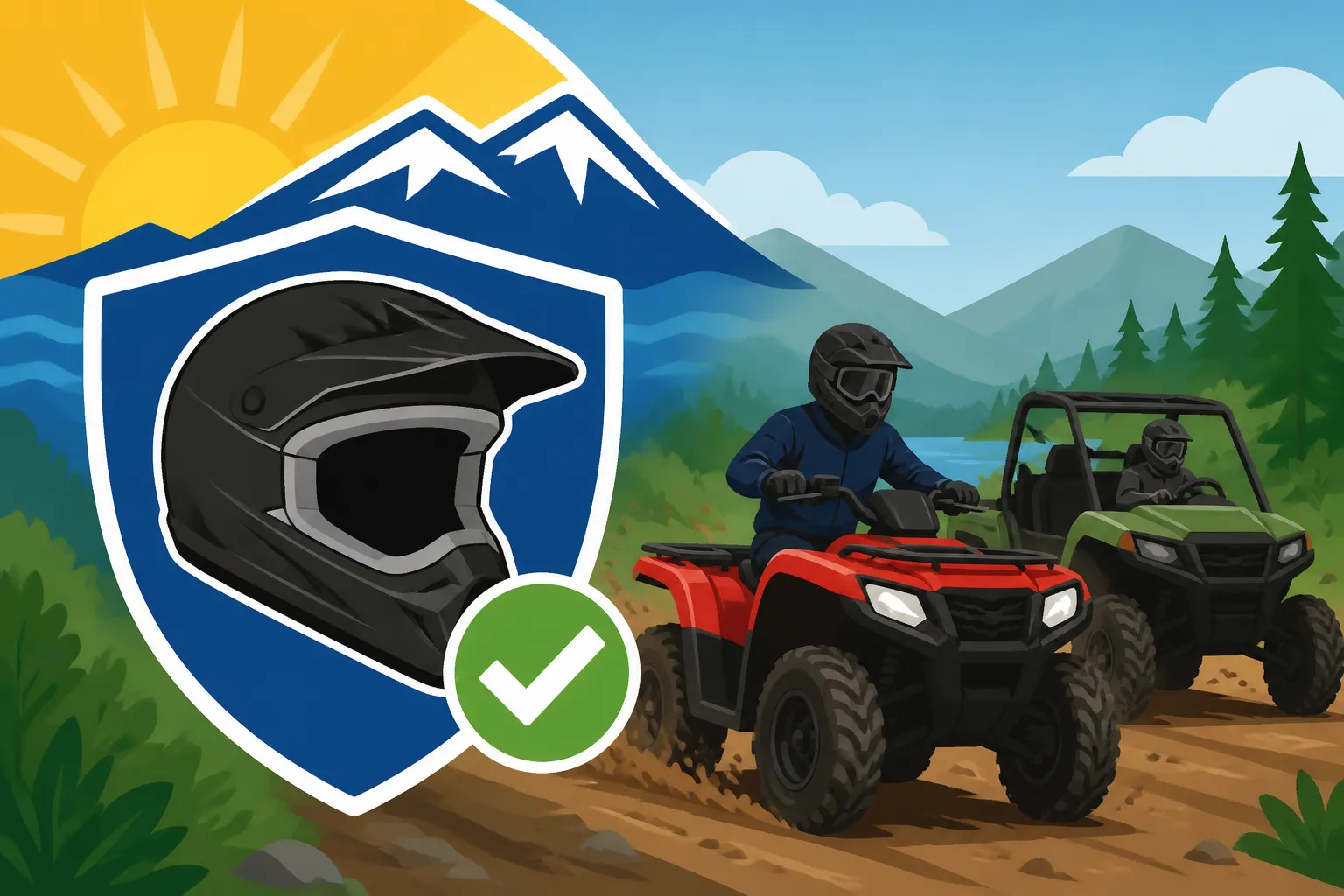
Always ensure your helmet meets one of the recognized safety standards (DOT, Snell, ECE) and is specifically designed for motorcycle or off-road use. Your life literally depends on the specialized protection these helmets provide. BC Helmet Standards in the Regulation specifically outlines these requirements, emphasizing that not just any helmet is acceptable.
Consequences of Not Meeting BC Helmet Standards
Riding without a helmet that meets BC's specific standards carries a range of consequences, extending far beyond a simple fine. These consequences can impact your wallet, your insurance coverage, and most significantly, your long-term health and well-being. Understanding these repercussions is a powerful motivator for compliance.
Fines and Penalties
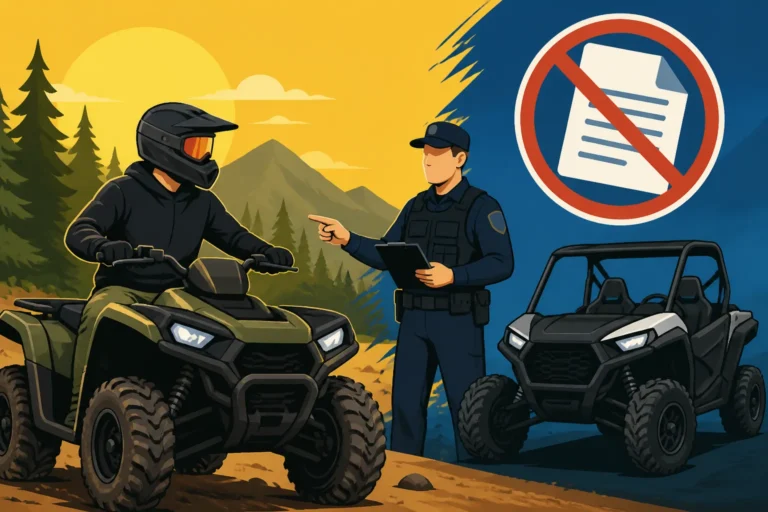
The most immediate consequence of failing to comply with BC's helmet regulations is a violation ticket. Under the Off-Road Vehicle Act, enforcement officers, including RCMP, conservation officers, and forest service personnel, have the authority to issue tickets for operating an ORV without an approved helmet. The exact fine amount can vary, but it's designed to be a significant deterrent. These fines are not trivial and can quickly add up if you're caught multiple times.
Beyond the monetary penalty, being ticketed often means an interruption to your ride, potentially a stern lecture from an officer, and the inconvenience of dealing with the court system if you choose to dispute the ticket. It's an unnecessary hassle that can easily be avoided by simply wearing the correct gear. Remember, these regulations are in place to save lives and prevent serious injuries, and officers are simply doing their job to enforce them.
Insurance Implications
While the legal fines are a direct consequence, the insurance implications of an unhelmeted accident can be far more financially devastating. Many insurance policies, particularly those for liability or medical expenses related to ORV use, include clauses that require operators and passengers to comply with all applicable safety laws and regulations. If you're involved in an accident and weren't wearing a legally required and approved helmet, your insurance provider might deny or significantly reduce your coverage for injuries sustained.
Consider a scenario where you're involved in a crash, suffer a severe head injury, and incur hundreds of thousands of dollars in medical bills, rehabilitation costs, and lost income. If your insurance company determines that your non-compliance with helmet laws contributed to the severity of your injuries, you could be left to cover these astronomical costs out of pocket. This can lead to financial ruin for individuals and families. Even if you have voluntary liability coverage, such as the $200,000 required for [BC Forest Service Road Requirements], an unhelmeted injury could jeopardize its payout for your own medical costs.
The Real Cost of Injury
Ultimately, the most profound consequence of not meeting BC helmet standards is the potential for catastrophic injury. While fines and insurance issues are concerning, they pale in comparison to the irreversible damage that a severe head injury can inflict. A single moment of choosing not to wear a helmet, or to wear an unapproved one, can change your life forever.
The "cost" of a head injury isn't just financial. It includes:
- Physical Pain and Suffering: Long-term pain, surgeries, and rehabilitation.
- Loss of Independence: Needing assistance with daily tasks, impacting your ability to work or enjoy hobbies.
- Cognitive Impairment: Memory problems, difficulty concentrating, changes in personality.
- Emotional Trauma: Depression, anxiety, and the psychological burden on both the injured individual and their family.
- Impact on Loved Ones: Family members often become caregivers, facing emotional and financial strain.
When you weigh the minimal discomfort of wearing a proper helmet against the immense, life-altering cost of a severe head injury, the choice becomes clear. A helmet is more than just a piece of gear; it's an investment in your future, your health, and your ability to continue enjoying the BC backcountry safely.
Disclaimer
This article is for general informational purposes only and does not constitute professional advice. Laws, prices and regulations vary by location and change over time. Consult a qualified professional for guidance on your specific situation.