BC Requires a Driver’s Licence on a Highway
It’s a common frustration for ATV and UTV riders in British Columbia: you’re trying to get from one amazing trail system to another, or just access a staging area, and suddenly you hit a paved road. The question immediately pops into your head: can I just drive my quad or side-by-side down the highway for a few kilometres? The short answer is usually "no," and this guide is here to untangle the complex rules around when and how your off-road vehicle (ORV) can even touch a public highway, especially concerning that all-important driver's licence.
The Hard Truth: ATVs and Highways Just Don't Mix in BC
Let's get this out of the way upfront, because it’s where a lot of riders hit a wall of disappointment: for the most part, British Columbia's highways are simply not built for, nor legally accessible by, off-road vehicles. I know, it’s a pain when you see that perfect trail just on the other side of a short stretch of pavement, but the law is quite clear. Many riders wish for a simple "street legal" conversion, but in BC, that path is practically non-existent for most ATVs and UTVs. The province has made a deliberate distinction between vehicles designed for highway travel and those meant for the backcountry, and trying to blur those lines can lead to some serious headaches, including hefty fines and even impoundment.
Why the "Street Legal" Dream is an Uphill Battle Here
Unlike some other jurisdictions that might allow for significant modifications to make an ATV or UTV "street legal," British Columbia generally does not. The province's Off-Road Vehicle Act specifically defines what an ORV is, and that definition generally excludes it from operating on roads governed by the Motor Vehicle Act—which includes most highways, paved roads, and even many gravel roads if they're considered public highways. It’s not just about adding turn signals or a horn; it's about the fundamental classification of the vehicle. These machines are engineered differently, tested under different standards, and simply don't meet the safety and design requirements for general highway use. You might have seen some highly modified UTVs, perhaps even with SuperATV accessories for better performance or protection, but those are almost always destined for specific, limited applications or private land, not the provincial highway network.
Understanding the Legal Line Between Off-Road and On-Road
The legal distinction boils down to how the vehicle is registered and its intended use. An ORV, when you register it, receives a "Certificate of Registration," not a vehicle "title" like a car or truck. This certificate, combined with a numbered plate and decal, is what allows you to operate on Crown land, including most Forest Service Roads. However, this registration does not grant you automatic access to highways. Highway vehicles, on the other hand, are designed to meet stringent safety standards for higher speeds, traffic interaction, and occupant protection. ATVs and UTVs, while incredibly capable off-road, often lack the features (like crumple zones, advanced braking systems, or even some basic visibility requirements) that would make them safe or compliant for prolonged highway use. This fundamental difference in classification means that, for most riders, the line between off-road and on-road is a bright, clear one, and crossing it without specific legal allowance is asking for trouble.
The Risks of Rolling the Dice on a Main Road
So, what happens if you decide to take that short cut across the highway, even just for a hundred metres? The consequences can be severe. First off, you could be ticketed for operating an unregistered or uninsured vehicle on a highway, even if your ORV is perfectly registered for off-road use. Police have the power to issue fines that sting, and in some cases, they can impound your machine. Imagine your long-awaited riding trip being cut short, and your pride and joy being towed away, all for a brief moment of convenience. Beyond the legal repercussions, there are immense safety risks. ATVs and UTVs are not designed to keep pace with highway traffic, nor are they as visible or stable at higher speeds among cars and trucks. The risk of a serious accident, with potentially catastrophic outcomes for you and others, is simply not worth it. The rule of thumb: if it looks like a highway, assume your ORV doesn’t belong there unless you have explicit legal permission.
When the Driver's Licence Becomes Absolutely Essential
Despite the general prohibition, there are very specific, limited circumstances where your ORV might interact with a highway, and in those moments, having a valid driver's licence becomes absolutely critical. This isn’t about making your ATV street legal, but about adhering to the rules for specific, permissible highway activities, like a quick crossing.
The Specifics of "Crossing" a Highway and What It Entails
British Columbia's Off-Road Vehicle Act allows for very narrow exceptions when it comes to highways. One of the most common is the ability to cross a highway directly to get from one section of an off-road trail to another. This isn't a licence to travel along the highway, even for a short distance, but to move perpendicularly across it. Think of it like crossing a stream, not travelling down its bank. When you make such a crossing, several rules come into play. You must approach the highway, stop, and yield to all traffic. The crossing must be made at an angle of approximately 90 degrees to the highway, and you must proceed directly across without driving along the shoulder or median. Visibility is paramount, and you should choose a spot where you can clearly see approaching traffic and other drivers can clearly see you. This situation is precisely why the question of [BC ORV Crossing Rules at Stops and Lights] is so crucial, as you’ll need to obey all traffic signals and signs as if you were in a regular vehicle.
Beyond the Crossing: The Police Operation Permit
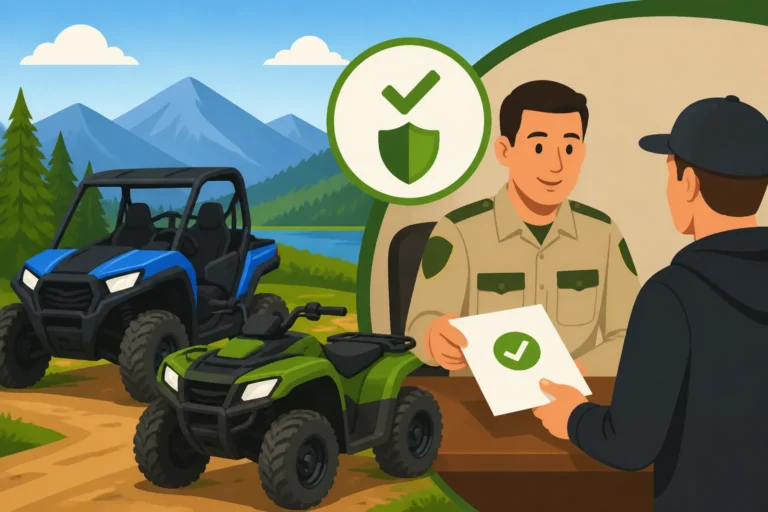
For those rare situations where a brief, specific trip along a highway is absolutely necessary—perhaps to access a remote staging area or connect two otherwise impassable sections of trail—there is a special provision: the Police Operation Permit. This isn't a general pass, but a specific authorization issued by a local police detachment (RCMP or municipal police force). These permits are generally granted for very limited distances and specific purposes, usually only where there is no viable alternative. They are not guaranteed, and the police have full discretion to issue or deny them based on safety and necessity. To even consider this, you’ll need to visit your local detachment, explain your situation, and be prepared to justify the need. You can find more details about [BC Police Operation Permits for Highway Travel] and even information on [Getting a Free Operation Permit From Your Local Detachment] to understand the process. These permits often come with strict conditions, like specific times of day, routes, or even requirements for escorts.
Driver's Licence Classes: What's Accepted for ORV Highway Access
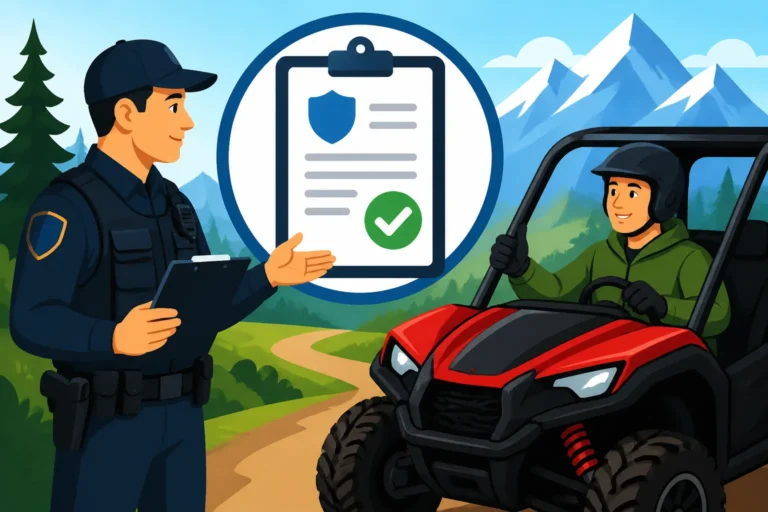
The moment your ORV touches a public highway, even for a legal crossing or with a police permit, the requirement for a valid driver's licence immediately kicks in. This is a non-negotiable part of the rules under the Motor Vehicle Act, which applies to anyone operating a vehicle on a public road. Thankfully, you don't necessarily need a specific motorcycle endorsement (Class 6) for this limited interaction with an ORV. Any valid British Columbia driver's licence (Class 1, 2, 3, 4, 5, or 7) is generally acceptable. The key is that it must be current, not suspended, and you must have it with you. Operating an ORV on a highway without a valid licence, even for a quick crossing, is treated similarly to operating any other vehicle without a licence and carries severe penalties. This is why the title of this article, BC Requires a Driver's Licence on a Highway, is so critical to understand.
Beyond the Licence: Other Crucial Requirements for Highway Interaction
Having a driver's licence is just one piece of the puzzle when your ORV intersects with a highway. There are other fundamental legal and safety requirements that come into play, which, if ignored, can lead to serious legal trouble and dangerous situations.
The Non-Negotiable Need for Insurance on Public Roads
This is another huge one, and it's where many riders get tripped up. While you might only need basic liability insurance for riding on many Crown land areas (and even that is a good idea to consider for any serious injury you might cause), the moment your ORV operates on a public highway, even just to cross it, you must have basic Autoplan insurance. This is the same type of mandatory insurance that cars and trucks carry. Without it, you are not legally permitted to be on the highway. This coverage protects against basic third-party liability if you're involved in an accident. You can purchase this specific, limited highway coverage through any [BC Autoplan Brokers Handle ORV Registration], as they are typically authorized to sell these policies. The policy will be specific to highway crossings or operation permit use. It's vital to have proof of this insurance with you, as an officer will certainly ask for it. This is directly addressed by [BC Requires Basic Autoplan on a Highway].
Machine Standards: Lights, Brakes, and Your Helmet
When operating on or crossing a highway, your ORV must meet certain basic equipment standards for visibility and safety. This includes having working headlights and taillights, as well as functional brakes. If you're crossing in low-light conditions, these become even more critical. Beyond your machine, your personal safety gear is paramount. [BC Helmet Law Covers Every Rider] when operating an ORV. While some UTVs with roll cages and seatbelts might allow for helmets to be optional in certain off-road contexts, on a highway, the rules for protective headgear are absolute for ride-astride machines like ATVs. For side-by-sides on a highway, any manufacturer-installed seat belts must be worn. The goal is to ensure that even for a brief interaction, your ORV is as visible and you are as protected as possible. For enhanced visibility, especially on short highway stretches or during crossings, you might consider adding auxiliary lighting or reflective elements, like those offered by SuperATV, to make your machine stand out.
Understanding the Authority: Who Enforces These Rules?
The enforcement of ORV rules on highways falls primarily to the Royal Canadian Mounted Police (RCMP) and municipal police departments. They have the authority to pull you over, verify your driver's licence, registration, and insurance, and inspect your machine for compliance with safety standards. They are also the ones who would issue violation tickets for infractions. Conservation Officers, while primarily focused on environmental and wildlife regulations on Crown land, can also enforce aspects of the Off-Road Vehicle Act, particularly when it pertains to safe operation or prohibited areas that might abut highways. It's important to remember that ignorance of the law is not an excuse. Officers are well-versed in these distinctions and are diligent in ensuring public safety, both for ORV riders and other highway users. Violations can range from simple fines for not having a document to more severe penalties for dangerous operation, as detailed in [BC Fines for Careless Operation].
Where Riding is Allowed (But Still Needs Your Attention)
While highways are largely off-limits, British Columbia offers vast opportunities for ORV riding on other types of public access roads and lands. It's crucial to understand the rules governing these areas, as they differ significantly from highway regulations. These are the places where your ORV truly shines and where a driver's licence isn't typically required for the operation itself, but specific rules still apply.
Forest Service Roads: The "Almost Highway" Where ATVs Belong
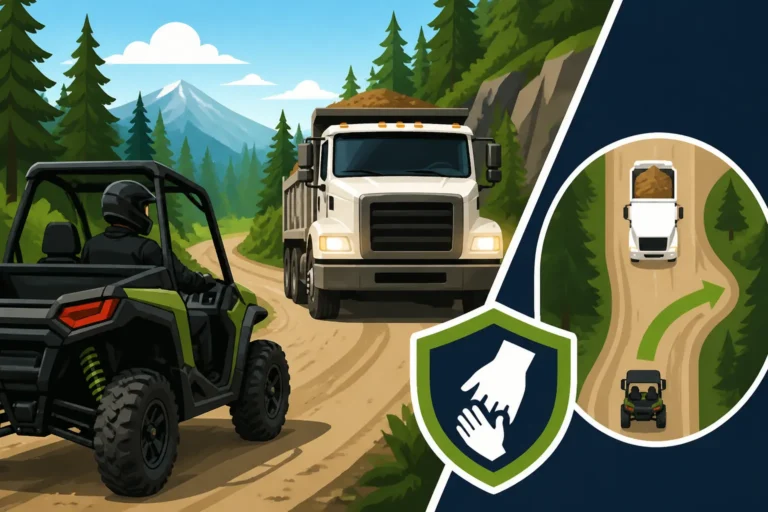
Forest Service Roads (FSRs), also known as Resource Roads, are the lifeblood of BC's backcountry access for ORV riders. These are generally gravel roads maintained by the government or forestry companies for industrial and recreational use. Crucially, FSRs are considered Crown land, not public highways under the Motor Vehicle Act, which means ORVs are permitted on them. However, don't confuse this with a free-for-all. FSRs often see heavy industrial traffic, especially logging trucks, and you must always yield to these larger vehicles. Speed limits, signage, and rules of the road still apply. You also need to carry a minimum of $200,000 in third-party liability insurance when operating on an FSR, which is different from the basic Autoplan for highway crossings. This is vital for covering potential damages if you're involved in an incident. Detailed rules are covered in [BC Forest Service Road Rules for ORVs]. Always be prepared for shared use, and consider carrying a radio to communicate with industrial traffic, especially in active hauling areas. Many riders also question [BC Crown Land Triggers the Registration Rule] when it comes to FSRs, but yes, you absolutely need your ORV registered to ride them.
Private Property vs. Public Access: Knowing the Boundaries
Another common area of confusion is riding on private land. If you own the land, or have explicit permission from the landowner, you can generally ride your ORV without the provincial registration or even a driver's licence. The rules here are primarily about trespass and safety. However, the moment you leave that private property and enter any public thoroughfare—even a small access road that's considered public—the provincial ORV rules kick in. This is where many riders get caught, especially when their "private" riding area requires them to cross a small section of public road or an unmarked boundary. Always be absolutely certain of the property lines and have written permission if you're riding on land you don't own. It also pays to know if your desired private riding spot requires crossing any Crown land or other public access points, as those will immediately bring you under the purview of provincial regulations.
Local Government Rules: How Municipalities Can Add Layers
While the provincial Off-Road Vehicle Act sets the overarching framework, some municipalities and regional districts have the power to create their own bylaws governing ORV use within their boundaries. These bylaws can sometimes designate specific roads or routes for ORV use, impose curfews, or even prohibit ORVs entirely from certain areas within the municipal limits. This adds another layer of complexity. What might be permissible in a rural regional district might be strictly forbidden in an urbanized municipality. It's crucial to check with the local government of any area you plan to ride in, especially if you anticipate needing to travel through a town or village to reach your trails. These local rules are distinct from the provincial highway regulations but can impact your travel plans significantly. Always respect posted signs and local regulations, as they are legally binding and can result in local fines or even machine impoundment.
Practical Steps for Safe and Legal ATV/UTV Operation
Navigating the rules for ATVs and UTVs in British Columbia can feel like a minefield, but with a bit of planning and attention to detail, you can ensure your rides are both exhilarating and compliant. Being prepared is half the battle, especially when you might encounter those tricky areas where ORVs and public roads intersect.
Your Essential Toolkit: Documents and Gear
Before you even think about starting your engine, make sure you have all your necessary documents. This includes your ORV's Certificate of Registration, which proves your machine is registered under the BC Off-Road Vehicle Act. You must carry this document with you on every ride on Crown land or where public road interaction is permitted. Next, your personal identification, typically a valid driver's licence. As discussed, this is absolutely mandatory for any highway crossing or interaction. Finally, proof of insurance. If you're on a Forest Service Road, that's your $200,000 third-party liability insurance. If you’re making a legal highway crossing, that's your basic Autoplan policy. Keep these documents in a waterproof bag or pouch, easily accessible but secure. Beyond paperwork, consider what gear you need for safety and recovery. A well-stocked first-aid kit, a small tool kit, a tow strap, and navigation tools are always wise. For UTVs, a quality winch, perhaps from SuperATV, can be a lifesaver if you get stuck, whether on an FSR or a particularly challenging trail.
Table: Essential Documents and Their Purpose
| Document | Purpose | Where It's Needed |
|---|---|---|
| ORV Certificate of Registration | Proves ownership and provincial registration. | All Crown land, including FSRs; required if crossing a highway. |
| Valid Driver's Licence | Proves legal authorization to operate a motor vehicle. | Mandatory for any highway crossing or operation permit use. |
| Insurance Card (FSR) | Proof of $200,000 third-party liability coverage. | All Forest Service Roads and designated Crown land areas. |
| Insurance Card (Highway) | Proof of basic Autoplan for highway interaction. | Mandatory for any highway crossing or operation permit use. |
| Photo ID (e.g., Driver's Licence) | Confirms your identity to enforcement officers. | Always carry when riding on public lands or roads. |
Pre-Ride Checks: Ensuring Your Machine is Ready for Anything
A thorough pre-ride check isn't just good practice; it's a safety imperative. Before any ride, and especially if you anticipate any interaction with public roads, give your machine a once-over. Check your tire pressure and tread, ensuring they're suitable for the terrain you'll encounter. Test your brakes—both front and rear—to confirm they’re responsive and effective. Verify that all your lights are working: headlights, taillights, and any turn signals if your machine is equipped. Check your fluid levels (oil, coolant, brake fluid). Ensure your exhaust system is intact and fitted with a spark arrestor, which is legally required in many areas, particularly during fire season. A well-maintained machine is safer for you and less likely to break down, leaving you stranded, or worse, causing an accident, especially near public roadways. These checks are even more critical if you're using specialized components, like SuperATV heavy-duty axles or lift kits, as proper installation and maintenance are key to their performance and safety.
Planning Your Route: Avoiding Unnecessary Highway Exposure
The best way to stay out of trouble with highway regulations is to avoid highways altogether whenever possible. Before heading out, spend some time planning your route. Utilize maps, GPS apps, and local knowledge to identify staging areas that can be accessed without highway travel. Look for alternative routes that stick to Forest Service Roads or designated ORV trails. If a highway crossing is absolutely unavoidable, plan for the shortest, most direct route across. Choose an intersection or a straight section with excellent visibility in both directions. Avoid riding at dawn or dusk when visibility is naturally poor for both you and other drivers. The more you can minimize your ORV's time on or near highways, the safer and more legally compliant your riding experience will be. Familiarize yourself with [BC Rules for Crossing a Highway] thoroughly before attempting any such manoeuvre.
Disclaimer
This article is for general informational purposes only and does not constitute professional advice. Laws, prices and regulations vary by location and change over time. Consult a qualified professional for guidance on your specific situation.