BC Registration and Lien Records
Buying or selling an off-road vehicle (ORV) in British Columbia can be a pretty straightforward process, but nothing throws a wrench into the works faster than the discovery of a lien. You might think you've found the perfect quad or side-by-side, only to realize there's hidden debt attached to it, or maybe you're trying to sell yours and an old lien is popping up as a roadblock. This guide is here to walk you through exactly what liens are in the context of BC's ORV registration system, how they impact your machine, and most importantly, how to navigate them to protect yourself whether you're buying or selling.
Understanding Liens on Your BC Off-Road Vehicle
Let's cut right to it: a lien is a fancy legal term for a financial claim against an asset. In our world, that asset is your beloved ATV or UTV. When someone puts a lien on a machine, it means they have a right to that machine until a specific debt is paid off. Think of it like a security blanket for a lender. If you take out a loan to buy a quad, the lender often places a lien on it. This way, if you stop making payments, they have a legal right to repossess the quad to recover their money.
These liens aren't just for purchase loans, either. Sometimes, a mechanic who hasn't been paid for repairs might place a lien. Or, perhaps a storage facility holding a machine for an unpaid bill could file one. The key takeaway here is that a lien isn't just a casual promise; it's a legally binding claim that travels with the machine, not just with the original owner. This is where things can get sticky for an unsuspecting buyer. You could buy an ORV in good faith, pay your hard-earned cash, and then find out later that the previous owner still owes money on it. Suddenly, you're looking at a situation where a lender could come calling for your machine, even though you paid for it. This is why understanding liens is such a crucial piece of the ORV ownership puzzle here in BC.
Common Types of Liens on ORVs
When we talk about liens on off-road vehicles, a few types pop up more frequently than others. The most common is a purchase-money security interest. This is exactly what it sounds like: a lender provides funds specifically for the purchase of the ORV, and in return, they secure their loan by placing a lien on the machine itself. This is standard practice for dealerships offering financing or even banks offering personal loans specifically tied to a vehicle purchase. They want to ensure their investment is protected.
Another type you might encounter is a garageman's lien or a repairer's lien. Imagine you take your side-by-side to a shop for a major overhaul. The mechanic does the work, but for whatever reason, you don't pay the bill. In many cases, that mechanic can place a lien on your ORV, giving them the right to hold onto it (and eventually sell it) until the outstanding repair bill is settled. This can be a real shock if you buy a machine from someone who didn't settle up with their mechanic. Finally, less common but still possible, are judgment liens, which can be placed on property, including vehicles, if someone has a court judgment against the owner for an unpaid debt. These all represent claims that could legally follow the machine, regardless of who possesses it, making them essential to uncover before any transaction.
How Liens Affect Your Ownership
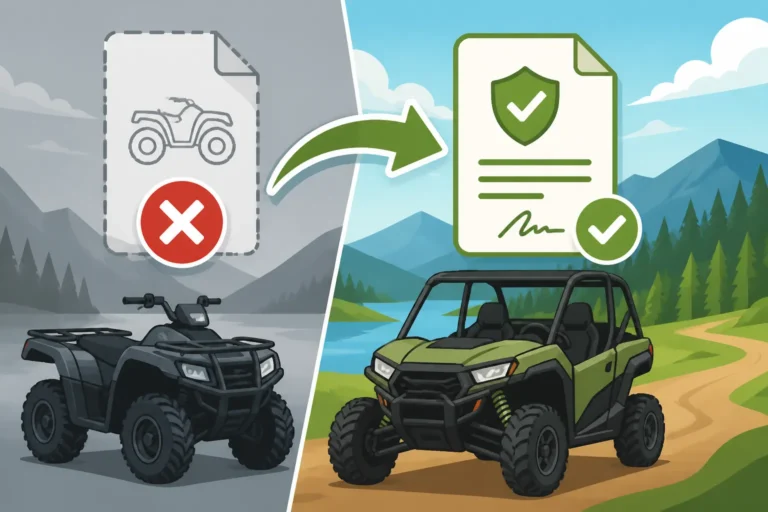
The biggest impact of a lien on your ownership is that it limits your clear title to the machine. While BC doesn't issue traditional "titles" for ORVs in the same way it does for highway vehicles (you get a [BC's Certificate of Registration Explained] instead), the principle of clear ownership still applies. If there's an active lien, the machine technically serves as collateral for a debt. This means you don't truly own it "free and clear."
If you were to buy a machine with a lien, and the original borrower defaults on their payments, the lienholder has the legal right to repossess the ORV, even though you bought it. This can be incredibly frustrating and expensive, as you'd be out the money you paid, and potentially without the machine. Furthermore, trying to sell an ORV with an active lien is incredibly difficult, if not impossible, unless the lien is discharged at the time of sale. Most savvy buyers will check for liens, and if they find one, they'll either walk away or demand that it be cleared before any money changes hands. It essentially puts a cloud over the machine, making it a risky asset to own or transfer.
Why BC's ORV Registration Matters for Liens
Unlike road vehicles that have a Vehicle Identification Number (VIN) associated with a title that lenders can easily register against, BC's off-road vehicles operate under a slightly different system. When you register your ORV in BC, you receive a [BC's Certificate of Registration Explained], not a title. This certificate primarily serves to identify the machine and its registered owner for provincial purposes, like ensuring compliance with the [What the Off-Road Vehicle Act Covers in BC]. It's not a document that explicitly lists financial encumbrances or liens in the way a traditional vehicle title might.
However, just because it's not on your Certificate of Registration doesn't mean liens don't exist or can't be found. In BC, financial liens on personal property (which includes ORVs) are registered with the Personal Property Registry (PPR). This is a centralized provincial database where lenders and other creditors record their security interests against assets like boats, equipment, and yes, off-road vehicles. So, while your ORV doesn't have a "lien-stamped" title, its unique identifying number (the VIN) can still be searched in the PPR to reveal any registered claims. This system is crucial for protecting both lenders and potential buyers, as it provides a public record of financial interests, even if they aren't printed directly on your ORV's registration papers.
The Role of the Personal Property Registry (PPR)
The Personal Property Registry (PPR) is the linchpin for understanding liens on ORVs in BC. It's a searchable database managed by the provincial government that records security interests in personal property. When a lender finances an ATV, for example, they typically register their interest in the PPR against that specific machine's Vehicle Identification Number (VIN). This registration acts as a public notice that they have a claim on the ORV.
For you, as a potential buyer or seller, the PPR is your most important tool. A search of the PPR using the ORV's VIN will reveal any active liens registered against it. It's the official record that tells you if a machine is being used as collateral for a debt. Without this centralized registry, it would be nearly impossible to know if an ORV you're considering buying is truly free and clear of financial obligations. While it might seem like an extra step, checking the PPR is an essential part of due diligence, especially since [Why BC Does Not Title an ATV] means you can't just look for a lien on a title document.
How Registration Facilitates Lien Checks
While BC's ORV registration doesn't directly display liens on the certificate, the act of registration indirectly helps with lien checks by providing a unique identifier. Every ORV registered in BC has a distinct VIN. This VIN is the key to searching the Personal Property Registry. When you're looking to buy a machine, the seller should have its Certificate of Registration, which prominently displays the VIN. If they don't, you need to be very cautious, as a missing certificate is a red flag and could complicate a [BC Transfer of Ownership Explained].
With that VIN in hand, you can perform a PPR search. This search will tell you if any financial institutions, businesses, or individuals have registered a claim against that specific ORV. It's a quick and relatively inexpensive way to gain peace of mind and ensure you're not inheriting someone else's debt. Without a robust registration system, even one that doesn't explicitly show liens on the document itself, it would be much harder to reliably link a specific machine to any financial encumbrances. This is why, even though BC's ORV registration process is quite different from road vehicles, it still plays a vital role in enabling prospective buyers to perform essential lien checks.
How to Check for Liens Before Buying an ORV in BC
So, you've found a quad or side-by-side that catches your eye from a private seller, and you're ready to make an offer. This is the moment to pause and conduct your due diligence, and checking for liens is at the top of that list. Skipping this step is like playing Russian roulette with your finances. It's not difficult, and it's a small price to pay for significant peace of mind. Remember, the rule of thumb for buying anything used is "buyer beware," and that applies doubly when it comes to financial encumbrances.
The primary method for checking liens on an ORV in BC is through the Personal Property Registry (PPR). You'll need the Vehicle Identification Number (VIN) of the machine you're interested in. Do not rely on verbal assurances from the seller; always verify independently. If a seller is hesitant to provide the VIN, or gives you a fuzzy photo of it, consider that a major warning sign. A reputable seller will be transparent and understand why you need this information. It's also a good idea to ensure the VIN on the machine matches the VIN on any paperwork the seller provides, like a bill of sale or the Certificate of Registration. Discrepancies here can indicate a multitude of problems, from simple errors to more serious issues like a stolen machine.
Performing a Personal Property Registry (PPR) Search
Performing a PPR search is straightforward and can be done online. You'll need to visit the official BC Personal Property Registry website. Look for an option to "Search the Registry" or "PPR Search." You'll typically be asked for the VIN of the ORV. This search usually costs a small fee, but it's money well spent. Once you enter the VIN, the system will generate a report listing any active security interests (liens) registered against that specific machine.
The report will typically show you:
- The name of the secured party (the lender or creditor).
- The date the lien was registered.
- A brief description of the collateral (the ORV).
- The file number for the lien.
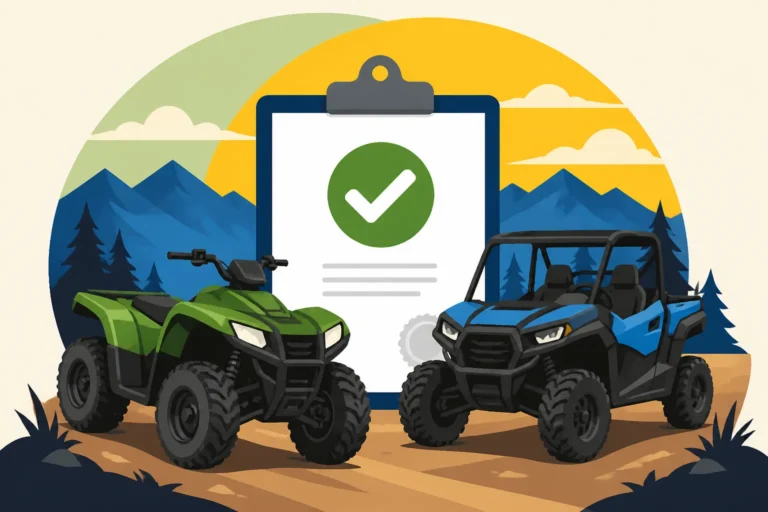
If the report comes back clear, that's great news! It means there are no registered liens that the provincial government knows about. If a lien does appear, you'll see the details. It's vital to review this information carefully. Just seeing a lien doesn't automatically mean it's a deal-breaker, but it certainly means you need more information and caution. Keep in mind that while the PPR is comprehensive, it only records registered security interests. There could, in rare cases, be unregistered claims or other disputes, but the PPR is the best first line of defense against known financial claims. You can even find templates for bills of sale or other legal documents on sites like LawDepot, which can help ensure all bases are covered when documenting the transfer of ownership once a lien check is clear.
What to Do If a Lien Appears
If your PPR search reveals an active lien, don't panic, but absolutely do not proceed with the purchase without addressing it directly. The first step is to discuss it with the seller. They might be genuinely unaware, or perhaps they have a plan to clear it. A common scenario is that the seller intends to pay off the loan with the proceeds from your purchase. This is permissible, but it requires careful execution to protect you.
Here's how you might handle it:
- Direct Payout: The safest way is to arrange for a portion of your payment to go directly to the lienholder. For example, if you're buying a quad for $5,000 and there's a $2,000 lien, you could write a cheque for $2,000 directly to the lender and the remaining $3,000 to the seller. You would want to get written confirmation from the lienholder that the debt is settled and the lien will be discharged.
- Seller's Responsibility: If the seller insists on paying it themselves, you need to demand proof of discharge before you hand over the full payment. A lien discharge document from the lender is what you're looking for. Without this, you're taking on a huge risk.
- Walk Away: If the seller is evasive, unwilling to cooperate with a direct payout, or cannot provide satisfactory proof that the lien will be cleared, your best bet might be to walk away from the deal. There are plenty of other ORVs out there, and taking on someone else's debt is a headache you don't need. When buying from a [Buying From a Private Seller in BC], it's always best to be overly cautious. You might even use a template from a site like LawDepot to draft a conditional bill of sale that makes the purchase contingent on the lien being cleared.
What Happens If You Discover a Lien After the Sale
Imagine the worst-case scenario: you bought an ORV, you've been riding it for a few months, and suddenly you get a letter or a phone call from a finance company, informing you that your machine has an outstanding loan tied to it and they intend to repossess it. This is every buyer's nightmare and precisely why checking for liens beforehand is so critical. If this happens, you've unfortunately found yourself in a tricky legal situation.
Your rights and recourse will largely depend on the specific circumstances of the sale, the documentation you received, and the laws governing personal property. Generally, when a lienholder has a valid claim, they have the right to pursue the collateral (your ORV) regardless of who currently possesses it. This doesn't mean you're entirely without options, but it does mean you'll be facing a significant uphill battle to reclaim your money or the machine. It highlights the importance of keeping detailed records, like a comprehensive [BC Bills of Sale for Every Prior Owner], and any communication with the seller.
Your Recourse as a Buyer
If you discover a lien after you've paid for and taken possession of an ORV, your immediate priority is to understand your legal standing.
- Contact the Seller Immediately: Your first step should be to contact the seller and inform them of the situation. They are legally obligated to sell you a machine free of undisclosed encumbrances. Demand that they resolve the lien or return your money.
- Gather All Documentation: Collect every piece of paperwork related to the purchase: the bill of sale (which should ideally state the machine is sold "free and clear"), payment records, communications, and the PPR search results you performed (or wish you had performed). This documentation will be crucial if you need to take legal action.
- Consult Legal Counsel: This is where things can get complex, and seeking legal advice is highly recommended. A lawyer can advise you on your options, which might include suing the seller for fraud or breach of contract. They can also help you negotiate with the lienholder.
- Reporting to Authorities: If you suspect the seller knowingly misrepresented the ORV's status (i.e., committed fraud), you might consider reporting the incident to the police. This is a serious matter, and while the police might not directly recover your money, a criminal investigation could support your civil case.
While it's a difficult situation, having comprehensive documentation from your purchase, perhaps even having used a robust bill of sale from a reputable source like LawDepot, can strengthen your case considerably.
Preventing Future Issues: Best Practices
To avoid ever finding yourself in the scenario of discovering a post-sale lien, adopt these best practices for every ORV purchase:
- Always Perform a PPR Search: This cannot be stressed enough. It's the single most effective way to identify registered liens. Get the VIN and run the check before you hand over any money.
- Verify the VIN: Double-check that the VIN on the machine physically matches the VIN on the seller's Certificate of Registration and any other documents. Hidden or tampered VINs are a massive red flag.
- Demand a Clear Bill of Sale: Ensure the bill of sale explicitly states that the seller guarantees the ORV is free of all liens and encumbrances. You can find robust templates for these on sites like LawDepot to make sure all the necessary legal language is included. A handwritten receipt might document the payment, but it may not offer the same legal protections. [BC Bills of Sale for Every Prior Owner] is a good concept to understand in this context.
- Keep Meticulous Records: Retain copies of everything: the bill of sale, the seller's contact information, the PPR search report, your payment method (e.g., bank draft copy), and photos of the ORV.
- Be Wary of "Too Good to Be True" Deals: Extremely low prices or sellers who pressure you for a quick cash deal without proper paperwork are often hiding something. Trust your gut. If something feels off, it probably is.
- Understand [BC Transfer of Ownership Steps]: Familiarize yourself with the entire process. A smooth transfer at an Autoplan broker after a clear lien check is the ideal scenario.
- Consider an Escrow Service for Liens: If a lien exists but the seller is legitimate and plans to pay it off, consider using an escrow service or performing the transaction at the lienholder's bank. This ensures your funds are protected until the lien is officially discharged.
By taking these proactive steps, you significantly reduce your risk and ensure that your new ORV truly becomes yours, free and clear of anyone else's debts. This diligence ensures you understand [BC Ownership Chains Going Back Decades] and prevent future issues.
Disclaimer
This article is for general informational purposes only and does not constitute professional advice. Laws, prices and regulations vary by location and change over time. Consult a qualified professional for guidance on your specific situation.