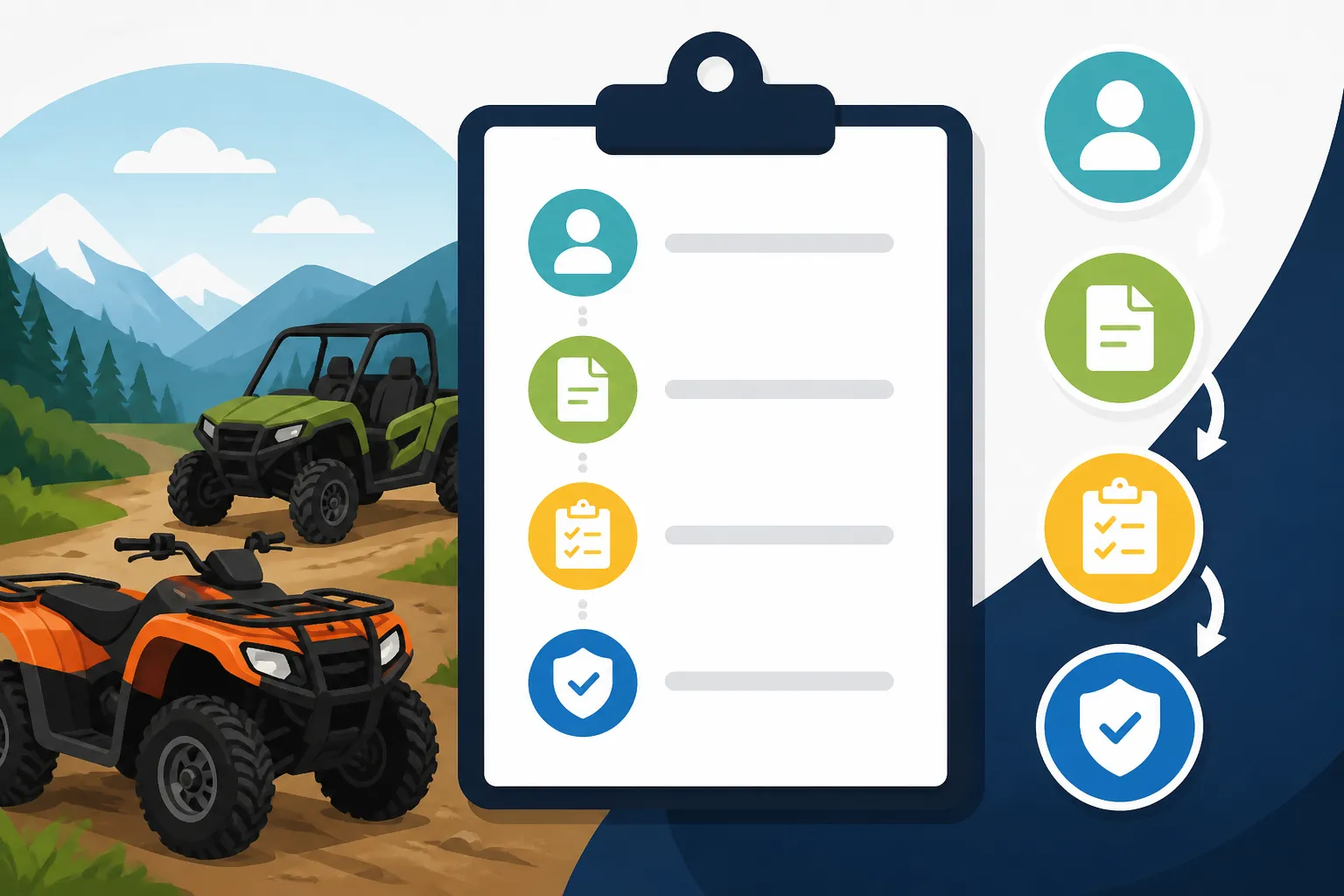
BC Operation Permit Application Steps
It’s a scenario many of us off-road enthusiasts in British Columbia have faced: you're out exploring amazing trails, maybe on Crown land or a forest service road, and suddenly you realize you need to cross a short stretch of paved highway to get to the next section of your ride, or perhaps grab gas in a nearby town. The thought of breaking the law or risking a hefty fine can really put a damper on your adventure. This guide will walk you through the often-misunderstood process of applying for a BC Operation Permit, giving you the knowledge and confidence to legally navigate those tricky road connections.
What is a BC Operation Permit and Why You Might Need One
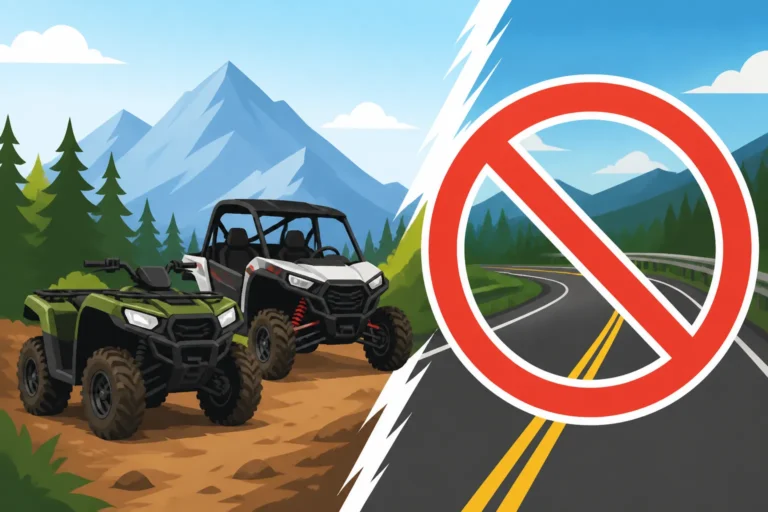
The whole idea of an Off-Road Vehicle (ORV) is to get off the beaten path, right? But sometimes, that path is literally interrupted by a paved road, a municipal street, or even a provincial highway. It can be incredibly frustrating to have your day's adventure cut short because you can't legally make that short hop to the next trail network, or swing by a gas station to refuel. That's where a BC Operation Permit comes into play. It's not about making your ATV or UTV street legal for joyrides around town, but rather a specific, limited permission to navigate those necessary short distances on public roads.
Bridging the Gaps: Connecting Trails and Accessing Services
Imagine you're tearing up the trails near Nelson, having a fantastic day exploring the Kootenays. You've planned a route that involves hitting two different trail systems, but between them lies a couple of kilometres of highway. Without an Operation Permit, that highway stretch is an impassable barrier. Your only option would be to load your machine onto a trailer, drive the short distance, and then unload again – a massive hassle for such a short hop.
Or consider this common situation: you're out on a long day trip on some fantastic [BC Forest Service Road Requirements] and your fuel gauge is starting to look a little low. There’s a small general store and gas station just a few kilometres down a paved road. An Operation Permit allows you to make that critical journey to refuel, grab a snack, and then get right back to the trails. It's about practical access and convenience, letting you extend your riding adventures without constant loading and unloading. This permit recognizes that sometimes, a short legal crossing is essential for enjoying the vast wilderness BC has to offer.
The Legal Framework: Why It's Not a "Street Legal" Pass
This is a crucial distinction that often confuses riders. An Operation Permit does not make your ATV or UTV "street legal" in the same way a car or motorcycle is. You cannot just slap on a permit and start commuting to work or cruising through residential areas whenever you feel like it. The permit is issued under the Off-Road Vehicle Act and its regulations, specifically for very limited, specific purposes on highways. Think of it as a temporary, conditional permission rather than a change in your machine's fundamental legal status.
Your ORV is registered under the [BC's Certificate of Registration Explained] system primarily for off-road use, triggered when you ride on [BC Crown Land Triggers the Registration Rule]. Highway-licensed vehicles, on the other hand, are registered under the Motor Vehicle Act. An Operation Permit allows for a small overlap between these two worlds, acknowledging the practical needs of ORV riders. It's a discretionary permit, meaning local police have the authority to grant it (or not) and to set specific conditions tailored to their jurisdiction and local safety concerns. So, while it opens up limited road access, it doesn't transform your trusty quad into a road-going vehicle.
Step-by-Step: How to Apply for an Operation Permit in BC
Navigating the application process for a BC Operation Permit can feel a bit daunting, mainly because it's not a standardized online form you fill out with ICBC. Instead, it's a process handled at the local police detachment level, which means there can be slight variations in how each detachment prefers to handle it. However, the core steps remain consistent, focusing on proving your ownership, insurance, and understanding of the rules.
Finding Your Local Detachment
Unlike registering your ORV, which you do at an Autoplan broker, an Operation Permit is issued by the police. This makes sense when you think about it: they are the ones enforcing road rules and managing local traffic. You'll need to contact your local RCMP detachment or municipal police department – the one that patrols the specific area where you intend to use the permit. For example, if you're riding around Squamish and need to cross a highway there, you'd go to the Squamish RCMP detachment. If your riding takes you near Kelowna, you'd contact the Kelowna RCMP.
It's usually a good idea to call ahead to your chosen detachment. Ask for their non-emergency line and inquire about their process for [BC Police Operation Permits for Highway Travel]. Some detachments might have a specific officer or unit that handles these, while others might have walk-in hours. Calling first can save you a wasted trip and ensure you have all the necessary information and documents ready. They can clarify any specific local requirements or conditions you might encounter.
What to Bring: The Paperwork Checklist
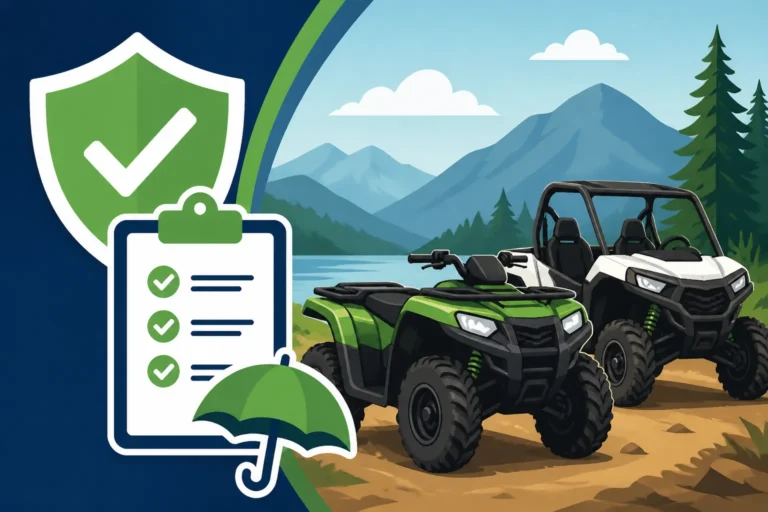
When you head down to the detachment, be prepared. You'll need to demonstrate that you're a responsible operator and that your machine is legally registered and insured. Here's a general checklist of what you should typically bring with you:
- Your Valid Driver's Licence: This is paramount, as you'll be operating a motorized vehicle on a public road, even if only briefly. [BC Requires a Driver's Licence on a Highway]
- Your ORV's Certificate of Registration: This proves legal ownership and that your machine is properly registered for off-road use in BC. This is not the same as a vehicle title. [BC Registration Paperwork Checklist]
- Proof of Insurance: While basic ORV registration at ICBC doesn't automatically include highway liability for an Operation Permit, you will need proof of at least basic third-party liability coverage if you are going to be on a public road. Some riders opt for additional private insurance to ensure comprehensive coverage, especially if they anticipate using a permit. [BC Requires Basic Autoplan on a Highway]
- Machine Information: Be ready to provide details about your ATV or UTV, including the Vehicle Identification Number (VIN), make, model, and year. It's helpful to have a photo of the VIN if it's in an awkward spot.
- Description of Intended Use: Be ready to explain why you need the permit. What specific roads do you need to cross? What's your route? How far will you be travelling on the road? The more specific you can be, the better.
The police officer will likely review these documents to ensure everything is in order before proceeding with your application.
The Interview and Conditions
This isn't a job interview, but the officer will definitely have questions for you. They're trying to understand your intentions and ensure public safety. Expect questions like:
- "What specific roads or intersections do you need to use?"
- "What times of day do you plan to be on the road?"
- "What's the shortest route you can take?"
- "Are you aware of the helmet requirements and other safety rules for operating on a highway?" [BC Helmet Law Covers Every Rider]
They might also ask about your experience as a rider. The key here is to be honest, clear, and demonstrate a responsible approach. This is where the discretionary nature of the permit comes in. The police have the authority to impose specific conditions on your permit. These conditions could include:
- Specific Routes: Limiting you to certain roads, intersections, or short stretches.
- Time Restrictions: Only allowing road use during daylight hours or specific times of day to avoid peak traffic.
- Duration Limits: Specifying the maximum distance or time you can spend on the road.
- Safety Gear: Reaffirming the need for helmets and other appropriate safety gear, even if your machine is a side-by-side with seatbelts.
- Speed Limits: Emphasizing adherence to posted road speed limits, even if your ORV is capable of more.
The permit document itself will outline these conditions. Read it carefully and make sure you understand every clause. It's important to remember that these permits are often provided at no cost, which is a nice bonus compared to other administrative fees, but they come with strict expectations of compliance.
Understanding the Rules and Restrictions of Your Permit
Getting that shiny new Operation Permit in your hand can feel like a green light to expand your riding horizons. But hold your horses! It's absolutely crucial to understand that this permit comes with very specific rules and restrictions. Ignoring these can lead to fines, revocation of your permit, or worse, serious accidents. This isn't a general pass; it's a precisely defined allowance for limited road use.
Limited Scope: Where and When You Can Ride
An Operation Permit is usually very prescriptive about where and when you can use your ORV on a highway. It's almost never a blanket permission for any road use. For instance, the permit might specify that you can only cross Highway 97 at a particular intersection, or travel along the shoulder of a specific section of road for no more than 500 metres to connect two trails. [BC Rules for Crossing a Highway] and [BC Rules for Riding a Shoulder] are crucial considerations here.
The police officer issuing the permit will often mark out the permitted route on a map, or describe it in explicit detail on the permit document. You might be restricted to certain hours, like only during daylight or outside of busy commuting times. The purpose is to minimize risk to both ORV operators and other road users. Always carry your permit with you, along with your driver's licence and ORV registration, and be prepared to show it to any law enforcement officer who asks.
Permit Duration and Renewal
Most Operation Permits issued in BC are valid for a specified period, often [BC Permits Valid Up to Two Years]. This means it's not a "once and done" thing for the lifetime of your machine. When your permit expires, you'll need to go through the application process again. This allows the local detachment to reassess current road conditions, traffic volumes, and any changes in regulations or local bylaws.
It's a good practice to keep an eye on the expiry date of your permit and plan to reapply well in advance if you anticipate needing it. Don't wait until the day before your big trip to realize your permit has expired. The renewal process is typically the same as the initial application, requiring you to visit the detachment with your documents and explain your continued need for the permit.
Important Requirements: Licence, Insurance, and Safety Gear
Even with an Operation Permit, you're not exempt from the fundamental requirements of operating a vehicle on public roads.
Firstly, you absolutely must have a valid driver's licence. Whether it's a Class 5, Class 7, or even a motorcycle licence, you need to be legally qualified to operate a motor vehicle. [BC Requires a Driver's Licence on a Highway]
Secondly, insurance is non-negotiable. While your ORV registration covers liability for off-road use, when you're on a highway, even with a permit, you generally need to carry at least basic third-party liability insurance, often known as Basic Autoplan. This protects you in case you cause damage or injury to another person or property while on the road. Check with your Autoplan broker about specific coverage for Operation Permit use. [BC Requires Basic Autoplan on a Highway]
Thirdly, safety gear is paramount. For ride-astride machines like ATVs, a helmet is legally required for every rider, including passengers, whenever you're on a highway, even for a brief crossing. The helmet must meet specific safety standards. For side-by-sides with roll cages and seatbelts, the rules might differ slightly, but it's always best to err on the side of caution. [BC Helmet Law Covers Every Rider] Additionally, ensure your machine has functioning headlights, taillights, and brake lights if you're on the road during periods of low visibility. While accessories from brands like SuperATV can enhance your off-road experience, their legality or utility on public roads under a permit might be limited, so focus on the essentials for road safety first.
Common Pitfalls and Best Practices
While Operation Permits offer invaluable flexibility for BC's ORV riders, they are not without their complexities. Understanding common pitfalls and adopting best practices can help ensure your permit experience is smooth and trouble-free, keeping you on the right side of the law and maximizing your enjoyment of the trails.
Not a Guarantee: Police Discretion
One of the most important things to remember is that applying for an Operation Permit does not guarantee approval. The decision rests entirely with the local police detachment. They have the discretion to issue the permit, deny it, or impose very stringent conditions. This can be a source of frustration for riders who expect a straightforward approval process.
Why might they deny a permit? Perhaps the proposed route involves a high-traffic area deemed unsafe for ORVs, or there might be an alternative trail connection that avoids the highway altogether. They might also be concerned about a rider's experience level or the suitability of their machine for even limited road use. Don't take a denial personally; it's usually based on public safety concerns. If denied, politely ask for the reasons why, as this feedback can help you adjust your plans or application for the future.
Respecting Your Permit Conditions
Once you have a permit, it's absolutely critical to adhere to every single condition listed on it. Think of your permit as a temporary contract with law enforcement. Deviating from the specified route, riding outside the designated times, or ignoring other conditions can have serious repercussions.
The penalties for non-compliance can range from violation tickets for careless operation or riding an unregistered machine (if the permit is deemed invalid due to non-compliance) to more severe consequences. [BC Fines for Careless Operation] can certainly impact your wallet, and if you're caught riding on a highway without a valid permit or outside its conditions, it's akin to riding an [BC Tickets for an Unregistered Machine] on a public road where it doesn't belong. In extreme cases, repeated violations could even lead to the impoundment of your machine. Always have your permit readily accessible and ensure everyone riding your machine is aware of its limitations.
Beyond the Permit: Alternative Solutions for Road Use
While an Operation Permit is a fantastic tool for bridging those short gaps, it's not the only solution, and sometimes it's not the best one. For longer distances, or if your permit application is denied, returning to basics is often the most practical approach.
Using a trailer to transport your ATV or UTV is always a completely legal and often safer option for covering significant road distances. Many popular staging areas for ORV trails are designed with ample parking for trucks and trailers, making it easy to unload and start your ride directly on the trails. [Hauling to a Staging Area] This avoids the complexities of permits, the stress of riding on busy roads, and the need to carry specialized insurance for highway use.
Furthermore, explore your riding area for alternative routes. Sometimes, a slightly longer off-road path can entirely circumvent the need for highway travel, providing a more continuous and enjoyable wilderness experience. BC has an incredible network of trails and resource roads; often, a little research into [BC ATV Trails: Where to Ride] can uncover hidden gems that bypass those paved sections altogether. Remember, the goal is to enjoy the backcountry safely and legally, and sometimes that means leaving the highway travel to vehicles designed for it.
Disclaimer
This article is for general informational purposes only and does not constitute professional advice. Laws, prices and regulations vary by location and change over time. Consult a qualified professional for guidance on your specific situation.