BC Rules for Riding With a Dog
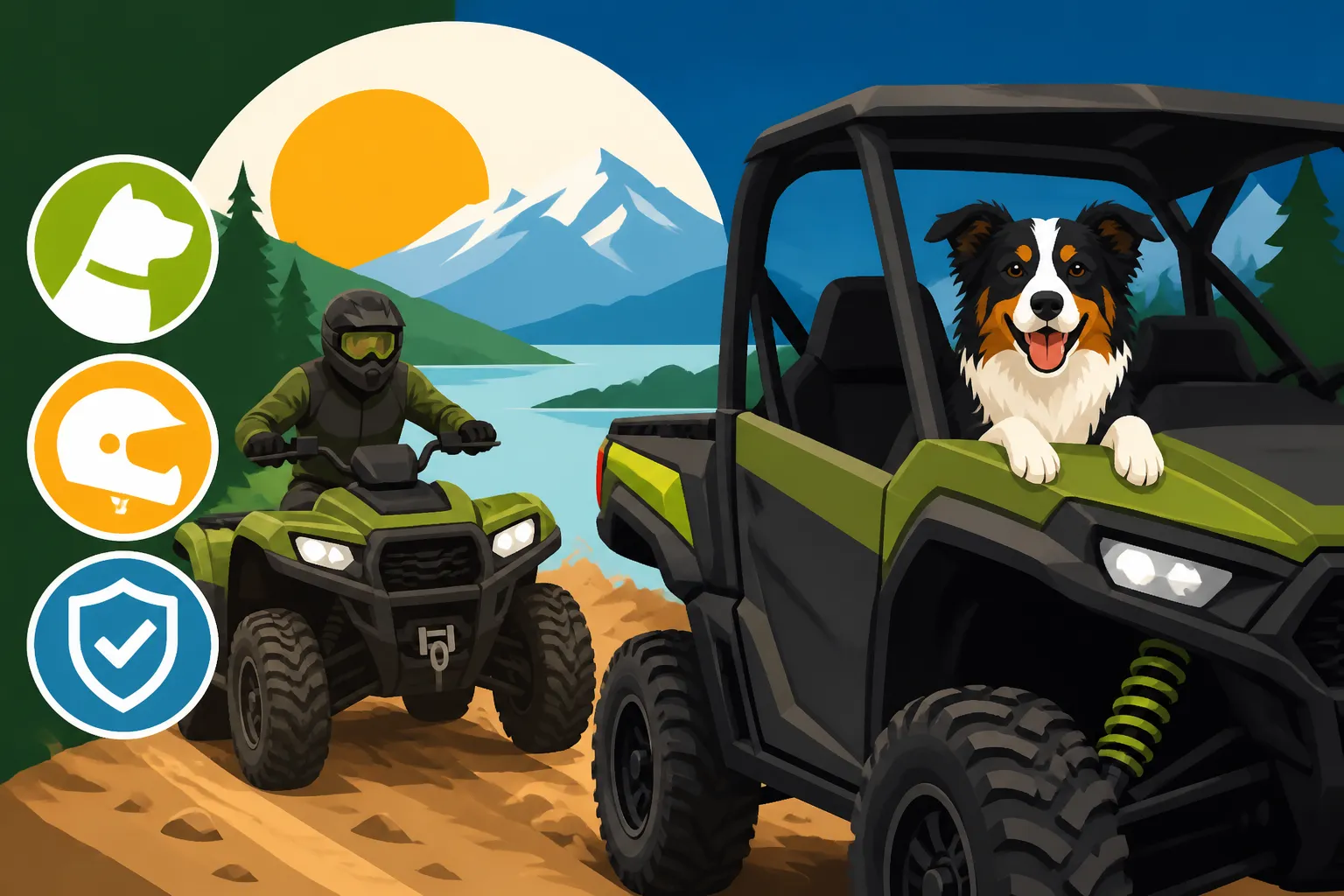
There's nothing quite like the freedom of exploring British Columbia's incredible backcountry on your ATV or UTV, and for many of us, our dogs are more than just pets – they're part of the family, our adventure companions. The thought of bringing your loyal canine co-pilot along for the ride can be incredibly appealing, but it also brings a whole host of questions and concerns. You want to make sure your furry friend is safe, comfortable, and that you're riding responsibly and legally. This guide is here to walk you through everything you need to consider to make those trail rides with your dog a safe and enjoyable reality.
Understanding the Legal Landscape for Riding with Dogs in BC
When you're out riding your off-road vehicle in British Columbia, whether it's a quad or a side-by-side, your main focus is usually on the Off-Road Vehicle Act and its associated regulations. However, when you add a dog to the mix, you're not going to find specific sections detailing how Fido needs to be secured on your machine. The province's ORV legislation is primarily concerned with the machine itself, its registration, and the human operator. So, while there aren't specific "dog on ATV" laws, general animal welfare and public safety principles absolutely apply.
General Animal Welfare and Safety Obligations
Even without a specific mention of dogs on ORVs in the provincial Act, you, as a responsible pet owner, have a legal and ethical obligation to ensure your dog's safety and well-being. This means preventing injury, providing adequate care, and ensuring they don't pose a danger or nuisance to others or to wildlife. If your dog is injured due to negligence, or if they cause an incident with another person or animal, you could face consequences under general animal welfare laws or even civil liability. This responsibility extends to how your dog is secured, their exposure to hazards, and their overall comfort during the ride. It also means being mindful of their physical limits – not all dogs are cut out for long, bumpy rides, especially if they have health issues or are very young or old.
Navigating Crown Land Rules and Local Bylaws
Most of our off-road adventures happen on Crown land, including [BC Forest Service Road Requirements] and designated trails. While the province doesn't usually regulate pet transport on ORVs on Crown land, individual recreation sites, parks, or even specific regions might have their own nuanced rules regarding pets. For instance, some managed recreation sites might have specific leash laws that apply universally, regardless of whether your dog is on your machine or walking beside you. It's crucial to check for signs or information relevant to the specific area you plan to ride. Similarly, if you happen to ride near or through any municipal boundaries – even for short distances – local bylaws concerning dogs (leashing, waste disposal, nuisance behaviour) can definitely come into play. Always be prepared to have your dog on a leash and to clean up after them, as this is a universal expectation. Remember, being a good steward of the land and a considerate user helps ensure continued access for everyone, including those with dogs.
Prioritizing Your Dog's Safety on the Trail
The biggest concern, beyond any rules or regulations, should always be your dog's safety. An ATV or UTV ride can be a thrilling experience for us, but it's a completely different sensation for a dog. The noise, vibrations, changing terrain, and speed can be overwhelming or even dangerous if not managed correctly.
Assessing Your Dog's Temperament and Health
Before you even think about putting your dog on your machine, you need to be brutally honest about whether they're actually suited for it. Some dogs absolutely thrive on adventure, with a calm demeanour and a love for motion, while others might find the experience terrifying. Is your dog prone to anxiety? Do loud noises startle them? Are they easily overstimulated? A dog constantly stressed or trying to jump off a moving machine is a danger to themselves and to you. Start small with short, slow rides around your property or a quiet area to gauge their reaction. Look for signs of stress: excessive panting, drooling, yawning, lip-licking, or trying to hide.
Beyond temperament, consider their physical health. Puppies have developing bones and joints that aren't ready for constant vibration or jarring movements. Older dogs might have arthritis or other conditions exacerbated by a bumpy ride. Flat-faced breeds (like pugs or bulldogs) can easily overheat and struggle with exertion, making them poor candidates for strenuous off-road trips in warm weather. Always consult your vet if you have any doubts about your dog's fitness for this kind of activity. You also need to consider your dog's endurance. Just like us, dogs can get tired, thirsty, and hot. What might be a fun two-hour ride for you could be an exhausting ordeal for your dog, especially if they're standing or trying to balance.
Gradual Acclimatization and Training
Bringing your dog along for a ride shouldn't be a spur-of-the-moment decision. It requires preparation, patience, and training. Begin by getting your dog comfortable with the machine itself while it's turned off. Let them sniff around, get used to its size, and perhaps even jump in or onto their designated spot without the engine running. Reward calm behaviour. Next, introduce the engine noise – start the machine for short periods while your dog is nearby, gradually increasing the duration and proximity.
Once they're okay with the noise, try short, slow rides. Don't hit the gnarly trails immediately. Stick to smooth, flat terrain at very low speeds. Keep the first few rides extremely brief, always ending on a positive note. Use positive reinforcement with treats and praise. The goal is for your dog to associate the machine and the ride with good things. Ensure they're used to whatever harness or carrier you plan to use before you even turn the key. A sudden introduction to new gear combined with a new experience can be too much. For [BC ATV Safety Training Options], while focused on humans, the principles of gradual learning and understanding limits are just as applicable to introducing your dog to the ride.
Gear and Setup for Canine Co-Pilots
Once you've determined your dog is a good candidate for trail riding, the next step is ensuring they have the right gear and a secure, comfortable setup on your machine. This is where safety truly comes into play, preventing them from falling off, getting injured by debris, or getting too hot or cold.
Secure Carriers and Harnesses
The absolute most critical piece of equipment is a secure way to transport your dog. Letting them roam free on the back rack of a quad or unsecured in the bed of a side-by-side is incredibly dangerous, both for them and for you if they suddenly shift or try to jump. For ATVs, a sturdy, well-ventilated hard-sided crate or a specially designed dog carrier that can be securely strapped to your front or rear rack is essential. It needs to be big enough for them to stand, turn around, and lie down comfortably, but not so big that they're sliding all over the place. Using bungee cords alone is not sufficient; use heavy-duty ratchet straps or purpose-built mounting kits.
For side-by-sides, you have a few more options. Many riders opt for dog-specific seat covers that have integrated harnesses and tethers, or even custom dog beds that fit into the cargo area. If you're using a cargo bed, consider a hard crate securely fastened, or a dedicated, elevated platform that offers a stable, comfortable spot out of direct sun and wind. Brands like SuperATV offer a range of cargo management solutions and accessories for side-by-sides that, while not explicitly for dogs, can be adapted to create a safer, more organized space for a secured pet carrier or platform. Just remember, a harness alone without a secure tether point or enclosure can still allow your dog to fall or jump.
Here's a comparison of common dog-carrying methods:
| Method | Pros | Cons | Ideal Use Case |
|---|---|---|---|
| Hard-Sided Crate | Excellent protection from impacts/debris | Can be bulky; may obstruct visibility/cargo space | ATV racks (front/rear), UTV cargo bed, short/bumpy rides |
| Soft-Sided Carrier | Lighter; collapsible for storage | Less impact protection; can be chewed through | Mild UTV trails, calmer dogs, short rides |
| Secured Harness & Tether | Allows dog to sit/stand freely | Requires high-sided UTV bed/seat; dog can still jump | Well-behaved dogs in enclosed UTV cargo area/seat |
| Custom Dog Platform | Tailored comfort and space | Can be costly; permanent modification | Dedicated UTV for regular dog transport |
| Dog Seat (UTV specific) | Secure, elevated, comfortable | Can be expensive; limits passenger space | UTV front or back seats, long rides, smaller dogs |
Protective Gear and Comfort Items
Beyond the carrier, consider additional protective gear for your dog. Dog goggles (often called "Doggles") protect their eyes from dust, branches, and wind, which can cause irritation or serious injury, especially if they're riding with their head out. Paw protection like booties can prevent scrapes, cuts, or burns from hot surfaces, though many dogs take time to get used to them. For [BC Rules for Riding at Night], reflective gear or LED collars for your dog are an excellent idea, increasing their visibility if they ever get separated from you or if you're navigating low-light conditions.
Always pack essentials for your dog: a collapsible water bowl and plenty of fresh water, their favourite treats for positive reinforcement, a small first-aid kit specifically for pets, and their leash. Sun protection is also crucial; if they're not fully enclosed, ensure they have shade (e.g., from a UTV roof) or consider a pet-safe sunscreen for light-coloured or thin-furred dogs, especially on their nose and ears. Even in BC's mild climate, sun exposure can be significant, especially at higher elevations or in open areas. Staying hydrated is paramount. Overheating is a real danger for dogs, so frequent water breaks and monitoring their condition are non-negotiable.
Responsible Riding Practices with Your Dog
Bringing your dog along requires a conscious shift in your riding style and habits. It's no longer just about your thrill; it's about ensuring your companion's well-being and respecting the environment and other trail users.
Modifying Your Riding Style and Speed
When you have a dog onboard, your days of ripping through technical terrain at high speeds are likely over. Your riding needs to become smoother, slower, and more deliberate. Avoid sudden accelerations, sharp turns, or slamming on the brakes, which can throw your dog off balance or cause anxiety. Choose smoother trails over rocky, rutted, or heavily washed-out routes. Think about what kind of ride your dog would enjoy, not just what challenges you.
This might mean seeking out gentler [BC ATV Trails for Beginners] even if you're an experienced rider, simply because the terrain is more predictable. Plan for more frequent stops – not just for you, but for your dog to stretch their legs, relieve themselves, and get a drink of water. Check on them regularly: are they panting excessively? Do they look stressed? Are they trying to move around too much? These are all signs you might need to slow down, take a longer break, or even turn back. Remember, the journey is meant to be enjoyable for both of you.
Environmental Awareness and Etiquette
Riding with a dog means you have an increased responsibility to be a good steward of the backcountry. This includes strict adherence to "leave no trace" principles for pet waste. Always pack out your dog's poop, just like you would your own garbage. Nobody wants to see dog waste bags left on the side of a beautiful trail.
Be keenly aware of [BC Wildlife on the Trail]. Your dog's natural instincts might kick in if they spot deer, elk, or smaller critters, potentially leading to them barking, lunging, or even trying to chase wildlife. This can be incredibly disruptive to the ecosystem and can also put your dog in danger. Always keep your dog leashed when off the machine, especially in areas known for wildlife activity. If you encounter wildlife while riding, slow down, give animals a wide berth, and control your dog's excitement. This is also important to prevent conflict with other trail users who might not appreciate a loose dog or one that's barking aggressively. [BC Fines for Careless Operation] can extend to actions that endanger others or animals, and while not directly about dogs, it underpins the expectation of responsible behaviour.
Emergency Preparedness for Your Canine Companion
Just as you pack a first-aid kit for yourself, a well-stocked pet first-aid kit is absolutely essential for any backcountry adventure with your dog. This should include items like wound disinfectant, bandages, gauze, medical tape, tweezers (for splinters or ticks), paw balm, and any specific medications your dog might need. Knowing basic pet first aid, such as how to address minor cuts, scrapes, or heatstroke, could be a lifesaver. Consider taking a pet first-aid course.
Always carry more water than you think you'll need, for both yourself and your dog. In remote areas, clean water sources might be scarce or contaminated. Have a plan for what to do if your dog gets injured and cannot walk. Could you carry them? Is your carrier designed to be easily moved? [BC First Aid on a Remote Interior Loop] for humans can easily be adapted with additional pet-specific supplies and knowledge. Make sure your dog wears identification tags with up-to-date contact information, and consider microchipping if you haven't already. While it's rare, dogs can get lost, especially in unfamiliar terrain or if they bolt after something. Having a recent photo on your phone is also a good idea. Knowing that you've done everything you can to prepare for potential mishaps will give you peace of mind and make your rides more enjoyable.
Disclaimer
This article is for general informational purposes only and does not constitute professional advice. Laws, prices and regulations vary by location and change over time. Consult a qualified professional for guidance on your specific situation.