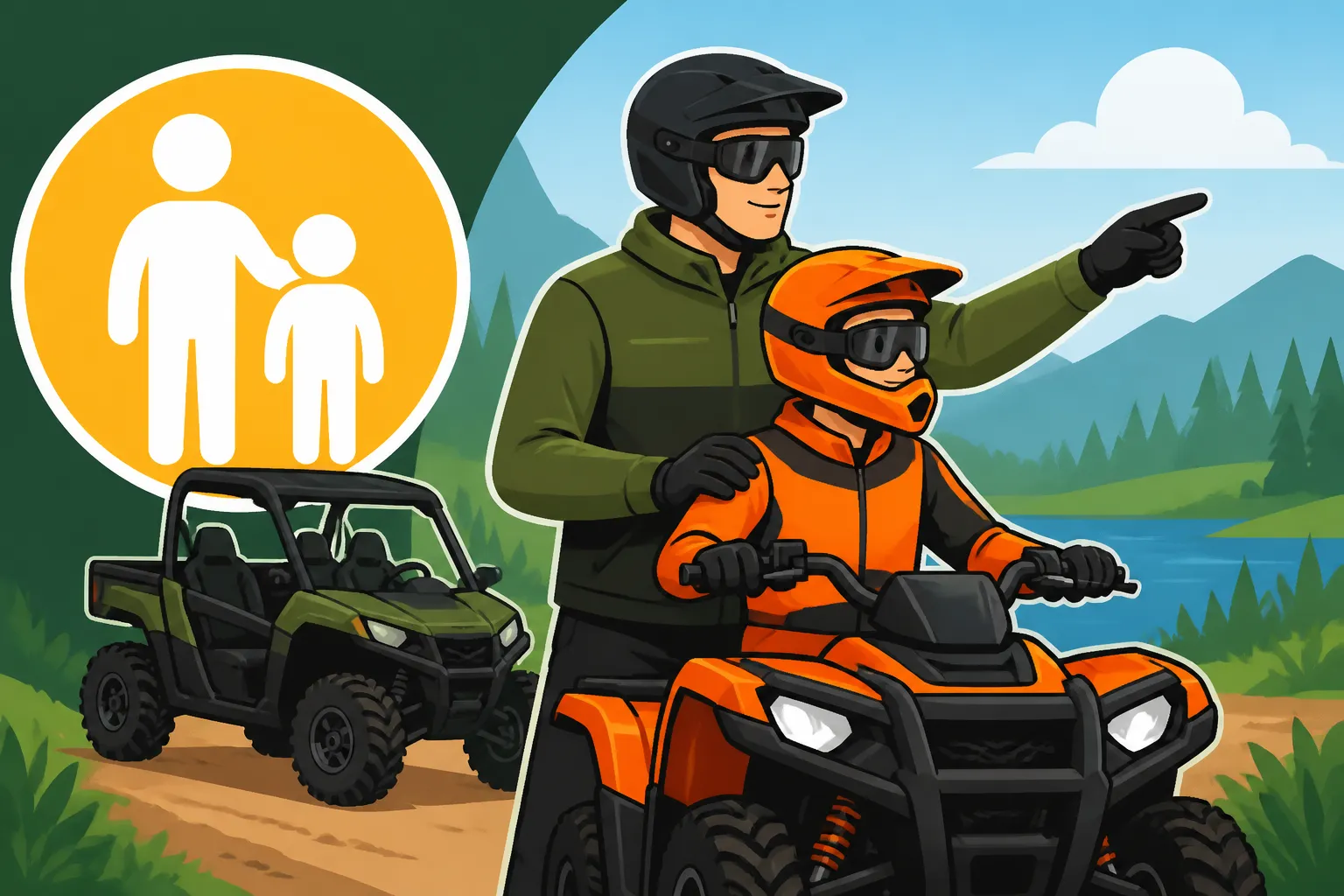
BC Rules for a Supervising Adult
Riding ATVs and UTVs with younger family members can be an incredibly rewarding experience, building lasting memories and teaching valuable skills. However, the joy can quickly turn to anxiety when you're unsure about the specific rules and responsibilities that fall on the supervising adult in British Columbia. It's a common worry – nobody wants to inadvertently break the law or, worse, put a child at risk. This guide is here to untangle the complexities of BC's Off-Road Vehicle Act and its regulations, offering clear, empathetic, and realistic advice so you can hit the trails with confidence and peace of mind, knowing exactly what's expected of you as a supervising adult.
Understanding the Legal Landscape: Who Can Supervise?
The first hurdle many of us face is simply figuring out who is legally allowed to supervise a young rider. It's not just about being an adult; the BC Off-Road Vehicle Act has specific criteria designed to ensure that those watching over minors have a certain level of maturity and capability. This is where a lot of confusion, and frankly, a bit of frustration, can creep in. You might think, "I'm their parent, of course, I can supervise!" And while that's often true, there are nuances that are crucial to understand.
The Age Requirement for Supervisors
Let's start with the hard-and-fast rule: in British Columbia, a supervising adult must be at least 19 years old. This isn't just a suggestion; it's a legal requirement. So, if you're a responsible 18-year-old older sibling or a very mature young adult, unfortunately, the law says you're not quite old enough to be the official supervisor. This rule ensures that the person in charge is legally considered an adult with all the responsibilities that come with it. It’s about having a clear, unambiguous standard for accountability when it comes to youth safety on what can be inherently risky machines. [BC Supervisors Must Be 19 or Older] makes this absolutely clear, removing any guesswork.
Think about a family outing: if Uncle Bob, who is 20, is the only adult present with a 12-year-old rider, legally speaking, the 12-year-old is riding unsupervised. This could lead to tickets and fines, not to mention safety concerns, even if Uncle Bob is perfectly capable. The spirit of the law here is about ensuring that the person in charge is not only capable but also of an age where they are fully recognized by the legal system as responsible for others. It’s a foundational piece of the puzzle for [BC Youth Riding Rules and Supervision].
What About Training or Licensing for Supervisors?
Now, here's where it gets interesting, and perhaps a bit counter-intuitive for some. While the youth rider themselves might be required to have completed an approved safety course if they're 14 or 15 and riding alone with written permission, the supervising adult generally does not need to hold a specific ORV operator's license or have completed a formal safety course themselves under the Act. [Does the Supervising Adult Need a Licence or Training?] is a common question, and the answer, for the supervisor, is often no, not legally required.
This doesn't mean that training isn't highly recommended for everyone who rides, especially those supervising. A supervisor should absolutely be proficient in operating an ORV, understand the terrain, and be able to respond to emergencies. But the law, as it stands, focuses on the supervisor's age and ability to provide "visible and immediate direction," which we'll dive into next. So, while you don't need a special certificate to be a supervisor, a strong personal commitment to safety and a solid understanding of ORV operation are absolutely essential. Many safety accessories, like those from SuperATV, can make a machine safer, but they don't replace good judgment or basic operational knowledge.
What Does "Supervision" Really Mean in BC?
The legal definition of "supervision" in the context of youth ORV riding in British Columbia is more specific than simply "being there." It's about active, immediate oversight. This is often the area that trips people up because what we intuitively understand as keeping an eye on someone might not align with the precise requirements of the law. The goal is to ensure that if a young rider gets into trouble, the adult can intervene swiftly and effectively.
The "Visible and Immediate Direction" Test
This is the cornerstone of BC's supervision rules. For a youth rider under the age of 16, the supervising adult must be able to provide "visible and immediate direction." What does this truly mean? It means you need to be in a position where you can see the child at all times, and you must be close enough to immediately communicate and intervene if needed. [BC's Visible and Immediate Direction Test] isn't just about a casual glance; it's about active, constant monitoring.
Imagine a scenario: you're riding a wide, open trail, and your child is 200 yards ahead, out of your direct line of sight due to a slight bend in the trail. While you might know they're there, and you might even have a radio to communicate, legally, you are likely failing the "visible and immediate direction" test. The law envisages a situation where you can physically reach them or verbally direct them without delay. This means riding at a pace and proximity that allows for instant reaction. It's a high bar, but it's there for a reason: to minimize the window of vulnerability for young riders.
Staying Within Sight: Practical Implications
Translating "visible and immediate direction" into practical riding means adapting your riding style and choice of terrain. You might have to stick to simpler, more open trails where line-of-sight is consistently maintained. Dense bush, sharp turns, or significant elevation changes that break your view, even for a moment, could put you outside the legal definition of supervision. This can be frustrating for experienced riders who want to explore more challenging terrain, but the safety of the child is paramount.
For many families, this means the supervisor often rides behind or alongside the youth, never letting them out of view. It also means managing speeds carefully. If the child is riding a lower-powered machine, the supervisor needs to match that pace, not push ahead on their own more powerful UTV. This kind of active supervision also implies being able to physically get to the child if they stall, get stuck, or have a minor tip-over. It's about being present, not just passively observing. Understanding [BC Supervision on Crown Land] means recognizing these rules apply universally, not just on designated trails.
When Written Permission Comes into Play (and When It Doesn't)
There's a specific exception to the constant "visible and immediate direction" rule, but it applies only to 14 and 15-year-old riders. At these ages, a youth can ride without the direct, visible supervision of an adult if they have both completed an approved safety course and have written permission from a parent or legal guardian. This written permission must be carried with them while riding. [BC's Written Permission Rule at 14 and 15] is designed for that specific age bracket, allowing a bit more independence for youth who have demonstrated competence.
However, it's crucial to understand that for any rider under 14, or for a 14/15-year-old who hasn't met both the course and written permission requirements, visible and immediate supervision is still mandatory. This is where many people get confused. They might assume that once a child hits 14, they're good to go with just a note. That's not the case; both criteria must be met. And remember, [BC Children Cannot Carry Passengers] regardless of age or permission; a child operator should always be riding solo.
Key Responsibilities and Practical Tips for Supervising Adults
Beyond the legal definitions, a supervising adult carries a profound moral and practical responsibility for the safety and well-being of the youth rider. This isn't just about avoiding a ticket; it's about preventing accidents, fostering good riding habits, and ensuring everyone comes home safe. This is where your role moves from simply complying with the law to actively nurturing a safe and enjoyable riding experience.
Ensuring Proper Gear and Machine Suitability
One of your most immediate responsibilities is ensuring the youth rider has the right gear and the right machine. This means a properly fitting helmet that meets safety standards – remember, [BC Helmet Law Covers Every Rider]. It also includes eye protection, gloves, sturdy boots, and appropriate long-sleeved clothing to protect against scrapes and sun. Safety gear isn't a suggestion; it's a non-negotiable requirement.
Equally important is ensuring the machine itself is appropriate for the child's age, size, and skill level. Manufacturers often provide age and weight guidelines for their ATVs and UTVs. [BC Manufacturer Age and Weight Rules] are there for a reason and should be strictly followed. You wouldn't put a five-year-old on a full-size utility quad, just as you wouldn't put a very tall teenager on a tiny youth model. The machine should allow the child to comfortably reach all controls, have proper footing, and handle the weight and power. Sometimes, aftermarket accessories, like those from SuperATV, can enhance safety or fit, such as smaller steering wheels or different seat options for younger riders, but the core machine choice is critical.
Communication and Emergency Preparedness
Effective communication is vital. Before you even hit the trail, establish clear hand signals and verbal cues (if using helmets with comms). Discuss the route, potential hazards, and what to do if the child gets separated or has an issue. Remind them of proper riding etiquette and environmental responsibility. Carry a first-aid kit, water, snacks, and any necessary repair tools. Always tell someone your planned route and estimated return time, especially if you're venturing into remote areas. Cell service can be spotty in the backcountry, so a satellite messenger or two-way radio is a wise investment for longer trips.
| Age of Rider | Supervision Requirement | Passenger Rules for Child Operator | Written Permission Option |
|---|---|---|---|
| Under 14 | Visible and immediate direction by an adult (19+) | No passengers | Not applicable |
| 14-15 | Visible and immediate direction, OR | No passengers | Yes, if safety course completed |
| Safety course + written permission from parent/guardian | |||
| 16+ | No specific supervision required | May carry passengers (if machine designed for it) | Not applicable |
This table provides a quick overview, but always remember the nuances, especially for [BC Rules for a Child Under 16].
Leading by Example and Fostering Good Habits
As a supervising adult, you are a role model. Your riding habits, your adherence to safety rules, and your respect for the environment will heavily influence the young rider. Demonstrate proper trail etiquette, how to safely navigate obstacles, and the importance of staying on marked trails. Teach them about wildlife awareness and leaving no trace. This isn't just about legal compliance; it's about instilling a lifelong love for responsible off-road riding. Showing patience and offering constructive feedback will build confidence and competence in the youth. By being a good example, you help shape a new generation of responsible riders.
Potential Liabilities and Consequences of Non-Compliance
It's a tough but necessary conversation: what happens if you don't follow the rules? The consequences of inadequate supervision can be severe, ranging from hefty fines for [Who Is Fined When a Child Rides Unsupervised] to, in the worst-case scenario, serious injury or even death. As the supervising adult, you could face legal penalties, and your insurance might not cover incidents that occur due to a breach of the Off-Road Vehicle Act. This is why understanding and strictly adhering to the rules, as laid out in pieces like [BC Safety Training Options] for youth, is not just about bureaucracy, but about real-world accountability.
The penalties for infractions like riding an unregistered machine or operating without appropriate supervision can be significant. More importantly, the emotional and financial burden of a serious accident involving a child who was not properly supervised is something no one ever wants to face. Ensuring every aspect of their ride, from their [BC Written Permission Letters] to their helmet fit, is compliant and safe is your ultimate responsibility. Tools and accessories, like sturdy skid plates or winch kits from SuperATV, can certainly enhance a machine's capability and safety on the trails, but they are no substitute for diligent supervision and adherence to all safety regulations.
Navigating Common Supervision Scenarios
Understanding the broad rules is one thing, but applying them in various real-world scenarios can bring up new questions. Riders in BC encounter diverse environments, and the nuances of supervision might shift depending on where you are and the specific age group of the child you're supervising.
Crown Land Versus Private Land: Does It Matter?
A very common question is whether the supervision rules change when you're on private land versus public Crown land. The answer is generally no, the core supervision requirements under the Off-Road Vehicle Act apply province-wide whenever a youth is operating an ORV, regardless of the land designation. So, whether you're out exploring vast stretches of [BC Crown Land Riding Explained] or just riding trails on a friend's private acreage, the requirement for a supervisor aged 19 or older and the "visible and immediate direction" test remain in effect for youth under 16.
The only slight difference might be in enforcement. On private land, the property owner's rules and liability concerns also come into play, but the provincial ORV Act is still the governing legislation for operator conduct and supervision. It's a bit like driving a car: the rules of the road apply whether you're on a public street or a private parking lot; you're still expected to follow fundamental safety and licensing regulations. This consistency helps ensure safety standards are maintained across all riding environments.
Specific Age Group Challenges and Considerations
While the law provides clear age cut-offs, supervising a 6-year-old on a youth quad is very different from supervising a 15-year-old with some experience.
- Younger Riders (Under 10): These riders require the most intense, immediate supervision. Their judgment is still developing, their reaction times are slower, and they tire more easily. Stick to very simple, flat, open terrain. Keep rides short and frequent breaks. Your proximity should be almost constant, often riding directly behind them. [BC Rules for a Child Under 16] are especially stringent here.
- Mid-Range Riders (10-13): As skills develop, these riders might crave more challenging terrain. However, their physical capabilities and decision-making are still maturing. The "visible and immediate direction" rule is crucial here. You might allow slightly more distance, but they must always remain in sight. Focus on skill-building rather than speed or complex obstacles. Ensure their machine size is still very appropriate, not something they'll "grow into."
- Older Youth (14-15): This is the age where the written permission option becomes available. If they've completed a [What a Rider Course Teaches] and have permission, they gain some independence. However, even if they're legally riding alone, continued mentorship and discussions about safety and responsible riding are essential. For those who haven't met these conditions, the full supervision rules still apply, often to the frustration of teenagers who feel capable. This is a common point of contention, but the law is clear.
The Nuances of Passengers and Riding With Siblings
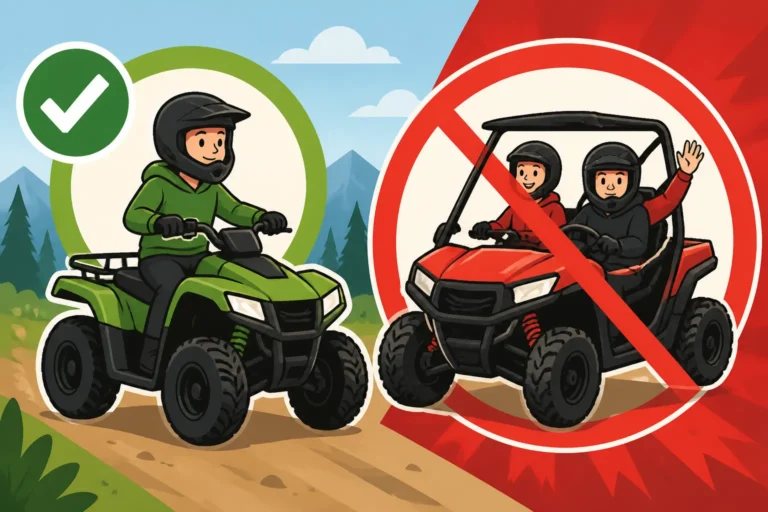
A supervising adult also needs to be mindful of passenger rules. As mentioned, [BC Children Cannot Carry Passengers] on an ORV. This means a child operating their own machine should never have another person on board, even another child, or an adult. The machine is likely not designed for it, and it severely compromises stability and control for an inexperienced rider.
If you have multiple children riding, and they are all under 16 and require supervision, you as the single supervising adult must be able to provide "visible and immediate direction" to all of them simultaneously. This can be incredibly challenging, if not impossible, on anything but the widest, most open trails. In many cases, it's safer and more realistic to have additional qualified supervisors or to ride with one child at a time. The rules are designed to ensure safety, and trying to supervise too many young riders at once often dilutes the effectiveness of that supervision.
Disclaimer
This article is for general informational purposes only and does not constitute professional advice. Laws, prices and regulations vary by location and change over time. Consult a qualified professional for guidance on your specific situation.