Every Prior Sale Documented
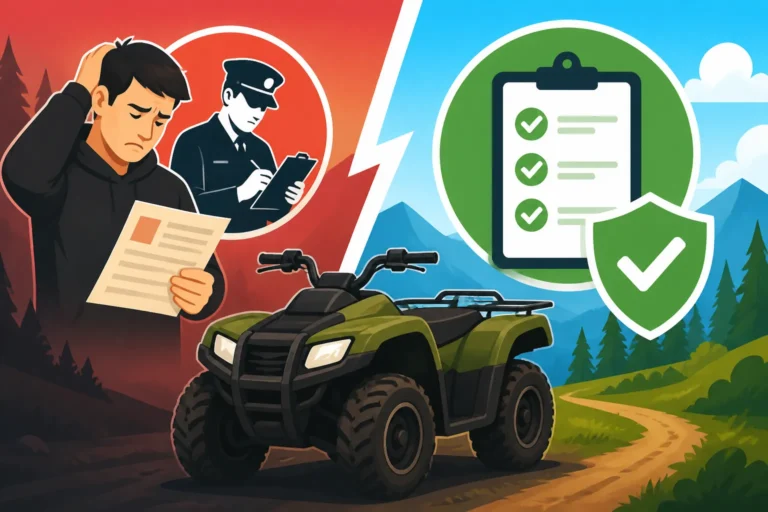
You've just bought an off-road vehicle (ORV) – maybe a quad, a dirt bike, or a side-by-side – and you're stoked to hit the incredible trails and resource roads here in British Columbia. But then you head to register it, and suddenly, you're faced with a seemingly endless demand for paperwork tracing its entire history. It’s incredibly frustrating when all you want to do is make your machine legal, and this guide is here to walk you through exactly why BC has this rule and how you can navigate the maze of documenting every prior sale.
The BC Registration Rule: More Than Just Your Last Purchase
It might seem excessive, but BC's system for registering off-road vehicles is designed with a very specific purpose: to establish a continuous chain of ownership. This isn't just about the sale you just made; it's about every sale that happened before it, all the way back to when the machine first came into existence, or at least to the point it was first registered under the Off-Road Vehicle Act in November 2015. [BC Registration Became Mandatory in 2015]
The real kicker here is that BC doesn't issue titles for ORVs in the same way many other jurisdictions do for cars or even some provinces for ATVs. Instead, you get a "Certificate of Registration," which functions more like a deed showing who currently owns the machine. Because there's no single "title" document to transfer that proves clear ownership, the province relies on this chain of bills of sale and other documents to ensure the machine hasn't been stolen and that all past transactions were legitimate. It's a system that can definitely throw a wrench in your plans if you're not prepared.
Why BC Demands This Level of Detail
The main reason for this deep dive into ownership history is rooted in consumer protection and crime prevention. Imagine buying a used quad, only to find out later it was stolen. Without a robust system to track ownership, it would be much easier for stolen machines to be re-registered and resold, leaving an unsuspecting buyer out of luck and out of pocket. [BC's Continuity of Ownership Problem]
The province wants to make sure that the person selling you the ORV actually has the legal right to do so. This meticulous process helps to prevent fraud and ensures that if there's ever a dispute, there's a clear paper trail to follow. While it can feel like a bureaucratic headache, especially when you're dealing with a machine that's changed hands a few times, it ultimately protects buyers like you from ending up with a machine that has a cloudy or, worse, criminal past. It also helps with the collection of provincial sales tax (PST) on each transaction, ensuring fair revenue for public services.
The Role of an Autoplan Broker
When you go to register your ORV in BC, you won't be heading to a government office directly. Instead, you'll be dealing with an authorized Autoplan broker. These are the same folks who handle your car insurance and vehicle registration. They act as the front line for ORV registration and are the ones who will be scrutinizing your paperwork. [BC Autoplan Brokers Handle ORV Registration]
They're not just there to process forms; they're tasked with ensuring the ownership chain is complete and legitimate according to the province's rules. This means they're looking for every bill of sale, every gift letter, every statutory declaration that links your machine from its previous owner, back to their previous owner, and so on. If there's a gap, they can't complete the registration until that gap is filled. This is why having your ducks in a row before you even walk through their door is so important.
What "Every Prior Sale Documented" Really Means for You
So, what exactly does "documenting every prior sale" look like in practice? It means you need to provide a complete history of how the machine got from its previous owner to your seller, and then from your seller to you. This might involve a single bill of sale if you're buying a relatively new machine from the first owner, or it could mean a stack of documents stretching back years, even decades, if you've got an older quad that's been passed around.
This can be a huge source of frustration, especially for vintage machines or those bought informally years ago. You might be thinking, "Who keeps a bill of sale from 1995?" And that's exactly where many riders hit a wall. But don't worry, there are solutions, even if they require a bit more effort. [Why Every Past Sale Has to Be Documented]
Essential Documents for Your ORV's History
The cornerstone of documenting ownership is, of course, the bill of sale. This is a legally binding document that outlines the transfer of ownership from one party to another, typically including the buyer's and seller's names, addresses, the sale price, the date of sale, and a clear description of the ORV, including its Vehicle Identification Number (VIN) or serial number. [BC Bills of Sale for Every Prior Owner]
However, not every transfer is a sale. Sometimes machines are gifted, or inherited. For these situations, other documents come into play:
- Bill of Sale: For any transaction where money changed hands. It needs to be clear, legible, and include all necessary details.
- Gift Letter: If an ORV was genuinely given as a gift (often within a family). This document needs to clearly state that no money was exchanged, identify the giver and receiver, and describe the ORV. [BC Gift Letters Between Family]
- Statutory Declaration: This is a sworn statement, made under oath, declaring ownership when a bill of sale or gift letter is missing. It's used to bridge gaps in the ownership chain when you simply cannot get the original paperwork. More on this crucial document below.
- Estate Documents: If the previous owner is deceased, you'll need documents like a Grant of Probate or Letters of Administration to show the legal authority of the person selling the ORV from the estate.
The broker needs to see a continuous line. Imagine a chain: if one link is missing, the entire chain is broken, and they can't proceed. Your job is to make sure every link is there, one way or another.
When Documents Go Missing: The Gap in the Chain
It's a common scenario: you bought an older machine, perhaps for cash years ago, and the original seller is long gone, or the paperwork from two owners ago simply vanished. This is what's known as a "gap" in the ownership chain, and it's the biggest hurdle for many BC ORV owners trying to register their machines. [BC Registration for an Older Machine]
The broker needs to understand how the machine moved from Person A to Person B, and then to Person C, and so on. If Person B sold it to Person C, but there's no bill of sale from Person A to Person B, then the broker can't verify that Person B legitimately owned the machine in the first place. This is where the frustration really sets in, because you, the current owner, are often left trying to track down information from transactions that happened long before your time.
Navigating Missing Paperwork: Practical Solutions
So, what do you do when you're staring down a missing bill of sale from two owners ago? Don't despair. While it requires diligence, there are established paths to fill those gaps and get your ORV registered.
The Power of the Statutory Declaration
This is often your best friend when faced with missing paperwork. A statutory declaration is a formal written statement of facts, made under oath or affirmation, and witnessed by an authorized individual (like a notary public, a commissioner for taking affidavits, or sometimes even an Autoplan broker). In it, you declare that you are the rightful owner of the ORV and explain how you came into possession of it, including the efforts you made to find the missing documents. [BC Statutory Declaration for an ORV]
When drafting a statutory declaration, be as detailed as possible. Include:
- Your full legal name and address.
- A complete description of the ORV, including make, model, year, colour, and most importantly, the VIN or serial number.
- The circumstances under which you acquired the machine (e.g., purchased it from a specific person on a specific date, inherited it).
- Why the original bill of sale or ownership document is missing (e.g., lost, seller is untraceable, never received one).
- What efforts you made to obtain the missing document (e.g., contacted the seller, searched your records).
- A solemn declaration that the information provided is true to the best of your knowledge.
You can often find templates for statutory declarations online, and resources like LawDepot can help you generate a legally sound document quickly and easily. While there's usually a small fee to have it witnessed, it's a small price to pay to get your registration process moving. [BC Statutory Declarations Cost $15]
Piecing Together the Puzzle: Strategies for Missing Documents
Beyond the statutory declaration, you might need to get creative in tracking down past information.
- Contacting Previous Owners: If you know who the previous owners were, try reaching out to them. They might have old receipts or remember details that can help you piece together the timeline. Even a simple handwritten note from them confirming their sale to the next person in the chain can sometimes help an understanding broker.
- Photographic Evidence: Do you have old photos of the ORV with previous owners? While not a legal document, sometimes it can support your story to a broker if you're declaring ownership of an older machine.
- Bank Records: If you paid for the ORV via a bank transfer or cheque, your bank statements could serve as proof of payment, even if the formal bill of sale is gone.
- Mechanic Records: If the machine was ever serviced, a mechanic might have records that include the owner's name and the ORV's VIN, helping to establish a previous owner.
- Online Resources: For very old or unique machines, sometimes online forums or enthusiast groups can help you trace provenance, though this is less about legal proof and more about gathering supporting information.
Remember, the goal is to provide the broker with enough credible information to feel confident that you are the rightful owner and that the machine isn't stolen. A comprehensive statutory declaration, supported by any other bits of evidence you can scrounge up, stands a much better chance.
When All Else Fails: The Broker's Discretion and Service BC
While brokers operate under strict guidelines, there can sometimes be a small degree of flexibility, especially with older machines. If you've genuinely exhausted all avenues and presented a compelling statutory declaration, some brokers may be more willing to work with you. However, their hands are often tied by the rules.
In extremely difficult cases, where a broker truly can't process your registration due to complex, unresolvable ownership gaps, you might be directed to Service BC. They sometimes handle the more intricate, exception-based scenarios that fall outside the typical Autoplan broker's purview. It's not a guarantee, but it's an option for last resort.
Table: Types of ORV Ownership Documents in BC
| Document Type | Purpose | When It's Used | Key Information Included | Potential Use if Missing Bill of Sale |
|---|---|---|---|---|
| Bill of Sale | Official record of a purchase and transfer of ownership. | Any time an ORV is bought or sold for money. | Buyer/Seller names, addresses, date, price, ORV description, VIN. | Cannot be replaced for the immediate past sale. Need to trace prior sales. |
| Gift Letter | Official record of an ORV given without monetary exchange. | When an ORV is given as a gift (e.g., family). | Giver/Receiver names, addresses, date, ORV description, VIN, statement of gift. | Helps fill a gap if an ORV was gifted. |
| Statutory Declaration | Sworn statement attesting to facts of ownership. | When a bill of sale or gift letter is missing for a prior owner. | Declarant's info, ORV description, how acquired, why docs missing, efforts to find them. | Crucial for filling past ownership gaps. |
| Estate Documents | Legal proof of authority to sell an ORV from a deceased person's estate. | When an ORV is inherited or sold from an estate. | Grant of Probate, Letters of Administration, Will. | Essential for legal transfer from an estate. |
Beyond Registration: Why a Clear Ownership Chain Matters
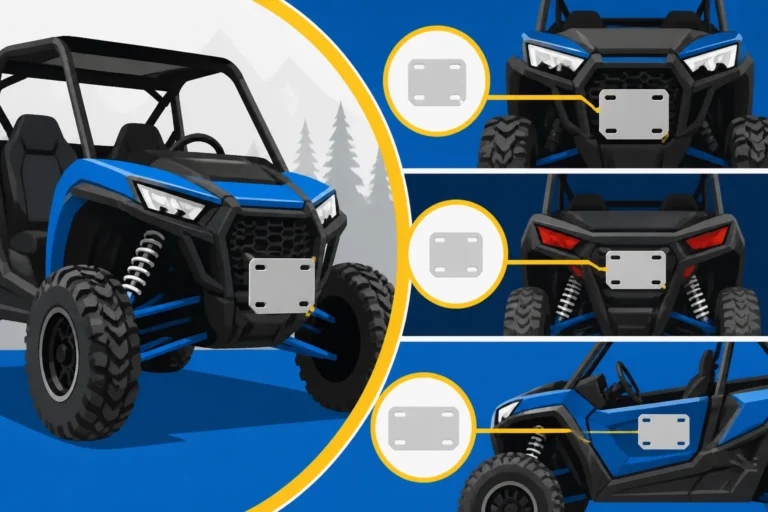
You might think once your machine is registered, the hard part is over. And for the most part, it is! You'll get your certificate and your [BC ORV Number Plates and Decals], and you'll be able to ride legally on Crown land and resource roads. But having that clear ownership chain continues to be important even after you've successfully registered your machine.
Selling Your Registered Machine in BC
When it comes time to sell your ORV, the person you sell it to will face the exact same registration requirements you did. If your ownership chain was complicated to establish, you'll want to make sure you provide your buyer with a clear, new bill of sale and, ideally, copies of all the supporting documents you used to get your registration. This makes the transfer much smoother for them and increases the value of your machine. [Selling a Registered Machine in BC]
It's good practice to keep all your ORV paperwork together in a safe place. Even if you've already registered, having those previous bills of sale, gift letters, or statutory declarations handy will be invaluable for the next owner. Remember, a smooth transfer of ownership is a significant selling point, and buyers will appreciate a seller who has all their ducks in a row.
The Value of Having Solid Paperwork
Beyond the legal requirement for registration, having a complete and accurate paper trail for your ORV offers several practical benefits. It can help resolve disputes if there's ever a question about who truly owns the machine. It can also be important for insurance purposes, providing clear evidence of your insurable interest in the ORV. [BC ATV Insurance Requirements]
While BC doesn't issue a traditional "title," the Certificate of Registration, combined with your supporting ownership documents, serves a similar purpose. It provides proof of legitimate ownership, which is crucial in an era where ORV theft remains a concern. By going through the process of documenting every prior sale, you're not just satisfying a bureaucratic requirement; you're safeguarding your investment and ensuring a clear, legitimate history for your machine. When you utilize services like LawDepot to prepare any necessary declarations or custom bills of sale, you're investing in the future clarity of your ORV's ownership, which will ultimately save you and future owners headaches down the road.
Disclaimer
This article is for general informational purposes only and does not constitute professional advice. Laws, prices and regulations vary by location and change over time. Consult a qualified professional for guidance on your specific situation.