Checking an Arrestor Before a Ride
Checking an ATV or UTV spark arrestor before a ride means confirming it is present, undamaged, clean and allowed where you plan to ride.
Your sticker stops at the state line.
Non-resident permits, what they cost and how long they last, and which states honor each other’s — or, increasingly, none at all.
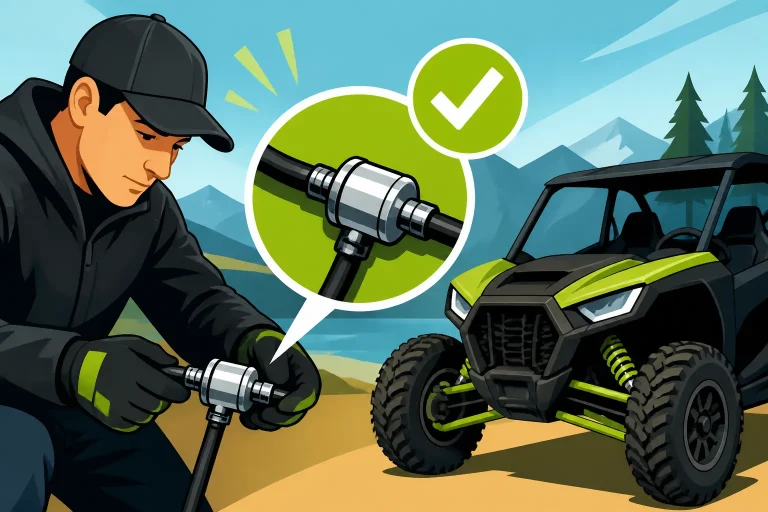
Checking an ATV or UTV spark arrestor before a ride means confirming it is present, undamaged, clean and allowed where you plan to ride.
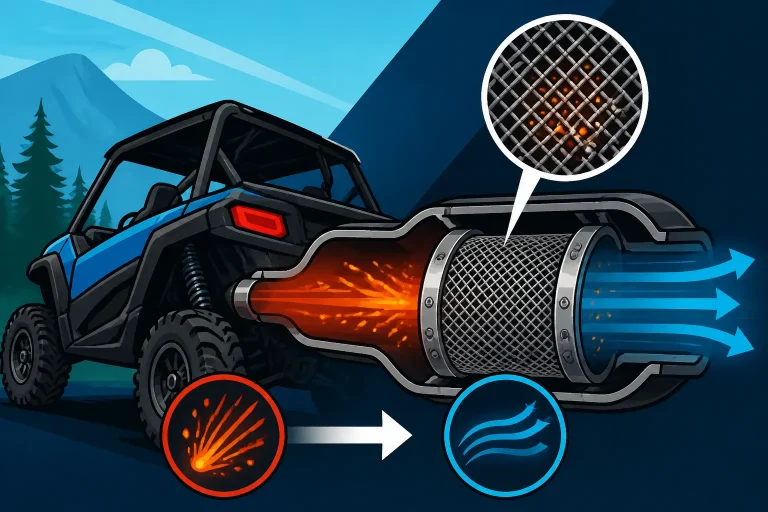
How a spark arrestor screen works on an ATV or UTV, what damage and buildup to check, and why the correct part matters before riding in BC.
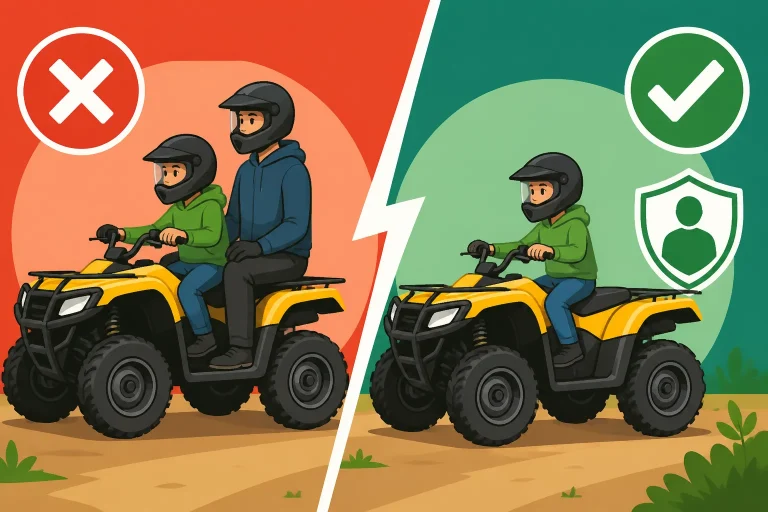
BC rules generally prevent an adult from riding behind a child operator; supervise from another machine and check the vehicle’s passenger limits.
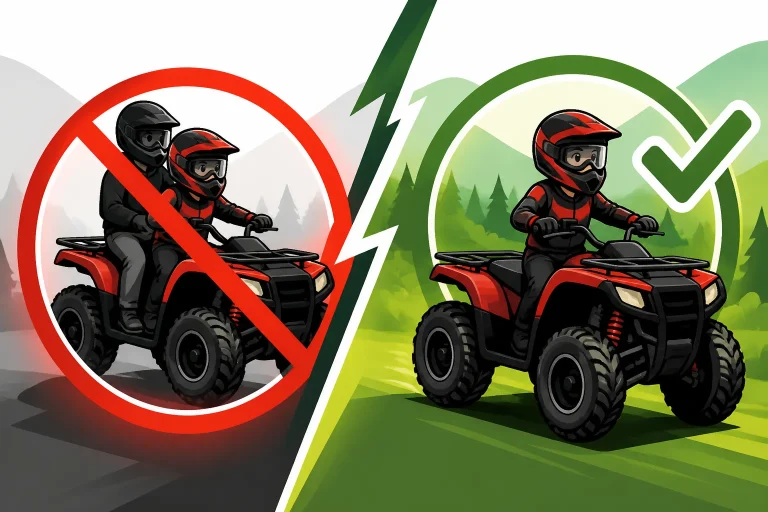
BC’s child-operator passenger rule means no one rides along; adult supervision, machine fit, registration and route rules still matter before every ride.
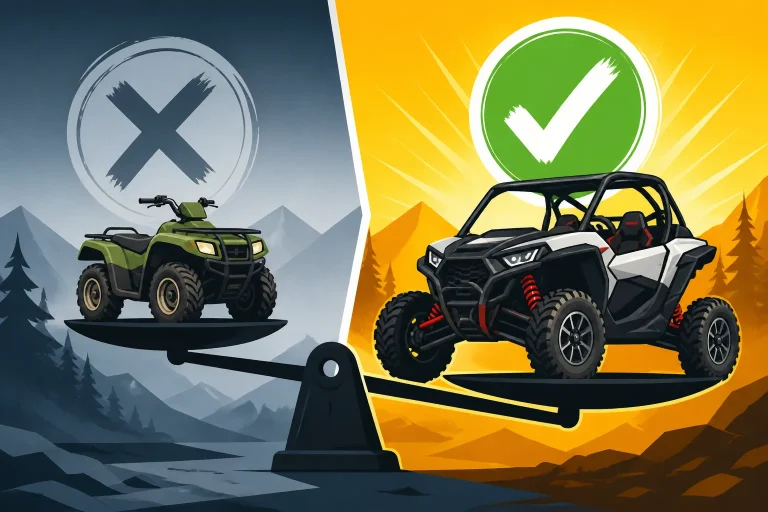
In BC, age sets legal limits, but fit, weight, control reach and manufacturer guidance determine whether an ATV or UTV suits a young rider.
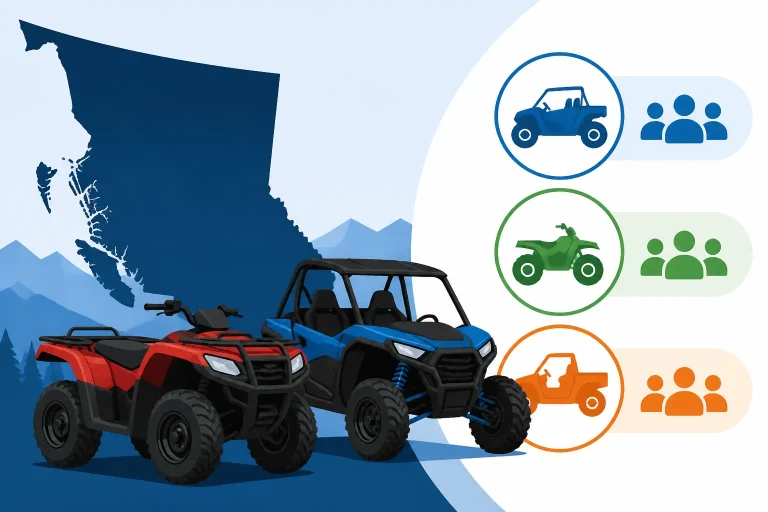
Manufacturer minimums by model, rider fit and BC youth rules all matter; check the exact manual and legal requirements before a child rides an ATV or UTV.
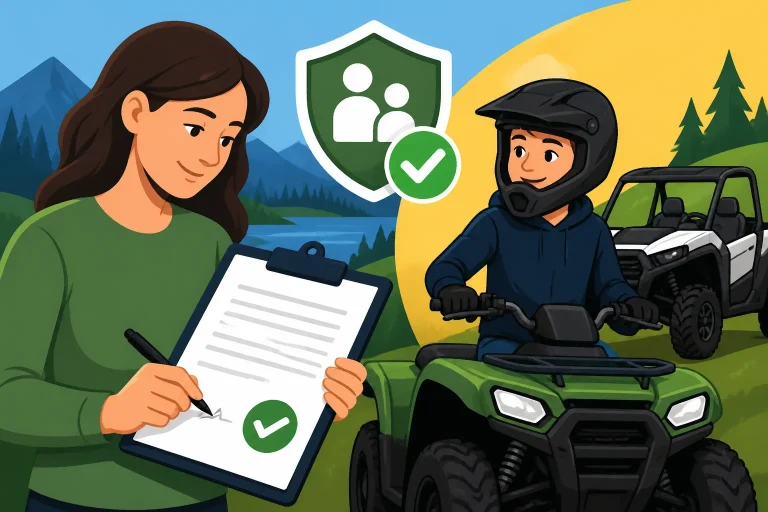
BC ATV parent permission is not enough by itself: eligible 14- and 15-year-olds must also meet training, supervision and machine-class rules.
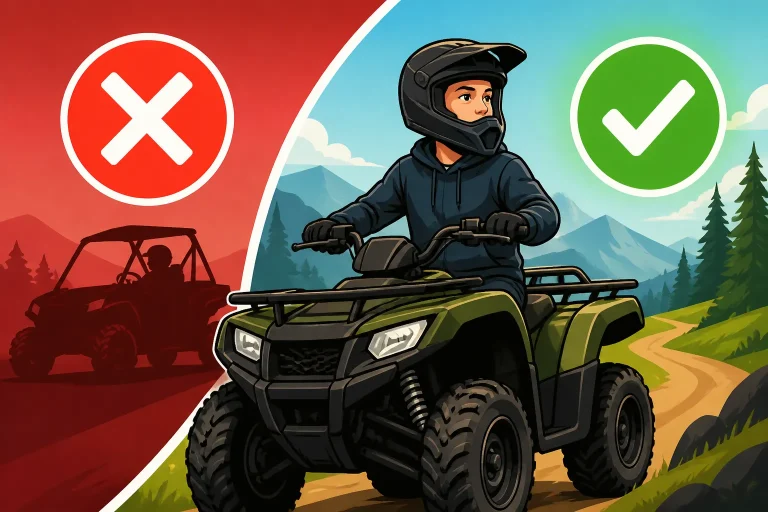
A 14-year-old may ride an ATV alone in BC only after meeting training and written-permission rules; machine, land access and safety requirements still apply.
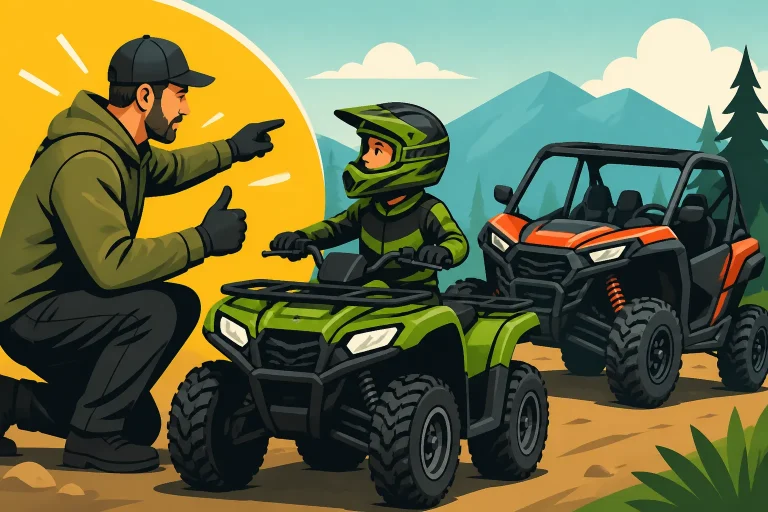
BC child ATV supervision requires an adult to see the rider and give direction promptly; staying nearby or relying on a radio alone may not be enough.
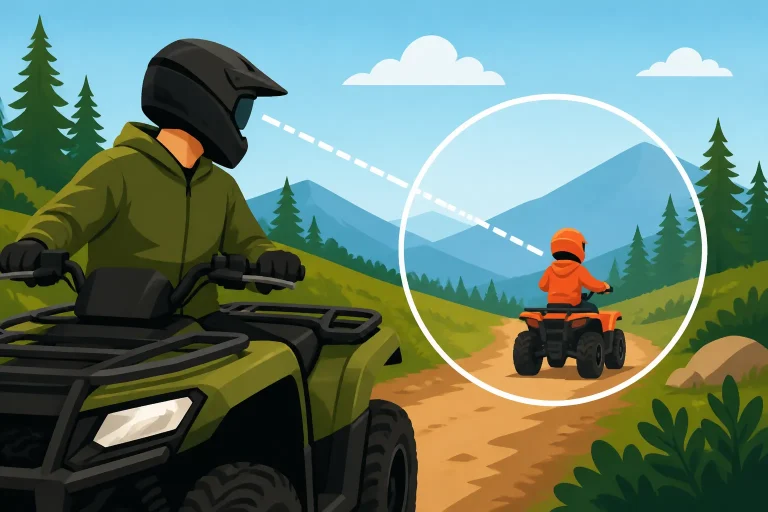
British Columbia off-road vehicle supervision rules require adults to keep child operators in sight and give immediate direction.