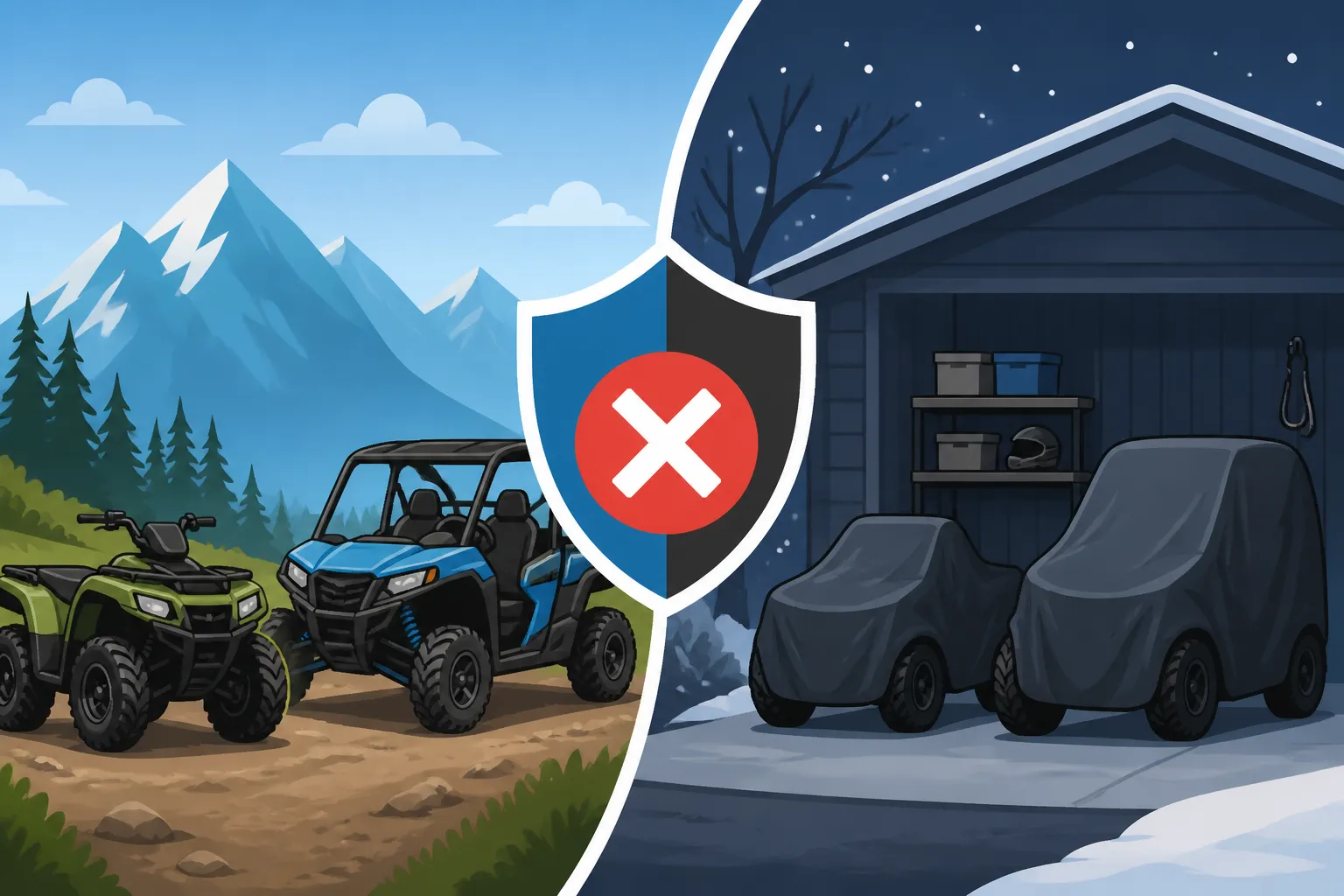
Cancelling Coverage Off Season
Oh, the age-old dilemma of being an ATV or UTV owner in British Columbia! You love hitting the trails, carving through snow, or exploring those beautiful forest service roads, but then the season changes, the machine gets parked, and you're left staring at those insurance premiums piling up. It's a common frustration, feeling like you're throwing money away on a machine that's just sitting there, gathering dust or snow. This guide is here to walk you through exactly how you can manage your ORV insurance by cancelling or suspending coverage during the off-season, helping you save some hard-earned cash without leaving you unprotected when it matters most.
The Seasonal Rider's Dilemma: Why Pay for What You Don't Use?
As a passionate ORV enthusiast in BC, you know that the seasons dictate when and where you can ride. Maybe you're a winter warrior who loves snowmobiling, but your quad sits idle. Or perhaps you're a summer trail blazer, but the coastal rain or interior snow makes riding impossible for months. During these periods, many riders find themselves paying for insurance that feels utterly unnecessary. It's a significant financial burden that can really dig into your pocket, and frankly, it feels a bit unfair when your machine isn't even leaving the garage.
Understanding BC's Insurance Requirements for ORVs
First, let's get clear on what BC requires for your off-road vehicle. Unlike cars, ORV registration in BC is generally a one-time affair. Once you register your machine and get your [BC ORV Number Plates and Decals], that registration lasts as long as you own it. There's no annual renewal sticker to worry about, as explained in [BC Has No Annual Renewal Sticker]. This is a huge relief compared to highway vehicles!
However, insurance is a different beast. While basic registration itself doesn't expire, your need for insurance definitely depends on where you ride. For instance, if you plan to use your ORV on a Forest Service Road (FSR), you are legally required to carry a minimum of $200,000 in third-party liability insurance. This is a critical point detailed in [BC Forest Service Road Requirements]. This isn't just a good idea; it's the law on these public access roads that are often shared with industrial traffic. Beyond FSRs, liability coverage on other Crown Land is often voluntary but highly recommended. The basic Autoplan for highway crossings is also a very specific coverage, only needed if you're briefly crossing a paved road with permission. For riding purely on private land, while not legally mandated, having insurance is a smart move to protect yourself from potential financial ruin if an accident occurs. This complex patchwork of requirements can make it difficult to know exactly what you need and when.
The Financial Drain of Year-Round Coverage
Imagine this: it's November in the Okanagan, the first snow has fallen, and your side-by-side is tucked away for the winter. You won't touch it again until spring melt, maybe even not until the summer fire season allows for safe riding. Yet, month after month, those insurance premiums are still being debited from your account. The same scenario plays out on the coast during the perpetually damp winter months, or in the high country where snow lasts well into June. These costs, even if they seem small individually, quickly add up over several idle months, creating a significant financial drain. It's perfectly understandable why riders look for ways to reduce these expenses. It's about being practical and efficient with your money, especially when the machine is doing nothing more than taking up space in your garage or shed.
How to Temporarily Suspend or Cancel Your ORV Insurance
So, you've decided to put a pause on your riding for a while, and you want to pause those payments too. The good news is that for many ORV policies, this is absolutely possible. It just takes a bit of proactive work with your insurance provider.
The Process with Your Autoplan Broker
Your first and most crucial step is to contact your Autoplan broker. These are the same folks who helped you get your [BC Insurance Bought With Registration] in the first place, and they are your go-to resource for managing your ORV policy. Don't just let the policy lapse or stop paying; that can lead to complicated issues down the line. Instead, call or visit your broker and explain that you wish to temporarily suspend or cancel your off-road insurance because you won't be using the machine for a period.
They will typically need your ORV plate number, the Vehicle Identification Number (VIN), and your policy details. They'll then guide you through the process. Depending on your policy and how much premium you've already paid, you might be eligible for a partial refund or a credit towards future premiums. Make sure to ask about this! Your broker can also explain if there are any administrative fees associated with cancelling and reinstating, so you can weigh the cost savings against any potential charges. Many [BC Autoplan Brokers Handle ORV Registration] and insurance, making them very familiar with these seasonal requests.
Understanding Different Types of Coverage and Their Flexibility
When you talk to your broker, it's important to understand that not all coverages are treated equally.
- Mandatory Liability for FSRs: If you specifically purchased the $200,000 liability coverage for Forest Service Roads, this is the one you might be looking to suspend. This coverage is essential when you're actively riding on designated FSRs, but if your machine is parked, it's not performing its primary function.
- Optional Comprehensive/Collision: Many riders also opt for comprehensive and collision coverage to protect their investment from theft, fire, vandalism, or accidental damage. This type of coverage is often more flexible. You might be able to cancel just the FSR liability component while maintaining some level of "storage insurance" for comprehensive coverage. This means if your machine is stolen from your garage or catches fire, you're still protected, even if you can't legally ride it on an FSR.
- Basic Autoplan for Highway Crossings: This particular coverage is very specific. It's meant for those brief, legally permitted moments when you might cross a paved highway. It's tied directly to your ORV plate and the vehicle's registration. If you cancel all other insurance, your broker will advise you on the status of this specific coverage and whether it needs to be reinstated separately when you're ready to ride again.
It's all about tailoring your insurance to your actual usage. By understanding these distinctions, you can have a more informed conversation with your broker and make choices that truly align with your seasonal riding habits.
Important Considerations Before You Cancel
While saving money is a huge motivator for cancelling off-season coverage, it's crucial to understand the implications. A little foresight here can save you a lot of headache and heartache down the road. You don't want to unintentionally leave yourself exposed to significant risks.
The Risks of Riding Uninsured
This is perhaps the most critical point to absorb: if you cancel your insurance, you absolutely cannot ride your machine in any situation that requires it. The moment your wheels touch an FSR without that minimum $200,000 liability coverage, you're breaking the law. Getting caught could lead to significant fines. Furthermore, in the event of an accident where you cause damage or injury to another person or property, you would be personally liable for all costs. This could mean tens or even hundreds of thousands of dollars out of your own pocket. Think about hitting a logging truck on an FSR, or damaging someone else's parked vehicle while navigating a trail that unexpectedly became a resource road. The consequences of riding uninsured can be catastrophic, financially. It's a risk simply not worth taking. Even if you're only planning a quick trip to a local trail network, you need to ensure your insurance is active if any part of that journey involves areas where it's mandated. Always carry [BC Insurance Proof on the Trail] if you're riding in areas that require it.
Storage and Off-Season Protection
Even if your ORV is tucked away for months, it's not entirely risk-free. Theft, fire, or accidental damage can still occur while it's in storage. This is where "storage insurance" or simply maintaining comprehensive and fire/theft coverage can be a lifesaver. This type of coverage protects your investment from events not related to actively riding. For example, if your garage catches fire, or your quad is stolen from a secure shed, this coverage would help you recover your losses.
Consider your storage situation:
- Secure Garage/Shed: Is your machine stored in a locked, secure place? Are there alarms?
- Shared Storage: If you're storing it at a friend's property or a rented storage unit, it's smart to have a clear understanding of responsibilities. While not directly related to insurance cancellation, formalizing agreements can be helpful. For instance, if you're drafting any kind of personal property storage agreement, resources like LawDepot can provide templates to ensure everything is clearly documented, protecting all parties involved. This adds an extra layer of clarity to your off-season planning.
Review your home insurance policy as well. Sometimes, small recreational vehicles might have limited coverage under a homeowner's policy, but often it's insufficient for a high-value ORV, especially for perils like theft away from the primary residence. It's always best to have dedicated coverage through your ORV policy for peace of mind.
Reinstating Your Coverage: Getting Ready for the Next Season
The off-season eventually ends, and the trails will call your name again. Just as important as cancelling your coverage is making sure you reinstate it properly before you even think about loading up your machine.
Seamlessly Reactivating Your Policy
When spring arrives or the snow starts to fly again, it’s time to get your insurance back in order. This process is generally straightforward: simply contact your Autoplan broker again. Provide them with your ORV details, confirm the coverages you need (especially that $200,000 FSR liability if you ride resource roads), and they will reactivate your policy. It’s wise to do this well in advance of your first planned ride. Don't wait until the day before you want to head out, as there could be processing times or you might need to clarify details. A good rule of thumb is to give yourself at least a week or two. Your broker will inform you of the new premium amount, taking into account any credits from your previous cancellation. This also gives you an opportunity to discuss any [BC Insurance Price Gaps Riders Talk About] and see if your needs have changed.
Planning Ahead for Seasonal Riding
Being a seasonal rider means being a planner. Here are a few tips to make managing your ORV insurance as smooth as possible:
- Set Reminders: Use your phone, calendar, or a simple sticky note to remind yourself of your planned cancellation and reinstatement dates. This proactive approach prevents you from accidentally paying for idle months or, worse, forgetting to reinstate and riding uninsured.
- Annual Coverage Review: Each year before you reinstate, take a moment to review your coverage needs. Has your riding style changed? Do you plan to explore new areas? Will you be riding more or less frequently? Your broker can help you adjust your policy to match your current situation. This is also a good time to consider optional coverages like collision or comprehensive, even if just for the riding season.
- Club Memberships: Consider joining a local ATV or UTV club. Many clubs offer benefits that can extend beyond just trail advocacy and camaraderie. Sometimes, club memberships can come with opportunities for insurance discounts or access to group rates for things like liability coverage. These [BC Club Membership Benefits] can be a surprising way to save money on your premiums while also supporting the sport you love.
- Document Everything: Keep a clear record of all communication with your insurance broker regarding cancellations and reinstatements. If you ever use a template for an agreement, like a storage agreement or a shared use declaration for a machine, solutions like LawDepot can help you keep these vital documents organized and accessible. This habit of good record-keeping protects you in case of any future disputes or misunderstandings.
By being organized and proactive, you can effectively manage your ORV insurance, saving money during your off-season without compromising your safety or legal standing when you're back on the trails.
Here's a quick comparison of your options:
| Feature | Year-Round Coverage | Seasonal Cancellation/Suspension |
|---|---|---|
| Cost | Higher annual premiums | Lower annual premiums (only pay for active months) |
| Administrative Effort | Minimal (set it and forget it) | Requires proactive action to cancel & reinstate |
| Riding Flexibility | Always covered to ride when and where permitted | Must reinstate before riding where insurance is required |
| Storage Protection | Typically included (comprehensive/fire/theft) | May require separate "storage only" coverage or lapse |
| Risk of Uninsured Riding | Low (if policy is always active) | High (if forgotten to reinstate before riding) |
| Peace of Mind | High (always covered) | Variable (requires diligence in managing) |
| Best For | Frequent, year-round riders | Seasonal riders with clear off-periods |
This approach to managing your ORV insurance is all about striking a balance: saving money when your machine is idle, while ensuring you're fully protected and compliant with BC's regulations when you're out enjoying the incredible backcountry.
Disclaimer
This article is for general informational purposes only and does not constitute professional advice. Laws, prices and regulations vary by location and change over time. Consult a qualified professional for guidance on your specific situation.