Selling a Registered Machine in BC
Selling an off-road vehicle (ORV) in British Columbia can sometimes feel a bit daunting, especially when you want to ensure all the paperwork is done correctly and you're no longer legally tied to the machine. Many sellers, after years of enjoying their quad or side-by-side, find themselves wondering exactly what documents are needed and what steps they need to take to avoid any future headaches or liabilities. This guide is here to untangle that process, providing you with a clear, step-by-step walkthrough to successfully sell your registered ATV or UTV in BC.
Understanding BC's ORV Registration for Sellers
When you registered your ATV or UTV in British Columbia, you received a Certificate of Registration, not a traditional vehicle title. This is a common point of confusion for many, especially those who have bought and sold other types of vehicles. In BC, this certificate is your primary proof of ownership for an off-road vehicle, and it's what ties you to the machine in the provincial database. Knowing this distinction is key to understanding your obligations as a seller.
The good news for sellers is that BC's ORV registration is a "pay once" system. You registered the machine, paid a fee, and that registration [BC ORV Registration Lasts as Long as You Own It]. There's no annual renewal sticker, no yearly fee to worry about keeping current before you sell it, unlike some other vehicle types or jurisdictions. This simplifies things considerably, as you don't have to concern yourself with whether the registration is "up to date" in the same way you might with a car or truck.
However, a proper transfer is absolutely crucial. You want to ensure that once the machine leaves your possession, your name is officially removed from its record. Failing to do so could, in a worst-case scenario, leave you exposed to liability if the new owner gets a ticket for something like riding an unregistered machine (even if they were supposed to register it) or, God forbid, is involved in an accident. Properly documented sales and transfers protect you from these potential future entanglements. It’s all about creating a clean break and clearly establishing new ownership.
The Essential Paperwork for a Smooth Sale
Getting your ducks in a row with the right paperwork is arguably the most critical part of selling your registered off-road vehicle. Without these documents, the buyer will face significant hurdles trying to register the machine in their name, which can lead to delays, frustration, and even scuttled deals. As the seller, it's your responsibility to provide the necessary items to ensure a seamless transition of ownership.
The Bill of Sale: Your Proof of Transaction
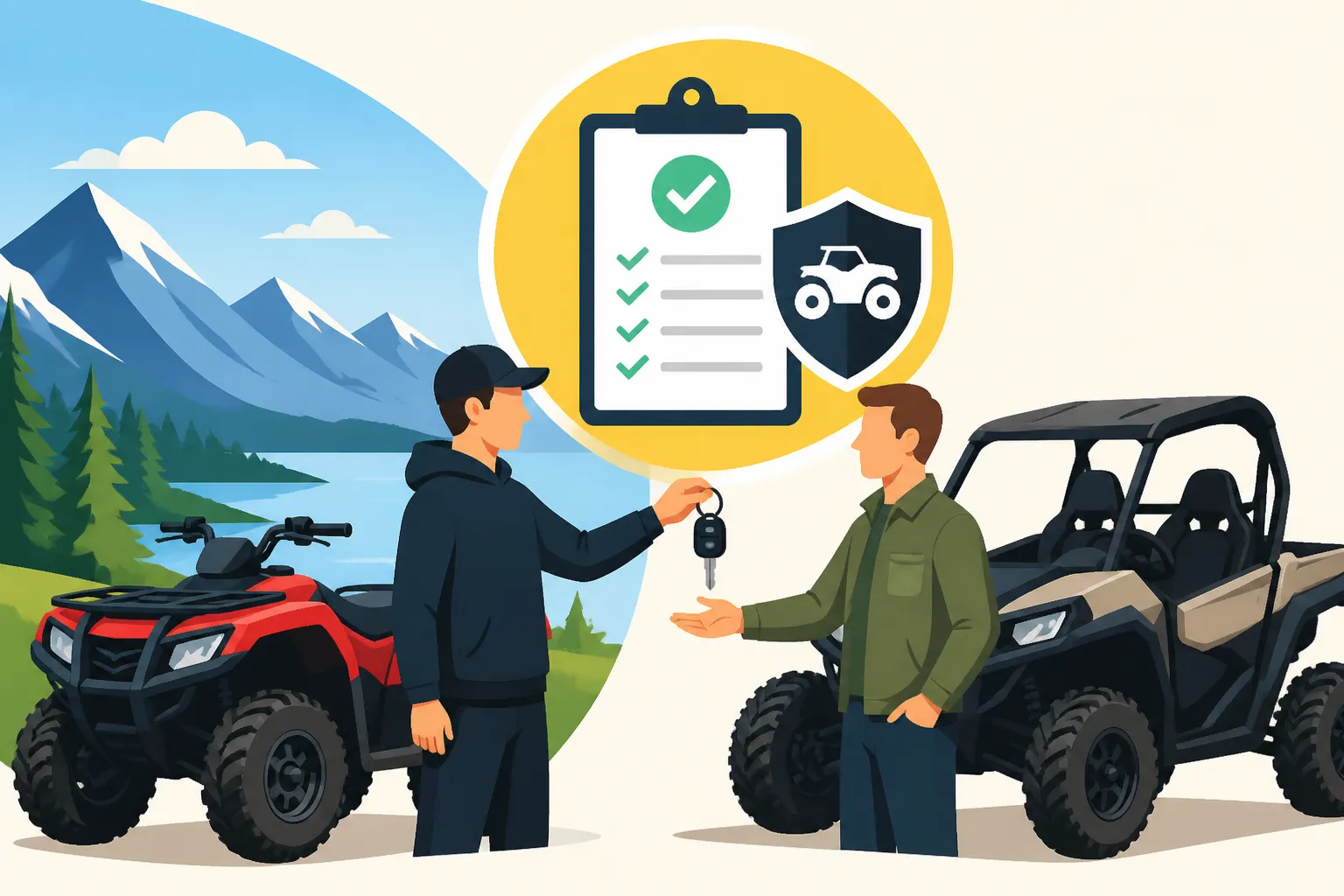
Think of the Bill of Sale as the bedrock of your transaction. This isn't just a friendly handshake agreement; it's a legally binding document that protects both you, the seller, and the buyer. It formally records the transfer of ownership, the date of the sale, and the agreed-upon price. Without a clear and comprehensive Bill of Sale, the buyer will have a very difficult time proving they legally purchased the machine, especially when they go to register it. In fact, an Autoplan broker will absolutely require a Bill of Sale to process the transfer of ownership, especially if it's not a direct gift transfer between family members.
A robust Bill of Sale should include specific details. Firstly, ensure it clearly identifies both the buyer and the seller, with full names and current addresses. Secondly, meticulously describe the off-road vehicle itself: the make, model, year, and, most importantly, the Vehicle Identification Number (VIN). The VIN is like the machine's fingerprint, unique to that specific ATV or UTV. Double-check that this number is accurately recorded on the Bill of Sale to avoid future discrepancies. Thirdly, state the exact date of the sale and the agreed-upon purchase price. It's also a good practice to include a clause stating the machine is sold "as-is, where-is" if that is your intention, which is standard for private sales.
You don't need to be a legal eagle to create one. There are many templates available online that can guide you. Services like LawDepot offer user-friendly templates that allow you to fill in the blanks with all the required information, ensuring you don't miss any critical details. Always ensure both you and the buyer sign and date the document, and make sure each of you gets an original copy. It's not a bad idea to make extra photocopies or take a clear photo of the signed document for your records, too. This document is so vital that the provincial registry needs to see a clear ownership chain, meaning [BC Bills of Sale for Every Prior Owner] are technically supposed to be presented, though for a registered machine, your Bill of Sale and Certificate cover the immediate transaction.
Your Certificate of Registration
As discussed, your Certificate of Registration is the official provincial document that confirms your ownership of the off-road vehicle. When you sell the machine, this original document must be transferred to the new owner. It's not something you keep; it goes with the machine to its next owner, just like a car's ownership papers. The buyer will need this certificate, along with the Bill of Sale, to complete the transfer into their name at an Autoplan broker.
Take a close look at your Certificate of Registration. You'll find sections specifically designed for transferring ownership. Typically, there's a space where you, as the seller, will need to sign to indicate the change of ownership. It's usually a good idea to complete this section in the presence of the buyer, or at least be very clear about where they need to sign. Make sure the date of sale is accurate on this document as well.
It's paramount that you hand over the original Certificate of Registration to the buyer. A photocopy simply won't suffice for the transfer process. Without the original, the buyer will likely face delays and potentially need to go through extra steps, like requesting a duplicate certificate from the province, which can be a real hassle. Remember, [BC Riders Must Carry the Certificate] when operating their machine on Crown land or resource roads, so the buyer will need this document immediately.
The ORV Number Plate
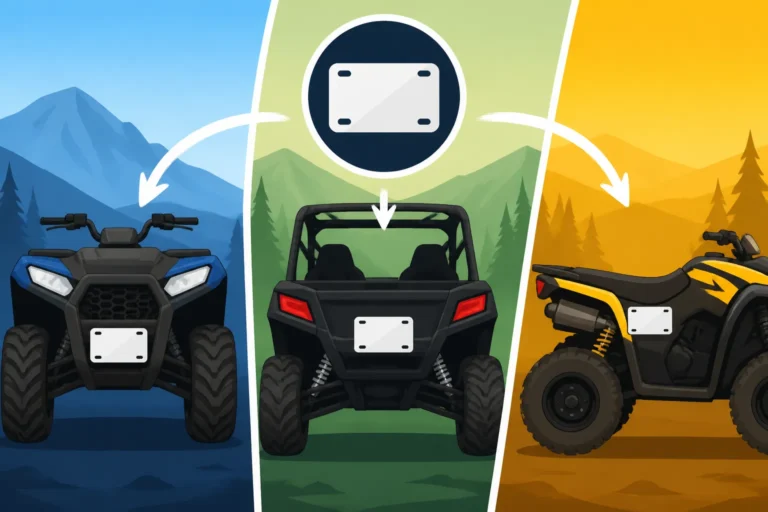
Unlike traditional highway vehicles where the license plate often stays with the seller or is returned to ICBC, the ORV number plate in British Columbia is generally considered to belong to the machine once it's issued. This means that when you sell your registered ATV or UTV, the physical ORV plate [BC ORV Number Plates and Decals] typically stays attached to the machine and transfers with it to the new owner.
There's usually no requirement for you to remove the plate or return it after the sale. The new owner will simply continue to use the existing plate, provided it remains clearly visible and legible on the machine. This saves both you and the buyer a step, as they won't need to apply for a new plate themselves once the transfer is complete. Just ensure the plate is securely mounted and in good condition before the handover.
Navigating the Transfer of Ownership Process
While you, as the seller, are responsible for providing the correct paperwork, the ultimate responsibility for completing the transfer of ownership at a provincial level rests with the buyer. Understanding this distinction is crucial to ensuring a smooth transaction and protecting yourself from any lingering obligations.
Completing the Transfer Forms at an Autoplan Broker
Once you've handed over the signed Bill of Sale and the original Certificate of Registration to your buyer, their next critical step is to visit a local [BC Autoplan Brokers Handle ORV Registration]. These brokers are the designated agents for processing ORV registration and transfers in BC. For the buyer, this is where the official record of ownership is updated in the provincial database, moving the machine from your name to theirs.
As the seller, your direct involvement usually ends once you've provided the buyer with all the necessary documents and the machine itself. The buyer will present your signed Certificate of Registration and the Bill of Sale to the broker. The broker will then guide them through completing the provincial transfer forms and will update the ORV registry. It's important to impress upon your buyer the need to do this promptly. The sooner they complete the transfer, the sooner your name is officially off the record, and their name is officially on it. This official step is what completes the [BC Transfer of Ownership Explained].
What About PST?
Here's a point that often catches people off guard during private sales: Provincial Sales Tax (PST). In British Columbia, when an off-road vehicle is sold privately, the buyer is generally responsible for paying PST on the purchase price. This tax is collected by the Autoplan broker at the time the transfer of ownership is processed.
The PST is calculated on the higher of the declared purchase price on the Bill of Sale or the vehicle's depreciated value, as assessed by the provincial government. This means if you decide to declare a very low sale price on the Bill of Sale, the broker might still charge PST based on what they deem to be a more realistic value for the machine. This is to prevent people from artificially lowering the sale price to avoid taxes. So, while you, the seller, don't directly handle the PST, it's a cost the buyer needs to be aware of and factor into their budget. This mechanism is similar to how [BC PST on a Private ATV Sale] is handled for other types of vehicles.
Seller's Responsibility After the Sale
Once the buyer has left with the machine and the paperwork, your immediate responsibilities as a seller are largely complete. However, a little diligence can go a long way in providing peace of mind. While you won't typically receive a direct notification that the transfer is complete, you can usually consider your ownership effectively terminated on the provincial database once the buyer has processed the transfer at an Autoplan broker.
It's always a good practice to keep copies of every single document related to the sale. This includes your copy of the Bill of Sale, and if you can, a photograph of the signed-over Certificate of Registration. These copies serve as your personal record of the transaction and can be invaluable if any questions or disputes arise in the future, however unlikely. This small step ensures that you have clear evidence that you are no longer the owner of the off-road vehicle.
Special Considerations for Sellers
While the core process of selling a registered ORV in BC is fairly straightforward, certain situations can add layers of complexity. Being prepared for these scenarios will make your selling experience smoother and more secure.
Selling to an Out-of-Province Buyer
If you find a buyer who lives outside of British Columbia, perhaps in Alberta or Washington, the fundamental requirements for you as the seller remain largely the same. You'll still need to provide a comprehensive Bill of Sale and the original BC Certificate of Registration. These documents are essential for proving the transfer of ownership from you.
However, the buyer's process after receiving the machine might differ significantly. They will need to look into the import and registration requirements of their home province or state. For instance, a buyer from Alberta would typically use your BC Certificate of Registration and the Bill of Sale to register the machine in Alberta, as that province has its own separate registration system. They might have additional inspections or paperwork unique to their jurisdiction. While it's not your responsibility to know the intricacies of every other province's or state's rules, it's helpful to advise them that their local processes will be different. For example, [BC Registration for a Machine From Alberta] often involves a bit more paperwork for the buyer on their end.
What If You've Lost Your Certificate of Registration?
This is a common headache for many sellers. Life happens, and sometimes important documents go missing. If you've misplaced your original Certificate of Registration, you absolutely must replace it before you can sell your machine. An Autoplan broker cannot process a transfer of ownership without the original certificate or a valid replacement.
To get a replacement, you'll need to visit an Autoplan broker yourself. They can help you apply for a duplicate Certificate of Registration. You'll likely need to provide your personal identification and details about the ORV, such as its VIN. There will be a fee for this service, but it's a necessary step. Don't wait until you have a buyer lined up to discover you can't find your certificate; sort this out well in advance to avoid delays in your sale. Having a [BC Registration Paperwork Checklist] handy can help prevent these issues in the first place.
Handling a Lien on Your Machine
Before you even consider listing your off-road vehicle for sale, it is absolutely paramount that you determine if there are any outstanding liens against it. A lien is a legal claim against your machine, typically by a lender, to secure a debt. Selling a machine with an undisclosed lien can lead to significant legal trouble for you, and the buyer could potentially lose the machine if the lien isn't satisfied.
You can check for liens through the Personal Property Registry (PPR) in British Columbia. This service allows you to search by the VIN of your ORV to see if any security interests or liens are registered against it. If a lien exists, you must clear it before selling the machine. This usually means paying off the outstanding loan or debt. The lender will then provide you with a release of lien, which is crucial documentation. It's a good practice to proactively deal with this, as buyers who are doing their due diligence will often check for liens themselves. Ensuring a clean record will make your machine far more attractive and prevent any last-minute complications. Understanding [BC Registration and Lien Records] is vital for a responsible sale.
Here's a quick summary of seller and buyer responsibilities in the BC ORV sale process:
| Aspect | Seller's Responsibility | Buyer's Responsibility |
|---|---|---|
| Proof of Ownership | Provide original, signed Certificate of Registration. | Obtain original Certificate of Registration. |
| Bill of Sale | Create and sign a detailed Bill of Sale. | Obtain and sign a copy of the Bill of Sale. |
| ORV Number Plate | Leave plate attached to the machine. | Ensure plate is attached and legible. |
| Transfer Process | Provide necessary documents to the buyer. | Visit an Autoplan broker to complete official transfer. |
| Provincial Sales Tax | (Not directly involved in collection). | Pay PST at time of transfer to Autoplan broker. |
| Lien Clearance | Ensure any liens are paid off and provide release documents. | (Advised to check for liens before purchase). |
| Record Keeping | Keep copies of all sales documents for personal records. | Ensure official transfer is completed and keep all new documents. |
Disclaimer
This article is for general informational purposes only and does not constitute professional advice. Laws, prices and regulations vary by location and change over time. Consult a qualified professional for guidance on your specific situation.