BC ATV Insurance Cost Per Year
Navigating the world of ATV and UTV insurance in British Columbia can feel like trying to map out a new trail blindfolded. It's confusing because your machine isn't exactly a car, but it's not totally unregulated either, and what you pay can vary wildly depending on how and where you ride. This guide is here to shed some light on the true costs and considerations for insuring your off-road vehicle in BC, helping you understand what to expect and how to budget for peace of mind.
Understanding the Layers of BC ATV Insurance
Unlike a passenger car, an ATV or UTV in BC doesn't follow a single, straightforward insurance path. There are different layers of coverage you might need or choose to have, depending on where you plan to take your machine. This often leads to a lot of head-scratching, but once you break it down, it makes a bit more sense.
The Mandatory Base: ICBC Basic Autoplan for Road Crossings
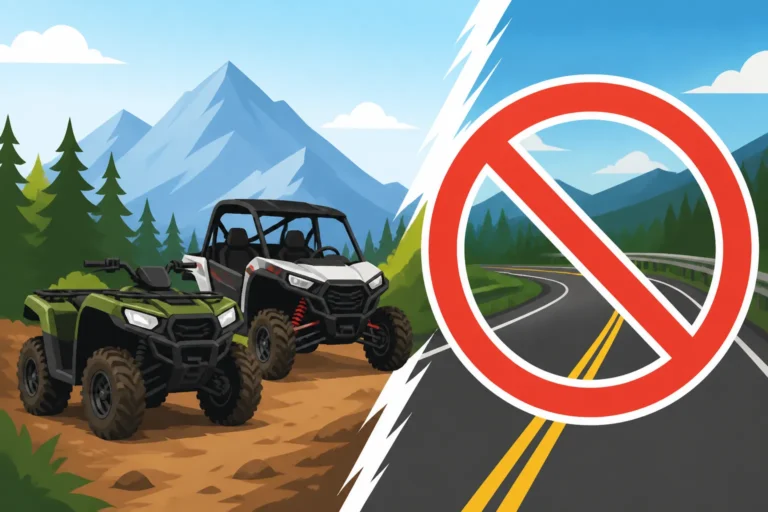
Here's a common point of confusion: while your ATV or UTV isn't "street legal" in the traditional sense – you can't just cruise down the highway to work – there are specific, limited circumstances where you absolutely must have basic road insurance. This is primarily for those moments when you need to cross a paved public road. Imagine you're on a trail system, and a short stretch of pavement or a low-traffic highway separates one section of Crown land from another. If you plan to legally cross that highway, even just at a stop sign or traffic light, your machine needs the minimum third-party liability coverage that ICBC provides for such specific maneuvers.
This isn't about covering your machine for highway travel, because [BC Has No Street-Legal Path for an ATV]. Instead, it's about covering your legal liability to others if, by some unfortunate circumstance, you cause an accident while performing a legal crossing of a road. This basic Autoplan coverage is minimal, covering the absolute basics for third-party injury or property damage you might inflict on a road-licensed vehicle or pedestrian during that brief crossing. The costs for this specific, limited-use coverage are set by ICBC, but it's important to understand it's a fixed, foundational piece for any rider who plans to touch pavement, however briefly or carefully. You can learn more about these rules in our guide to [BC Rules for Crossing a Highway].
The "Optional Yet Highly Recommended" for Forest Service Roads (FSRs)
Now, let's talk about Forest Service Roads (FSRs), which are often the lifeblood of off-road riding in BC. These are the gravel, dirt, and sometimes paved roads that crisscross much of our province's wilderness, granting access to incredible riding areas. But here's the catch: legally, if you're riding your ATV or UTV on a Forest Service Road, you are required to carry a minimum of $200,000 in third-party liability insurance. This isn't ICBC basic Autoplan; this is typically purchased through a private insurer.
Why the specific requirement for FSRs? Well, these aren't just recreational paths. FSRs are often active industrial roads, shared with massive logging trucks, heavy equipment, and other resource users. The potential for serious accidents and significant damages is very real. Imagine a collision with a loaded logging truck – the costs could be astronomical, and that $200,000 liability is there to ensure you can cover at least some of the potential damage and injury you might cause to others. This coverage provides a crucial layer of protection for you and other road users. It's a non-negotiable if you plan to explore the vast network of [BC Resource Roads Count as Crown Land] and all the adventures they offer. Don't skip this one; the fines and potential personal financial ruin from an accident without it are simply not worth the risk. For more on this, check out [BC Forest Service Road Requirements].
Voluntary Coverage for Crown Land and Beyond
Beyond the mandatory basic Autoplan for road crossings and the $200,000 FSR liability, there's a whole world of "voluntary" insurance that you should seriously consider. For general riding on what's considered unmanaged [BC Crown Land Access Rules] (areas not designated as FSRs or specific managed trail systems), there isn't a legal mandate to carry third-party liability insurance. However, this is where personal responsibility and financial prudence really come into play.
Think about it: what if you're out exploring and accidentally damage private property adjacent to Crown land? What if you collide with another rider, injuring them or damaging their machine? Or, even worse, what if you hit a wild animal, causing significant damage to your expensive new side-by-side? Without voluntary third-party liability coverage, you'd be personally on the hook for all those costs. This is often where riders seek policies that include collision (damage to your machine from an accident), comprehensive (damage from theft, fire, vandalism, falling objects), and additional liability to protect against legal claims.
Let's say you've invested in a fantastic new UTV, maybe even kitted it out with some sturdy SuperATV skid plates and a heavy-duty winch for those challenging trails. You certainly don't want to lose that investment to a rogue tree branch or an unfortunate tumble on a steep incline. While optional, most experienced riders will tell you that the peace of mind that comes with knowing your machine, and your finances, are protected is invaluable. The cost of this voluntary coverage varies significantly because it's based on many factors we'll explore next, but it's a critical component for responsible off-road enjoyment.
Factors That Drive Your BC ATV Insurance Premium Up or Down
So, you're ready to get some quotes, but why do some numbers seem so different from what your buddy is paying? There's no single price tag for ATV insurance in BC, and that's because many variables come into play. Understanding these can help you anticipate costs and even find ways to save a bit of cash.
Your Machine: Type, Value, and Modifications
The very first thing an insurer looks at is your machine itself. This makes sense, right?
A small, older 250cc youth quad is going to have a very different risk profile than a brand-new, high-performance 1000cc side-by-side.
Here's how your machine impacts the cost:
- Type of Machine: Is it a traditional ATV (quad), a side-by-side (UTV), a dirt bike, or a snowmobile? Generally, side-by-sides, being larger, often more powerful, and capable of carrying multiple passengers, tend to have higher premiums. They're also usually more expensive to repair if damaged. Dirt bikes and snowmobiles also have their own risk categories due to their specific uses and typical environments.
- Value of the Machine: This is pretty straightforward. A higher purchase price or replacement value means a higher potential payout for the insurance company if your machine is stolen, totalled, or requires extensive repairs. A pristine, low-hour machine will naturally cost more to insure for collision and comprehensive than a well-loved, decade-old workhorse.
- Modifications and Accessories: Did you upgrade your suspension, add a specialized roll cage, or install an aftermarket exhaust? Even practical additions like a SuperATV plow system or specialized tires can increase the insured value of your machine. Performance modifications might even be seen as increasing the risk of an accident. Be sure to disclose all modifications to your insurer, as failing to do so could lead to a claim being denied. It's a bummer to pay for insurance only to find out your souped-up engine isn't covered because you didn't mention it.
- Engine Size and Age: Larger, more powerful engines often correlate with higher premiums simply because they can be ridden faster and potentially cause more damage in an accident. Conversely, an older machine, while having a lower market value, might also be seen as more prone to mechanical failure, which can be a factor.
Your Riding Profile and Claims History
Just like with car insurance, you the rider, play a significant role in determining your premium. Insurers want to know who they're covering and what their history looks like.
- Driving/Riding Record: If you have a squeaky-clean driving record for your road-licensed vehicle, that often bodes well for your ORV insurance, especially for the liability portions. A history of accidents, traffic violations, or careless operation tickets, however, can certainly push your premiums higher. Insurers see this as an indicator of your overall risk level.
- Claims History: Have you made previous claims on any ATV, UTV, or even auto insurance policy? A history of claims, particularly for at-fault accidents, will almost certainly lead to higher rates. Insurers use this to predict future claims.
- Deductibles: This is one of the most direct ways you can influence your premium. A deductible is the amount of money you agree to pay out-of-pocket before your insurance coverage kicks in for a claim. Choosing a higher deductible (e.g., $1,000 instead of $500) will lower your annual premium because you're taking on more of the initial risk yourself. Just make sure you can comfortably afford your chosen deductible if you ever need to make a claim!
- Age and Experience: Younger riders, particularly those under 25, are often considered a higher risk due to less experience and a perceived greater likelihood of taking risks. This can result in higher premiums. For [BC Youth Riding Rules Explained], there are specific requirements for supervision and training that can also impact how insurers view a policy with a young operator. Older, more experienced riders with a clean record typically enjoy lower rates.
Where You Ride and What You Cover
The specific types of coverage you select and how you indicate you'll use your machine are also major cost drivers.
- Primary Usage Location: Do you primarily ride on private land, where liability risks are generally lower (though not absent)? Or do you frequently venture onto challenging FSRs and remote Crown land? Your stated primary riding environment can influence rates, particularly for liability components.
- Types of Coverage Selected: This is perhaps the biggest factor in your total annual cost. Are you just getting the bare minimum mandatory liability for FSRs and road crossings? Or are you investing in a comprehensive policy that includes collision, comprehensive, accident benefits, and potentially higher liability limits?
- Liability Only: Generally the cheapest, as it only covers damages or injuries you cause to others.
- Collision: Covers damage to your machine if you hit something or roll it. This adds significantly to the premium.
- Comprehensive: Covers damage to your machine from non-collision events like theft, fire, vandalism, or falling objects (a tree branch falling on it while parked, for instance). Also adds to the premium.
- Accident Benefits: Can cover medical expenses for you and your passengers after an accident, regardless of who was at fault.
- Seasonal Coverage (Lay-up): Many riders in BC don't ride their ATVs or UTVs year-round, especially in regions with heavy snowfall. Some insurers offer "lay-up" or seasonal policies where you can significantly reduce your coverage (and premium) during the off-season, essentially just covering against theft or fire while the machine is stored. This can be a great way to save money if your machine is parked for several months.
How to Get the Best Rate on Your BC ATV Insurance
Understanding all the factors is one thing, but how do you translate that into actual savings and a policy that genuinely fits your needs? It's about being proactive and informed.
Shop Around and Compare Quotes
This might sound obvious, but it's the single most effective strategy for finding competitive rates for your ORV insurance. Unlike basic car insurance which is largely standardized through ICBC, private ATV/UTV insurance is highly competitive. Different insurers have different risk assessments, policy structures, and target markets. What one company considers high-risk, another might view more favorably.
Don't just go with the first quote you get. Contact several different insurance brokers or companies. Many [BC Autoplan Brokers Handle ORV Registration] and also deal with private ORV insurance, so they can be a great starting point. Be prepared to provide detailed information about your machine, your riding habits, and your claims history. The more accurate information you provide, the more precise the quote will be. Some brokers even specialize in recreational vehicle coverage and might have access to unique programs or bundles that others don't. Take notes, ask questions, and don't be afraid to push for clarification on what exactly is (and isn't) covered.
Leverage Discounts and Bundling
Insurance companies love to reward what they perceive as lower-risk clients or those who bring them more business. Ask every broker you speak with about potential discounts. Here are some common ones:
- Safety Course Completion: If you've taken an ATV or UTV safety course (like those offered by the Canada Safety Council), many insurers will offer a discount. This demonstrates a commitment to safe riding practices. [BC ATV Safety Training Options] are a good investment for this reason, and for your safety!
- Club Memberships: Belonging to a recognized ATV or UTV club in BC (like the Quad Squad in the South Cariboo or the Okanagan Trail Riders) can sometimes earn you a discount. Clubs often promote safe riding and stewardship, which insurers appreciate. Check out [BC Club Memberships and What They Buy] to see what benefits are available.
- Bundling Policies: If you have home, auto, or other recreational vehicle insurance with a particular company, they may offer a discount if you bring your ATV/UTV policy to them as well. It's often cheaper for them to manage multiple policies for one client.
- Multi-Machine Discount: If you're insuring more than one ATV or UTV, ask about a multi-machine discount.
- Security Features: While less common for ATVs than for cars, some security features like a GPS tracker or an alarm system could potentially net a small discount, especially for comprehensive coverage. Even using robust physical security when storing your machine can show responsibility. Some SuperATV accessories like heavy-duty locking storage boxes might be worth mentioning to a broker as part of your overall security strategy.
- Good Driving Record: As mentioned earlier, a clean driving record for your road vehicle often translates to better rates for your off-road machine as well.
Understand Your Needs: Don't Over-Insure, Don't Under-Insure
The cheapest policy isn't always the best, and the most expensive isn't always necessary. The goal is to find the right policy for your specific situation.
- Assess Your Risk Tolerance: If you have an older, lower-value machine that you only ride on your own private property, you might decide that collision or comprehensive coverage isn't worth the premium. You're comfortable taking on the financial risk if something happens to your machine. However, even on private land, third-party liability is wise to protect against potential lawsuits if someone gets hurt or property is damaged.
- Consider Your Machine's Value: For a brand-new, expensive side-by-side, skimping on collision and comprehensive coverage could be a financially devastating mistake if the worst happens. The cost of replacing a modern UTV out-of-pocket is substantial.
- Where and How You Ride: If you regularly hit remote FSRs with steep climbs and challenging terrain, you're exposing yourself to more risk. Higher liability limits and robust collision coverage become much more important here. If you only putter around a flat field, your needs are different.
- Read the Fine Print: Always understand what your policy does and does not cover. Are there exclusions for certain types of riding (e.g., racing)? What are the limits on personal effects? What's the deductible for each type of coverage? Don't be afraid to ask your broker to walk you through the entire policy.
There's no magic number for BC ATV insurance cost per year because it's such a personal equation. But by understanding these layers of coverage and the factors that influence premiums, you're well-equipped to shop smart and find the protection you need for your off-road adventures.
BC ATV/UTV Insurance Coverage Overview
This table provides a quick summary of the common types of insurance for off-road vehicles in British Columbia.
| Type of Coverage | What It Covers | Is It Mandatory in BC? | Where to Get It |
|---|---|---|---|
| ICBC Basic Autoplan (Highway Crossing) | Minimal third-party liability for injury or property damage you cause while legally crossing a public highway (e.g., at a stop sign or traffic light). | Yes, for specific, legal highway crossings. | ICBC (through Autoplan brokers) |
| FSR Liability ($200,000) | Minimum $200,000 third-party liability for injury or property damage you cause while operating your ORV on a Forest Service Road (resource road). | Yes, for operation on FSRs. | Private Insurer |
| Voluntary Third-Party Liability | Covers your legal liability for injury to others or damage to their property (e.g., another ORV, fence, parked vehicle) when riding off-highway (not on FSRs or highways). | No (but highly recommended). | Private Insurer |
| Collision | Covers damage to your ATV/UTV from an accident, such as hitting a tree, rolling your machine, or colliding with another vehicle (on or off-road). | No. | Private Insurer |
| Comprehensive | Covers damage to your ATV/UTV from non-collision events like theft, fire, vandalism, falling objects (e.g., a tree branch), or animal strikes. | No. | Private Insurer |
| Accident Benefits | Covers medical expenses and other benefits for you and your passengers if injured in an accident, regardless of who was at fault. | No (may be included or optional with some private policies). | Private Insurer |
Disclaimer
This article is for general informational purposes only and does not constitute professional advice. Laws, prices and regulations vary by location and change over time. Consult a qualified professional for guidance on your specific situation.