Why a Ride-Astride Machine Always Needs a Helmet
Navigating the world of off-road vehicles in British Columbia can sometimes feel like trying to untangle a particularly stubborn knot, especially when it comes to understanding the rules around safety gear. Many riders, new and experienced alike, often scratch their heads wondering why their beloved quad always seems to require a helmet, yet their buddy's side-by-side might not. This guide is here to cut through the confusion and explain clearly why the BC Off-Road Vehicle Act mandates helmets for ride-astride machines, and what that means for your safety and your wallet.
The Core Distinction: Ride-Astride vs. Side-by-Side
One of the biggest sources of confusion for off-road enthusiasts in British Columbia stems from the fundamental difference between how the law views "ride-astride" machines, like your typical ATV, and "side-by-side" vehicles, often referred to as UTVs. While both are incredibly fun ways to explore BC's vast backcountry, their design philosophies are miles apart, and so are the safety requirements the province places upon their operators and passengers.
What Defines a "Ride-Astride" Machine in BC Law
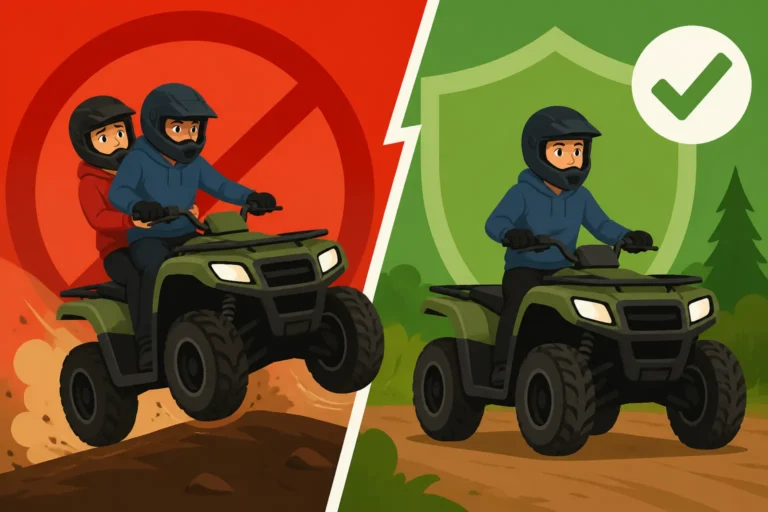
When the BC Off-Road Vehicle Act refers to a "ride-astride" machine, it's essentially talking about an All-Terrain Vehicle (ATV) where the rider literally straddles the engine and seat, much like riding a motorcycle. Think of your traditional quad – you swing a leg over, sit on the seat, and operate it with handlebars. This design leaves the rider incredibly exposed to the elements and, more critically, to potential impacts in the event of an accident. There's no protective cage around you, no seat belts to hold you in place, and very little to absorb a direct hit from a tree branch, a rock, or the ground itself if you happen to tumble.
The inherent risks with this riding posture are significant. If the machine rolls over, the rider can easily be thrown clear, pinned underneath, or suffer direct impact injuries. The rider's body is the primary point of contact with any obstacle or the ground in an unplanned dismount. This direct exposure to the forces of a collision or rollover is precisely why the BC government, like many other jurisdictions, takes a very firm stance on head protection for these types of vehicles. The human head, after all, is incredibly vulnerable, and even a seemingly minor bump can have catastrophic, life-altering consequences.
Why Side-by-Sides (UTVs) Have Different Rules
Now, let's talk about side-by-sides, or UTVs (Utility Task Vehicles). These machines represent a different approach to off-road travel. Instead of straddling a seat, you sit in a seat, often side-by-side with a passenger, much like a small car. The defining feature of most UTVs is their integrated roll cage and the presence of factory-installed seat belts. This design is intended to provide a much higher degree of occupant containment and protection. When a side-by-side rolls over, the roll cage is designed to absorb and deflect impact forces, creating a survival space for the occupants within. The seat belts, in turn, are there to keep you firmly secured within that protective cage, preventing ejection from the vehicle.
Because of this fundamental difference in design – the enclosed (or semi-enclosed) cabin, the roll cage acting as a primary safety structure, and the seat belts keeping you contained – the BC ORV Act allows for different safety equipment requirements. It recognizes that if you are properly belted into a vehicle equipped with a roll cage, the immediate risk of head injury from being ejected or directly impacting the ground is significantly reduced compared to a ride-astride machine. This isn't to say UTVs are impervious to accidents, but their design mitigates specific types of injury that are very common in ATV rollovers, particularly head trauma. This distinction is crucial for understanding [BC Rules for Riding a Side-by-Side] and why you might not always need a helmet in one.
The BC Off-Road Vehicle Act and Helmet Requirements
The province of British Columbia isn't just suggesting you wear a helmet on your ATV; it's a legal requirement, clearly laid out in the Off-Road Vehicle Act and its associated regulations. This legislation was put in place to standardize safety practices and reduce the alarming rate of injuries and fatalities associated with off-road vehicle use, particularly when riders are unprotected.
The Mandate for Helmets on Ride-Astride Machines
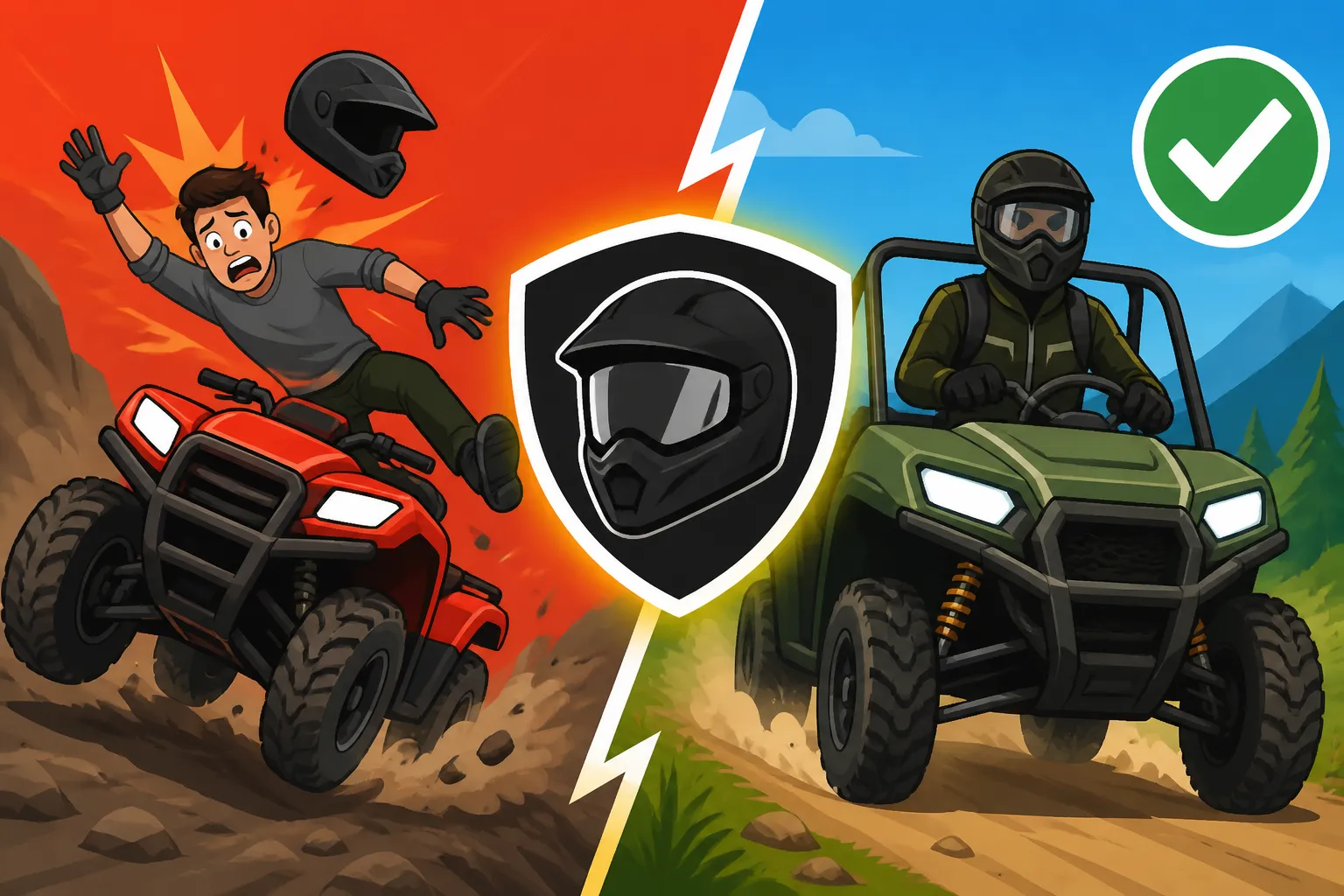
For anyone operating or riding as a passenger on a ride-astride off-road vehicle in British Columbia – meaning your quad or dirt bike – wearing an approved helmet is not optional; it's the law. The reasoning behind this is rooted deeply in injury prevention. ATVs, by their very nature, expose the rider to significant risks. They are powerful machines often ridden on challenging, unpredictable terrain. Rollovers are a constant threat, as is being thrown from the vehicle by an unexpected bump, a sharp turn, or a loss of control. In any of these scenarios, the head is incredibly vulnerable. A traumatic brain injury (TBI) can occur even from seemingly minor impacts, leading to permanent disability or death.
The BC government, after careful consideration of accident statistics and medical evidence, made the decision to mandate helmets to protect riders from these severe outcomes. Ignoring this rule isn't just risky for your health; it carries legal consequences. You could face fines for non-compliance, which certainly adds a sour note to any ride. It's not uncommon for Conservation Officers, RCMP, or other enforcement personnel to check for proper safety gear when patrolling popular riding areas or resource roads. They're not trying to spoil your fun; they're trying to save your life. For a deeper dive into the specifics, you can check out [BC ATV Helmet Law Explained].
When a Seat Belt Replaces a Helmet for UTVs
Contrast this with the situation for UTVs. The BC Off-Road Vehicle Act makes provisions for vehicles that offer alternative forms of occupant protection. Specifically, if your off-road vehicle is designed with a roll cage and is equipped with seat belts, and you are properly secured by those seat belts, then a helmet is generally not required by law while you are operating it on Crown land or resource roads. This acknowledges the engineering difference: the roll cage acts as your primary head protection by maintaining a survival space, and the seat belt keeps you inside that space.
However, it's critical to understand the nuances here. This exemption applies if the UTV has these safety features and if you are actually using them. If you own a UTV with a roll cage and seat belts but choose not to buckle up, you are compromising your safety and could potentially still be cited for unsafe operation or lack of proper safety equipment depending on the exact circumstances and interpretation by an officer. Furthermore, some private tour operators or clubs might still require helmets even in UTVs, especially for beginner riders or in particularly challenging terrain, as an added layer of safety. The law sets the minimum, but personal responsibility and additional safety measures are always encouraged.
Practical Implications for Riders and Passengers
Understanding the "why" behind the helmet law is one thing, but knowing the "how" and "what" for your actual riding experience is equally important. It's not just about slapping any helmet on your head; it's about choosing the right one and understanding the very real consequences of not adhering to the rules.
What Kind of Helmet Do You Actually Need?
If you're riding a ride-astride machine in BC, you need an approved helmet. But what does "approved" actually mean? Essentially, it means a helmet that meets recognized safety standards. The most common standards you'll see are:
- DOT (Department of Transportation): This is a US standard, but widely accepted. You'll usually see a sticker on the back of the helmet.
- Snell: A more rigorous, non-profit testing standard that often exceeds DOT requirements. Snell certification means a helmet has passed tougher impact tests.
- ECE (Economic Commission for Europe): This is a European standard, also widely accepted globally for its strict testing protocols.
When you buy a helmet, always look for one of these certification marks. It's your assurance that the helmet has been tested and proven to offer a certain level of protection. Beyond certification, consider the fit. A helmet that's too loose won't protect you effectively, and one that's too tight will be incredibly uncomfortable and distracting. It should sit snugly on your head without causing pressure points, and you should not be able to rotate it significantly side-to-side or front-to-back. Full-face helmets offer the most comprehensive protection for your head and face, which is especially wise when you consider the potential for impacts with branches, rocks, or even just roost from other riders. Always ensure your helmet is in good condition; a helmet that has been involved in an impact, even if it looks fine on the outside, might have compromised integrity and should be replaced. For more details on what to look for, check out [BC Helmet Standards in the Regulation].
Risks of Not Wearing a Helmet on an ATV
The risks of riding an ATV without a helmet in BC are twofold: legal and personal. On the legal front, failing to wear an approved helmet can result in a violation ticket. These fines are not trivial and can quickly add up, turning an otherwise enjoyable day on the trails into a costly mistake. Enforcement officers, whether RCMP, Conservation Officers, or other authorized personnel, have the authority to issue these tickets, and they frequently patrol areas popular with off-road enthusiasts to ensure compliance. Just because you're out in the wilderness doesn't mean the rules don't apply. You can also face [BC Penalties for Riding Unregistered] or [BC Fines for Careless Operation] if other safety aspects are not met.
Far more serious than the financial penalty, however, is the risk to your personal health. Head injuries can range from concussions, which can have lingering effects on cognitive function and mood, to severe traumatic brain injuries that result in permanent neurological damage, paralysis, or even death. Imagine a scenario where you're enjoying a ride with friends, hit an unexpected rut, and your ATV rolls. Without a helmet, your head is completely unprotected against the unforgiving ground or the machine itself. A split second is all it takes for a life-altering injury. Riders who argue "it's just a quick ride" or "I'm not going fast" often forget that accidents can happen at any speed, in any terrain, and usually when you least expect them. The helmet isn't just a piece of gear; it's a critical piece of life-saving equipment.
Beyond the Law: Why Safety is Always Paramount
While adhering to BC's ORV Act is a must, true safety on the trails extends beyond merely following the letter of the law. It's about understanding the inherent dangers of off-road riding and proactively taking steps to protect yourself and your passengers. Even with legal exemptions for UTVs, a proactive approach to safety can make all the difference.
Understanding the Dynamics of an ATV Accident
ATVs are incredibly capable machines, designed to tackle rough and varied terrain. However, this capability comes with a certain level of unpredictability. The dynamics of an ATV accident are complex. Unlike a car that might crumple and absorb impact, ATVs are more prone to rollovers and ejections. A simple misjudgment of terrain, an unexpected obstacle hidden by tall grass, or a sudden shift in weight can send a quad tumbling. When this happens, the rider can be violently separated from the machine, or worse, become pinned underneath its weight. The forces involved, even at relatively low speeds, are substantial.
Imagine hitting a hidden rock at 30 km/h; the sudden deceleration and change in direction can throw you forward or sideways with immense force. Your body, especially your head, can become a projectile impacting whatever is in its path – trees, rocks, or the ground itself. Even if you're an experienced rider, the BC backcountry offers endless opportunities for surprise. A well-fitted, certified helmet significantly reduces the severity of head injuries by distributing the impact force over a wider area and absorbing much of the energy, rather than allowing your skull to bear the brunt directly. This is a critical consideration whether you are riding on [BC Crown Land Riding Explained] or a designated trail system.
The Role of Aftermarket Accessories for UTV Safety
For UTV owners, while the law might not always mandate a helmet (given the presence of roll cages and seat belts), many riders still choose to wear them, especially in challenging terrain or during higher-speed activities. This is where personal preference and an understanding of advanced safety come into play. Reputable companies like SuperATV offer a wide range of aftermarket accessories that can further enhance the safety of your UTV. These might include:
- Enhanced Roll Cages: For those who want even greater protection than what the factory cage offers, or to customize their ride with different designs.
- Four or Five-Point Harnesses: Moving beyond standard automotive-style seat belts, racing harnesses provide superior occupant containment, keeping you more securely planted in your seat during aggressive riding or rollovers.
- Full Doors and Windshields: These can protect occupants from flying debris, branches, and other hazards that might enter the cabin during a ride.
- Skid Plates and A-Arm Guards: While not directly occupant safety items, protecting the underside of your UTV prevents damage that could lead to a loss of control, indirectly contributing to safety.
Many UTV riders opt for these upgrades not because the law requires them, but because they prioritize their safety and the safety of their passengers. It's a proactive choice to mitigate risks and make the off-road experience as secure as possible. Whether it's choosing a better helmet for your ATV or upgrading the safety features of your UTV, investing in protection is always a wise decision.
| Feature / Requirement | Ride-Astride Machines (ATV/Dirt Bike) | Side-by-Side Machines (UTV) |
|---|---|---|
| Legal Helmet Requirement | Mandatory for operator and all passengers | Generally not mandatory if equipped with a roll cage and seat belts, and occupants are belted |
| Primary Safety Feature | Approved helmet (DOT, Snell, ECE) | Roll cage, manufacturer-installed seat belts |
| Rider Exposure | High (fully exposed to elements and impacts) | Lower (semi-enclosed cabin offers some protection) |
| Rollover Risk Mitigation | Helmet protects head upon impact/ejection | Roll cage maintains survival space; seat belts prevent ejection |
| Common Accidents | Ejection, head trauma, pinning under vehicle | Rollovers, impacts within cabin, limb injuries |
| Aftermarket Safety Options | Helmets, protective gear (pads, chest protectors) | Enhanced roll cages, multi-point harnesses, full doors, reinforced chassis components |
| Legal Basis | BC Off-Road Vehicle Act and Regulations | BC Off-Road Vehicle Act and Regulations |
Disclaimer
This article is for general informational purposes only and does not constitute professional advice. Laws, prices and regulations vary by location and change over time. Consult a qualified professional for guidance on your specific situation.