BC ATV Insurance Requirements
Navigating the world of ATV and UTV insurance in British Columbia can feel like trying to find your way through a dense forest without a map. It’s not always as straightforward as insuring your car, and many riders find themselves scratching their heads, wondering exactly what they need, when they need it, and who to even ask. This guide is here to untangle that knot, walking you through the essential insurance requirements and options for your off-road machine in BC, so you can ride with confidence and peace of mind.
Understanding the Basics: Why Insurance for Your ATV or UTV in BC Can Feel Like a Puzzle
It’s completely understandable why BC riders often get confused about ATV and UTV insurance. Unlike the clear-cut rules for road vehicles, off-road machines operate in a grey area, with requirements shifting depending on where you're riding. This isn't just a minor detail; it's the difference between a worry-free day on the trails and potentially facing significant financial repercussions if something goes wrong.
The Core Rule: Mandatory Insurance Where It Counts
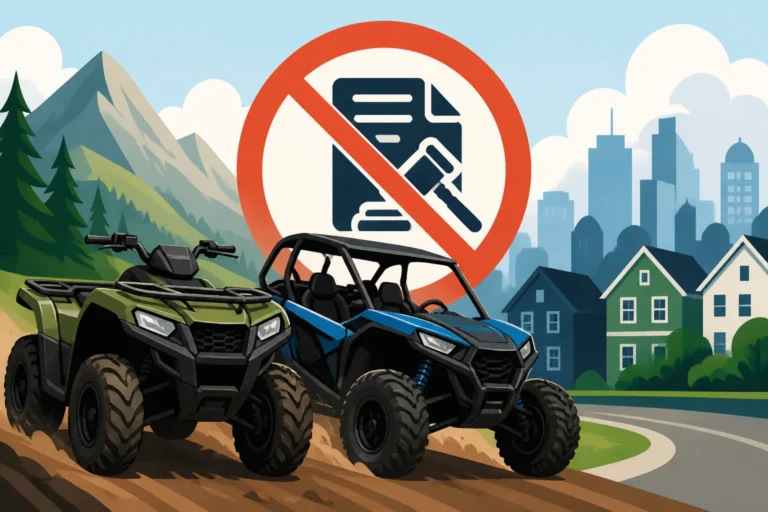
The biggest source of confusion often revolves around where insurance is actually mandatory. Many assume it's always optional for an off-road machine, but that's not quite right. While you might not need a full Autoplan policy just to ride on undeveloped Crown land, there are specific situations where liability insurance isn't just a good idea, it's the law. The province has put specific protections in place that dictate minimum coverage in certain high-traffic or regulated areas.
For instance, if you're venturing onto a Forest Service Road (FSR), often the gateway to incredible backcountry experiences, you absolutely need liability insurance. These roads, though unpaved and often remote, are considered part of a regulated network where accidents involving industrial traffic or other recreational users can happen. The potential for serious collisions with logging trucks or other heavy equipment means the stakes are incredibly high. Without that mandatory coverage, you're exposing yourself to enormous financial risk. We've heard countless stories of riders thinking they were fine, only to find out the hard way that an FSR is not just "any trail." For more specifics on what's expected on these routes, check out [BC Forest Service Road Requirements].
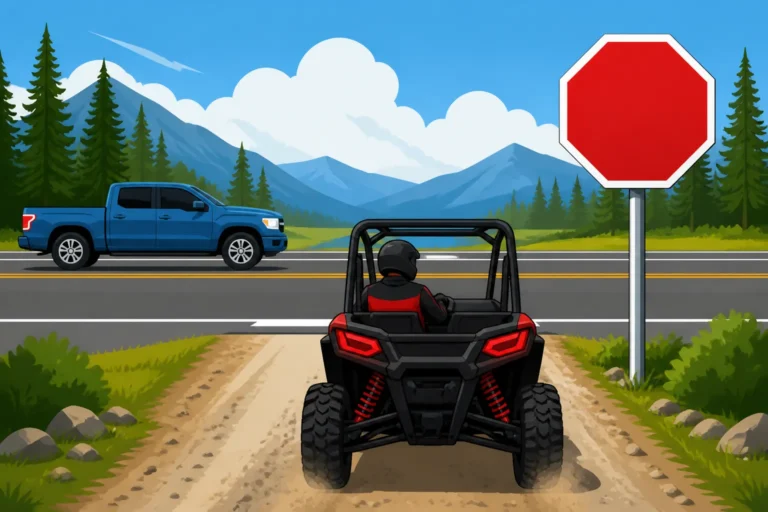
Another area where mandatory insurance kicks in is when you need to cross a highway. It might just be a short hop from one trail system to another, or moving from a staging area on one side of the road to the other, but any time your wheels touch paved provincial or municipal roadways, even for a brief moment, you're entering the realm of the Motor Vehicle Act. This means your off-road vehicle temporarily falls under the same basic insurance requirements as any other road vehicle. It’s a brief but crucial intersection of laws, and skipping this step can lead to fines and massive liability if you're involved in an incident. Understanding these specific rules is key to avoiding trouble, so if you're planning any highway crossings, be sure to brush up on [BC Rules for Crossing a Highway]. Even if you have a police-issued operation permit to cross a highway, that permit comes with conditions, including the requirement for basic insurance.
Voluntary Coverage for Your Peace of Mind
Beyond the legally mandated requirements, there's a whole world of voluntary insurance options that savvy BC riders consider. For many, riding is an investment – not just in the machine itself, but in the lifestyle and the memories created. Protecting that investment, and your future, often means going above and beyond the minimum. Think about all those amazing customizations, like that robust SuperATV winch or those upgraded tires you’ve installed; these can add significant value to your machine, making it even more important to protect.
While riding on vast stretches of undeveloped Crown land, like the immense wilderness areas found across most of BC, you aren't legally required to carry liability insurance. But let's be realistic: accidents can happen anywhere. You could collide with another rider, damage someone's property, or even accidentally injure a bystander. In these scenarios, without voluntary liability coverage, you'd be personally responsible for all damages and legal costs. Imagine the stress and financial burden of having to pay for medical bills or property repairs out of your own pocket. It's a risk many riders aren't willing to take, and for good reason. It's truly about protecting yourself from the unforeseen, even when the law doesn't explicitly force your hand. For a deeper dive into this, read up on [BC Liability Is Voluntary on Other Crown Land].
Then there's the protection for your actual machine. Collision coverage helps repair or replace your ATV or UTV if it's damaged in an accident, whether you hit a tree, roll it on a steep hill, or collide with another vehicle. Comprehensive coverage, on the other hand, protects against things like theft, vandalism, fire, or damage from natural events. Considering the value of these machines, especially if you've invested in a newer model or added substantial modifications, having this coverage can be a huge relief. Think about leaving your machine parked at a staging area while you hike, or even storing it in your shed during the off-season. Knowing that it's protected from theft or fire, regardless of where it is, allows you to enjoy your off-road adventures without that nagging worry in the back of your mind. It’s the difference between a minor setback and a complete financial loss.
Where to Get Your ATV/UTV Insurance in BC: Navigating the Options
When it comes to insuring your ATV or UTV in British Columbia, you're not entirely left to figure it out alone. There are established pathways, but knowing which one applies to your specific needs is key. It's a bit like choosing the right trail for your skill level – some are more straightforward, others require a bit more navigation. The important thing is to understand the landscape of options available to you.
ICBC and the Basic Autoplan Connection
In British Columbia, the Insurance Corporation of British Columbia (ICBC) plays a primary role in vehicle insurance. While your off-road machine isn't primarily a road vehicle, there's a crucial intersection where ICBC comes into play: registration and the basic liability for specific scenarios. When you register your ATV or UTV in BC, you'll be dealing with an Autoplan broker, and part of that process often involves discussing the mandatory insurance for those specific legal triggers we talked about. This initial registration is where many riders get their first taste of the insurance world for their off-road machine.
The basic Autoplan coverage obtained through an ICBC broker typically provides the mandatory liability required for those highway crossings or for operating on Forest Service Roads. It’s not a full, year-round, always-on policy for all your off-road activities, but it fulfills those specific legal minimums. This is why it’s so important to go through the proper registration process; it's your gateway to legally operating your machine where these rules apply. It's definitely worth understanding what you're getting and where it applies. If you're wondering about the timing of this, know that [BC Insurance Bought With Registration] is typically handled at the same time as your initial paperwork.
Many riders will find that the minimum required for FSRs is handled through this system. Think of it as the foundational layer of protection for those specific regulated environments. It addresses the legal requirements for interacting with the public road system and certain Crown land access points. While it might not cover every scratch or ding on your machine, it's the bare minimum required to avoid legal penalties and cover your liability in regulated scenarios. For a clearer picture of what this basic coverage entails, especially for a quad, check out [Basic Autoplan on a Quad].
Private Insurers: Expanding Your Protection
While ICBC handles the mandatory basic liability for certain situations, private insurance companies are where you’ll turn for more comprehensive, all-encompassing protection for your ATV or UTV. These companies offer policies specifically designed for off-road vehicles, going far beyond the minimums to cover a wider range of risks and provide true peace of mind. Many riders quickly realize that the basic coverage simply isn't enough to protect their investment and their financial future.
Private insurers can offer collision coverage, which helps repair or replace your machine if you're involved in an accident, whether it's a rollover on a challenging trail or a fender-bender with another ATV. They also offer comprehensive coverage, which is invaluable for protecting against theft, fire, vandalism, or damage from natural events like floods or falling trees. Imagine the anguish of having your prized UTV stolen from your driveway; a private comprehensive policy means you're not left to bear that entire financial loss alone. This is particularly important if you’ve invested in high-value accessories like a SuperATV lift kit, a heavy-duty bumper, or specialized lighting, as these items represent a significant chunk of your machine's overall value.
Shopping around with different private insurers is highly recommended. Just like buying any other big-ticket item, prices and coverage details can vary significantly between providers. Some companies might specialize more in recreational vehicles and offer better rates or more tailored packages. It's an opportunity to find a policy that truly fits your riding habits, your machine's value, and your budget. Don't be afraid to ask for multiple quotes and compare the offerings side-by-side; it could save you a substantial amount of money and ensure you have the coverage you need. Many riders discuss [BC Insurance Price Gaps Riders Talk About], highlighting the importance of thorough comparison.
Club Memberships and Potential Discounts
Another avenue worth exploring for potential insurance benefits is through off-road vehicle clubs. Across BC, there are many active ATV and UTV clubs dedicated to trail maintenance, advocacy, and fostering a strong riding community. Beyond the camaraderie and access to organized rides, some of these clubs have arrangements that can benefit their members when it comes to insurance.
While a club membership isn't a substitute for actual insurance, it can sometimes open doors to group rates or discounts from affiliated private insurers. These arrangements are often negotiated due to the collective buying power of the club's members, or because members are generally seen as more responsible riders who support safe practices and trail etiquette. It's definitely worth inquiring with any local or provincial ATV/UTV clubs you're considering joining about any insurance partnerships or benefits they might offer. Information on what these memberships entail can be found by researching [BC Club Memberships and What They Buy].
These discounts can sometimes apply to specific types of coverage, or even to the overall premium. Every bit helps, especially when you're looking to get comprehensive coverage for your machine. It’s a win-win: you get to be part of a vibrant riding community, contribute to the sport, and potentially save some money on your insurance too. Exploring [Insurance Discounts That Come With Club Membership] could be a smart move for any rider looking to optimize their costs without compromising on protection.
What Kind of Coverage Do You Actually Need? Deconstructing Your Options
Deciding on the right insurance for your ATV or UTV in BC isn't just about meeting minimum legal requirements; it's about making informed choices to protect yourself, your finances, and your machine from the myriad of risks that come with off-road adventures. It’s about understanding the specific types of coverage and how they apply to the real-world situations you might encounter.
Liability Insurance: Protecting Against the Unexpected
Liability insurance is the bedrock of any vehicle policy, whether it’s for your car or your ATV. Simply put, it protects you if you're deemed responsible for causing damage or injury to another person or their property. This isn't about fixing your machine; it's about covering the costs associated with the harm you might inflict on others while operating your off-road vehicle. Without adequate liability coverage, a single serious incident could lead to devastating financial consequences, including lawsuits that could wipe out your savings.
Think about a scenario where you're riding on a busy Forest Service Road, perhaps coming around a blind corner, and you accidentally collide with another recreational user's vehicle, or worse, a logging truck. Or perhaps you lose control on a trail and damage a fence belonging to a nearby private property owner. In these situations, liability insurance steps in to cover the cost of repairs to the other vehicle or property, as well as any medical expenses for injured parties. This is especially critical on FSRs, where you are legally required to carry a minimum level of liability. The minimum coverage for operating on these roads is typically [BC Resource Road Insurance of $200,000], but many riders wisely choose to carry higher limits. The cost of a serious injury or extensive property damage can easily exceed these minimums, leaving you on the hook for the remainder.
Even when you're riding on Crown land where liability insurance isn't legally mandated, having it is incredibly prudent. An unfortunate accident, a lapse in judgment, or even just an unexpected mechanical failure could lead to you causing damage. Having liability coverage means you're not facing those potential financial disasters alone. It ensures that if the worst happens, you have a financial safety net that allows you to continue enjoying your passion without the constant fear of a ruinous lawsuit.
Collision and Comprehensive: Protecting Your Own Machine
While liability insurance protects others, collision and comprehensive coverage are all about protecting your investment – your ATV or UTV itself. These are the coverages that step in when your machine gets damaged, whether it's from an accident or something completely out of your control. For many riders, their off-road vehicle represents a significant financial commitment, often on par with a small car, so protecting it makes absolute sense.
Collision coverage is pretty straightforward: it pays for the repair or replacement of your ATV or UTV if it's damaged in an accident, regardless of who is at fault. This could be anything from rolling your machine on a steep hill, backing into a tree at a staging area, or colliding with another off-road vehicle on the trail. If you've ever seen the price tag on parts and labour for a damaged quad or side-by-side, you'll know that these costs can quickly add up. For example, replacing a bent frame, repairing engine damage, or even just replacing a smashed fender can be incredibly expensive. This coverage ensures that your adventure doesn't end with a total financial loss if an accident occurs.
Comprehensive coverage, on the other hand, protects your machine from damages that aren't collision-related. Think of it as protection against everything else: theft, vandalism, fire, natural disasters like hailstorms or floods, and even damage from striking an animal. This is especially vital given that ATVs and UTVs can be targets for theft, whether they're parked at your cabin, in your garage, or on a trailer at a trailhead. It also covers those unexpected events, like a tree falling on your machine during a storm. If you’ve invested in quality aftermarket parts, like a SuperATV roof, windshield, or portal gear lift, comprehensive coverage helps ensure these valuable additions are also protected, rather than just the stock machine. It's peace of mind knowing that whether you're out on the trails or your machine is simply sitting in storage, it's covered against a wide array of potential misfortunes.
Accessory Coverage and Uninsured Motorist Protection
Beyond the main categories, there are a couple of specialized coverages that can be particularly valuable for ATV and UTV owners. Accessory coverage and uninsured motorist protection address specific concerns that many off-road enthusiasts face.
Most standard insurance policies have limits on how much they’ll pay for aftermarket accessories and customizations. If you’ve spent a lot of money upgrading your machine with things like winches, specialized suspension, custom lighting, sound systems, or even just a high-end GPS unit, you’ll want to ensure these investments are protected. Accessory coverage, often an add-on or rider to your main policy, allows you to declare the value of your modifications and ensure they are covered in the event of damage or theft. Without it, you might find that your claim only covers the stock value of your machine, leaving you out of pocket for all those expensive upgrades. It’s crucial to discuss all your add-ons with your broker, especially if you have significant enhancements, to ensure you're fully covered.
Uninsured motorist protection is another critical consideration. While mandatory insurance requirements exist for certain areas, and we all hope everyone abides by the law, the reality is that some riders might operate their machines without proper coverage, or even without registration. If you're involved in an accident with an uninsured or underinsured rider, and they are at fault, this coverage steps in to cover your medical expenses and damage to your machine that would normally be paid by the at-fault party's insurance. It's a layer of protection against the irresponsibility of others, ensuring you're not left to shoulder the burden of someone else's negligence. Given the sometimes remote nature of off-road riding, and the potential for encountering operators who aren't fully compliant, this coverage can be a very wise investment for your peace of mind.
Practical Steps for Securing Your ATV/UTV Insurance
Getting your ATV or UTV properly insured in BC doesn't have to be an overwhelming process. By breaking it down into a few clear steps, you can ensure you get the right coverage without too much hassle. It’s all about being prepared and knowing what questions to ask.
Gathering Your Information
Before you even pick up the phone or walk into an insurance broker's office, having all your machine's details handy will make the process much smoother. Insurance providers need specific information to accurately quote and underwrite a policy. This isn't just a formality; these details directly impact the type of coverage available and the premium you'll pay.
You'll definitely need your machine's Vehicle Identification Number (VIN). This unique serial number is like your ATV's fingerprint and is crucial for identification, registration, and insurance purposes. Make sure you know where it’s located on your machine and have it accurately written down. Along with the VIN, be ready with the make, model, and year of your ATV or UTV. These details help the insurer understand the base value and specifications of your machine. Having your registration papers close by is also a huge help, as they contain most of this core information. If you’re not sure what paperwork you need, take a look at our [BC Registration Paperwork Checklist] to ensure you have everything ready.
Beyond the machine itself, be prepared to discuss how you use it. Do you ride year-round or seasonally? Do you stick to local trails, or do you frequently venture onto FSRs and other regulated areas? Do you use it for recreation only, or does it have any commercial or farm use? Your answers will help the broker tailor a policy that genuinely fits your needs and doesn't leave any gaps in coverage for your specific riding style. The more information you provide upfront, the more accurate and comprehensive your quote will be.
Shopping Around and Comparing Quotes
Once you have all your information together, the next crucial step is to shop around. Just like you wouldn't buy the first ATV you see without looking at other models, you shouldn't settle for the first insurance quote you receive. Insurance markets can be competitive, and different companies often have varying rates and policy features, especially for specialized vehicles like ATVs and UTVs.
Don't hesitate to contact multiple insurance brokers and private insurers. You might find that one company offers better rates for specific models, or has more flexible options for accessory coverage. When you're talking to brokers, be thorough and ask lots of questions. Inquire about exactly what's covered on various terrains: What’s included when you’re on Crown land versus a private logging road? What are the specific limits for liability? Are your expensive SuperATV accessories automatically included, or do you need a separate rider? A good broker will be patient and explain all the nuances of the policy. Asking the right questions upfront can prevent misunderstandings and unpleasant surprises down the road. For more common inquiries, see [BC Registration Questions Brokers Hear].
Make sure you’re comparing apples to apples. If one quote seems significantly cheaper, scrutinize what's not included. Does it have a much higher deductible? Lower liability limits? Is it missing comprehensive coverage that you really want? A seemingly good deal might hide critical gaps in protection. Taking the time to compare policies side-by-side will ensure you’re not just getting the cheapest option, but the best value option that truly meets your needs and provides adequate protection.
Understanding Your Policy and Keeping Proof
Finally, once you’ve chosen an insurance policy, don't just file it away and forget about it. Take the time to actually read and understand the terms and conditions. Pay close attention to your coverage limits, deductibles, and any exclusions. Knowing exactly what your policy covers, and what it doesn't, is vital for managing expectations if you ever need to make a claim. If there's anything unclear, call your broker back and ask for clarification. It's far better to understand it now than to discover a gap in coverage when you desperately need it.
Another absolutely critical point for any BC rider is carrying proof of insurance with you whenever you operate your machine. Whether it's a physical paper copy, a digital version on your phone, or both, you need to be able to produce it if requested by a law enforcement officer or conservation officer. This is not just a formality; it's a legal requirement in areas where insurance is mandatory, such as on Forest Service Roads. Imagine being stopped for an inspection and being unable to prove you're covered – that can lead to fines and other complications. Make sure your proof of insurance is easily accessible, perhaps in a waterproof pouch along with your [BC Insurance Proof on the Trail].
And while we’re talking about carrying documents, remember that you also need to carry your Certificate of Registration when you ride. That little piece of paper is just as important as your proof of insurance, especially since [Carrying Your Certificate of Registration on Every Ride] is a provincial requirement. Having all your documents in order ensures that your adventures remain hassle-free and compliant with BC's regulations.
| Coverage Type | What It Covers | When It's Mandatory (Typically) | When It's Recommended (Always) | Key Benefit |
|---|---|---|---|---|
| Liability | Damage/injury you cause to others or their property | FSRs, Highway Crossings | All riding, especially Crown Land | Protects your finances from third-party claims |
| Collision | Damage to your own ATV/UTV from an accident (e.g., rollover) | Never mandatory | For expensive machines, aggressive riding, high-risk areas | Repairs/replaces your machine after an impact |
| Comprehensive | Damage to your own ATV/UTV from non-collision events | Never mandatory | For all machines, protecting against theft, fire, vandalism | Protects against theft, fire, natural disasters, vandalism |
| Accessory | Added value of aftermarket parts and customizations | Never mandatory | If you've invested in significant upgrades (e.g., SuperATV) | Ensures your valuable modifications are also covered |
| Uninsured Motorist | Your expenses if hit by an uninsured/underinsured rider | Never mandatory | General protection against others' lack of coverage | Covers you when the at-fault party can't pay |
Disclaimer
This article is for general informational purposes only and does not constitute professional advice. Laws, prices and regulations vary by location and change over time. Consult a qualified professional for guidance on your specific situation.