Service BC and the Declaration
One of the most common headaches for off-road vehicle enthusiasts in British Columbia, especially those with an older quad or side-by-side, is the seemingly impossible task of proving ownership when a clean paper trail simply doesn't exist. You've got this awesome machine, maybe you inherited it, or bought it years ago with a handshake and a crumpled receipt, and now you're faced with the provincial requirement to register it. Suddenly, you realize you don't have every single bill of sale from every prior owner. This guide is here to walk you through how a statutory declaration, often facilitated through resources like Service BC, can be your lifeline in establishing ownership and finally getting your machine registered.
Understanding the Statutory Declaration for Your ORV
Let's face it, navigating the paperwork for your ATV or UTV in British Columbia can feel like a maze, especially when you're dealing with a machine that has seen a few owners over the decades. The Province wants a clear line of ownership, a complete story from the moment the machine was new right up to you. But what if that story has missing chapters? That's precisely where a statutory declaration steps in, acting as a crucial bridge over those documentation gaps. It's a formal, sworn statement that can help establish your ownership when traditional bills of sale are nowhere to be found.
What Exactly is a Statutory Declaration?
At its heart, a statutory declaration is a written statement of facts that you solemnly declare to be true, and it's witnessed by an authorized individual. Think of it as putting your hand on a bible and swearing to tell the truth, but in written form. In the context of registering an off-road vehicle (ORV) in BC, this document becomes your sworn testimony about how you acquired the machine and its ownership history as far as you know it. It's not just a casual note or a friendly letter; it carries legal weight and consequences if you knowingly provide false information. The importance of this document cannot be overstated, as it provides a formal, legal representation of your claim to the vehicle when other physical proof is lacking. Without it, an Autoplan broker might simply be unable to process your registration, leaving you stuck with an unregistered machine.
This declaration serves as a substitute for a missing bill of sale, but it's more than just an "I own this" statement. It needs to contain specific details, painting a picture of how the ORV came into your possession. This might include the date of acquisition, the person or entity you acquired it from, the purchase price (even if it was a nominal amount or a trade), and any circumstances that explain the absence of a traditional bill of sale. For instance, if you inherited the machine from a family member, the declaration would outline that fact, including relevant dates and your relationship to the deceased. The broker needs this detailed narrative to ensure that a reasonable attempt has been made to reconstruct the ownership chain, even if some links are missing actual sales receipts.
When You'll Need One for BC ORV Registration
The need for a statutory declaration typically arises when there's a break in the "continuity of ownership" for your ORV. British Columbia's Off-Road Vehicle Act requires that when you register an ORV, you need to prove who the previous owner was and how ownership transferred to you. This ideally means having a bill of sale for every transaction leading back to the original retail purchase. But let's be realistic: for older machines, this is often a pipe dream. You might have bought a used quad from a private seller, and they only had their bill of sale, not the one from the person they bought it from, and so on. This creates a gap in the documentation.
Consider a common scenario: you bought a used ATV from a buddy who's now moved out of province and is unreachable. He gave you a handwritten receipt, but it wasn't a formal bill of sale, and he never had one from the person he bought it from years ago. You just wanted to hit the trails, and paperwork wasn't top of mind back then. Now, with [BC Registration Became Mandatory in 2015], you realize you need a more robust paper trail. In this instance, a statutory declaration would be your primary tool to explain this situation, declaring under oath how you acquired the machine from your buddy, when, and why you don't have the full ownership history. It's your official way of saying, "Here's what I know, and I swear it's true." This is particularly useful for [BC Registration Without a Bill of Sale] or when dealing with [BC Machines With No Paperwork].
Another frequent situation involves inherited machines. Perhaps your grandparent had a trusty old quad they used on their farm for decades, and upon their passing, it came to you. While you have sentimental value and a clear family connection, you likely don't have a bill of sale from when they bought it in 1985. An estate might provide some documentation of their ownership, but not the acquisition. Here, a statutory declaration would detail your relationship to the deceased, how the machine was transferred to you (e.g., as part of an estate), and why there's no original bill of sale. It's about filling in those blanks in the most legally binding way possible. The concept of [BC Ownership Chains Going Back Decades] often necessitates this approach, especially for vintage machines that might have changed hands countless times without formal documentation.
Service BC's Role in the Declaration Process
Okay, so you understand why you need a statutory declaration. Now, the practical question: how do you actually get one done? While many types of professionals can witness a statutory declaration, Service BC centres are often a convenient and accessible option for many residents across the province. They offer a range of government services, and getting a declaration sworn is one of the administrative tasks they can help with.
Where Service BC Comes In
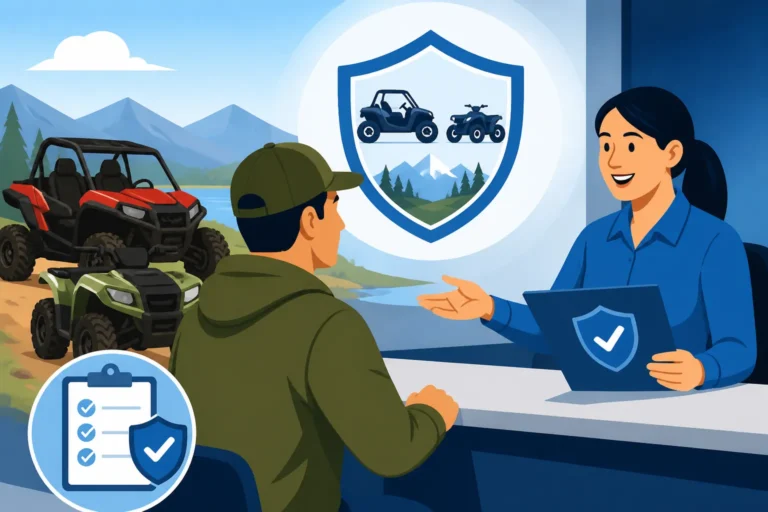
Service BC offices are essentially one-stop shops for various provincial government services, and that often includes commissioners for taking affidavits or statutory declarations. When you visit a Service BC location, you can typically find someone authorized to witness your signature on a statutory declaration. This is a crucial step because your declaration isn't legally binding unless it's sworn before a qualified individual, such as a commissioner for taking affidavits, a notary public, or a lawyer. The staff at Service BC are typically trained and authorized to perform this function, making it a straightforward process for many people who might not have easy access to a lawyer or notary.
It’s important to understand that while Service BC can witness your declaration, they don't necessarily draft it for you. You'll need to come prepared with the document already filled out, or at least a good understanding of what needs to be included. Their role is to verify your identity, ensure you understand the seriousness of what you're declaring, and then witness your signature. They're there to facilitate the legal act of swearing the declaration, not to provide legal advice or help you construct your ownership narrative. Many people find this service incredibly convenient because Service BC offices are numerous and generally have accessible hours. While other options exist, like seeking out a notary public or lawyer, Service BC offers a reliable and often cost-effective way to get your declaration formally witnessed.
Preparing for Your Visit to Service BC
Walking into a government office without being fully prepared can lead to frustration and wasted time. To make your visit to Service BC as smooth as possible, you'll want to have a few things in order. First and foremost, you'll need the statutory declaration form itself. While Service BC might have generic forms available, it's often better to come with a template specifically designed for statutory declarations, which you can customize with your ORV's details and ownership history. Resources like LawDepot offer templates for statutory declarations that can be adapted to fit your specific needs, providing a good starting point for ensuring all necessary legal language is included.
Before you go, meticulously gather all the information you have about your ORV. This includes its Vehicle Identification Number (VIN), make, model, year, and any other identifying features. You'll also need to recall as much as possible about how you acquired the machine: the date of purchase (or acquisition), the name of the person or entity you got it from, the amount you paid (even if it was cash, state "cash"), and the reasons why you don't have a complete paper trail. For example, if you're registering a quad bought for cash decades ago, you'll need to articulate that in detail. Bring any scraps of paper, old receipts, or even text messages that might support your claim, although the declaration itself is your primary evidence. Don't forget your government-issued photo identification, such as your driver's license, as the commissioner will need to verify who you are before witnessing your signature. This level of preparation ensures that when you sit down with the commissioner at Service BC, you can complete the process efficiently and without needing to make a return trip.
Crafting Your Statutory Declaration: Key Details
The statutory declaration isn't just about stating "I own this ATV." It's about telling a compelling, truthful story of how your ORV came to be yours, especially when the usual paper trail is broken or nonexistent. The details you include, and the honesty with which you present them, are paramount. This document acts as your formal, sworn statement to an Autoplan broker, explaining the nuances of your ownership.
What Information the Declaration Must Contain
Your statutory declaration needs to be a clear, concise, and comprehensive narrative of your ORV's journey into your hands. Start by stating your full legal name, address, and the date. Then, move on to the specifics of the off-road vehicle: its full VIN, make, model, and year. These details are critical for identifying the machine uniquely. After that, the core of the declaration begins: your sworn statement of how you acquired the machine. This is where you detail the exact date of acquisition, the full name and last known address of the person or entity from whom you obtained it, and the consideration paid (e.g., "$500 cash," "trade for another item," "gift," "as part of an estate settlement").
It's also crucial to explicitly address why a traditional bill of sale or a full chain of previous ownership documents is unavailable. Was it a private sale where a formal bill wasn't provided? Was the seller a friend who has since moved away? Did you inherit it? This is your opportunity to explain any gaps in the [BC Ownership Chains Going Back Decades] in a formal, sworn manner. For example, if you're dealing with [BC Machines With No Paperwork] because you bought it from a distant relative twenty years ago, clearly state that. You should also include a statement that you are unaware of any other claims to ownership or any liens on the vehicle. This full, honest account helps the Autoplan broker understand the context of your ownership and facilitates the registration process, particularly for scenarios like [Registering a Quad Bought for Cash Decades Ago].
The Importance of Honesty and Accuracy
When preparing your statutory declaration, honesty and accuracy are not just ethical considerations; they are legal requirements with serious implications. Remember, you are making a sworn statement. Knowingly providing false or misleading information in a statutory declaration is a criminal offense, often referred to as perjury or making a false declaration, and it can carry severe penalties, including fines and imprisonment. This isn't a document where you can fudge details or invent convenient truths to smooth over a rough spot in your ORV's history. The Autoplan brokers who handle [BC Autoplan Brokers Handle ORV Registration] are experienced in assessing these declarations and may follow up if something in your statement seems inconsistent or raises red flags.
Beyond the legal ramifications, providing inaccurate information can also completely derail your ORV registration. If an Autoplan broker discovers discrepancies between your declaration and any other information they might uncover (for instance, through a VIN check or other records), they are likely to refuse your registration. They have a responsibility to ensure that the person registering the machine is indeed the rightful owner. It's far better to be completely transparent about any missing information or unusual circumstances, even if it feels complicated, than to risk making a false statement. Your declaration serves as the foundational proof of ownership, and its integrity is paramount. This is especially critical when the declaration is the sole document explaining [Why Every Past Sale Has to Be Documented] and you only have partial information.
Using Templates and Legal Resources
While drafting a statutory declaration might sound intimidating, you don't necessarily have to start from scratch. There are numerous resources available that provide templates for statutory declarations, which you can then customize to your specific situation and the details of your ORV. Online legal document providers, such as LawDepot, offer user-friendly templates that guide you through the process of filling in the necessary information. These templates often include the correct legal phrasing and structure, ensuring your declaration meets the formal requirements.
When using a template, carefully read through each section and adapt it to your unique circumstances. Don't just copy and paste; personalize it with the specific dates, names, VINs, and a detailed narrative of how you acquired your quad or side-by-side. For example, if you inherited the machine, make sure the template reflects an inheritance rather than a purchase. While a template provides a solid framework, the content must be entirely your own truthful account. Having a well-structured declaration that addresses all the necessary points will not only give you confidence but also make the process much smoother when you present it to the commissioner at Service BC and later to your Autoplan broker. This proactive approach helps ensure your document is robust enough to act as valid proof of ownership, effectively helping with [When a Declaration Replaces a Missing Bill of Sale].
From Declaration to Registration: The Next Steps
You've done the hard part: meticulously detailed your ORV's ownership history in a statutory declaration, had it formally sworn, and now you hold that crucial piece of paper. But the journey isn't over yet! This declaration isn't the registration itself; it's a key component you'll use to convince an Autoplan broker that you are the rightful owner, allowing them to finally process your registration application.
Bringing Your Declaration to an Autoplan Broker
With your fully prepared and sworn statutory declaration in hand, the next essential step is to visit a local Autoplan broker. These are the only professionals authorized to register off-road vehicles in British Columbia. When you arrive, you'll present your statutory declaration along with any other supporting documents you might have. This could include old, informal bills of sale, past registration documents (if any exist), photographs of the machine's VIN, and your personal identification. The broker's role here is to review all your documentation, including the statutory declaration, to satisfy themselves that you are the legitimate owner of the ORV.
The broker will carefully scrutinize your declaration, looking for clarity, consistency, and a believable narrative of ownership. They're essentially acting as gatekeepers, ensuring that the province's registration requirements are met and that the machine isn't stolen or subject to undisclosed liens. They might ask clarifying questions about your declaration to better understand any complexities. This is why the accuracy and honesty of your declaration are so critical. If they are satisfied with the information you've provided, including how your declaration addresses any gaps, they will proceed with processing your application for a [BC ORV Registration You Pay Once] and issuing your [BC ORV Number Plates and Decals]. Remember, the broker needs to be comfortable with the entire story before they can register the machine under your name.
What Happens if the Declaration is Challenged
It's important to understand that while a statutory declaration is a powerful tool, it's not an automatic guarantee of registration. An Autoplan broker has discretion, and if something in your declaration or other presented documents raises significant concerns, they may challenge it or request further information. For example, if the details in your declaration conflict with information found through a VIN check (like a reported theft or a record of prior ownership that contradicts your statement), the broker will not proceed with registration until those discrepancies are resolved. They might ask you to provide additional proof, such as contact information for previous owners you mentioned, or other corroborating evidence.
In some rarer cases, if the ownership chain is particularly murky or there are multiple conflicting claims, the broker might advise you that your situation is too complex for a standard statutory declaration. They might suggest seeking legal counsel to explore other avenues for establishing clear title, or they might simply decline to register the vehicle if they cannot be reasonably assured of legitimate ownership. This is why being as thorough and truthful as possible in your initial declaration is paramount. A well-prepared and honest declaration, supported by any available minor documents, gives you the best chance of navigating the process successfully. While a declaration can replace a missing bill of sale, it cannot override fundamental issues like a reported stolen vehicle or a machine with an irreconcilable ownership dispute.
Challenges and Considerations with Declarations
Using a statutory declaration for your ORV registration in BC can feel like a magic bullet, especially when you're staring at a stack of incomplete paperwork. However, it's crucial to approach this process with a realistic understanding of its limitations. While incredibly helpful, a declaration is a tool, not an infallible solution that bypasses all scrutiny.
Declarations Don't Guarantee Registration
This is perhaps the most important point to grasp: a statutory declaration, no matter how perfectly crafted or truthfully sworn, does not automatically guarantee your ORV will be registered. It serves as your primary piece of evidence when the usual [BC Transfer of Ownership Steps] involving a complete chain of bills of sale cannot be followed. The ultimate decision rests with the Autoplan broker you visit. They are obligated to ensure that the ownership claim is legitimate and that all [BC ATV Registration Requirements] are met. If, after reviewing your declaration and any other supporting documents, the broker has reasonable doubts about your ownership or suspects other underlying issues (such as a vehicle being stolen, which they can check through the VIN), they have the right—and indeed, the responsibility—to refuse the registration.
Think of it this way: your declaration is your sworn testimony. It needs to be credible and withstand scrutiny. While it successfully addresses the missing bill of sale problem, it doesn't solve potential issues like a machine with a defaced VIN, or one that has been reported stolen. The broker must be satisfied beyond a reasonable doubt that you are the rightful owner. If your declaration omits critical information, or if the circumstances of acquisition seem highly unusual or implausible, the broker might request more evidence or even advise you that they cannot proceed. This is why transparency and providing as much detail as possible in your declaration are always your best strategy.
Alternatives to a Statutory Declaration
What if a statutory declaration isn't sufficient, or if for some reason, you're unable to provide one that fully satisfies an Autoplan broker? While a declaration is often the primary method for dealing with missing paperwork, there are a few other avenues you might explore, though they can be more challenging.
One alternative, if feasible, is to try and actively track down previous owners. If you have any contact information, even old names or locations, making a concerted effort to locate a prior owner and obtain a formal, signed bill of sale from them could strengthen your case significantly. Sometimes, even an informal signed note from a previous owner can add credibility to your declaration. This might involve old social media searches, phone book lookups, or leveraging community connections.
Another scenario involves what's sometimes called a "lost bill of sale procedure." If you know you had a bill of sale, but it's simply lost, you might be able to obtain a duplicate from the seller (if they're still accessible). Some sellers might keep copies of sales agreements for their records. For transactions through dealerships, they almost always retain records and can often provide copies of original purchase agreements. These efforts can sometimes negate the need for a full statutory declaration or at least supplement one with additional, tangible proof. However, for a machine that's been through many private hands over decades, these alternatives can be incredibly difficult to pursue, making the statutory declaration often the most practical, albeit still challenging, path to registration.
| Document Type | Purpose for ORV Registration | When Needed | Key Considerations |
|---|---|---|---|
| Bill of Sale | Primary proof of purchase and transfer of ownership. | Every time an ORV is bought or sold. | Must include seller/buyer info, date, price, VIN, and signatures. |
| Statutory Declaration | Sworn statement of ownership history when bills of sale are missing or incomplete. | Gaps in ownership chain, inherited ORVs, very old machines. | Must be truthful, detailed, and witnessed by an authorized commissioner. |
| Gift Letter | Formal document for transferring ownership as a gift, often between family members. | ORV is given as a gift, not sold. | Clearly state it's a gift, include ORV details, names, date, and signatures. |
| Estate Documents | Legal papers proving transfer of ownership after the death of the registered owner. | Inherited ORV from a deceased individual. | Will, letters of administration, proof of executor status. |
Disclaimer
This article is for general informational purposes only and does not constitute professional advice. Laws, prices and regulations vary by location and change over time. Consult a qualified professional for guidance on your specific situation.