Mounting a Plate Horizontally
Riding your off-road vehicle (ORV) in British Columbia means navigating a beautiful landscape, but it also comes with a clear set of rules, and one common area of confusion for many riders revolves around the proper display of their number plate. You might be wondering if it truly matters how that plate is oriented, especially with all the different machine designs out there. This guide is here to clear up the mystery, explaining exactly why and how your ORV plate must be mounted horizontally in BC to keep you compliant and worry-free on the trails.
Why Orientation Matters: The Legal View from BC
It might seem like a small detail, but the way your ORV number plate is positioned on your ATV, UTV, dirt bike, or snowmobile isn't just a suggestion; it's a specific requirement under BC's Off-Road Vehicle Act and its associated regulations. Ignoring these rules can lead to unnecessary headaches, including fines and potential run-ins with enforcement officers. Understanding the legal framework is your first step to hassle-free riding.
The Letter of the Law: What the ORV Act Says
British Columbia's Off-Road Vehicle Act, which became mandatory for registration in 2015, is quite specific about how your number plate must be displayed. While it doesn't use the word "horizontally" in every single clause, the implication is clear through the requirement for the plate to be "plainly visible" and "legible." For a standard rectangular plate with letters and numbers designed to be read from left to right, this inherently means a horizontal orientation. Think about it: you don't see car plates mounted vertically on the highway, and for good reason—they'd be much harder to read quickly and accurately. The same principle applies to your ORV plate, which identifies your machine to authorities. The goal is unambiguous identification, and a horizontally mounted plate ensures this. You can learn more about the broader requirements in [BC ORV Number Plates and Decals].
Consider a scenario where you're out riding a fantastic trail in the Okanagan or exploring a remote [BC Crown Land Triggers the Registration Rule]. A conservation officer or RCMP member needs to quickly identify your machine. If your plate is mounted sideways, upside down, or at an odd angle, it slows down that process and creates doubt about your compliance. This isn't just about aesthetics; it's about the efficient enforcement of regulations designed for safety and environmental protection.
Why "Visible and Legible" is Key
The phrase "plainly visible and legible" is the cornerstone of the plate display rules. Visible means it can be seen without obstruction, and legible means it can be easily read. A horizontally mounted plate directly supports both of these requirements. When your plate is oriented this way, the alphanumeric characters are presented in their intended format, making them instantly recognizable. This becomes incredibly important in various situations.
Imagine you're on a busy [BC Resource Roads Count as Crown Land] with logging traffic, and an officer is doing a spot check. They need to confirm your registration status quickly. A clear, horizontally mounted plate allows them to do this with minimal disruption to your ride or the flow of traffic. The rules are designed to prevent situations where an officer has to stop you unnecessarily just to figure out your plate number because it’s mounted in an unconventional way. Furthermore, in the event of an incident or an accident, clear plate visibility helps witnesses or first responders identify the machine involved. It streamlines the whole process of accountability and record-keeping, which ultimately benefits all riders.
Consequences of Incorrect Mounting
Riding with an incorrectly mounted or illegible plate is not just a minor oversight; it can lead to tangible penalties. The most immediate consequence is typically a violation ticket. While the exact fine can vary, it’s certainly something you want to avoid. Beyond the financial hit, there’s the inconvenience and stress of being stopped by enforcement officers. They might question why your plate isn’t properly displayed, which could lead to a longer interaction than necessary, potentially digging into other aspects of your compliance, like whether you're carrying your [BC Riders Must Carry the Certificate] or if you have the appropriate insurance for the area you're riding.
In more serious or repeated instances, or if there are other violations at play, the consequences could escalate. Enforcement officers have the authority to take further action, including issuing [BC Fines for Careless Operation] or, in extreme cases, even initiating [BC Seizure Powers Under the ORV Act] if a machine is being operated in gross violation of the Act. While a vertical plate alone might not lead to seizure, combining it with other issues (like no registration, lack of insurance, or unsafe operation) certainly increases the risk. It’s always best to eliminate any doubt about your compliance, starting with the simple act of correct plate mounting.
Practical Considerations for Horizontal Plate Mounting
Knowing the legal requirement is one thing, but actually implementing it on your machine can sometimes feel like a puzzle. ATVs, UTVs, dirt bikes, and snowmobiles all have different chassis designs and available mounting points. However, with a bit of thought and the right approach, securely mounting your plate horizontally is a straightforward task.
Finding the Right Spot on Your Machine
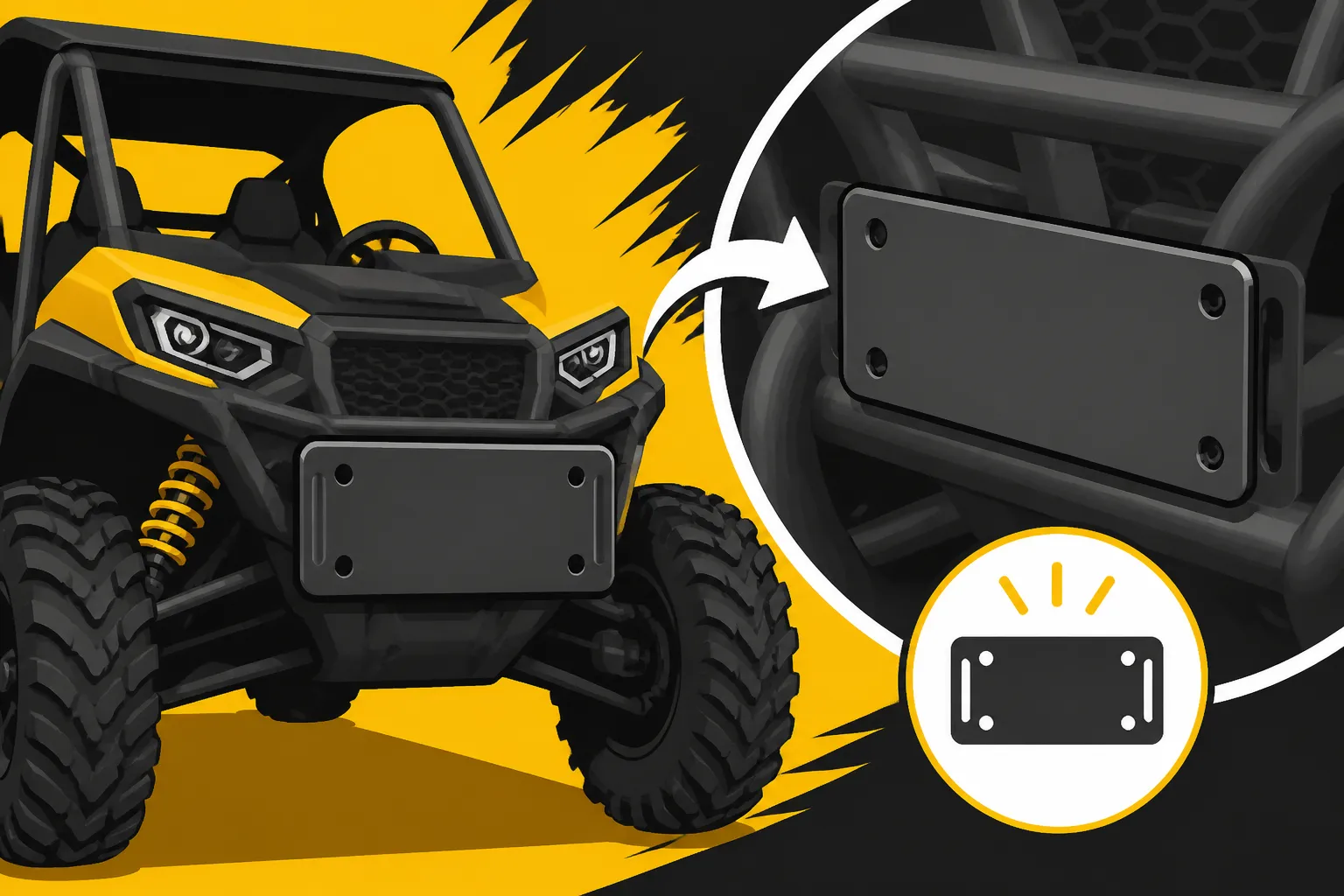
The general rule of thumb for ORV plates in BC is to mount them in a visible location, typically at the rear of the machine. This is where most ORVs have dedicated flat surfaces or brackets designed for such purposes. For ATVs and UTVs, this usually means on the rear rack, bumper, or tailgate. Dirt bikes often have a dedicated fender area or a bracket beneath the seat. Snowmobiles typically have a designated area on the tunnel or rear fender.
When choosing your spot, prioritize unobstructed visibility. Avoid placing the plate where it could be easily covered by mud, snow, or cargo. If you frequently use a rear storage box or carry a cooler, ensure the plate isn't hidden when these items are in place. Sometimes, an aftermarket bumper or rack might provide a better, more secure, and more visible mounting location than the stock position. Take a moment to stand back and look at your machine from various angles, just as an enforcement officer would, to confirm it's truly "plainly visible." Remember, the goal is for the plate to be easily seen from a reasonable distance, typically from directly behind the vehicle.
Securing Your Plate: Hardware and Techniques
Once you've identified the perfect spot, securing the plate is crucial. You don't want it rattling loose or falling off mid-ride, especially on rough terrain. Standard bolts, nuts, and washers are generally the most reliable method. Opt for stainless steel hardware to resist rust and corrosion, which can be a real issue with BC's varied weather conditions. Many riders choose self-tapping screws if drilling into plastic or a thin metal frame, but ensure they are short enough not to damage anything behind the mounting surface.
- Bolts and Nuts: For metal frames or existing bolt holes, use appropriately sized bolts with lock washers or nyloc nuts to prevent loosening from vibration.
- Rivets: For a more permanent, flush mount on certain surfaces, blind rivets can be an option, though removal requires drilling them out.
- Mounting Brackets: If your machine doesn't have a perfectly flat surface, or if you want to extend the plate away from an obstruction, consider using an aftermarket license plate bracket. These are often made of durable plastic or aluminum and can be bent or angled slightly to achieve optimal horizontal placement and visibility.
- Avoid Temporary Solutions: While zip ties or duct tape might seem like a quick fix, they are rarely secure enough for the rigours of off-road riding. Vibrations, bumps, and trail debris can quickly cause these temporary solutions to fail, leading to a lost or damaged plate, which then requires you to go through the hassle of getting a replacement.
A secure mount ensures your plate stays put, remains visible, and lasts for the lifetime of your machine's registration. Remember, [BC Registration Lasts as Long as You Own It], so a durable mounting solution is a worthwhile investment.
Common Mistakes and How to Avoid Them
It’s easy to make assumptions or overlook details when it comes to ORV plate mounting, especially if you’re new to the world of off-roading or coming from an area with different rules. However, being aware of the most common mistakes can help you avoid fines and ensure your machine is always compliant.
The Vertical Trap: Why It's Not Allowed (Generally)
One of the most frequent mistakes riders make, especially with dirt bikes or machines with limited rear space, is mounting the plate vertically. While a vertical plate might seem to fit better on a narrow fender or a specific part of the frame, it inherently violates the "legible" requirement. Our brains are trained to read numbers and letters horizontally from left to right. When a plate is turned on its side, reading the characters becomes much more difficult and time-consuming.
Imagine trying to quickly read a phone number that’s been written vertically on a sign. It’s awkward and prone to errors. The same applies to your ORV plate. Even if every character is clear, the vertical orientation makes it less legible to anyone trying to read it quickly, whether that’s an officer, a witness, or another rider. For this reason, always orient your plate so it reads naturally from left to right, like a standard vehicle license plate. If space is tight, look for compact plate frames or alternative mounting points on your machine, but do not compromise on the horizontal orientation.
Obscured by Cargo or Accessories
Another common pitfall is inadvertently obscuring your plate with cargo, a backpack, spare fuel cans, or other accessories. Many ORVs are workhorses, carrying gear for hunting, fishing, camping, or just a day out on the trails. It’s easy to load up your rear rack and forget that the new cooler or gear bag is now completely blocking your number plate.
Before you head out, especially if you're loading up for a big trip, take a moment to double-check that your plate remains clearly visible from the rear. If you use a large storage box or bag, consider installing a dedicated plate relocation bracket that positions the plate above or around the obstruction. Some riders even fabricate small custom brackets for this purpose. The key is to ensure that no part of the plate's surface, particularly the numbers and letters, is hidden by anything you're carrying or any aftermarket addition to your machine. [When Cargo on the Rack Hides Your Plate] is a situation that can get you a ticket, even if it was unintentional. A quick visual check before you leave your staging area can save you a lot of grief.
Overcoming Mud and Debris Challenges
British Columbia's trails are famous for their varied conditions, which often include mud, dust, and snow. These elements are fantastic for adventure but terrible for plate legibility. A pristine plate can quickly become caked in mud, making it impossible to read. This is a common issue, particularly for machines that spend a lot of time splashing through puddles or riding dusty logging roads. An illegible plate, regardless of how perfectly it's mounted, is still a violation of the "legible" requirement.
To combat this, a proactive approach is best. Consider mounting your plate in a location that is somewhat shielded from direct spray, if possible, or higher up on the machine. Some riders install small mud flaps or splash guards specifically to protect their plate. However, the most reliable solution is regular cleaning. Carry a small brush or rag with you on longer rides, especially if you know you’ll be encountering muddy conditions. A quick wipe-down at a break can keep your plate clear. It's a small effort that goes a long way in demonstrating your commitment to compliance and ensuring your plate is always readable, no matter what the trail throws at you. You might find more tips in [Keeping Your ORV Plate Clean Enough to Read].
Maintaining Visibility and Legibility in BC's Terrain
Ensuring your ORV plate is properly mounted horizontally is a crucial first step, but the job isn't done there. The dynamic nature of off-road riding in BC means you need to actively maintain that visibility and legibility throughout your adventures. From regular checks to dealing with wear and tear, these practices will ensure your machine remains compliant on every ride, from the muddy coastal forests to the dusty interior trails.
Regular Checks and Cleaning
The easiest and most effective way to ensure your plate remains compliant is through routine inspection and cleaning. Before every ride, especially if you've been out recently in challenging conditions, take a minute to look at your plate. Is it still securely fastened? Are any of the bolts loose? Is it covered in dirt, mud, or snow?
During your ride, particularly if you’ve gone through some gnarly sections, make it a habit to glance back at your plate when you stop for a break. A small, foldable brush or a sturdy rag can be invaluable for quickly clearing off any accumulated grime. Keeping your plate clean isn't just about avoiding tickets; it's about being a responsible rider. An easily identifiable machine contributes to overall safety on shared trails and resource roads, where you might encounter logging trucks or other industrial traffic. This simple habit becomes second nature after a while and saves you potential headaches down the line.
Lighting Up Your Plate for Night Riding
If you plan on riding your ORV after dark in British Columbia, the requirement for your number plate to be visible extends to illumination. The regulations state that your plate must be "illuminated by a white light" when riding at night or during periods of low visibility. This is a critical safety and compliance point that many riders, especially those new to night riding, might overlook.
Most modern ORVs come equipped with some form of tail light system that includes a small white light designed to illuminate the plate area. However, it's always wise to confirm this is working correctly. Check your wiring, ensure the bulb isn't burnt out, and make sure nothing is blocking the light's beam to the plate. If your machine doesn't have an integrated plate light, or if it's inadequate, you'll need to install an aftermarket solution. These are readily available at most powersports dealerships and online. Options range from small LED strips that affix directly to the plate frame to dedicated plate lights that can be wired into your machine's electrical system. Just ensure any added light is white and illuminates the plate effectively without creating glare that could distract other riders. Paying attention to details like this aligns with broader [BC Lighting and Seat Belt Requirements] for ORVs.
Dealing with Wear and Tear
ORV plates, like any other part of your machine, are subject to wear and tear. Over time, from impacts with debris, exposure to the elements, or even aggressive cleaning, your plate can become faded, scratched, or bent. A heavily damaged plate might no longer be considered "legible," even if it’s perfectly mounted.
If your plate starts to show significant signs of damage that impair its readability, it’s time to consider getting a replacement. This is typically handled through your local Autoplan broker, the same place where you registered your machine or dealt with your [BC ORV Registration Cost]. They can guide you through the process of obtaining a new plate. Don't wait until an officer points out the issue; be proactive. A well-maintained and clearly visible plate not only keeps you compliant but also reflects a responsible attitude toward off-road riding in our beautiful province.
| Aspect | Correct Mounting Practice | Potential Issues & Consequences |
|---|---|---|
| Orientation | Horizontally, readable left-to-right. | Vertical, angled, or upside down. Leads to illegibility & fines. |
| Visibility | Unobstructed view from rear (or front/side, as applicable). | Hidden by cargo, accessories, or mud flaps. Causes compliance issues. |
| Legibility | Clean, clear, free of mud, snow, or debris. | Caked in grime, scratched, or faded. Results in tickets for illegibility. |
| Placement | Securely attached to machine, usually rear. | Loosely zip-tied, rattling, or easily detached. Risks plate loss & replacement hassle. |
| Lighting (Night) | Illuminated by a white light if riding after dark. | No illumination, or light is blocked. Causes safety hazard & non-compliance. |
| Maintenance | Regular cleaning and checks for damage. | Ignoring wear & tear, allowing damage to obscure plate. Leads to forced replacement. |
Disclaimer
This article is for general informational purposes only and does not constitute professional advice. Laws, prices and regulations vary by location and change over time. Consult a qualified professional for guidance on your specific situation.