What Happens to a $48 BC Registration When You Sell
When you finally decide to part ways with your trusty off-road vehicle (ORV) here in British Columbia, it’s only natural to wonder what happens to that initial $48 registration you paid. Many riders assume it’s like car insurance or an annual plate sticker that simply expires or gets cancelled, but the BC system for ATVs, UTVs, dirt bikes, and snowmobiles works a little differently. This guide will walk you through exactly what happens to your BC ORV registration when you sell your machine, clearing up common confusion about fees, paperwork, and responsibilities for both buyers and sellers.
Understanding BC's Unique ORV Registration System
First things first, it’s crucial to understand that BC’s ORV registration isn't quite like registering your highway vehicle. This difference often trips people up and leads to a lot of head-scratching when it comes time to sell or buy a used machine. The provincial government really aimed to create a system that was less about yearly renewals and more about a permanent record of the machine and its ownership chain.
The "Once and Done" $48 Registration Fee
When you first registered your ATV or UTV in BC, you paid a one-time fee of around $48. This wasn't an annual fee; it was the cost to get your machine into the provincial registry and receive its unique ORV number plate and the all-important Certificate of Registration. This is one of the biggest points of difference from regular vehicle registration. With a car, you pay an annual renewal fee, but for an ORV, that $48 was a singular payment. [BC ORV Registration You Pay Once]
What this means for selling is that the new owner isn't going to walk into an Autoplan broker and pay another $48 to "re-register" the machine from scratch. The machine is already registered in the provincial system. What needs to happen is a transfer of ownership, which is a distinct process with its own fee. Think of it less as renewing something and more as updating the official record to reflect the new legal owner. The original registration, in essence, remains active, but its associated ownership details must be formally updated. [BC Has No Annual Renewal Sticker]
The Role of the Certificate of Registration
The Certificate of Registration is your ORV's key identity document in BC. Unlike a car that gets a "title," your off-road machine gets this certificate, which acts as proof that it's registered in the province and identifies the registered owner. [BC's Certificate of Registration Explained] When you registered, an Autoplan broker generated this document for you. It's a paper certificate that lists your name, the machine's details (like VIN), and the ORV plate number.
This piece of paper is paramount when selling. It's what the buyer will need, along with a bill of sale, to transfer the machine into their name. If you've lost it, you'll need to apply for a replacement before you can properly sell your machine, which can add an extra step and a bit of a delay to the process. Many sellers only realize they've misplaced it when a buyer is ready to go, causing unnecessary stress for everyone involved.
Selling Your Registered ORV: Your Responsibilities
When you're the seller, you have a few critical responsibilities to ensure the transfer goes smoothly and to protect yourself from any future liabilities associated with the machine. It’s not enough to just hand over the keys and the machine; the paperwork side of things is equally, if not more, important. A sloppy transfer can lead to headaches down the road, so let's get into the specifics. [Selling a Registered Machine in BC]
Endorsing and Providing the Certificate of Registration
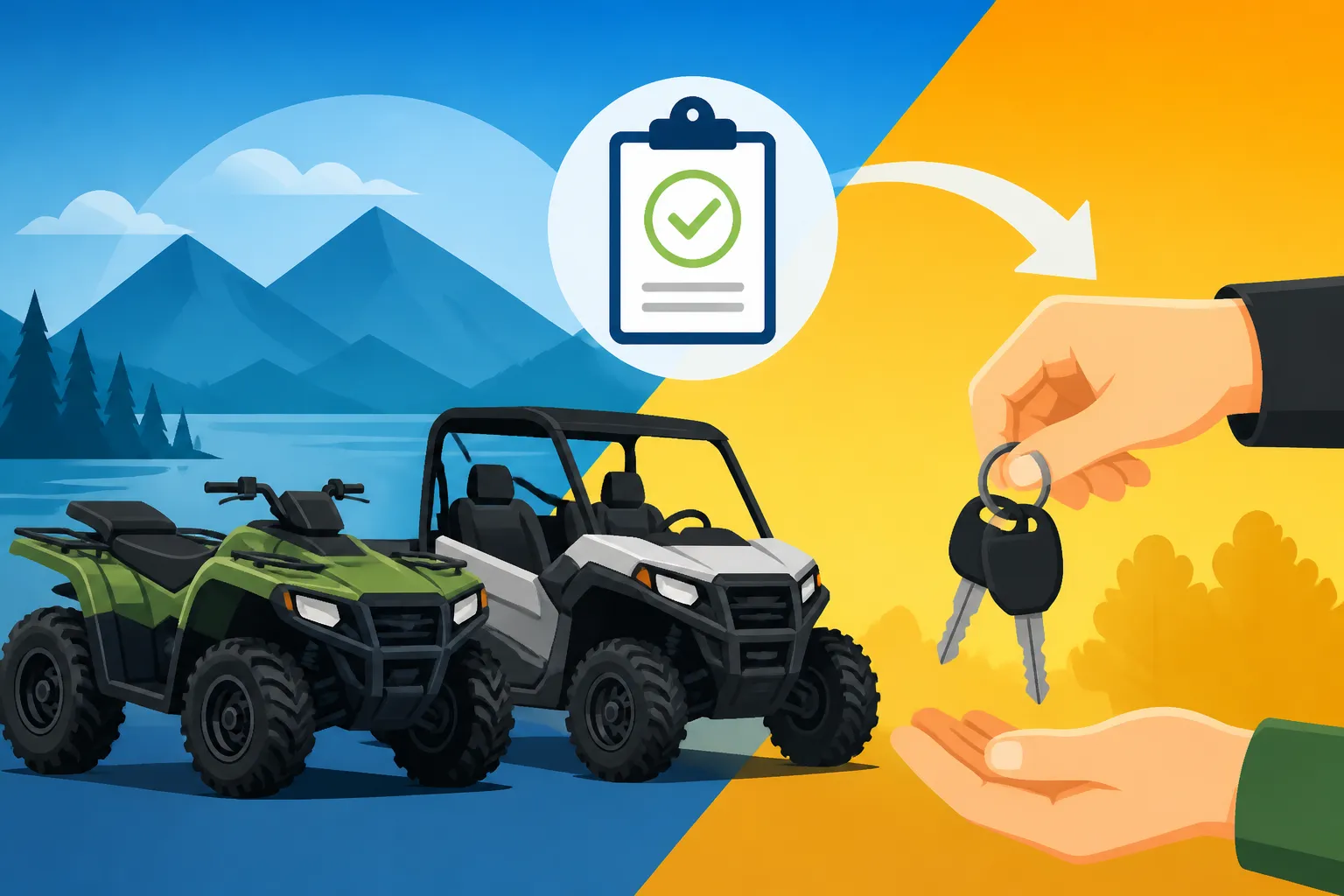
The most direct action you'll take is to endorse, or sign over, your existing Certificate of Registration. On the back of this document, there's typically a section for the seller to sign and date, indicating the transfer of ownership. This is your official acknowledgement that you are relinquishing your claim to the machine. Make sure you fill out all the necessary details accurately, including the sale date and the buyer's name.
It's absolutely vital that you hand this original, signed document over to the buyer. Without it, they cannot complete the transfer into their name at an Autoplan broker. Think of it as passing on the baton in a relay race; if you drop the baton, the next runner can’t continue. The buyer will present this certificate to the broker as proof of the previous registration and your intent to transfer. Make sure you keep a clear photocopy or a photo of the signed certificate for your own records, just in case there are any disputes later on.
Providing a Comprehensive Bill of Sale
Alongside the signed Certificate of Registration, a detailed Bill of Sale is absolutely non-negotiable. This document legally records the transaction, including the date of sale, the purchase price, the names and contact information of both buyer and seller, and the specific details of the ORV (make, model, year, VIN, and plate number). This protects both parties by clearly documenting the terms of the sale. [BC Bills of Sale for Every Prior Owner]
A well-drafted bill of sale should also include a statement that the machine is sold "as-is, where-is" if that's your agreement, which is typical for private sales. You can find excellent templates for a Bill of Sale online from reputable sources like LawDepot, which help ensure you've covered all the legal bases without missing critical details. Don’t just jot something down on a napkin; a formal document is key. Without a proper bill of sale, the buyer will have a much harder time proving they legitimately acquired the machine, potentially leading to issues when they try to register it.
Notifying ICBC or an Autoplan Broker
While the system is designed to have the buyer initiate the formal transfer, it's a good practice for you, the seller, to contact an Autoplan broker or ICBC directly to inform them of the sale. This isn't strictly mandatory in the same way it is for highway vehicles where you might be cancelling insurance, but it helps create a clear record that you are no longer the owner. [BC Autoplan Brokers Handle ORV Registration]
This step can be especially important if, for some unforeseen reason, the buyer delays or neglects to complete the transfer themselves. If the machine were involved in an incident before the transfer was completed, having a record of your notification could help distance you from any potential liability. It’s always better to err on the side of caution and ensure there’s a clear paper trail confirming your detachment from the ORV.
The Buyer's Role: Transferring Ownership
Once you've sold your machine, the responsibility for completing the official transfer falls squarely on the buyer's shoulders. This is where the initial $48 registration fee becomes irrelevant to them, and a new, smaller fee for the transfer process comes into play. Buyers often feel a bit overwhelmed by the paperwork, especially if they’re new to the ORV world, but the process is quite straightforward if they have all the right documents. [Buying From a Private Seller in BC]
The Transfer of Ownership Fee
This is a key point of confusion. The buyer does not pay another $48 registration fee. Instead, they pay a nominal fee to transfer the existing registration into their name. This fee, often around $28, is paid directly to the Autoplan broker who processes the transaction. [BC Charges $28 to Transfer Ownership] This payment is for the administrative act of updating the provincial database with the new owner’s information, not for a new registration.
It's a common misunderstanding that the full registration cost applies every time an ORV changes hands. Clarifying this for potential buyers can often put their minds at ease, especially if they're budgeting carefully. This transfer fee is typically paid at the same time as any applicable Provincial Sales Tax (PST) on the purchase price.
Documents Required for the Buyer
For the buyer to successfully transfer ownership, they will need a few crucial documents, all of which you, as the seller, must provide:
- The original, signed Certificate of Registration: As discussed, this is the primary document proving the machine's existing registration and your authorization of the transfer.
- A comprehensive Bill of Sale: This confirms the details of the transaction and the agreed-upon price, which is also used to calculate any applicable PST.
- Proof of identification: The buyer will need valid photo ID to complete the transaction at an Autoplan broker.
Without these documents, the buyer will face significant hurdles. If the bill of sale is missing or incomplete, they might need to complete a statutory declaration of ownership, which adds time and complexity. Similarly, if the Certificate of Registration is gone, it can create a continuity of ownership problem. [Why Every Past Sale Has to Be Documented] Emphasize to your buyer the importance of these papers.
What Happens to the Plate and Decal
A unique aspect of BC ORV registration is that the number plate and the corresponding decal stay with the machine when it's sold. Unlike highway vehicles where you might remove your plates, the ORV plate is permanently assigned to that specific machine for its lifetime in BC. [BC ORV Number Plates and Decals] This means when you sell your ATV, the plate you registered it with goes with the machine to the new owner.
The buyer does not receive a new plate or decal unless the existing ones are damaged or lost, in which case they would need to apply for replacements. This makes the transfer process simpler in one sense, as there's no need to swap out hardware. However, it also means the buyer needs to ensure the existing plate is still legible and properly affixed.
Common Questions and Misconceptions
Despite the relatively straightforward nature of ORV transfers, there are always questions that pop up. Let's tackle some of the most frequent misconceptions and concerns sellers and buyers have.
Does the Registration "Expire" or Get Cancelled?
No, the initial $48 registration does not "expire" and doesn't need to be "cancelled" in the way car insurance might be. The machine remains registered in the BC system. What changes is the registered owner. Once the transfer of ownership is completed by the buyer at an Autoplan broker, your name is removed from the official record for that machine, and the new owner's name is added. The registration itself, meaning the machine's entry in the provincial database and its unique plate, continues.
This is a fundamental difference and a source of much confusion. Many people expect a yearly renewal notice or a "cancellation" confirmation, but for ORVs in BC, it's all about updating the ownership record. As long as the machine is intended for use on Crown land or resource roads, it needs to maintain this active registration, regardless of who owns it.
What If the Buyer Doesn't Transfer It?
This is a very important consideration for sellers. If you sell your ORV and the buyer neglects to complete the transfer of ownership at an Autoplan broker, you technically remain the "registered owner" in the provincial system. This can create potential liabilities for you. If the machine is involved in an accident, a bylaw infraction, or even abandoned, authorities might trace it back to you.
This is why providing a clear Bill of Sale and encouraging the buyer to complete the transfer promptly is so important. Some sellers even go as far as to take a photo of the buyer's ID with the signed paperwork, or offer to accompany them to the broker to ensure the transfer happens immediately. While you cannot force a buyer to complete the transfer, having your own records of the sale date and buyer information is your best defense. If you used a service like LawDepot to generate your Bill of Sale, you'd have a good record of the transaction details.
What the Broker Hands You After You Register
For a buyer, once they've successfully transferred the ownership at an Autoplan broker, they will walk out with a new Certificate of Registration in their name. This document is essentially the same as the one you originally received, but now updated with their personal details as the registered owner. [What the Broker Hands You After You Register] They will also receive a new decal to affix to the machine, confirming the updated registration details.
The broker will keep the old, endorsed Certificate of Registration and the Bill of Sale to process the changes with ICBC. As a buyer, it's critical to keep this new Certificate of Registration safe and to carry it with you whenever you're operating the ORV on Crown land or resource roads, as it serves as your official proof of ownership and registration.
| Document | Seller's Responsibility | Buyer's Responsibility | What it Affects |
|---|---|---|---|
| Original $48 Fee | Already paid, non-refundable | Not paid by buyer | Initial registration cost |
| Certificate of Registration | Endorse & provide to buyer | Present to broker for transfer | Proof of machine registration & ownership |
| Bill of Sale | Provide detailed document to buyer | Present to broker for transfer | Proof of sale, value for PST |
| ORV Number Plate & Decal | Stays with the machine | Stays with the machine | Unique identifier for the machine |
| Transfer of Ownership Fee | Not paid by seller | Paid by buyer (approx. $28) | Updates ownership record |
| Ongoing Registration | Your name removed after transfer | Your name added after transfer | Legal status of the machine |
The Final Word
Selling an ATV or UTV in British Columbia, especially when it's already registered, doesn't have to be a complicated ordeal. The key takeaway is that the initial $48 registration fee you paid is a one-time cost that establishes the machine in the provincial system. When you sell, the machine's registration doesn't disappear; it simply needs to be formally transferred to the new owner, who then pays a separate, smaller transfer fee.
By understanding your responsibilities as a seller – primarily endorsing the Certificate of Registration, providing a robust Bill of Sale (which you can easily draft with services like LawDepot), and ideally notifying an Autoplan broker – you ensure a smooth process. You also protect yourself from any lingering liabilities once your beloved machine has a new home. For the buyer, it’s about having all those crucial documents in hand and visiting an Autoplan broker promptly to make that transfer official. A little bit of knowledge and attention to detail goes a long way in keeping everyone happy and legal on the trails.
Disclaimer
This article is for general informational purposes only and does not constitute professional advice. Laws, prices and regulations vary by location and change over time. Consult a qualified professional for guidance on your specific situation.