Camping at the Rapids Site in BC
Camping at the Rapids Site can turn a Chilliwack Valley ATV weekend into a simple base-camp trip, but a small campground and a long, busy access road reward a little planning. This guide covers what to expect, how to prepare for the ride and campsite, and how to check access and rules before you leave home.
What to expect at the Rapids Site
A small campground beside a riding area
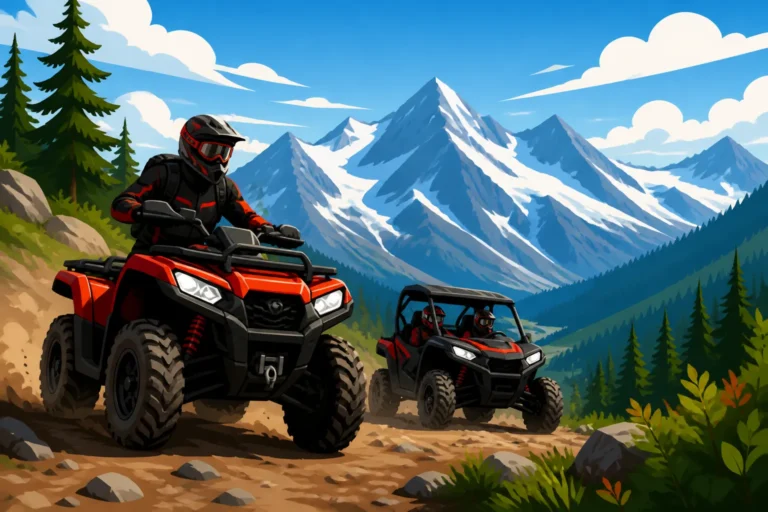
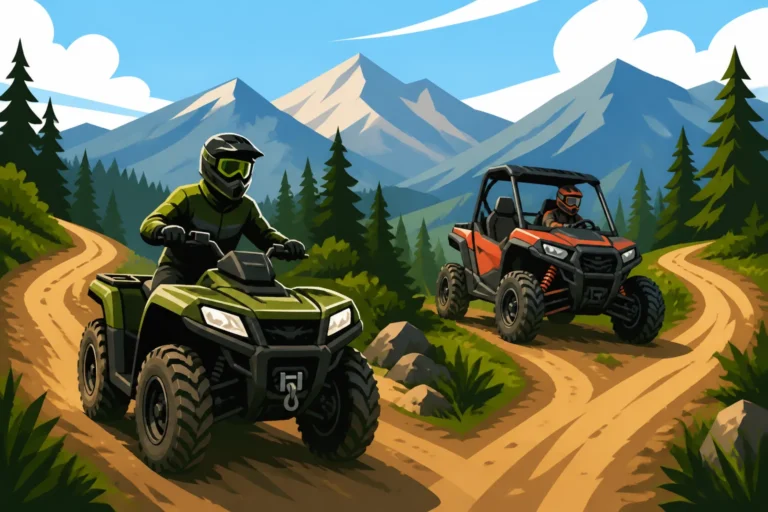
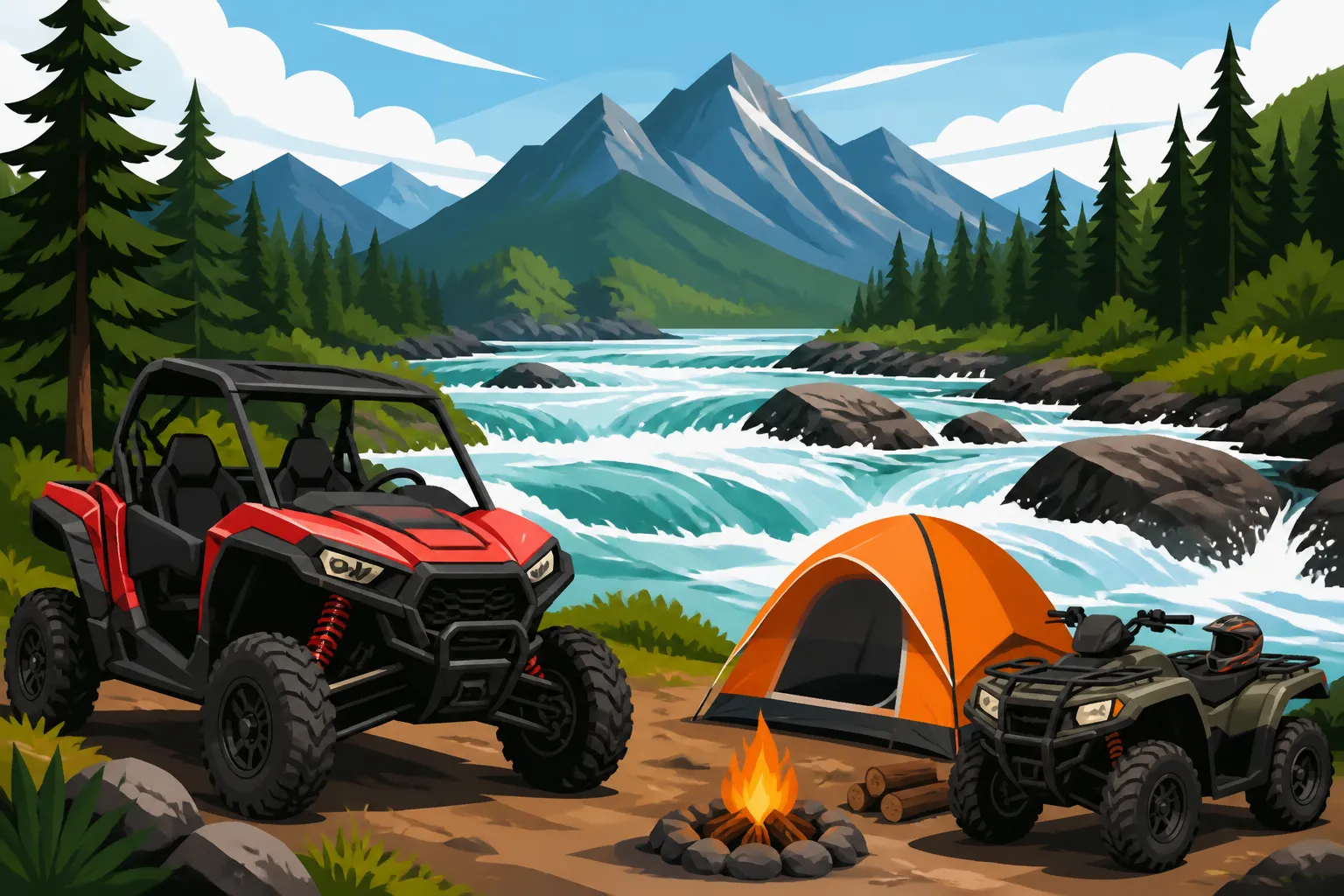
The Rapids Site is a modest camping option in the Chilliwack Valley, associated with the Rapids staging area and the riding network beyond it. It suits riders who want to camp close to their machines and get an early start, rather than people looking for a full-service campground with an extensive list of amenities.
The site has a limited number of campsites, so it is wise to plan for the possibility that your preferred spot will not be available when you arrive. A small campground can feel especially busy on summer weekends, during holiday periods, or when many riders are using the same staging area. Build a backup plan before driving out, rather than assuming there will be room for your whole group.
Expect a more rustic experience than you would at a developed private campground. Bring the supplies you need, keep your campsite compact, and leave room for other campers and people unloading machines. For a broader look at the area’s riding options, see [Chilliwack Area Riding in BC] and [Camping at the Rapids Site in BC].
Camping and riding are separate activities
Staying at a campground near an ATV staging area does not mean every nearby road, trail, or piece of land is open to motorized use. Follow posted signs, gates, trail markings, and site-specific directions. A route that appears on a map may cross land with restrictions, connect to an active road, or lead into an area where riding is not permitted.
Keep machines out of the campground unless signs or site directions clearly allow access. Use the designated staging area for unloading and preparing to ride, and avoid revving engines or moving machines around campsites early or late in the day. These small courtesies matter when tents and trailers are packed close together.
It also helps to treat the campground and trail network as two different parts of your trip: use the site for camping, and use approved access points for riding. Before setting off, check whether your intended route is open and suitable for your machine. [BC Trail Closures After a Storm] and [BC Crown Land Riding Explained] are useful background reading when you are deciding where to go.
Planning the drive and arrival
Follow the Chilliwack Lake Road corridor carefully
The Rapids area is reached from the Chilliwack Valley road network, including Chilliwack Lake Road. The route can feel different from a drive to a town campground: you may encounter changing road conditions, limited services, recreational traffic, and industrial vehicles. Allow enough time for a slower trip, especially if you are towing a trailer or arriving with a group.
Before leaving the paved-road area, check that your truck, trailer, and ATV are ready for the journey. Secure loose gear, confirm that the trailer lights work, and make sure the load cannot shift on rougher sections. If you are towing, leave more following distance than usual and avoid blocking pullouts or access points while checking directions.
Forest Service Roads and resource roads can carry work traffic, including logging trucks. Do not assume that a road is quiet just because you are driving to a campsite. Review [BC Forest Service Road Requirements] and [BC Riders Meeting a Logging Truck] before your trip. If the route includes a resource road, follow posted instructions and give industrial traffic the space it needs.
Arrive with a plan for parking and unloading
A compact campsite or staging area can quickly become congested when several groups arrive at once. Decide where your trailer, tow vehicle, and camping gear will go before unloading. Keep access lanes clear, avoid taking more space than you need, and do not block another camper’s route in or out.
If you arrive and the site is full, do not create an improvised campsite on the shoulder, in the staging area, or beyond a closed gate. Have another legal camping option in mind and be prepared to drive to it. This is particularly important for a group with several trailers: finding a single open spot for one vehicle is not the same as finding room for a convoy.
Have your route information saved before you lose reliable cell service. A mapping app such as onX Offroad can help you review trails and save map information for offline use, but it should be one part of your plan, not the only authority on whether a route is open. Use current signs and local notices to confirm access. For trailhead logistics, see [Six Sites at the Rapids Staging Area] and [Staging at the Rapids Staging Area].
Preparing for a comfortable campsite
Pack for a rustic overnight stay
A small, basic site is easiest to enjoy when you arrive self-sufficient. Bring drinking water, food, cooking supplies, lighting, warm layers, rain protection, and a way to store rubbish until you can dispose of it properly. If you rely on an item every night at home, think about whether you will need a portable version at camp.
Do not count on finding fuel, groceries, or forgotten equipment close to the campsite. Organize essentials before leaving the Chilliwack area, and keep a small repair kit where you can reach it without unpacking the whole trailer. Useful items include a tire repair kit suited to your machines, basic hand tools, a first-aid kit, and spare straps or tie-downs.
Plan for changing conditions even when the forecast looks friendly. Valley weather can differ from what you experience on a higher trail, and a dry drive in can become a wet or muddy ride. Pack clothing in layers and keep spare dry clothes protected from rain and dust. For more trip-planning ideas, [BC Trails With Camping] and [BC Trail Etiquette Locals Expect] offer useful context.
Keep the campsite tidy and considerate
At a shared site, a tidy camp is not just a matter of appearance. It reduces wildlife attractants, protects the space for the next group, and helps prevent rubbish from blowing into the forest or nearby water. Keep food and scented items secured, pack out what you bring in, and leave the site in the condition you would hope to find it.
Be thoughtful about noise and lights. A group can easily lose track of the time while loading gear or talking beside a trailer, but another camper may be trying to sleep before an early ride. Use low lighting where practical, keep voices and music down, and avoid unnecessary engine starts around the campsites.
Campfires are not automatically appropriate just because a fire ring or old fire scar is visible. Follow current fire restrictions and posted directions, and do not light a fire if conditions or rules prohibit it. Make sure a fire is fully out before leaving it unattended. For additional background, see [BC Campfire Rules at a Staging Area] and [BC Fire Centre Closures for ORVs].
Getting ready for a safe ride from camp
Check the route, machine, and weather before heading out
A good riding day starts before the group leaves the staging area. Check the machines for obvious problems, including tire damage, loose fasteners, low fluids, and working lights. Confirm that everyone has appropriate protective equipment and understands the planned route, turnaround point, and regrouping locations.
Do not treat a digital trail line as a promise that the route is open, maintained, or suitable for every vehicle. Conditions can change after heavy rain, a washout, fallen trees, fire activity, or road work. Use onX Offroad or another mapping tool to orient yourself and keep route details available, then check posted closures and local information before riding. If your group is unfamiliar with the area, choose a conservative route and leave time to turn back.
Think about the needs of the least experienced rider in the group. A route that feels straightforward to a confident adult may be too demanding for a new rider, a young operator, or a machine with limited ground clearance. Agree on a pace before you start, stop at safe places to regroup, and avoid pressuring anyone to continue past their comfort level. [Best BC ATV Trails for Beginners] can help you think through how to match a ride to the group.
Understand registration, insurance, and road use
Before riding, make sure your ATV or side-by-side is properly registered for the kind of use you plan to undertake. BC requirements depend on the machine and where it is operated, so do not assume that riding only for recreation or starting from a campground creates an exemption. Review [Do You Need to Register an ATV in BC?] and [BC ATV Registration Requirements] before the trip.
Road access also needs care. A Forest Service Road is not the same as an unrestricted ATV trail, and machines may have specific requirements when using one. Check the rules for the road and the machine, including any applicable insurance, helmet, lighting, and permit requirements. Do not ride on a highway unless the law permits the specific movement and you meet its conditions.
Carry the required documents and make sure your group knows where they are. In a remote area, small paperwork problems can turn into an inconvenient interruption. If you plan to use a resource road, read [BC Resource Road Insurance of $200,000] and [Carrying Your Certificate of Registration on Every Ride]. Confirm current requirements with an appropriate local authority or qualified broker if you are unsure how a rule applies to your particular machine or route.
| Trip detail | What to plan for | Why it matters |
|---|---|---|
| Campsite space | A small number of sites and a backup camping option | The group may arrive when the available spots are already occupied |
| Road access | Extra travel time, trailers, and possible industrial traffic | Road conditions and traffic can differ from an ordinary campground drive |
| Supplies | Water, food, lighting, warm layers, and basic repair gear | Nearby services may not be convenient once you are on the route |
| Route information | Saved maps plus a check of signs and closures | A mapped route is not proof that riding is currently allowed |
| Machine paperwork | Registration and any required insurance or permits | Requirements depend on the machine and where it is operated |
| Camp etiquette | Quiet hours, secure food, and pack-out rubbish | Shared sites work better when everyone limits their impact |
Making the most of a Rapids camping trip
Build a realistic itinerary
A common mistake is to plan the trip around the maximum distance a machine can travel, rather than the time and conditions the group can manage. Include time for unloading, checking gear, navigating, stopping for breaks, and dealing with unexpected delays. A shorter ride with a relaxed return to camp is often more enjoyable than a long route that leaves everyone tired and scrambling to cook dinner after dark.
Set a return time and a clear regrouping plan. If the group becomes separated, riders should know where to stop, who to contact, and what to do if phone service is unavailable. Avoid splitting into smaller groups unless every rider understands the route and has a reliable way to navigate back.
Use onX Offroad to review possible route options and save the information you need before departure, but keep your plan flexible. If a road is closed, conditions are worse than expected, or someone in the group is uncomfortable, choose another route or return to camp. That is sound decision-making, not a failed trip.
Be a good neighbour to the land and other users
The Chilliwack Valley is shared by campers, riders, hikers, anglers, residents, and people working in the forest. Stay on routes where motorized travel is allowed, avoid damaging wet ground and stream edges, and do not use a trail as a shortcut around a closure. A detour that seems harmless can widen into a second track or cause damage that takes a long time to recover.
Give other users room and slow down where visibility is limited. Dust, noise, and speed can make a narrow trail unpleasant for everyone, particularly near campsites or busy staging areas. If you encounter pedestrians or non-motorized users, reduce speed and pass carefully when there is enough space.
Before leaving, check the campsite and surrounding area for rubbish, food scraps, and gear. Make sure the fire is out if fires are allowed, and do not leave equipment or waste behind for the next visitor to deal with. A simple final walk-through helps protect the site and keeps this kind of low-key camping option welcoming for future riders.
Disclaimer
This article is for general informational purposes only and does not constitute professional advice. Laws, prices and regulations vary by location and change over time. Consult a qualified professional for guidance on your specific situation.