BC Plate Replacement If Lost
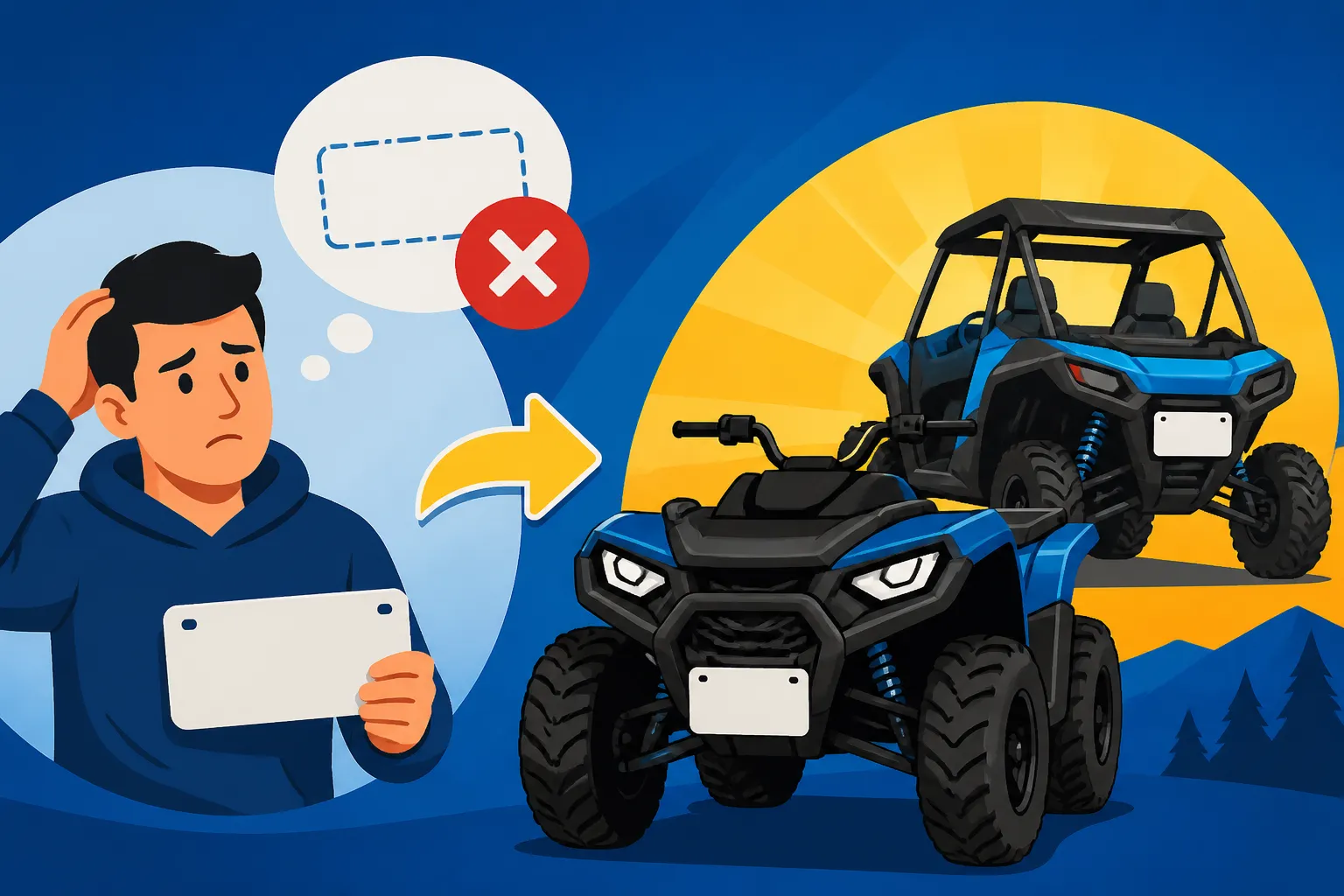
It's an absolute headache when you're all geared up for a weekend ride, only to discover your off-road vehicle (ORV) number plate has vanished. Maybe it shook loose on a gnarly trail, got snatched, or simply fell off somewhere along a bumpy resource road. This guide is here to walk you through the precise steps you need to take in British Columbia to replace that lost or stolen plate and get back to enjoying our incredible backcountry trails without worry.
The Frustration of a Missing ORV Plate
There's nothing quite like the feeling of hitting the trails, the rumble of your quad or side-by-side beneath you, and the fresh air whipping past. But that carefree feeling can come to a screeching halt when you notice your ORV plate is gone. It's not just an inconvenience; it's a legal requirement to have that plate securely displayed when riding on Crown land, including those beloved [BC Forest Service Road Rules for ORVs] and any provincial recreation trails. The frustration is real, especially when you consider you registered your machine diligently, likely through an Autoplan broker, and now you have to go through another administrative hoop.
Why Plates Go Missing
ORV plates lead a tough life out there. They're exposed to all sorts of abuse that your car's license plate rarely sees. We’re talking about constant vibrations from rough terrain, splashes of mud and water, accidental bumps with branches, or even getting snagged on deep snow. Sometimes, it’s a simple case of the mounting hardware failing after years of jarring rides. Many riders try clever ways to secure their plates, like zip ties or specialty brackets, precisely because they've experienced the heartache of a plate going rogue. It’s not uncommon to realize it's missing only when you're back home, washing down your machine, or even worse, when a conservation officer points it out to you on the trail.
Beyond accidental loss, theft is another unfortunate reality. While less common than a plate simply falling off, a stolen ORV plate can create a different set of anxieties. You might be worried about it being used for illicit activities or simply the hassle of reporting it and proving it wasn't your fault. This adds another layer of stress to an already inconvenient situation. Whether it's lost to the elements or to a dishonest individual, the outcome is the same: you need a replacement to stay on the right side of the law and avoid potential fines.
The Importance of a Visible Plate
Having a properly displayed and legible ORV plate isn't just a suggestion; it's a non-negotiable legal requirement under British Columbia's Off-Road Vehicle Act. When you registered your machine, you received your unique [BC ORV Number Plates and Decals], designed specifically for off-road use. This plate acts as a crucial identifier for law enforcement, conservation officers, and even for fellow riders in case of an incident. It's proof that your machine is registered and that you're operating within the legal framework.
Riding without a plate, or with one that's obscured or damaged beyond recognition, can lead to serious consequences. You could face [BC Tickets for an Unregistered Machine], even if your machine is technically registered but its plate is missing. Officers need to be able to quickly verify your machine's status, especially if you're riding on Crown land, which is the primary trigger for the registration rules. A clear, visible plate helps ensure accountability and responsible use of our public lands. It also contributes to public safety, as an unregistered or unidentifiable machine can complicate accident reporting or theft investigations. You've already done the hard part by registering your ORV; ensuring that plate is always present and accounted for is the ongoing part of being a responsible rider.
Your Step-by-Step Guide to Getting a New Plate
When that plate goes missing, your first thought might be, "Oh no, do I have to re-register my entire machine?" The good news is, no! Your ORV registration in BC is tied to your ownership and lasts as long as you own it. There's [BC Registration Lasts as Long as You Own It], so you won't be starting from scratch. What you need is a replacement plate. The process is relatively straightforward, but it does require a visit to your local Autoplan broker and some preparation.
First Things First: Contacting the Police (If Stolen)
If your ORV plate wasn't just lost to the wilderness but was actually stolen, your very first step should be to report it to the police. This is crucial for a couple of reasons. Firstly, it creates an official record, protecting you if the stolen plate is ever used improperly. Secondly, your Autoplan broker will likely ask for a police file number when you go to replace it. Having this number in hand will streamline the process and demonstrate due diligence.
When you contact your local police detachment or RCMP office, be prepared to provide details about your ORV, including its make, model, year, and most importantly, its Vehicle Identification Number (VIN) and the number of the stolen plate. Explain where and when you believe it was stolen. They'll generate a report and give you a file number, which is invaluable for your next step. This might feel like an extra hassle, but it's a necessary safeguard that can save you future headaches, especially when dealing with legal documents.
Gathering Your Ownership Documents
Before you head to an Autoplan broker, make sure you have the necessary paperwork. Just like when you initially registered your ORV, the broker needs to verify you're the rightful owner. The absolute most important document you'll need is your original [BC's Certificate of Registration Explained]. This little piece of paper is your official proof of ownership in BC and is essential for any transactions involving your ORV, including replacing a lost plate. You also need a valid piece of government-issued photo identification, like your driver's license.
If, by some twist of fate, you've also lost your Certificate of Registration, don't panic, but know that the process will be slightly more involved. You might need to provide alternative proof of ownership, such as your original bill of sale. If that's also missing, you may need to complete a [BC Statutory Declaration for an ORV] affirming your ownership. This is where services like LawDepot can be helpful; they offer templates for various legal documents, including statutory declarations, which can guide you in drafting a formal statement of ownership if you're in a bind. Just remember, the more documentation you can provide, the smoother the process will be. Always carry your certificate when riding, as [BC Riders Must Carry the Certificate].
Visiting Your Autoplan Broker
Your local Autoplan broker is your go-to for all things ORV registration in BC. These are the same folks who help you with your car insurance and initially registered your quad or side-by-side. [BC Autoplan Brokers Handle ORV Registration] because the Off-Road Vehicle Act falls under ICBC's purview for registration purposes. You can find an Autoplan broker easily in almost any town across the province.
Once you arrive, explain that you need to replace a lost or stolen ORV plate. Provide them with your Certificate of Registration and your photo ID. If you reported a theft, share your police file number. The broker will access your existing ORV registration record in the system. They'll confirm your details and initiate the process for issuing a new plate. Don't worry about proving ownership all over again if you have your Certificate of Registration; they just need to ensure they're dealing with the registered owner. The broker's role is to verify your identity, confirm the registration, and facilitate the issuance of the replacement plate. They are experienced in these kinds of situations and can guide you through any unexpected hiccups.
What to Expect: The New Plate and Fee
Replacing your ORV plate in British Columbia involves a nominal fee. While specific figures can change, expect a charge that covers the cost of manufacturing and issuing the new plate. Your Autoplan broker will inform you of the exact amount at the time of your visit. It's a one-time fee for the replacement, not an annual renewal, as [BC Has No Annual Renewal Sticker] for ORVs.
Once the transaction is complete, the broker will typically issue you a brand-new ORV plate right there on the spot. You'll walk out with a fresh plate ready to be mounted on your machine. Along with the plate, you'll also receive an updated Certificate of Registration reflecting the new plate number. It’s always a good idea to double-check that the new plate number on your certificate matches the physical plate you receive. This quick check prevents any future confusion or issues. Mount your new plate securely as soon as possible, ensuring it's clearly visible and not obscured by any cargo or accessories. Remember, [BC Plate Placement on Front, Back or Left] is mandatory, so choose a spot where it's easily seen.
Preventing Future Plate Loss and Staying Compliant
Losing an ORV plate is one of those annoying lessons many of us learn the hard way. While accidents happen, there are definitely steps you can take to minimize the chances of having to go through the replacement process again. Being proactive about maintenance and careful about how you handle your documents can save you a lot of grief down the line. It's all part of being a responsible ORV owner in BC, ensuring you're ready for any adventure [BC Crown Land Triggers the Registration Rule] might throw at you.
Secure Mounting and Regular Checks
The single best way to prevent your ORV plate from going missing is to ensure it's mounted securely. Standard screws might work for a while, but the constant vibration and impacts of off-road riding can loosen them. Consider using lock nuts, thread locker, or even drilling additional small holes in the plate and using heavy-duty zip ties as a secondary measure of security, especially if your machine sees a lot of rough terrain. Many riders opt for specialty plate frames designed to absorb shock and provide a more robust attachment point.
Make it a habit to check your ORV plate before every ride. A quick glance to ensure it's still there, firmly attached, and legible is all it takes. [Keeping Your ORV Plate Clean Enough to Read] is also important, as an obscured plate can draw unwanted attention from authorities. If you notice any screws loosening or the plate bending, address it immediately. Catching a problem early can prevent the plate from detaching completely while you're miles into the backcountry. Think of it as part of your pre-ride safety check, just like checking your tires and fluids.
Keeping Your Registration Documents Safe
Your [BC's Certificate of Registration Explained] is a vital document. Just like your vehicle's registration for highway use, it proves legal ownership and compliance with the Off-Road Vehicle Act. While you need to carry it with you when you ride, it's wise to keep the original in a safe, waterproof spot, perhaps in a sealed bag within a secure storage compartment on your ORV, or even better, a laminated copy. Leave the original in a safe place at home, and carry a high-quality photocopy or a digital image on your phone. If you ever have to present it to an officer, a clear copy is usually sufficient, as long as you also have your photo ID.
If you find yourself needing to produce a statutory declaration for ownership, perhaps if your original bill of sale from a private seller is lost, remember that resources like LawDepot can offer templates to guide you through drafting such a document. They can help ensure your declaration meets general legal standards, making the process smoother should you need to affirm ownership for various reasons. Keeping all your [BC Registration Paperwork Checklist] organized, whether in a physical folder or digitally, will save you a lot of hassle in the long run. Knowing exactly where your important papers are, including things like a [BC Bill of Sale for Every Prior Owner] if you need to trace your ownership history, is a huge part of responsible ORV ownership.
Understanding Your Responsibilities
Riding an ORV in British Columbia is an amazing privilege that comes with specific responsibilities. Beyond ensuring your plate is secure and your documents are in order, it's crucial to understand the broader context of [What the Off-Road Vehicle Act Covers in BC]. This includes knowing where you can and cannot ride, adhering to environmental regulations, and always operating your machine safely and respectfully.
Your ORV registration is a one-time process for as long as you own the machine, but your responsibility to maintain your plate and carry your documents is ongoing. Staying informed about regulations, especially those regarding [BC Forest Service Road Requirements] or local riding area rules, ensures that you're always prepared. By taking these preventative steps and staying knowledgeable, you not only protect yourself from fines and inconvenience but also contribute to the positive reputation of ORV enthusiasts in our beautiful province.
Disclaimer
This article is for general informational purposes only and does not constitute professional advice. Laws, prices and regulations vary by location and change over time. Consult a qualified professional for guidance on your specific situation.