BC ORV Registration Cost
Navigating the world of off-road vehicle (ORV) registration in British Columbia can feel like trying to find your way through a dense forest without a compass, especially when it comes to understanding all the potential costs involved. Many riders, whether seasoned veterans or newcomers, often wonder if it's an annual headache or a one-time deal, and what hidden fees might crop up. This guide aims to clear up the confusion around BC ORV registration costs, breaking down everything from the core registration fee to other potential expenses like transfers, declarations, and essential insurance, so you can hit the trails with peace of mind.
The Core Registration Fee: What You Actually Pay to Get Started
When you first hear about registering an off-road vehicle in BC, the immediate thought for many is, "Oh no, another annual expense!" But here's where BC's system differs significantly from many other provinces or even from how we register our cars and trucks for highway use. The primary ORV registration fee itself is not a recurring burden. It's designed to be a one-time administrative cost, a small investment that covers your machine for as long as it remains in your possession.
This setup is a huge relief for many riders, as it means once you've gone through the process, you don't have to worry about a yearly sticker or a bill showing up in your mailbox. It simplifies long-term ownership and helps you budget for your passion without unexpected annual shocks. The provincial government decided to make this a one-and-done kind of deal, a move that was largely welcomed by the off-road community when the new rules came into effect.
The "Forever" Fee: Why It's a One-Time Cost
Let's really dig into this "forever" fee concept, because it's probably the biggest point of confusion for riders coming from other jurisdictions or those used to traditional vehicle registration. In British Columbia, when you register your ATV, side-by-side, dirt bike, or snowmobile, you pay a specific, set fee. That's it. You don't get an annual renewal notice, you don't need to purchase a new decal every year, and there's no ongoing subscription model for simply having your machine registered. This is a crucial distinction from what many of us are familiar with when it comes to registering our street-legal vehicles. For clarity, remember that [BC Registration Lasts as Long as You Own It] and [BC Has No Annual Renewal Sticker].
This one-time payment covers the administrative process of entering your ORV's details into the provincial registry and issuing your unique Certificate of Registration and the physical license plate. It's a foundational cost that establishes your machine's legal presence within the BC ORV framework. The intention behind this structure was to make compliance straightforward and to avoid creating an ongoing bureaucratic or financial burden for off-road enthusiasts who might only use their machines seasonally or infrequently. It’s a permanent part of your machine’s identity while it’s under your ownership in BC.
What That Initial Fee Covers (and Doesn't Cover)
So, what exactly does this initial, one-time registration fee get you? Primarily, it secures your official [BC's Certificate of Registration Explained], which is the crucial document proving your machine is registered, and your physical ORV plate. This plate, along with the decal you receive, must be displayed on your machine whenever you're riding on Crown land, including those vast networks of resource roads we all love. It's your machine's unique identifier, helping enforcement officers confirm compliance with the Off-Road Vehicle Act. You'll also receive specific [BC ORV Number Plates and Decals].
However, it's really important to understand what this fee doesn't cover, because this is where additional costs can come into play. The initial registration fee does not include any form of insurance. That's a separate, often annual, expense we'll discuss later. It also doesn't cover any potential fees for transferring ownership if you buy a used machine, or the provincial sales tax on your purchase. Think of the core registration fee as simply the gateway fee to legal off-road operation in BC; it's the first step, but not the only step.
Understanding Additional Costs Beyond the Basic Registration
While the core ORV registration fee is a one-time payment, there are several other costs that many riders will encounter, depending on how they acquire their machine or what level of protection they desire. These can include transfer fees, fees for statutory declarations if you're missing paperwork, and the ever-present provincial sales tax. It's crucial to be aware of these potential expenses from the outset so you can budget accurately and avoid any unwelcome surprises. These aren't hidden fees, but rather distinct costs associated with different aspects of ORV ownership and operation.
Transfer of Ownership Fees When Buying a Used Machine
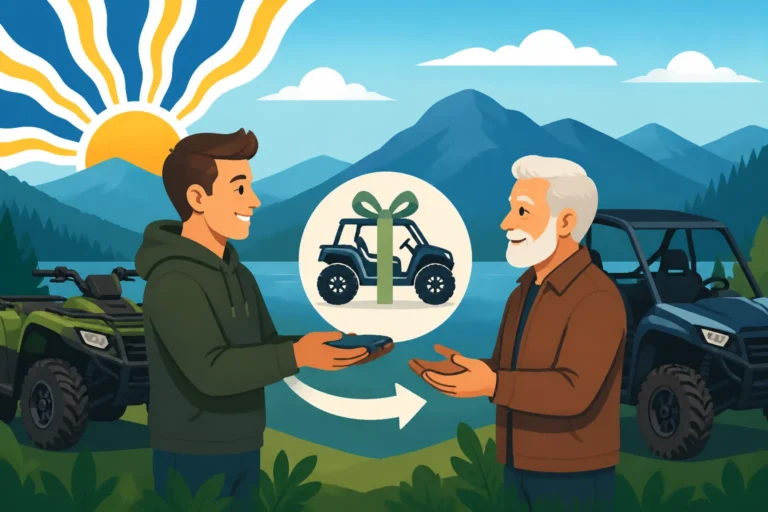
If you're buying a brand-new ORV from a dealer, they'll typically handle the initial registration process and fold any associated fees into your purchase agreement. But for many of us, the thrill comes from finding that perfect used machine, a diamond in the rough perhaps, from a private seller. This is where the transfer of ownership fee comes in. Whenever an ORV changes hands, whether through a sale or a gift, the new owner is responsible for registering it in their name. This transfer process incurs a nominal fee set by the province. [BC Charges $28 to Transfer Ownership] is a fixed amount that covers the administrative work of updating the registry to reflect the new owner's details.
It's a small fee, but it's vital to get this transfer done correctly and promptly. Without it, the machine is still officially linked to the previous owner, which can lead to complications down the road. You'll need proper documentation, like a bill of sale, from the seller to facilitate this. Ensure you understand the [BC Transfer of Ownership Explained] process fully to avoid any hitches. If you're planning on buying a used quad, make sure to factor this fee into your total acquisition cost.
Statutory Declarations: The Cost of Missing Paperwork
Here's a scenario many experienced riders in BC have faced: you find an amazing deal on an older quad, perhaps it's been sitting in a barn for years, or maybe the seller just never bothered to keep meticulous records. The problem? There's no original bill of sale, or a critical link in the chain of ownership is missing. This is a common frustration, especially when dealing with machines that predate the mandatory registration requirement that came into effect in 2015. Without proper documentation, an Autoplan broker might not be able to process the registration transfer. In these cases, a statutory declaration becomes your best friend.
A statutory declaration is a formal statement made under oath, attesting to the facts of ownership. It effectively replaces a missing bill of sale, allowing you to declare that you are indeed the rightful owner of the ORV. While the declaration form itself might be readily available (and resources like LawDepot can provide helpful templates), the cost comes from having it properly signed and witnessed by a commissioner for taking affidavits or a notary public. These professionals charge a fee for their services, which can add a bit to your overall registration costs. Typically, [BC Statutory Declarations Cost $15] for the official document itself, but the witnessing fee will be extra. It's a necessary step to overcome the dreaded "continuity of ownership problem" that can otherwise prevent your machine from being legally registered. For more details, look up [BC Statutory Declaration for an ORV].
Provincial Sales Tax (PST) on Your Purchase
Ah, taxes. They're an unavoidable part of most major purchases, and your ORV is no exception. In British Columbia, Provincial Sales Tax (PST) applies to the purchase of off-road vehicles, whether you're buying new from a dealership or used from a private seller. This isn't a fixed fee like the registration or transfer cost; instead, it's calculated as a percentage of the purchase price of your machine. The exact percentage can change over time, so you'll want to verify the current rate when you're making your purchase.
When buying from a dealer, the PST will usually be clearly itemized on your sales invoice. If you're purchasing from a private seller, you'll be responsible for remitting the PST yourself. This is typically done at the same time you register the machine at an Autoplan broker's office. They'll assess the value of the ORV and calculate the PST due. Remember to factor this significant cost into your budget, as it can add hundreds or even thousands of dollars to the total price, depending on the value of your machine. Understanding [BC PST on an ATV Purchase] and [BC PST on a Private ATV Sale] is crucial for budgeting.
The Cost of Mandatory Insurance for Off-Road Use
This is perhaps the most significant ongoing cost associated with operating an ORV in British Columbia, and it’s distinct from the one-time registration fee. While your ORV registration itself doesn't expire annually, certain types of insurance are absolutely mandatory if you plan to ride in specific areas. Understanding these requirements is key not only for budgeting but also for legal compliance and your own peace of mind when out on the trails. This isn't just about covering potential damage to your machine; it's about protecting yourself from liability if an accident occurs.
The Basic Requirement: ICBC Road-Use Insurance for FSRs
If you're planning to ride on a Forest Service Road (FSR) or any other resource road in BC, you must have basic liability insurance. This is non-negotiable and enforced. The provincial insurer, ICBC, provides this specific coverage, typically for a fixed amount of third-party liability—usually $200,000. This insurance is designed to cover damages you might cause to other people or property while operating on these designated roads. It's purchased annually through an Autoplan broker, much like your car insurance, and its cost is separate from the ORV registration fee. While your ORV plate is permanent, this insurance is not; it needs to be renewed each year if you intend to use FSRs.
For many riders, FSRs are the primary arteries to access vast swaths of Crown land, so this annual insurance policy becomes a mandatory recurring expense. It's crucial to budget for this, as getting caught riding an FSR without the proper coverage can lead to significant fines. Remember, [BC Requires $200,000 on a Forest Service Road] is a hard rule, not a suggestion. When you register your machine, you'll often buy this basic insurance right there at the broker's counter, getting your [BC Insurance Bought With Registration] all in one go.
Voluntary Insurance for Other Crown Land and Private Policies
Beyond the mandatory ICBC FSR coverage, you'll find a different landscape for other types of riding. For much of BC's general Crown land – the vast wilderness areas where many of us love to explore – liability insurance is technically voluntary. This means while it's highly recommended for your protection, it's not legally mandated in the same way it is for FSRs. However, riding without any liability coverage on Crown land is a huge risk, leaving you personally exposed to potentially enormous costs if you're involved in an accident that causes injury or property damage.
Many riders choose to purchase additional, private insurance policies from other providers. These private policies can offer much higher liability limits, often extending to $1 million or $2 million, and can also include comprehensive coverage for damage to your own machine, theft, and other perils. The cost of these policies varies widely based on your machine type, riding history, the coverage limits you choose, and the insurer. While [BC Liability Is Voluntary on Other Crown Land], it's a decision that weighs heavily on financial risk versus upfront cost. Looking into [BC ATV Insurance Requirements] and [BC ATV Insurance Cost Per Year] will give you a better idea of what to expect annually.
Other Potential Costs and Considerations
Beyond the core registration and mandatory insurance, there are a few other costs and considerations that might pop up during your ORV ownership journey in British Columbia. These are typically less frequent or optional, but it's good to be aware of them so you're not caught off guard. From replacing lost items to investing in safety, being informed about these possibilities ensures you have a comprehensive understanding of the financial aspects of ORV ownership.
Plate Replacement Fees
It happens to the best of us: a plate falls off on a bumpy trail, or perhaps it's damaged beyond recognition in a minor mishap. If your ORV plate is lost, stolen, or becomes too damaged to be legible, you'll need to get a replacement. There is a nominal fee associated with obtaining a new plate. This cost covers the administrative process of issuing a new plate and updating the registry. While it's not a huge expense, it's definitely something you want to avoid if possible by ensuring your plate is securely mounted and regularly checked for visibility. Keeping your plate clean and securely attached can save you a trip to the broker and the replacement fee. You can find more details under [BC Plate Replacement If Lost].
Broker Fees for Registration Services
While the provincial government sets the official fees for registration and transfers, the vast majority of ORV owners process their paperwork through an Autoplan broker. These brokers provide a valuable service, guiding you through the often-complex requirements, ensuring all your documents are in order, and submitting everything on your behalf. Like any service provider, brokers are entitled to charge a small service fee for their time and expertise in facilitating your registration or transfer.
This fee is usually quite modest and is separate from the actual government fees. It's the cost of convenience and professional assistance. Most people find these fees well worth it, especially when dealing with tricky situations like missing paperwork or complex ownership chains. It’s always a good idea to confirm any potential broker service fees upfront when you visit their office. Many new riders appreciate having a local expert to walk them through the process, as outlined in [BC Autoplan Brokers Handle ORV Registration].
Training and Safety Courses Optional but Recommended
While BC doesn't mandate safety training courses for adult ORV operators, investing in one is a smart move that can pay dividends in safety and skill development. These courses, often offered by certified instructors across the province, teach essential riding techniques, trail etiquette, environmental awareness, and emergency preparedness. They can be particularly beneficial for new riders or those looking to improve their skills and confidence. For younger riders, there are specific supervision and training requirements that may apply, making these courses even more pertinent.
The cost of these courses varies depending on the provider, the length of the course, and whether it includes hands-on riding instruction. While it's an optional expense, consider it an investment in your safety and enjoyment of the sport. Knowing the rules and how to handle your machine effectively can prevent accidents, which in turn saves you from potentially much larger costs like repairs, medical bills, or fines. Check out [BC ATV Safety Training Options] for information on available courses and [BC Safety Course Cost] to get an idea of the financial investment.
Summary of ORV Registration and Associated Costs in BC
To help you visualize the different costs involved, here’s a quick summary table. Remember that specific dollar amounts can change, so always verify the latest figures with an Autoplan broker or on the official government websites.
| Cost Category | Type of Cost | Frequency | Estimated Cost Shape | Notes |
|---|---|---|---|---|
| Core ORV Registration | Government Fee | One-Time | Nominal Fixed Fee | Paid once per machine, lasts as long as you own it. Issued a plate & certificate. |
| Transfer of Ownership | Government Fee | Per Transaction | Nominal Fixed Fee | Paid by new owner when buying a used machine. Requires bill of sale. |
| Statutory Declaration | Professional Fee (+Gov) | Per Transaction | Variable (Witnessing) | Required if bill of sale or ownership chain is missing. Witnessing fee varies. |
| Provincial Sales Tax (PST) | Government Tax | Per Purchase | Percentage of Sale Price | Applied to new and used ORV purchases. Calculated at time of registration. |
| FSR Liability Insurance | Insurance Premium | Annual | Variable | Mandatory for Forest Service Roads. Covers third-party liability ($200,000). |
| Voluntary Private Insurance | Insurance Premium | Annual | Variable | Optional; higher liability, comprehensive coverage for other Crown/private land. |
| Plate Replacement | Government Fee | As Needed | Nominal Fixed Fee | For lost, stolen, or damaged plates. |
| Autoplan Broker Service Fee | Service Fee | Per Transaction | Small Fixed Fee | Discretionary fee charged by broker for processing paperwork. |
| Safety Training Courses | Educational Cost | Optional | Variable | Highly recommended for new riders, skill development. Costs vary by provider. |
Understanding these various costs will allow you to budget effectively for your ORV adventures in British Columbia. While some are one-time expenses, others, particularly insurance, will be recurring, but all are part of being a responsible and legally compliant rider.
Disclaimer
This article is for general informational purposes only and does not constitute professional advice. Laws, prices and regulations vary by location and change over time. Consult a qualified professional for guidance on your specific situation.