Enduro Park Canada’s 25-Acre Training Ground
A 25-acre riding area can sound either too small for a worthwhile day or just right for learning without committing to a remote backcountry route. Enduro Park Canada’s training ground gives riders a place to think about skills, machine fit, and preparation before they go. This guide explains how to plan a visit and what to confirm first.
What to Expect From Enduro Park Canada’s 25-Acre Training Ground
Why a compact training area can be useful
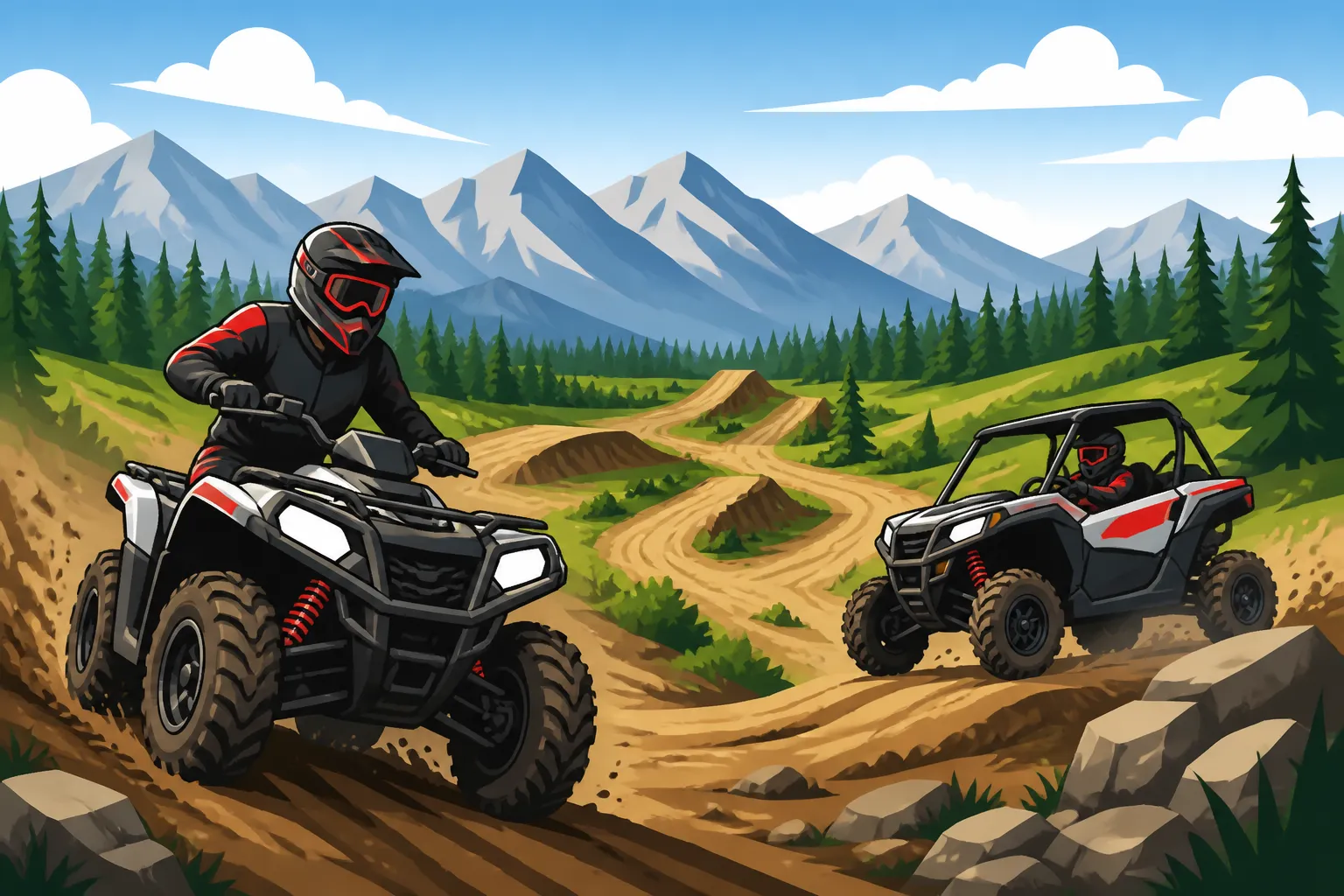
A 25-acre training ground is a different kind of ride from a long trail network. The appeal is not necessarily covering distance; it is having room to practise, become familiar with a machine, and work on handling in a more contained setting. That can be reassuring if you are new to ATVs or side-by-sides, returning after a long break, or riding with someone who wants to build confidence before heading farther afield.
A compact area can also make it easier to keep a group together. On a remote trail, riders may spread out, lose sight of one another, or reach an obstacle at different times. In a training setting, you can pause, talk through what happened, and take another run at a skill when appropriate. Still, a smaller area is not automatically easy or risk-free. Terrain, weather, machine capability, and rider experience all affect how challenging a route feels.
The name and acreage alone do not tell you what the ground includes. Don’t assume there are particular obstacles, separate beginner and advanced zones, instruction, rentals, washrooms, fuel, or open riding hours. Before travelling, confirm what the park currently offers, whether access is by reservation, what machines are allowed, and whether you need to bring your own gear. That small bit of checking can save a long drive and an awkward surprise at the entrance.
Who may benefit from a training ground
A training area may suit a first-time rider who wants to get comfortable with throttle control, braking, and turning before tackling a longer ride. It may also suit an experienced rider testing a newly purchased machine or getting used to the feel of a different ATV or UTV. Familiarity matters: a machine that feels predictable on a flat driveway can respond very differently on uneven or loose ground.
Families and mixed-experience groups may appreciate having a place to decide what each rider can manage. But the presence of a controlled riding area does not remove the need to follow age, supervision, passenger, and manufacturer guidance. If a young person is riding, check the rules that apply to their age and machine, and review BC Youth Riding Rules Explained before making plans. Do not treat a training ground as permission to put a child on a machine that is too large or beyond their ability.
A training visit can also be useful for someone who usually rides only at a cabin or on private property. It creates an opportunity to assess readiness before a bigger outing, but it does not replace learning the rules for wherever you plan to ride next. The access requirements for a managed site, private land, Crown land, and a resource road can differ. Check the rules for your actual destination rather than assuming one successful practice ride covers every situation.
Plan Your Visit Before You Load the Trailer
Confirm access, machine rules, and what is included
Before setting out for Enduro Park Canada, confirm the practical details directly with the park. Ask whether the training ground is open on your intended day, whether you need to book, which machine types are accepted, and whether there are restrictions based on size or equipment. If you are bringing a UTV, check width and passenger requirements rather than assuming it will be accepted because ATVs are.
Ask what your admission or booking includes. A facility may have its own access conditions, operating procedures, or requirements for safety gear; those details are not something to guess from the acreage or name. Find out whether instruction is available, whether you must bring your own machine, and what happens if weather or site conditions change. If you are travelling from outside the area, ask about parking and trailer staging, too.
Use a checklist before leaving home:
- Confirm that the park is open and that your machine is permitted.
- Check whether you need to book or complete any paperwork.
- Ask what protective equipment is required and what you must supply.
- Confirm the arrival location, parking arrangements, and any site-specific directions.
- Check the forecast and ask whether rain or other conditions affect access.
- Bring the machine’s documents and any identification or proof of permission that may be required.
If your ride includes public riding land beyond the training ground, review BC ATV Trails: Where to Ride and check local access information. A park visit does not establish that nearby roads or trails are open to motorized use.
Prepare your ATV or UTV for a practice session
Give the machine a basic inspection before loading it. Check the tires for visible damage and suitable pressure, test the brakes, look for loose controls or bodywork, and confirm the throttle returns smoothly. Check fuel, fluids, lights, and any safety equipment specified by the manufacturer. If the machine has been sitting for months, a quick driveway start is not a substitute for checking that it is ready to run reliably.
Bring a tool kit suited to your machine, a first-aid kit, drinking water, and weather-appropriate layers. A small practice session can still involve heat, rain, dust, or a minor mechanical issue. For an ATV, make sure your helmet fits securely and is in good condition. For a side-by-side, check that occupants understand seat-belt use and know where the controls and emergency shutoff are. Review BC ATV Safety Training Options if you want structured learning beyond practising independently.
Think about the equipment you may need for the terrain, but avoid adding modifications without a clear reason. A snorkel, winch, or aggressive tire setup is not automatically necessary for a training ground. Instead, ask the park what conditions to expect and follow the manufacturer’s guidance. If the location is muddy or rocky, learn whether those conditions are part of the available riding area before you decide how to prepare.
| Before your visit | What to confirm or bring | Why it matters |
|---|---|---|
| Access | Opening status, booking, and arrival details | Prevents a wasted trip |
| Machine | Accepted type, size limits, and condition requirements | Ensures your ATV or UTV is suitable for the site |
| Safety gear | Required helmet, protective clothing, and other equipment | Helps you arrive prepared |
| Trailer | Parking and unloading arrangements | Makes arrival smoother and safer |
| Riding plans | Whether you will ride only at the park or continue elsewhere | Rules and access can differ by location |
| Backup plan | Weather, closure, or mechanical issue arrangements | Keeps a small problem from becoming a major inconvenience |
Ride With a Learning Plan, Not a Need to Prove Yourself
Start with a calm familiarization lap
When you arrive, take time to understand the site’s rules and layout before starting the engine. Ask where to unload, where riding is allowed, and whether there are marked areas or one-way procedures. If an orientation is offered, pay attention even if you have years of riding experience. Each site can have specific boundaries and hazards, and a familiar machine does not make you familiar with the ground.
Begin with a slow lap in an area you can comfortably manage. Practise starting, stopping, turning, and looking ahead rather than focusing on speed. On an ATV, riders often tense up and stare at the front tires when they feel uncertain; that can make it harder to respond smoothly. On a UTV, remember that its width, weight, and turning behaviour are different from a quad’s. Give yourself time to learn how it reacts before attempting more demanding ground.
If you are riding with a group, agree on a simple way to stop and regroup. Keep enough space between machines to respond safely, and do not follow so closely that dust or a sudden stop becomes a problem. A more experienced rider can help by demonstrating a technique slowly, but avoid pressuring someone to attempt an obstacle just because other people have already done it.
Choose one skill to practise at a time
A useful practice session does not have to mean conquering every feature in the area. Pick one manageable skill, such as controlled braking, smooth acceleration, turning at low speed, or choosing a line across uneven ground. Practise it at a comfortable pace, take a break, and notice what feels more predictable. Repeating a basic manoeuvre can be more valuable than making one fast pass through a challenging section.
If the ground is wet, visibility is poor, or you feel tired, scale back. Mud can conceal ruts and slippery surfaces, and fatigue can make riders less patient with the controls. Stop if the machine develops an unusual sound, smell, vibration, or warning light. A training ground is a sensible place to recognize a problem early—not a reason to keep riding through it.
Use a map as a planning aid, not as proof of access. A mapping app such as onX Offroad can help you review the general area and organize route notes before a trip, but app information does not replace posted signs, site instructions, or confirmation from the land manager. Treat onX Offroad as one piece of your preparation, especially when a planned ride may extend beyond the training ground. Likewise, do not assume a track displayed on a map is open to motorized use.
Turn a Training Visit Into a Better Island Riding Plan
Keep the training ground separate from public trails
Enduro Park Canada’s 25-acre training ground and a longer Vancouver Island ride are two different planning decisions. A visit to a controlled riding area does not grant access to surrounding forest roads, Crown land, private property, or protected areas. Before extending your outing, confirm who manages the route and whether motorized riding is permitted there. Check gates and signs on arrival because road status and access conditions can change.
If your plans include a Forest Service Road, learn what to expect from industrial traffic and road rules before you go. BC Forest Service Road Rules for ORVs is a useful starting point for understanding that riding on an FSR is not simply the same as riding in a closed practice area. Make sure your machine and insurance arrangements suit the route, and follow posted restrictions. Where a road is active, logging trucks and other work vehicles may have limited room to manoeuvre; ride cautiously and yield as required.
Planning tools can help you prepare, but they cannot settle every access question. You might use onX Offroad to mark a staging area or save an intended route, then check the relevant site information and signs before riding. If a route crosses private or leased land, get permission from the appropriate person. If you are unsure whether a track is open, choose a confirmed route rather than trying it and hoping access is allowed.
Pack for conditions and leave room to change the plan
Vancouver Island weather can make a short outing feel different from the forecast you checked at home. Bring layers, rain protection, water, and a way to contact your group if you become separated. Cell coverage may be limited once you leave developed areas, so make a communication plan before departing. Tell someone where you expect to ride and when you plan to return, especially if your itinerary goes beyond the training ground.
After the visit, take a few minutes to note what you learned. Did the machine feel comfortable on uneven ground? Did the helmet fit properly after an hour? Was the route too difficult for a newer rider, or did the group need more breaks? Those observations make the next ride easier to plan, whether you return to a training environment or choose an easier trail. You can also check onX Offroad while planning a future trip, then confirm access and current site rules independently before you go.
Finally, keep the visit enjoyable by treating confidence as something that builds gradually. There is no prize for riding the most difficult feature or staying out after you are tired. A successful day might simply be a first ride on a new UTV, a better understanding of braking, or a family outing where everyone finishes comfortable and ready to ride again. For more area-planning ideas, see BC Vancouver Island Riding Areas and Best BC ATV Trails for Beginners. If your next outing is on a road rather than a managed training ground, review BC ATV Insurance Requirements and the rules that apply to that specific route.
Disclaimer
This article is for general informational purposes only and does not constitute professional advice. Laws, prices and regulations vary by location and change over time. Consult a qualified professional for guidance on your specific situation.