BC Rules for a Child Under 16
It's no secret that getting out on an ATV or UTV with your kids in British Columbia can be an incredible family experience, creating memories that last a lifetime. But let's be honest, trying to figure out all the rules and regulations, especially when it comes to young riders, can feel like navigating a maze blindfolded. This guide is here to shed light on exactly what BC's Off-Road Vehicle (ORV) Act requires for anyone under the age of 16, so you can ride with confidence and peace of mind.
The Core of BC's ORV Rules for Young Riders: Understanding the Basics
Bringing your kids into the world of off-roading is exciting, but it comes with a big responsibility. British Columbia has specific regulations designed to keep young riders safe, and understanding them isn't just about avoiding a ticket – it's about protecting your child and others on the trails. These aren't just suggestions; they are the law, and they apply whenever your child is operating an ORV on Crown land, including those vast networks of [BC Resource Roads Count as Crown Land] and managed trails.
Who Qualifies as a "Child" Under the Act?
When the BC Off-Road Vehicle Act talks about "children" or "young riders," it's specifically referring to anyone under the age of 16. The rules for this age group are quite distinct from those for adults, and for good reason. It acknowledges that younger individuals have different levels of physical development, judgment, and experience compared to adults. The Act sets out a framework to ensure that when a child is operating an ORV, there are safeguards in place to mitigate risks. This isn't about stifling fun, but about ensuring that fun is had responsibly. It’s also important to remember that these rules apply to all types of ORVs, whether it's a quad, a dirt bike, a snowmobile, or a side-by-side. The type of machine doesn't exempt a child from these foundational age-based requirements.
When we talk about 'operating' an ORV, it's not just about actively driving down a trail. It can also encompass starting the machine, steering it, or being in control of its movement. So, even if a parent is technically guiding a child's hands on the handlebars, if the child is the primary operator, these rules will kick in. This broad interpretation ensures that the spirit of the law, which is rider safety, is always upheld. Ignoring these definitions can lead to unintended consequences, so it's best to be clear from the outset about what "under 16" truly means in the eyes of BC law.
Why These Rules Exist: Safety First
The primary driver behind BC's ORV rules for young riders is, quite simply, safety. ORVs, while incredibly fun, are powerful machines that require skill, judgment, and an understanding of the terrain. Children, by nature, are still developing these critical faculties. A sudden bump, an unexpected turn, or an encounter with other trail users can quickly escalate into a dangerous situation if a rider lacks the necessary experience or physical capability. These rules are a proactive measure to prevent accidents and serious injuries. They reflect a common-sense approach to managing risk in a recreational activity that inherently carries some level of danger. Think of it as a protective layer, ensuring that children are introduced to off-roading in a structured and controlled manner.
The statistics often speak for themselves: improper supervision, riding a machine too large for one's age or size, and a lack of appropriate safety gear are all significant contributors to ORV-related injuries among youth. By setting clear guidelines, the province aims to reduce these incidents, allowing families to enjoy the outdoors without undue worry. It’s about creating a culture of responsibility that starts from a young age. These rules also emphasize the vital role of the adult supervisor, placing the onus on them to ensure that every aspect of the child's ride meets legal and safety standards. Many experienced riders will tell you that the trail can throw curveballs, and having an adult's seasoned judgment nearby can make all the difference. This commitment to safety also extends to the design of machines; companies like SuperATV, while not specifically making youth machines, focus on robust components that contribute to overall machine safety, which can indirectly benefit a family's general trail preparedness.
Navigating Supervision: What Parents Need to Know
This is often where parents get tripped up, and understandably so. The idea of letting your child ride independently sounds great, but BC law has very specific requirements for how and when a child under 16 can operate an ORV. It’s all about a balance of freedom and watchful eyes.
The "Visible and Immediate Direction" Mandate
This phrase is probably the most critical part of the rules for young riders. For any child under 16 operating an ORV on Crown land, they must be under the direct supervision of an adult who is 19 years or older. This supervisor must be able to provide "visible and immediate direction" to the child. What exactly does that mean in the real world?
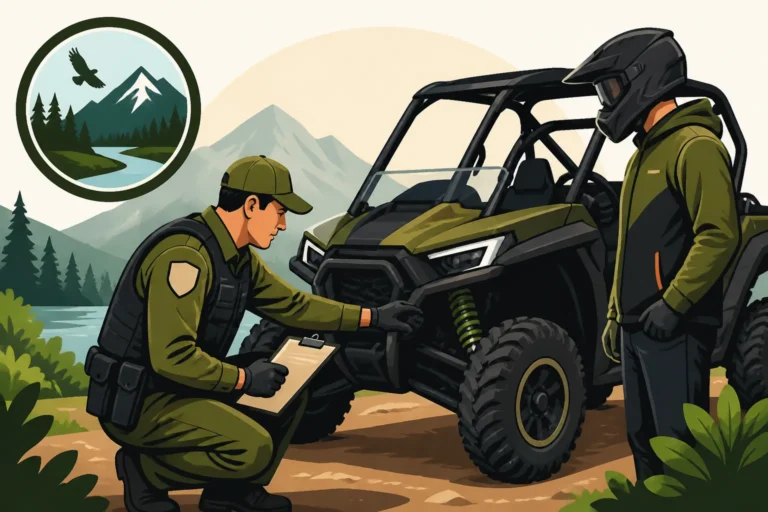
It doesn't mean you can drop your child off at one end of a trail and meet them at the other. It means the supervising adult needs to be physically present, in close enough proximity to see the child at all times, and capable of intervening or giving instructions instantly if needed. Imagine your child crests a blind hill or approaches a tricky water crossing. You need to be right there, able to shout a warning, signal them to stop, or even physically assist if they get into trouble. This often means riding on another ORV yourself, either directly behind or slightly ahead, or even having the child ride a smaller, slower machine where you can easily keep pace.
Consider a scenario: your 12-year-old is confidently riding their small quad on a wide, open trail. You, the supervising adult, are on your own machine a few hundred feet behind. Suddenly, another rider comes around a corner quickly. Your ability to provide "immediate direction" to your child—like telling them to pull over or slow down—is paramount. If you're too far back to be seen or heard clearly, or if you can't react within a split second, you're not meeting the legal requirement. This rule reinforces the idea that an adult's experience and judgment are crucial assets for a young, developing rider. Ensure that you’re always within visual range and earshot, even if the trail seems easy. This hands-on approach to supervision is a cornerstone of [BC Youth Riding Rules and Supervision].
The Specifics for 14 and 15-Year-Old Operators
While all riders under 16 require supervision, there's a special carve-out for 14 and 15-year-olds that often causes confusion. If a child in this age group wishes to operate an ORV on Crown land, they must still be under the supervision of an adult aged 19 or older, capable of providing "visible and immediate direction." However, there’s an additional requirement: they must also carry written permission from their parent or guardian.
This written permission isn't just a casual note; it needs to clearly state that the parent or guardian authorizes the 14 or 15-year-old to operate an ORV. While there isn't a specific provincial form for this, it should contain sufficient detail to satisfy an officer if requested. Think of it like a letter of consent, confirming that you, as the parent, are aware of and approve your child's off-road activities under supervision. It's an extra layer of parental consent that reinforces the responsibility of the adult and ensures that parents are fully engaged in their child's riding endeavors. It's a small piece of paper that carries significant weight in ensuring compliance.
This permission helps to verify that the child isn't just out riding without their parents' knowledge or blessing. An officer performing a check on the trail may ask for this document, alongside the adult supervisor's identification and proof of the ORV's registration. It's another aspect of the thoughtful approach BC takes to youth safety in off-roading. Without this written permission, even with an adult supervisor present, a 14 or 15-year-old could be considered in violation of the Act. Always ensure this letter is with them, perhaps laminated and kept with other essential documents like their [BC Riders Must Carry the Certificate] of registration for the machine they are operating, if applicable.
The Role of the Supervising Adult
The adult supervisor (19 years or older) isn't just a bystander; they are legally responsible for ensuring the child's compliance with all aspects of the ORV Act and its regulations. This includes making sure the child is riding an appropriate machine, wearing the correct safety gear, and operating the ORV in a safe and responsible manner. This isn't a passive role; it requires active engagement and vigilance.
The supervising adult should ideally be an experienced rider themselves, capable of anticipating potential hazards and guiding the child through challenging terrain. They should also be familiar with the machine the child is operating, understanding its capabilities and limitations. Beyond just the immediate supervision, the adult is also responsible for basic items like ensuring the ORV is registered, if required for the riding area, and that any necessary insurance is in place. [BC Autoplan Brokers Handle ORV Registration] and insurance, so it’s always good to consult them about coverage for young riders.
| Age of Rider | Supervision Requirement | Written Permission (from parent/guardian) | Can Carry Passenger |
|---|---|---|---|
| Under 14 | YES (Adult 19+, Visible & Immediate Direction) | NO (N/A, inherent in direct supervision) | NO (Prohibited) |
| 14 & 15 | YES (Adult 19+, Visible & Immediate Direction) | YES (Required) | NO (Prohibited) |
| 16 & Over | NO (Can ride independently) | NO (N/A) | YES (If manufacturer permits) |
This table clearly outlines the different expectations based on age. It’s a handy reference to keep in mind, especially when planning family rides. Remember, the supervising adult is essentially the guardian of safety and compliance for the young rider on the trail. Their presence and active direction are non-negotiable legal requirements, ensuring that the child is not just riding, but riding safely and responsibly.
Machine and Gear: Keeping Your Young Rider Safe and Legal
Beyond supervision, the choice of machine and the proper use of safety gear are paramount for child riders. BC's rules, while not explicitly detailing every piece of equipment beyond helmets, implicitly rely on industry standards and common sense to ensure a safe environment.
Manufacturer Guidelines and Machine Sizing
This is a huge one, and it's often overlooked. Every ATV and UTV manufacturer provides age and size recommendations for their machines. These aren't arbitrary suggestions; they are based on extensive research and engineering to match the machine's power, weight, and handling characteristics to a rider's physical capabilities and developmental stage. For instance, a small "youth" quad might be designed for riders 6 years and older, while a larger, more powerful machine might be for 16+.
Putting a child on a machine that is too big or too powerful for them is incredibly dangerous, regardless of how good their supervision is. A machine that’s too heavy can be difficult to control, especially if it tips. A machine that’s too powerful can accelerate faster than a child can react. Even seemingly minor details, like the reach to the handlebars or brake levers, or the ability to comfortably operate foot controls, are critical for safe operation. Always, always adhere to the manufacturer's recommended age and weight guidelines for any ORV your child operates. Don't fall into the trap of thinking they'll "grow into it" or that they're "advanced for their age." The engineering behind these recommendations is there for a reason, and it's for your child's protection.
Beyond just the machine's overall size, consider how easily your child can physically manipulate the controls. Can they comfortably reach and squeeze the brake levers? Can they turn the handlebars fully without stretching uncomfortably? Is their throttle control smooth and not jerky? These are all factors that contribute to safe operation. While companies like SuperATV focus on aftermarket parts for a wide range of machines, many of these parts are designed to enhance the safety and control of the vehicle for adult riders, which underscores the importance of a properly matched machine for a child. A child's ability to safely operate a machine is directly tied to how well the machine fits their body and skill level.
Non-Negotiable Safety Equipment
When your child is operating an ORV in BC, certain safety equipment is absolutely non-negotiable. The most prominent and legally required item is a helmet.
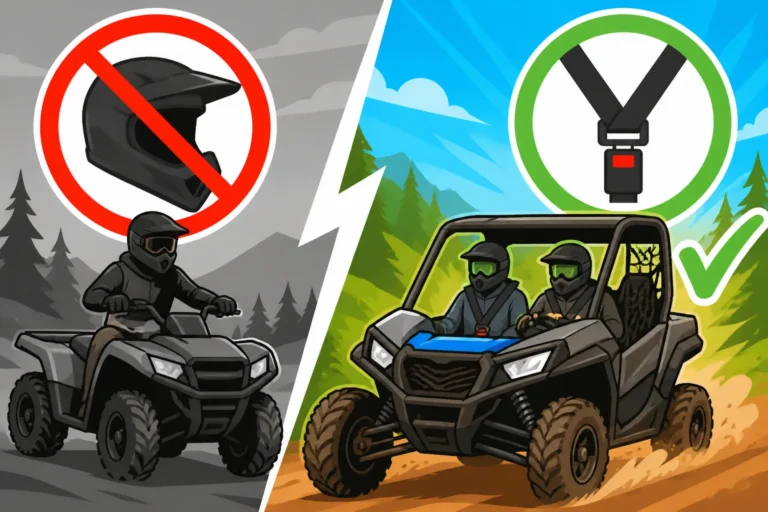
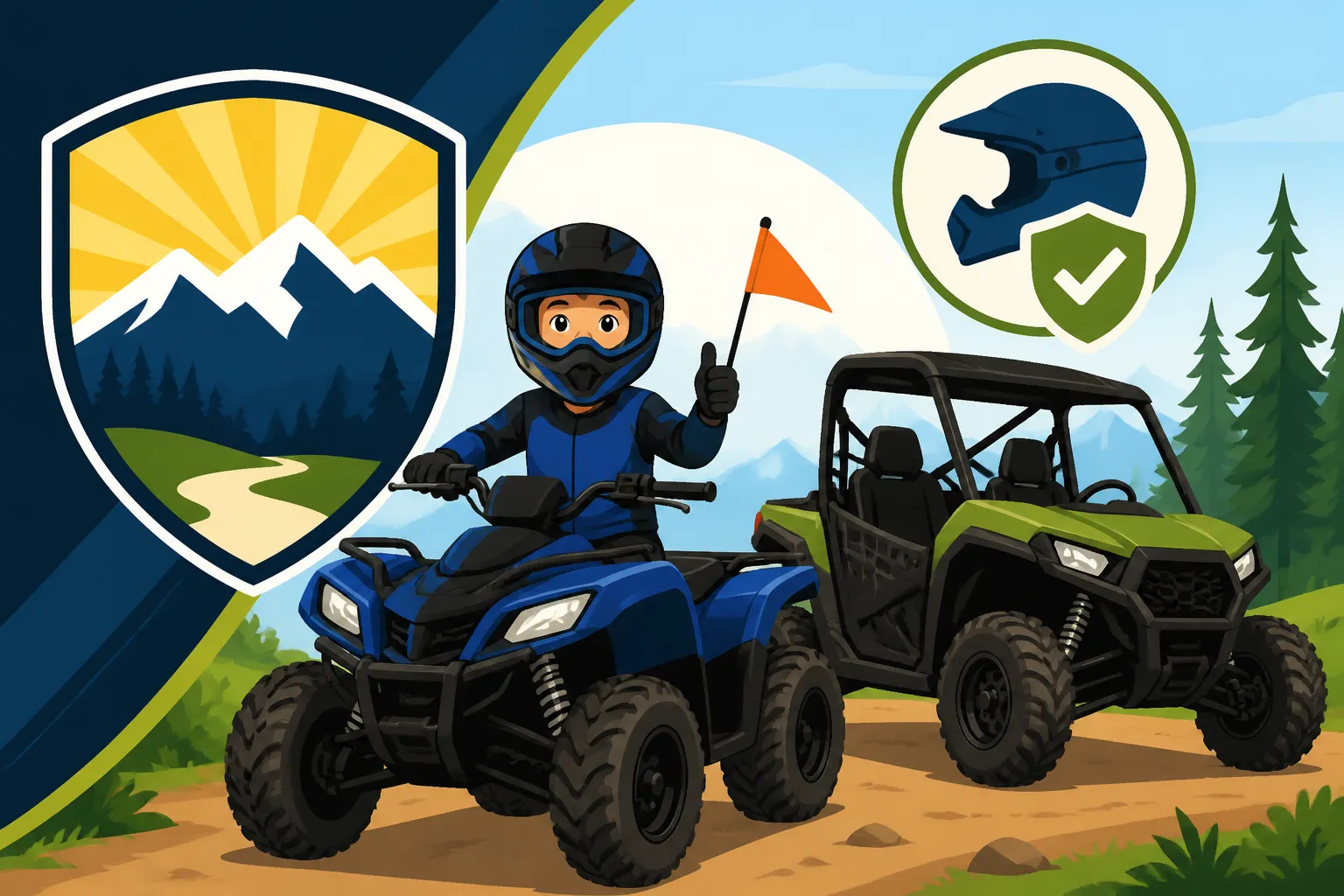
The [BC Helmet Law Covers Every Rider] of a ride-astride ORV, regardless of age, whenever the machine is in operation. This isn't just for trail riding; it's whenever the machine is moving, even if it's just puttering around a staging area. The helmet must be properly fitted, securely fastened, and meet specific safety standards (such as DOT, Snell, or ECE certifications). A helmet that's too big or too small, or one that's not properly buckled, offers minimal protection.
Beyond the helmet, while not explicitly mandated by the ORV Act itself, other protective gear is highly recommended and considered standard practice for responsible off-roading, especially for children:
- Eye Protection: Goggles or a full-face helmet visor are essential to protect against dust, debris, branches, and insects.
- Gloves: Protect hands from scrapes, blisters, and provide a better grip on the handlebars.
- Long-sleeved Shirt and Pants: Thick, durable clothing helps protect against abrasions, cuts, and minor impacts.
- Over-the-Ankle Boots: Sturdy boots protect feet and ankles from impacts, provide grip, and prevent them from slipping off footpegs.
- Chest Protector: Especially for dirt bikes, a chest protector can significantly reduce the risk of injury to the torso.
Think of it this way: if your child is going to operate a machine that weighs hundreds of pounds and travels at speed, every precaution should be taken. The cost of proper safety gear is a small investment compared to the potential consequences of an injury. Ensure that all gear fits correctly and is in good condition.
Can a Child Operator Carry a Passenger?
This is a firm and unambiguous "NO" under BC's ORV Act. A child operator, meaning anyone under the age of 16, is prohibited from carrying a passenger on any ORV. This rule is in place for several crucial safety reasons.
Firstly, a child's judgment and reaction time are still developing. Adding the weight and distraction of a passenger further compromises their ability to control the machine, especially in unexpected situations. A sudden shift in a passenger's weight can drastically alter the machine's balance, increasing the risk of a rollover or loss of control. Secondly, many youth-sized ORVs are designed for a single rider and may not have the structural integrity, seating, or footpegs to safely accommodate a passenger. Overloading a machine can affect its handling, braking, and stability.
This rule applies universally across all types of ORVs—quads, dirt bikes, side-by-sides—if the operator is under 16. Even if a side-by-side technically has multiple seats, if a child under 16 is driving it, they cannot have anyone else in the machine with them. This is a clear line in the sand for safety. The risk of injury to both the child operator and the passenger is significantly elevated when this rule is ignored. Parents must ensure that this rule is strictly adhered to, protecting not only their own child but also any friends or family members who might otherwise be tempted to ride as a passenger with a young operator. This is an explicit part of BC Rules for a Child Under 16.
Consequences and Best Practices for a Smooth Ride
Knowing the rules is half the battle; the other half is understanding what happens if you don't follow them and how to cultivate the best riding experience for your family.
Penalties for Non-Compliance
Ignoring BC's ORV rules for child operators can lead to significant consequences, not just for the supervising adult but potentially for the young rider as well. Conservation Officers, RCMP, and other enforcement personnel regularly patrol Crown lands, including popular riding areas and [BC Forest Service Road Requirements]. They are well-versed in the ORV Act and are prepared to issue fines for non-compliance.
Fines can be issued for various infractions, such as a child riding unsupervised, a 14 or 15-year-old riding without written permission, or a child operating a machine without a helmet. These are not minor penalties; violation tickets can carry substantial monetary fines. Beyond the financial hit, there's the inconvenience and stress of dealing with enforcement, and in severe cases, repeated violations could even lead to more serious legal repercussions. The goal of enforcement is not just punishment, but to deter unsafe practices and ensure everyone's safety on the trails. It's a clear message that these rules are taken seriously.
It's also worth noting that if an accident were to occur while a child was operating an ORV in violation of the Act (e.g., unsupervised or without a helmet), it could significantly impact insurance coverage. While [BC Liability Is Voluntary on Other Crown Land], having proper coverage is crucial, and riding outside of the legal requirements could void aspects of your policy. Therefore, understanding and adhering to these rules is critical not only for legal compliance but also for your financial protection and peace of mind.
Recommended Training and Club Involvement
While formal training isn't mandatory for every child ORV operator in BC, it is highly recommended. A certified ORV safety course can provide invaluable skills and knowledge that go far beyond what a parent can teach in an informal setting. These courses cover everything from proper riding techniques, hazard perception, basic machine maintenance, and ethical trail use. They teach children how to react in various situations, how to handle their machine safely, and how to respect the environment and other users.
There are several recognized safety course providers in BC that offer youth-specific training. Investing in one of these courses is one of the best ways to prepare your child for safe and responsible off-roading. It instills good habits from the start and gives them a solid foundation of skills that will serve them well throughout their riding life. It also builds confidence in a structured environment.
Joining a local ATV or UTV club can also be incredibly beneficial. Clubs often organize supervised group rides, provide opportunities for youth training, and foster a community of responsible riders. Being part of a club means access to experienced mentors, trail maintenance efforts, and often, insurance discounts. [What the Provincial Federation of ATV Clubs Does] includes advocating for rider rights and promoting safety. These organizations are passionate about the sport and are excellent resources for families looking to introduce their children to off-roading safely and responsibly. They often have specific events or programs tailored to [BC Trails for Kids] and can provide local insights into the best places for young riders to gain experience. Beyond safety, it's about fostering a love for the sport and the outdoors in a community that values responsible riding.
Disclaimer
This article is for general informational purposes only and does not constitute professional advice. Laws, prices and regulations vary by location and change over time. Consult a qualified professional for guidance on your specific situation.