Importing a Machine Into Canada
Bringing an off-road vehicle (ORV) like an ATV, UTV, or dirt bike into Canada can feel like navigating a complex maze, especially when you're dreaming of hitting those incredible BC trails. Many riders get frustrated by the seemingly endless paperwork and the fear of missing a crucial step, which can lead to delays or unexpected costs. This guide is here to demystify the process of importing your machine into Canada and getting it registered for use in beautiful British Columbia, helping you avoid common headaches and get riding sooner.
Understanding the Initial Hurdles: Why Importing an ORV Isn't as Simple as Driving It Across the Border
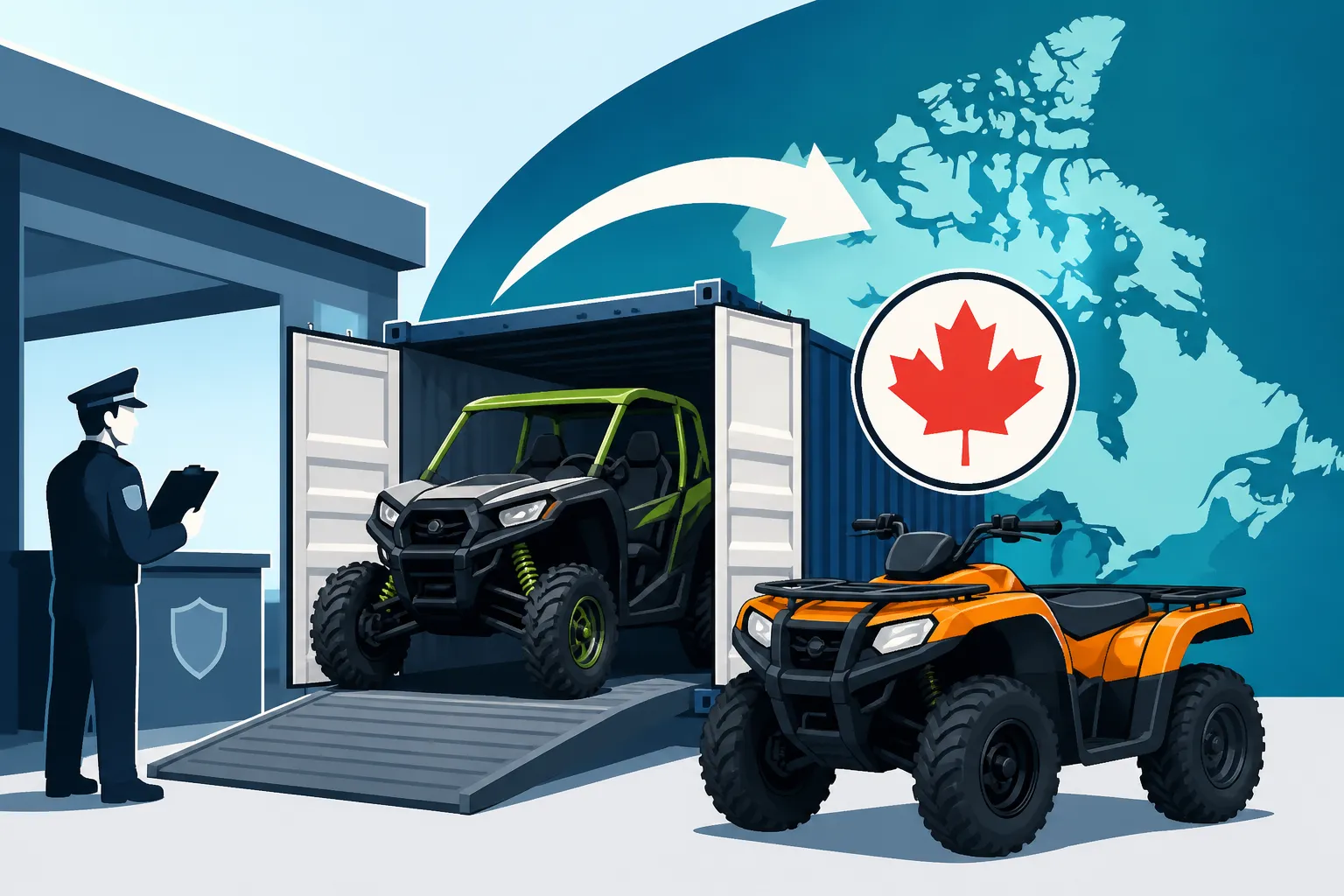
You might think that if you've bought a quad in, say, Washington State or Alberta, bringing it into BC would be a straightforward affair. Unfortunately, that's not always the case. There are two distinct layers of bureaucracy you need to contend with: federal customs and provincial registration. The federal government, through the Canada Border Services Agency (CBSA), is concerned with the machine's entry into the country and collecting duties and taxes. Once it's cleared federally, then British Columbia's Off-Road Vehicle Act steps in, requiring you to get a [BC ORV Registration You Pay Once] and an ORV plate through an Autoplan broker.
Many people get tripped up right at the border, thinking they have all their ducks in a row, only to find that their paperwork isn't quite what customs needs, or that there are unexpected fees. Unlike road vehicles, which often go through the Registrar of Imported Vehicles (RIV) program to ensure they meet Canadian safety standards, most ORVs are exempt from RIV requirements. This can be a relief, but it doesn't mean you can just sail through. You still need proper documentation to prove ownership, value, and to ensure you're not importing a stolen machine. Getting these steps wrong can mean frustrating delays, potential penalties, or even having your machine held up indefinitely at the border.
The key is to remember that the federal and provincial systems are separate. Clearing customs doesn't automatically mean your machine is ready to ride on Crown land in BC. It just means it's legally in the country. The next step is to satisfy BC's own requirements, which often involve more detailed ownership history than you might expect, especially if you're importing an older machine.
The Customs Gauntlet: Federal Requirements for Bringing Your Machine into Canada
Before you even think about loading up your new-to-you quad and heading for the border, there's some critical homework to do. The Canada Border Services Agency (CBSA) needs to know exactly what you're bringing in, who owns it, and how much it's worth. Failing to prepare properly for this stage is where most people encounter their first major headache.
Pre-Arrival Checks and Admissibility
First and foremost, you need to ensure your ORV is even admissible into Canada. For most ATVs, UTVs, and dirt bikes, this isn't usually a problem regarding safety standards in the same way it is for a car. However, you'll want to check for any outstanding recalls. While the RIV program doesn't typically apply to ORVs, any manufacturer recalls can still be an issue. It's a good idea to run the VIN (Vehicle Identification Number) through the manufacturer's database to ensure there are no safety issues that might complicate entry. Some manufacturers also have specific import guidelines or declarations that might be helpful to have on hand.
You should also be aware of any modifications made to the machine. While generally not as strict as for on-road vehicles, extreme modifications could raise questions at the border. The goal is to prove your machine is what it purports to be and that it wasn't stolen or illegally modified.
Essential Paperwork for Border Crossing
When you arrive at the border, the CBSA officer will want to see specific documents. Think of these as your machine's passport. The absolute must-haves are:
- Proof of Ownership: This is non-negotiable. You need a clear, legible bill of sale. It must include the full names and addresses of both the buyer and the seller, the date of sale, a detailed description of the ORV (make, model, year, VIN), and the purchase price. A handwritten note on a napkin won't cut it. If you're importing from the United States, a state title (if applicable in that state) or a Certificate of Origin from the manufacturer (for new machines) is also excellent to have.
- Proof of Value: The bill of sale usually serves this purpose. The value declared is what customs will use to calculate any duties and taxes. Be honest here; undervaluing your machine can lead to fines and seizure.
- Photo Identification: Your driver's license or passport.
- CBSA Form B3-2, Canada Customs Coding Form: While typically completed by the customs officer, it's good to be familiar with it. This form is where the duties and taxes are calculated.
For those situations where a professional-looking bill of sale isn't readily available, perhaps from a private seller who just scribbled something down, services like LawDepot can be incredibly helpful. They offer customizable templates for bills of sale and other legal documents, which can give you the professional polish customs officers appreciate, making your life much easier at the border. Having a solid, unambiguous bill of sale from the get-go can prevent a lot of headaches.
Import Duties, Taxes, and Other Fees
When you bring your ORV into Canada, you'll generally be subject to federal Goods and Services Tax (GST) or Harmonized Sales Tax (HST), depending on the province you enter. For British Columbia, it's GST at the federal level. This is calculated on the value of the machine in Canadian dollars. There might also be import duties. The duty rate can vary depending on where the ORV was manufactured. For instance, machines manufactured in the US or Mexico generally qualify for duty-free entry under trade agreements, whereas those from other countries might incur a duty. The customs officer will assess this based on the origin of the machine.
You'll pay these charges directly to the CBSA at the border. Keep the receipts and paperwork you get from customs, as you'll need them for the next step of registering your machine in BC. Remember, these are federal fees. British Columbia's provincial sales tax (PST) will be applied later when you register your machine with an Autoplan broker, which is an entirely separate charge.
From Federal to Provincial: Registering Your Imported ORV in British Columbia
So, you've successfully navigated the border, paid your federal taxes, and your ORV is officially on Canadian soil. Congratulations! But the journey isn't over yet. The next crucial step is getting your machine officially registered under BC's Off-Road Vehicle Act, which became mandatory in 2015. This process happens at an [BC Autoplan Brokers Handle ORV Registration] office.
Required Documents for BC Registration
The Autoplan broker needs to see two main categories of documentation for an imported machine: proof of its legal entry into Canada and proof of your ownership. The good news is that much of the paperwork you used at the border will be vital here.
Here’s a [BC Registration Paperwork Checklist] for an imported machine:
- Your Customs Paperwork: This includes the stamped copy of your bill of sale and the CBSA receipt showing you paid GST/HST and any duties. This is definitive proof that the machine entered Canada legally.
- Original Bill of Sale: The same one you showed at the border, detailing the purchase from the seller.
- Proof of Previous Ownership (if applicable): This is where it can get tricky, especially with older machines. Unlike some jurisdictions, BC often wants to see a continuous chain of ownership documents going back to the last registered owner or even the manufacturer, if possible. This means if you bought an ORV from someone who bought it from someone else, you might need both their bill of sale and the bill of sale from the previous transaction. This helps prevent the registration of stolen machines. For machines from jurisdictions that don't issue titles, this emphasis on bills of sale from every prior owner is even more critical. [Why Every Past Sale Has to Be Documented] explains this in more detail.
- Proof of Identity: Your valid driver's licence or other government-issued photo ID.
- Proof of BC Address: A utility bill, rental agreement, or other official document showing your current BC residence.
- The ORV Itself (sometimes): While not always a hard requirement, some brokers might want to visually verify the VIN on the machine, especially if there are any discrepancies or concerns with the paperwork. It’s always a good idea to have it easily accessible for inspection.
Dealing with Gaps in Ownership History
This is often the biggest hurdle for imported machines, particularly those coming from provinces or states that don't have a robust titling or registration system for ORVs. If you're missing a bill of sale in the chain of ownership, or if the seller you bought it from doesn't have proper documentation from their purchase, you might need to use a [BC Statutory Declaration for an ORV].
A statutory declaration is a sworn statement, made before a lawyer, notary public, or Commissioner for Oaths, where you attest to the facts of your ownership, how you acquired the machine, and why certain documents are missing. This is a serious legal document and should only contain truthful information. It essentially fills in the gaps where a bill of sale would normally be. Again, services like LawDepot can provide templates for statutory declarations, which you can then take to a professional for commissioning. It's an essential tool for establishing [BC Ownership Chains Going Back Decades] when original paperwork has been lost over time.
Provincial Sales Tax (PST) Calculation
In addition to the federal GST/HST you paid at the border, you will also be required to pay BC's Provincial Sales Tax (PST) when you register your imported ORV. This is calculated on the fair market value of the machine. The broker will typically use the purchase price on your bill of sale as the basis for this calculation. If the purchase price seems unusually low, or if you're importing a machine without a clear purchase price (e.g., a gift, though even [BC Gift Letters Between Family] usually declare a nominal value), the broker may refer to industry guides or other sources to determine a fair market value for tax purposes. You can learn more about this in [BC PST on an ATV Purchase].
Once all the paperwork is in order, the fees are paid, and the taxes are settled, the broker will issue you a [BC Certificate of Registration Explained] and your distinctive green BC ORV plate. Your machine will then be legally registered for use on [BC Crown Land Triggers the Registration Rule] and other designated areas in the province.
Common Pitfalls and Pro Tips for a Smooth Import Process
Importing an ORV into Canada and registering it in BC can be smooth, but it requires diligence. Missing a single step can turn your dream ride into a bureaucratic nightmare. Here are some common pitfalls and how to avoid them, along with some invaluable tips to make the process as seamless as possible.
Checking the VIN Before You Buy
One of the most critical steps, often overlooked in the excitement of a new purchase, is thoroughly checking the Vehicle Identification Number (VIN) before you hand over any money. A clean VIN is essential for both customs clearance and provincial registration.
- Stolen Vehicle Check: Run the VIN through a national database for stolen vehicles (like CPIC in Canada or NICB in the US). Some private services can also do this. Finding out your machine is stolen at the border or at the Autoplan broker's office is a horrible surprise.
- Recall Check: As mentioned, while RIV may not apply, checking for manufacturer recalls is still a good practice. It ensures the machine is safe and won't present unexpected issues later.
- VIN Discrepancies: Ensure the VIN on the machine matches exactly what is on the bill of sale and any other ownership documents. Even a single digit mismatch can cause significant delays. Take photos of the VIN plate or sticker on the machine to show the broker if needed.
The Importance of a Clear and Comprehensive Bill of Sale
This cannot be stressed enough: the bill of sale is your golden ticket. Many private sellers, especially for older machines, might provide a simple, vague receipt. This is a recipe for trouble.
- Detailed Information: Insist on a bill of sale that includes: full legal names and contact information for both buyer and seller, the full VIN, make, model, year, exact purchase price, and the date of sale.
- Signatures: Both parties must sign it, and it's a good idea to have it witnessed, if possible.
- Multiple Copies: Get original copies for both you and the seller.
- Utilize Templates: If the seller doesn't have a formal bill of sale, offer to use a template. LawDepot provides excellent, legally sound templates for purchase agreements and bills of sale that cover all the necessary information. Having this prepared in advance can save you from a major headache at the border or the broker's office when attempting [BC Registration for an Imported Machine].
Contacting an Autoplan Broker Early
Don't wait until you've bought the machine and cleared customs to talk to a BC Autoplan broker. Make this one of your very first steps.
- Expert Advice: Many brokers have experience with [BC Registration for an Older Machine] or imported machines and can tell you exactly what documentation you'll need based on your specific situation (e.g., where the machine is coming from, its age, etc.). This proactive approach can prevent you from missing a critical piece of paper.
- Clarify Ownership Chains: They can help you understand the requirements for [BC Bills of Sale for Every Prior Owner] and when a [BC Statutory Declaration for an ORV] might be necessary.
- Understand Costs: While they can't give you exact figures, they can explain the structure of the provincial taxes and fees you'll encounter.
Understanding All the Costs Involved
The purchase price of the ORV is just the beginning. Budget for:
- Purchase Price: The cost of the machine itself.
- Federal Taxes and Duties: GST/HST and any applicable import duties paid at the border.
- Provincial Sales Tax (PST): Paid at the Autoplan broker.
- BC ORV Registration Fee: A one-time fee for the registration.
- Statutory Declaration Fees: If you need to commission a statutory declaration, there will be a fee for the lawyer, notary, or Commissioner for Oaths.
- Potential Travel Costs: If you're going to pick up the machine yourself, factor in gas, accommodation, and time.
By being meticulous with your paperwork, doing your due diligence on the machine's history, and communicating proactively with both customs and an Autoplan broker, you can transform the potentially daunting task of importing an ORV into a smooth and successful experience. Soon, you'll be enjoying BC's vast network of trails, knowing you've done everything by the book. Just remember to carry your [BC Riders Must Carry the Certificate] and [BC Riders Must Carry Photo ID] on every ride!
| Document Type | Required for Canada Border Services Agency (CBSA) | Required for BC Autoplan Registration | Notes |
|---|---|---|---|
| Photo ID (Buyer) | Yes | Yes | Driver's License or Passport. |
| Bill of Sale | Yes | Yes | Must be detailed with VIN, buyer/seller info, price. |
| CBSA Import Receipt | N/A (generated by CBSA) | Yes | Proof of paid federal taxes/duties at border. |
| State Title / Certificate of Origin | Highly Recommended | Highly Recommended | If issued by selling jurisdiction. |
| Prior Bills of Sale (Chain) | No (usually not required at border) | Yes (often) | Helps establish [BC Ownership Chains Going Back Decades]. |
| Statutory Declaration | No | Yes (if prior papers missing) | Fills gaps in ownership history. |
| Proof of BC Address | No | Yes | Utility bill, rental agreement, etc. |
| Physical ORV for VIN Check | No (visual check often by officer) | Sometimes (at broker's discretion) | Be prepared to show VIN if requested. |
Disclaimer
This article is for general informational purposes only and does not constitute professional advice. Laws, prices and regulations vary by location and change over time. Consult a qualified professional for guidance on your specific situation.