BC Trail Volunteer Days
A washed-out trail, a blocked culvert, or a confusing junction can turn a favourite ride into a frustrating day out. Volunteer trail days give BC ATV and UTV riders a practical way to help maintain the routes they enjoy. This guide explains how to find a work day, what to expect, what to bring, and how to lend a hand safely.
What happens on a BC trail volunteer day
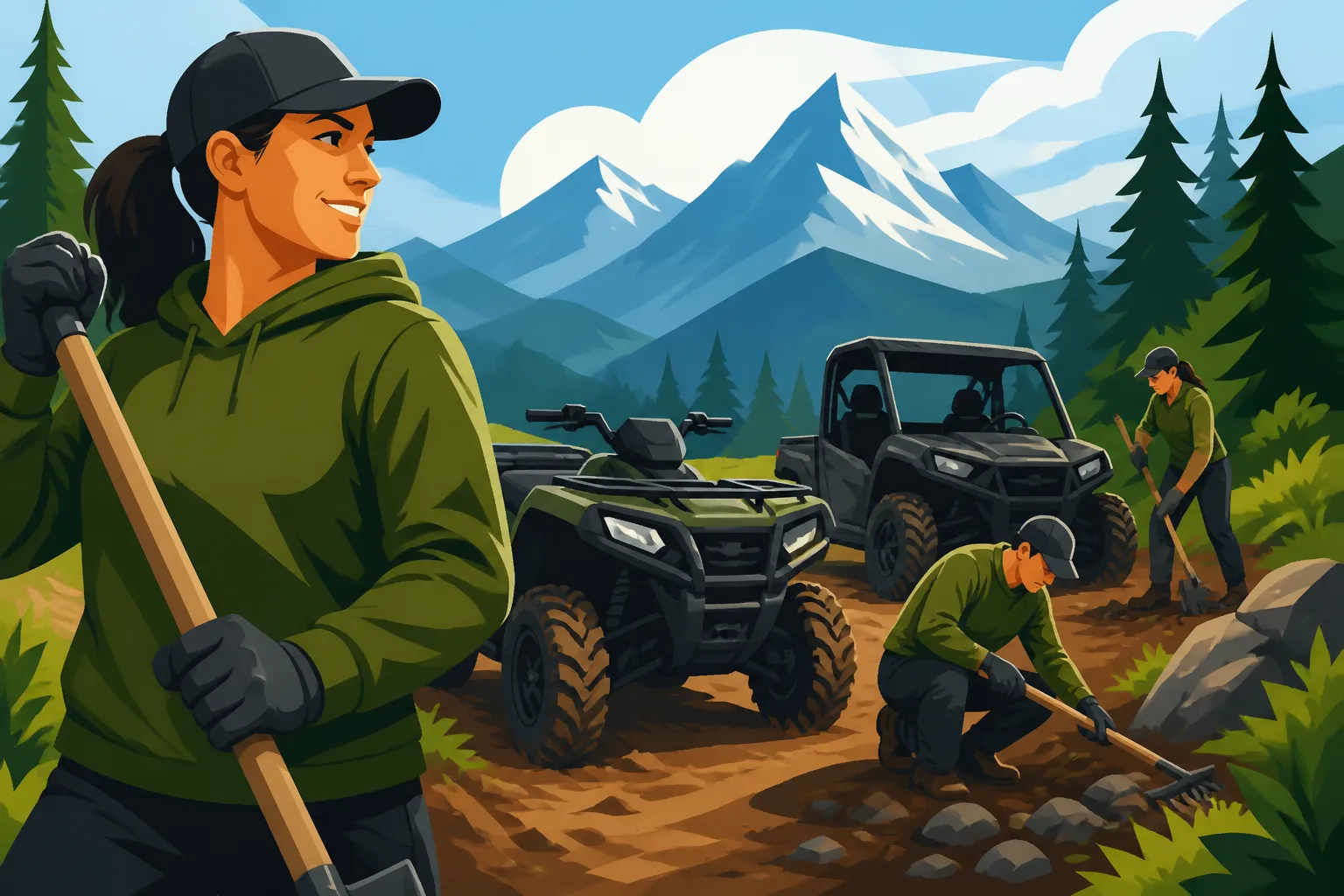
Trail volunteer days are organized work sessions where riders and community members help care for a riding area. The work may be hands-on maintenance, such as clearing small debris, improving drainage, or refreshing trail markers. It can also involve planning, checking conditions, or documenting damage for the people responsible for managing the site.
The exact tasks depend on the location, season, trail conditions, and the organizer’s plan. A day at a managed recreation site near Kelowna may look different from a work session on a forest route near Campbell River or Prince George. Don’t assume that every volunteer day involves riding, either: some work takes place on foot, while other tasks may require machines operated only by approved volunteers.
Common jobs volunteers may help with
A trail crew might clear branches that have fallen across a route, remove loose debris, or help make a junction easier to recognize. Volunteers may also support drainage work that helps reduce erosion, or install and maintain signs where the site manager has approved the work. These small improvements can make a trail easier to follow and help prevent riders from widening a route to get around an obstacle.
Some jobs are more observational. A crew may check a section after a storm, note a damaged sign, or report a washout that requires specialized equipment. That information can be valuable even when volunteers are not expected to fix the problem themselves. A deep rut, unstable slope, damaged bridge, or blocked culvert should be reported rather than tackled without direction, training, or permission.
Trail maintenance is not an invitation to change a route independently. Cutting a new line around mud, moving a barrier, or removing a sign can create environmental damage or conflict with site rules. Organizers should explain the approved scope of work before anyone begins. If the job seems unclear, ask before acting.
Who organizes the work
A local ATV club is often a useful place to start. Clubs may organize volunteer events themselves, take part in work coordinated by another group, or share information about nearby trail-care opportunities. If you’re new to the area, [Finding a Club Near Your Town] can help you think about where to begin, while [BC ATV Clubs Worth Joining] offers useful context on the role clubs can play in the riding community.
Not every riding area is maintained by a club. Depending on the location, work may be coordinated with a recreation-site manager, a local stewardship group, or another land manager. Ask who is leading the event, who has approved the work, and whether volunteers need to register in advance. That helps ensure you show up at the right place with the right expectations.
A volunteer day can also be a good way to meet riders who know the area. For example, a person who regularly rides near Tabor Mountain may know which junctions are easy to miss, while a coastal rider may have useful observations about storm damage or soft ground. Local knowledge is valuable, but the organizer’s directions and the site’s rules should guide the actual work.
| Possible activity | What it may involve | A useful question to ask |
|---|---|---|
| Clearing light debris | Moving small branches or loose material from an approved section | What may be moved, and where should it go? |
| Trail marking | Checking or refreshing approved signs and markers | Which markers are authorized for this route? |
| Condition checks | Recording hazards, erosion, or storm damage | How should observations be reported? |
| Drainage support | Helping with an approved water-management task | Is this work suitable for volunteers without specialized training? |
| Site cleanup | Collecting litter or tidying a designated staging area | Are there disposal instructions or restricted materials? |
How to find and choose a volunteer day
Start with the people who know the riding area you want to support. A nearby club may announce work parties through its regular communication channels, and local riders may know which group manages a particular trail network. You can also contact the organization responsible for the site and ask whether volunteer help is currently being coordinated.
The goal is not simply to find any event. It is to find one that has a clear organizer, a defined task, and permission to work at that location. That matters especially in BC, where a route can pass through different types of land and management areas. A trail that looks informal on a map may still have specific access conditions or restrictions.
Where to look for opportunities
Check club communications and ask directly whether there are planned trail-care events, cleanup days, or condition-checking activities. If you ride in the Okanagan, the Kootenays, the Cariboo, northern BC, or Vancouver Island, a local club can usually point you toward the right contact even if it is not organizing the event itself. [What the Prince George ATV Club Offers Riders] is one example of the kinds of local club activities riders may want to explore.
Managed recreation sites may have their own processes. Before volunteering at a staging area or on a marked trail, find out who is responsible for that site and whether the work needs to be scheduled. Some tasks require tools, training, or coordination with a land manager; others may be suitable for a casual group of volunteers. A quick conversation in advance avoids arriving with a shovel when the organizers need people to document hazards instead.
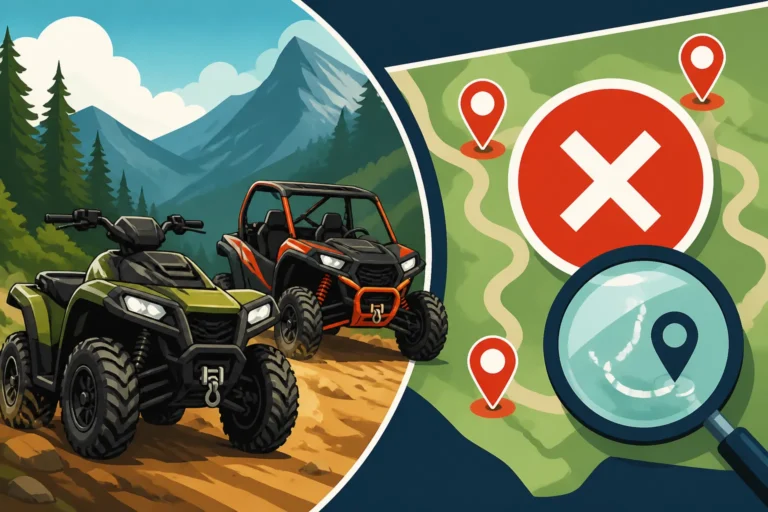
Online mapping tools can be useful for understanding where you are going. For example, onX Offroad may help you review routes and plan how to reach a meeting point. Treat any map as a planning aid rather than permission to travel or work: check current access information with the event organizer or relevant land manager, and follow posted restrictions. If you’re comparing routes before the event, [BC ATV Trail Map Downloads] can also help you identify the maps and route information available for planning.
Questions to ask before you commit
Before the event, confirm the meeting point, expected tasks, and whether volunteers should bring their own tools. Ask if the work is primarily on foot or involves riding to a work site, and whether a suitable ATV or UTV is needed. If machines are involved, clarify who may operate them and what the event’s safety expectations are. Never assume that bringing a machine means you are authorized to use it for work.
Check whether the organizer expects you to register, sign a waiver, or bring any specific personal protective equipment. Ask how long the event is expected to run, whether food and water are provided, and what happens if weather or trail conditions change the plan. Those details help you decide whether the event fits your experience, fitness, equipment, and schedule.
Also ask what kinds of work are not appropriate for volunteers. A clear organizer should be able to explain the job’s limits, especially around chainsaws, heavy equipment, bridges, steep slopes, and water crossings. If a task requires skills or equipment you do not have, it is completely reasonable to say so and offer to help with a different job.
What to bring and how to work safely
Trail work is more demanding than a casual ride in some ways. You may spend hours standing, walking over uneven ground, or working in changing weather. Even a straightforward cleanup can involve sharp branches, slippery surfaces, or traffic moving through a staging area. Prepare for the conditions, listen to the briefing, and speak up if a task feels unsafe.
The organizer’s instructions come first. Bring only the tools you have been asked to bring, and don’t use powered equipment unless you have been approved and are qualified to operate it. If the work involves a riding area, keep your machine on permitted routes and follow the same considerate practices you would expect from other riders. [BC Trail Etiquette Locals Expect] is a helpful reminder that being a good trail user matters before, during, and after a work party.
Personal gear and practical supplies
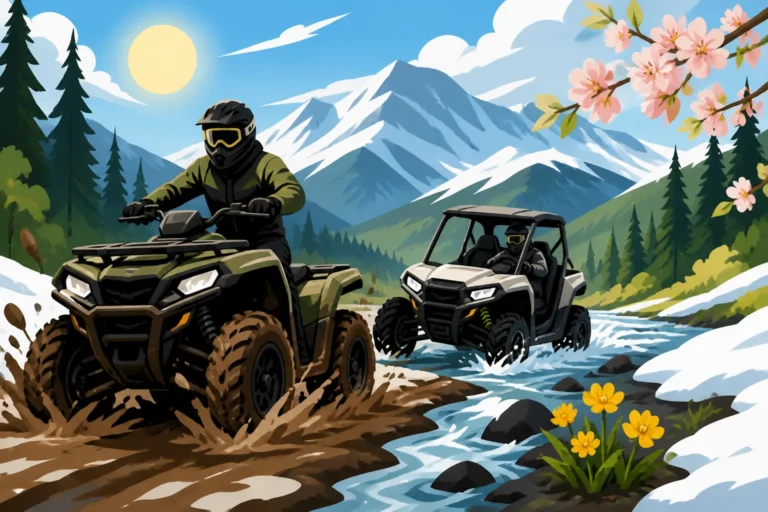
Wear sturdy footwear with grip and ankle support, work gloves, and clothing suitable for the weather and task. Eye protection can be important when working around brush or loose material. Consider bringing layers and rain protection, especially in coastal or shoulder-season conditions, where the weather can change quickly. Pack water and any personal food you need unless the organizer has clearly explained what will be supplied.
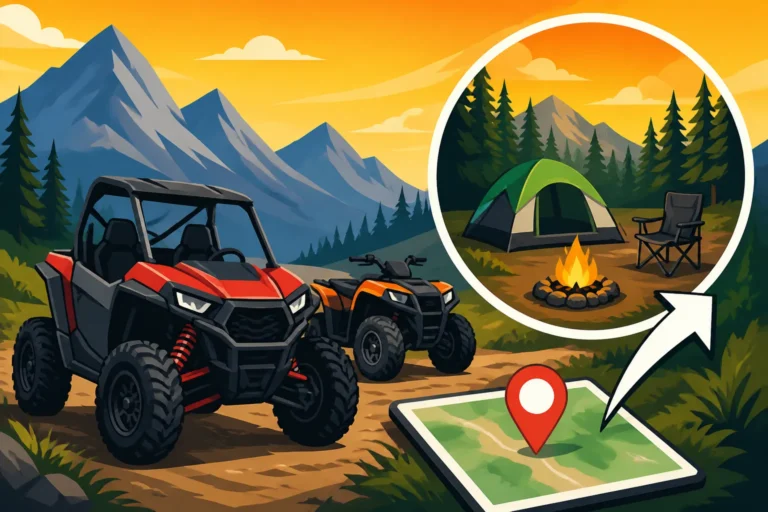
A small first-aid kit, personal medication, and a charged phone are sensible basics. In areas with limited reception, ask the organizer how the group will communicate and what the emergency plan is. A map or offline navigation option may help you orient yourself, but don’t let a device distract you from the briefing or replace the event’s communication plan. onX Offroad can be useful for reviewing your intended approach to a staging area; confirm the actual meeting point and access with the organizers before setting out.
If you are bringing an ATV or UTV, check it before the event. Make sure it is in sound working order, that you have the required riding documents and safety equipment for the trip, and that any gear you carry is secured. Don’t bring a machine into a work area unless the organizer has asked for it. A volunteer day is not the time to improvise a tow, test a modification, or carry tools in a way that could shift or fall off.
Working around other volunteers and riders
Listen to the safety talk even if you have done similar work before. The organizer may know about a hidden hazard, a route closure, or a change in how the area is being managed. Keep clear of machinery and active work zones unless you have been told where to stand. If you are using hand tools, maintain enough space from other people to work without striking or surprising them.
Trail work can happen near active routes, so stay alert for riders and other users. A person on foot may be hard to see around a corner, while a vehicle operator may not expect volunteers beside the trail. Follow any temporary signs, spotter instructions, or radio procedures used by the group. If people are asked to pause work while traffic passes, wait until the organizer signals that it is safe to continue.
If you notice a hazard outside the assigned area, report it rather than trying to repair it on your own. This includes unstable structures, deep erosion, damaged bridges, or signs that appear to conflict with one another. The same approach applies after heavy weather: [BC Trail Closures After a Storm] is worth reviewing when conditions may have changed, and [BC Riding After Heavy Rain] offers useful context for why wet ground can be especially vulnerable.
Making your volunteer effort count
A good volunteer day is not measured only by how much ground the crew covers. Showing up prepared, following the approved plan, and sharing useful observations can all help a riding area. A short, well-coordinated task may prevent a minor problem from getting worse, while a careful report may help the right people assess a larger issue.
It also helps to think beyond the day itself. The work may be one part of a longer effort involving maintenance, access planning, trail information, and communication with riders. Respecting closures and site rules after the work party is just as important as contributing on the day. [BC ATV Trails: Where to Ride] is a useful starting point for thinking about riding areas, while [BC Trail Difficulty Ratings] can help riders consider whether a route suits their group.
Be useful without overstepping
Ask questions, accept direction, and be honest about your experience. If you are comfortable with hand tools but not powered equipment, say so. If you have first-aid training, machine-operation experience, or local knowledge, let the organizer know—but wait for approval before taking on a specialized task. A volunteer crew works best when everyone understands their role.
Follow the work plan even when you notice another job that seems more urgent. Moving a sign, clearing a shortcut, or changing a route without approval can create a new problem. If something needs attention, record its location as clearly as you can and pass the information to the event lead. A map reference, a clear description, and a photo taken safely can be more helpful than an unauthorized repair.
After the event, ask whether there is a preferred way to share feedback or volunteer again. Some organizers may have a mailing list or other method for announcing future work. Others may simply ask you to contact the club or site representative later. Keep the contact information and remember to check for updates before travelling to another event, especially when weather, fire conditions, or access restrictions may affect the plan.
Support trail care when you are not volunteering
You can help protect a riding area during ordinary trips, too. Stay on routes that are open to your machine, avoid widening muddy sections, pack out what you bring in, and give other trail users room. If a route is damaged or blocked, report the issue through the appropriate local channel instead of creating an unofficial detour.
Good planning reduces pressure on trails as well. Check the route and access information before leaving, bring the supplies you need, and make a backup plan if a road or trail is closed. onX Offroad may be one tool for reviewing your route, but confirm current closures and site instructions through the relevant local sources. A map can help you prepare; it cannot authorize access or tell you whether a work task has been approved.
Volunteer days are also a chance to build a stronger relationship between riders and the people who care for local recreation areas. If you can’t attend, asking what support is useful can still help. The organizer may need someone to share event details, report trail conditions, or connect with riders who are interested in future work. Small, consistent contributions make it easier for a community to care for the places it enjoys.
Disclaimer
This article is for general informational purposes only and does not constitute professional advice. Laws, prices and regulations vary by location and change over time. Consult a qualified professional for guidance on your specific situation.