Why a Supervisor Has to Be Nineteen
Many families dream of exploring British Columbia's incredible backcountry, sharing the thrill of off-road vehicle (ORV) adventures with their children. However, the specific rules around supervising young riders can be a real head-scratcher, particularly the requirement for supervisors to be at least nineteen years old. This guide will dive deep into why BC mandates this age, what it means for your riding plans, and how to ensure everyone stays safe and compliant.
The Core Rule: Why 19 and Not 18 in British Columbia?
It might seem arbitrary, especially if you're used to 18 being the age of adulthood in many contexts, but in British Columbia, the age of majority is 19. This single fact underpins many of the regulations you'll encounter when dealing with legal responsibilities, and it's absolutely central to understanding why an ORV supervisor must meet this specific age threshold. The province's legal framework for off-road vehicles isn't just about what's physically safe, but also about who is legally accountable when things go wrong.
Understanding BC's Off-Road Vehicle Act
The Off-Road Vehicle Act in British Columbia is the backbone of all ORV regulations, designed to ensure safety and responsible use on Crown land and designated trails. When it comes to supervising minors, the Act is quite clear: a person supervising a youth operator must be at least 19 years of age. This isn't just a suggestion; it's a legal requirement. The reason 19 is chosen ties directly into the age of majority in BC. At 19, an individual is considered a legal adult, capable of entering into contracts, facing full legal consequences, and, most importantly in this context, assuming full legal responsibility for another person's actions.
Imagine a scenario where an 18-year-old, who might be a perfectly responsible and experienced rider, is supervising their younger sibling. While they might be an adult in the eyes of federal law or even in other provinces, under BC provincial law, they haven't reached the full age of majority. This means they cannot legally assume the comprehensive liabilities and responsibilities that come with supervising an ORV operator under 16. This distinction is critical because if an incident occurs, the supervisor is directly accountable. The intent is to place this significant burden of responsibility on someone who has unequivocally reached full legal adulthood within the province. For a deep dive into specific youth rules, check out [BC Youth Riding Rules Explained].
The Significance of "Immediate Direction" and Visibility
Beyond simply being 19, the supervisor's role is not just passive oversight; it requires active engagement and presence. The BC Off-Road Vehicle Act specifies that the supervisor must be able to provide "immediate direction" to the young operator and must be "within clear view" of them at all times. This isn't just about being in the same general area or trail system. It means being close enough to physically or verbally intervene instantly if needed, and to continuously monitor the child's operation of the machine. This concept is so important that BC even has a specific clarification called [BC's Visible and Immediate Direction Test].
Think about it this way: if a child suddenly encounters an unexpected obstacle, a rapidly changing trail condition, or makes a critical error, the supervisor needs to be right there. This proximity ensures they can yell a warning, signal a stop, or even physically assist if the machine stalls or gets into trouble. This isn't the time for the supervisor to be a quarter-mile ahead, admiring the scenery, or on a completely different trail. This rule emphasizes proactive supervision, not just reactive. For this reason, some riders invest in high-quality mirrors or even communication systems, perhaps from a brand like SuperATV, to help maintain awareness and contact, especially when riding with youth. It's about being connected and observant every single second of the ride, ensuring the child is safe and operating their machine appropriately.
The Responsibilities That Come With Supervising a Young Rider
Being an ORV supervisor for a minor in BC isn't just about fulfilling an age requirement; it's about shouldering substantial responsibilities. These responsibilities extend far beyond simply watching the rider. They encompass legal accountability, ensuring safety, and actively guiding the young person's skill development on what can be powerful and potentially dangerous machines.
Legal Liability and Accountability
When you, as a 19-year-old or older, step into the role of an ORV supervisor for a minor in British Columbia, you are essentially taking on legal liability for their actions while they operate the machine. This is a crucial point and often underestimated by those new to the rules. If the young rider causes an accident, damages property (be it Crown land or private property they've trespassed onto), or injures another person, the supervisor can be held directly accountable. This means potential fines, civil lawsuits, and the stress that comes with legal proceedings.
Consider a hypothetical scenario: a 12-year-old, under your supervision, accidentally veers off a designated trail on a [BC Forest Service Road Requirements] and damages sensitive riparian vegetation. The costs associated with environmental remediation, not to mention potential fines under the ORV Act, could fall squarely on your shoulders as the supervisor. This is precisely why the age of majority (19 in BC) is so critical; it ensures that the person bearing this burden is recognized as a full legal adult. It’s also important to be aware of [BC Penalties for Riding Unregistered] which could compound issues if the machine itself isn't properly registered. This legal weight is not to be taken lightly and should be a significant factor in deciding who supervises a young rider.
Ensuring Safety and Skill Development
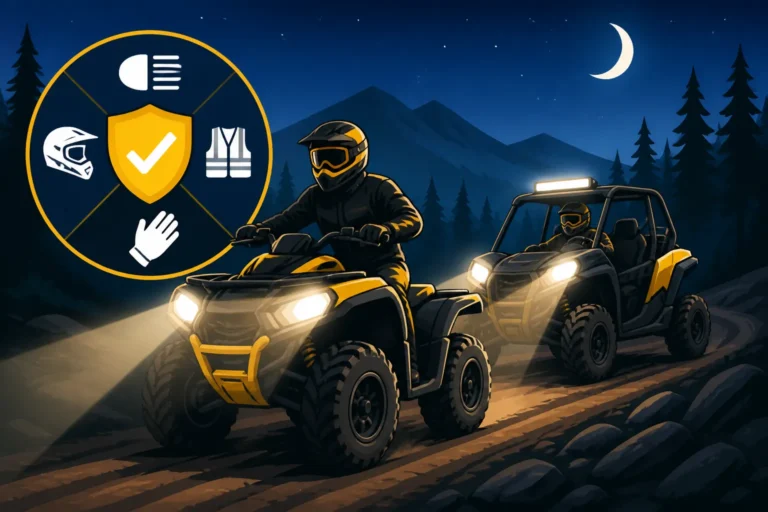
Beyond the legal ramifications, the supervisor has an immense moral and practical responsibility for the child's physical safety and their development as a competent, respectful rider. An effective supervisor isn't just present; they are actively teaching, coaching, and evaluating. This involves ensuring the child is wearing appropriate safety gear, like a properly fitted helmet and goggles, and understands the basics of machine operation, braking, and turning. It also means gauging the child's skill level against the terrain's difficulty and knowing when to push them a little further and when to pull back.
A good supervisor should themselves be an experienced rider, capable of navigating various terrains and anticipating potential hazards. They should be able to identify when a child is becoming fatigued, overwhelmed, or making unsafe choices, and intervene immediately. This responsibility also extends to promoting good trail etiquette, environmental awareness, and respect for other trail users. For instance, ensuring that the machine is equipped with the right safety components, perhaps sturdy bumpers or protective plating from a supplier like SuperATV, can provide an extra layer of confidence when guiding a new rider. Many clubs and organizations offer [BC ATV Safety Training Options] which can be invaluable for both young riders and their supervisors, equipping everyone with the knowledge and skills needed for a safe and enjoyable experience. Remember, safety is paramount, and the supervisor is the primary guardian of that safety.
Practical Considerations for Families and Groups
Navigating the rules for youth ORV riding in BC can feel like a puzzle, especially for families and groups planning an adventure. The 19-year-old supervisor rule adds another layer to your pre-ride planning, but with a bit of foresight, you can ensure everyone has a safe and legal outing. It's all about knowing who can supervise, what documentation is needed, and where you're allowed to ride.
Planning Your Ride: Who Can Supervise?
When your family or group heads out to ride in BC, the first question, if young riders are involved, should always be: "Who among us is 19 or older, and willing and able to take on the supervisory role?" This person needs to be a confident and experienced rider themselves, capable of handling their own machine while also keeping a watchful eye on the minor. It might be a parent, an older sibling who meets the age requirement, a grandparent, or another trusted adult. The key is that they must be legally recognized as an adult in BC.
This can sometimes present a challenge for families where both parents are under 19, or if the only available adults are inexperienced riders. In such cases, you might need to seek out an extended family member or a trusted friend who can join your expedition and act as the designated supervisor. It's a non-negotiable requirement. Furthermore, remember that [BC Children Cannot Carry Passengers], so if your young rider is operating, they should be doing so solo. Planning this out beforehand prevents disappointment and ensures compliance when you're out on [BC Crown Land Riding Explained] or a popular trail network.
Documentation and Compliance
Beyond the supervisor's age and presence, there are other crucial documentation and compliance requirements, especially for youth operators. For instance, if a rider is 14 or 15 years old and not under the immediate direction of a parent or guardian (though direct supervision by a 19+ adult is still required in many cases), they might need [BC Written Permission From a Parent]. This written permission must clearly state that the parent or guardian consents to the youth operating the ORV. While this letter doesn't negate the need for a 19+ supervisor in most scenarios, it's an important piece of the puzzle for legal operation.
Every rider, including the supervisor, should always carry valid photo identification. This is a general rule for all ORV operators in BC, as law enforcement or conservation officers may request it. Thus, [BC Riders Must Carry Photo ID] is a universal expectation. When riding on [BC Forest Service Road Requirements], or any other designated ORV area, authorities can and do conduct checks to ensure compliance with all aspects of the ORV Act, including age, supervision, and documentation. Being prepared with all necessary paperwork helps ensure a smooth and enjoyable ride for everyone.
To help visualize the age-related rules for ORV riding in BC, here's a quick summary:
| Age Group | Key Requirement | Supervisor Needed? | Supervisor Age | Notes on Supervision |
|---|---|---|---|---|
| Under 14 | Must be under direct parental supervision. | Yes | 19+ | Supervisor must be in direct line of sight and able to provide immediate direction. Parental permission is also required. |
| 14-15 | Requires adult supervision OR written parental permission AND completion of an approved safety training course. | Yes (if no written permission/training) | 19+ | If not directly supervised, specific conditions apply (e.g., safety training). Direct supervision still requires a 19+ adult. |
| 16-18 | Can operate without a supervisor but must adhere to all ORV Act rules. | No | N/A | Still minors in some legal contexts, but can operate an ORV independently under the Act. |
| 19+ | Full adult riding privileges. Can also supervise others. | N/A | N/A | Can legally act as a supervisor for younger riders under the ORV Act. |
Penalties and What Happens If the Rules Are Broken
Nobody wants their exhilarating day on the trails to end with a hefty fine or, worse, a confiscated machine. Understanding the "why" behind the 19-year-old supervisor rule is crucial, but knowing the "what if" – what happens when these rules are violated – is just as important for all riders in British Columbia. The consequences for non-compliance are designed to be a significant deterrent, emphasizing the seriousness of youth safety and responsible ORV operation.
Consequences for Underage or Unqualified Supervision
Failing to meet the supervisor age requirement or neglecting the "visible and immediate direction" test can lead to immediate and serious repercussions. If a conservation officer, RCMP officer, or other authorized official encounters a young rider being supervised by someone under 19, or if the supervisor is not adequately overseeing the minor, a violation ticket will likely be issued. These tickets carry significant fines. It's not just a slap on the wrist; these penalties are designed to make you think twice.
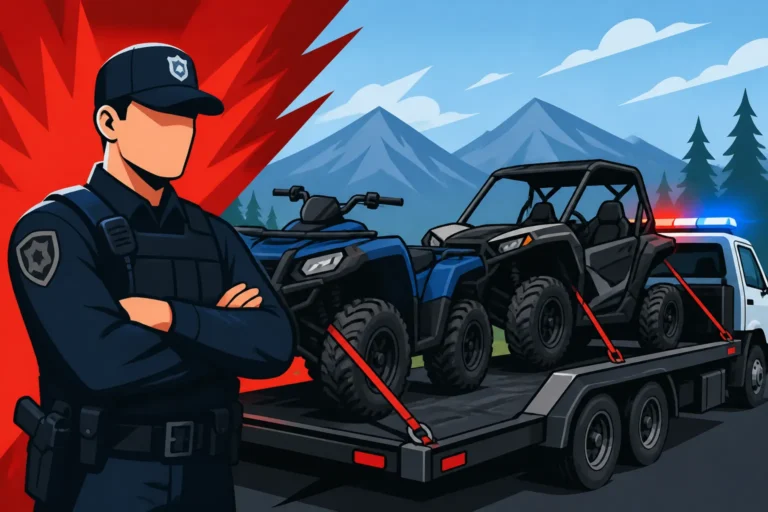
Beyond immediate fines, there can be more severe administrative penalties, especially if the infraction is egregious or repeated. In extreme cases, authorities have the power to seize the off-road vehicle itself. Imagine your day ending with your quad being loaded onto a tow truck because the person you designated as a supervisor wasn't old enough, or was too far away to effectively supervise. This enforcement power, outlined in sections of the ORV Act, is a stark reminder of the importance of compliance. For a broader understanding of law enforcement powers, including seizure, you might want to look into [BC Machine Seizures by Police]. This isn't just about a bureaucratic age limit; it's about protecting minors from harm and ensuring responsible land use.
The Long-Term Impact on Riding Privileges
While an immediate fine or vehicle seizure is painful enough, repeated or severe infractions related to supervision can have longer-term impacts. Authorities are increasingly focused on promoting a culture of safety and responsibility within the ORV community. Riders who consistently disregard safety regulations, including those concerning youth supervision, could face stricter scrutiny in the future, or even more significant penalties if they are repeat offenders. These rules are in place not to restrict fun, but to mitigate risks on trails and [BC Forest Service Road Requirements].
Ultimately, the goal is to prevent accidents and protect both the young riders and the natural environment we all cherish. Adhering to the supervisor age rule, ensuring proper visibility, and providing immediate direction are all fundamental to maintaining a positive and safe riding culture in BC. Investing in your machine's longevity and reliability, using quality parts from brands like SuperATV, also contributes to overall safety by reducing mechanical failures that could compromise supervision or put a young rider in a difficult situation. By understanding and respecting the rules, you help ensure that ORV riding remains a cherished activity for generations to come, free from unnecessary risks and legal complications.
Disclaimer
This article is for general informational purposes only and does not constitute professional advice. Laws, prices and regulations vary by location and change over time. Consult a qualified professional for guidance on your specific situation.