BC Rules for Riding a Beach
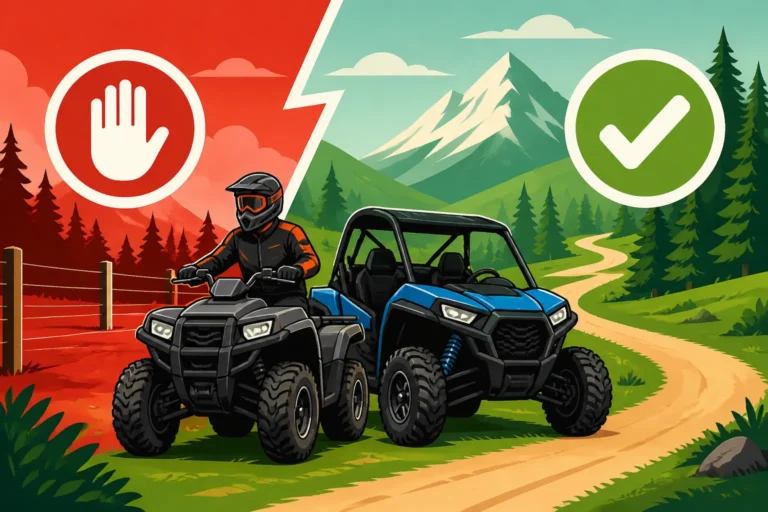
You’ve probably seen those incredible photos or videos of ATVs and UTVs cruising along sandy shores, spray kicking up behind them, and thought, "Man, I'd love to do that in British Columbia!" It's a natural fantasy for many off-road enthusiasts – the feeling of freedom, the ocean air, the unique terrain. But here in BC, the reality of taking your quad or side-by-side onto a beach is far more complicated than it looks, and in almost all cases, it's flat-out illegal. This guide will cut through the confusion and explain why riding your ORV on a beach in BC is generally prohibited, what the risks are, and where you can legally enjoy your machine.
Why Riding a Beach in BC is Fundamentally Different
When you think about taking your off-road vehicle out, places like forest service roads, designated trails, or vast tracts of Crown land often come to mind. These are the spaces where BC’s off-road vehicle (ORV) regulations typically apply, and with proper registration and insurance, you can often explore them responsibly. But a beach? That's an entirely different animal, pun intended, and the rules shift dramatically because of its unique ecological, jurisdictional, and social characteristics.
The "Public Land" Misconception
It’s easy to look at a vast stretch of sand and assume it's simply "public land" in the same way a remote logging road is, but this isn't the case for most beaches in British Columbia. While many beaches are accessible to the public, their designation often falls under specific acts, bylaws, or park regulations that prohibit motorized vehicles. Unlike the open wilderness often covered by [BC Crown Land Triggers the Registration Rule], beaches are sensitive ecosystems that are heavily managed and often highly valued for passive recreation, wildlife habitat, and commercial uses like aquaculture.
Imagine pulling up to a popular swimming beach on a sunny day. The idea of an ATV tearing through that space, even if it were legally registered, immediately raises red flags for safety and environmental impact. Even on more remote, less-frequented stretches, the assumption that "no one is around, so it must be okay" is a dangerous one. These areas are still under the watchful eye of various authorities, and the rules are typically designed to protect the fragile intertidal zone and the experience of other users. You might be surprised to learn that many seemingly wild beaches fall under the jurisdiction of a local municipality, a provincial park, or even Indigenous land, each with its own specific regulations.
Jurisdiction and Conflicting Rules
The complexity of beach access for ORVs in BC stems from overlapping jurisdictions and a patchwork of rules. It’s not just one government body you need to consider.
First, many popular or accessible beaches are located within municipal boundaries. Local governments often have bylaws explicitly prohibiting motorized vehicles on beaches to ensure public safety, minimize noise pollution, and protect the environment. A quick check of a city or district's bylaws will almost certainly reveal such restrictions. For instance, a beach in a bustling coastal community like White Rock or Parksville would undoubtedly have such prohibitions, but even smaller, quieter communities will often have similar rules in place to manage public spaces.
Second, a significant portion of BC's coastline, including many beautiful beaches, falls within Provincial Parks or Protected Areas. These areas are governed by the Park Act, which is very strict about motorized vehicle use. Generally, ORVs are completely banned from [BC Riding in a Provincial Park] unless on a specifically designated park road or parking area, which would almost never extend onto the beach itself. The intent of parks is conservation and passive recreation, and ORVs are seen as incompatible with these goals.
Third, even seemingly unmanaged stretches of coastline might be subject to federal regulations, particularly concerning navigation or fisheries, and provincial acts like the Land Act, Environmental Management Act, or even the Wildlife Act. The intertidal zone – the area between high and low tide – is especially sensitive and critical for many species. Disturbing this area with heavy vehicles can have severe consequences for crabs, shellfish, shorebirds, and their habitats. This is why you often hear about [BC Riparian Areas to Avoid] when discussing responsible riding near water, and beaches are the ultimate riparian zone. These layers of governance mean that getting clear, blanket permission to ride an ATV or UTV on a BC beach is an incredibly rare, if not impossible, feat.
Environmental Sensitivity and Legal Ramifications
The biggest reason you won't find many legal beach riding spots in BC comes down to environmental protection and the harsh penalties for ignoring it. Beaches are dynamic, fragile environments, and the impact of off-road vehicles goes far beyond a few tire tracks.
Impact on Ecosystems
Think about what lives on and under the sand, gravel, and rocks of a beach. It’s a bustling ecosystem, teeming with life. Driving an ATV or UTV across a beach can cause significant and often irreparable damage:
- Shorebird Nests and Roosting Areas: Many species of migratory and resident shorebirds, like sandpipers, plovers, and gulls, nest directly on the sand or use beaches as crucial feeding and resting grounds. An ORV can easily crush nests and eggs, disturb roosting birds, and destroy vital habitat, especially during nesting seasons. Imagine a pair of rare Western Snowy Plovers attempting to nest, only to have their efforts obliterated by a passing machine.
- Marine Invertebrates and Fish Spawning: The intertidal zone is home to countless invertebrates – crabs, clams, mussels, worms – that form the base of the marine food web. Vehicle tires can compact the sand and gravel, suffocating these creatures, or directly crushing them. Some fish species, like surf smelt, even spawn on beaches, and vehicle disturbance can disrupt their reproductive cycles.
- Vegetation and Dune Stability: On many beaches, particularly those backed by dunes, delicate coastal vegetation plays a crucial role in stabilizing the sand and preventing erosion. ORV tires can rip up these plants, leading to accelerated erosion and damage to the natural landforms. Once dunes are destabilized, they become much more vulnerable to wind and wave action, potentially impacting inland areas.
- Pollution: While you might be careful, every vehicle carries the risk of leaking oil, gas, or other fluids, which can contaminate the sensitive beach environment and harm wildlife. Even dust can alter ecosystems. For this reason, enthusiasts who want to ensure their machines are always running optimally for responsible trail riding might invest in high-quality aftermarket parts from brands like SuperATV, knowing that proper maintenance and upgrades are key to minimizing any environmental footprint, especially when venturing near sensitive zones.
Potential Fines and Enforcement
The consequences of illegal beach riding in BC are not just theoretical; they are real and can be severe. Enforcement can come from multiple agencies, including local bylaw officers, Conservation Officers, park rangers, and even the RCMP.
- Bylaw Fines: If you're on a municipal beach, local bylaws can carry significant fines for motorized vehicle infractions. These can range from a few hundred dollars to well over a thousand, depending on the municipality and the severity of the offense.
- Provincial Park Fines: Riding an ORV in a prohibited area of a Provincial Park can result in fines under the Park Act. These fines are often substantial and can be coupled with other penalties, such as vehicle seizure or exclusion from the park. Park rangers are well-versed in these regulations and actively patrol sensitive areas.
- Environmental Protection Legislation: Beyond specific ORV or park regulations, you could face charges under environmental protection acts for damaging habitat or disturbing wildlife. These can carry much higher penalties, potentially thousands of dollars, and in severe cases, even lead to court appearances and larger fines or other remedial orders.
- Trespass: If the beach is part of private property, you could also face charges of trespass, which adds another layer of legal trouble. Even if you're not riding on the beach, understanding [BC Rules for Riding Private Land] is essential when venturing near populated areas.
- Vehicle Seizure: In some instances, particularly for repeat offenders or severe environmental damage, authorities have the power to seize your ORV. This means you could lose your machine, incur impound fees, and face a lengthy legal process to get it back, if at all. It's a stark reminder that the financial cost of an infraction can quickly escalate far beyond the initial ticket. [BC Penalties for Riding Unregistered] gives you an idea of how seriously the province takes ORV infractions.
It's a huge gamble for a fleeting moment of what might feel like freedom. The legal and financial repercussions, combined with the irreversible environmental damage, make beach riding a very high-risk activity in BC.
Designated Areas and Permitted Access (If Any)
Given the widespread prohibitions, you might be wondering if any beaches in BC allow ORVs. The short answer is: almost none, and certainly not in the way most people imagine recreational beach riding.
Finding Legal Riding Zones
To be absolutely clear, there are no widely known or advertised public beaches in British Columbia where recreational ATV or UTV riding is legally permitted. If such a place existed, it would be an extreme rarity, heavily regulated, and almost certainly designated for a very specific purpose (e.g., commercial fishing access with specific permits, or emergency services access) rather than recreational fun.
If you ever come across information suggesting a beach is open to ORVs, you would need to perform extensive due diligence:
- Verify with Local Authorities: Contact the local municipal office, regional district, or Parks BC directly. Do not rely on old forum posts or word-of-mouth. Ask for specific bylaws, regulations, or permits that allow ORV use on the beach in question.
- Check for Current Closures: Even if a remote chance existed, environmental conditions (like critical nesting seasons) or temporary [BC Motor Vehicle Closed Areas] could still prohibit access. Always check current conditions.
- Understand Permit Requirements: If a permit is mentioned, understand every condition attached. It's highly likely to be restrictive, temporary, and for non-recreational purposes.
In almost all cases, your research will confirm that beach riding is prohibited. It's a hard truth, but it's important to be realistic rather than risk heavy fines and environmental damage.
Alternative Riding Experiences Near Water
Just because you can't ride on the beach doesn't mean you can't enjoy your ORV near beautiful water features in BC! There are plenty of legal and responsible ways to combine your love for off-roading with stunning natural scenery.
- Forest Service Roads (FSRs) and Resource Roads: Many FSRs wind their way through incredible landscapes, often alongside rivers, lakes, and even down to ocean viewpoints. These roads, which often count as [BC Resource Roads Count as Crown Land], provide access to vast areas of wilderness and are generally legal for registered and insured ORVs. You can get stunning views of the water, explore riverside trails, and enjoy the outdoors without impacting fragile beach ecosystems. Remember to always follow [BC Forest Service Road Rules for ORVs], including carrying appropriate insurance and yielding to industrial traffic.
- Designated OHV Parks and Trails: BC has fantastic dedicated ORV areas like Bear Creek OHV in the Okanagan, or numerous trail networks maintained by clubs throughout the province. Many of these sites are situated near rivers or lakes, offering trail riding with water views or accessible staging areas. These managed sites often have specific rules, such as sound limits or spark arrestor requirements, but they provide a safe and legal environment for riding.
- Camping Near Lakes and Rivers: Plan your ORV adventures around camping trips at legal campgrounds near lakes or rivers. You can ride your machine on designated trails during the day and then relax by the water in the evening. This combines the best of both worlds without breaking any rules.
The key is to seek out areas specifically designated or legally permissible for ORV use. This ensures you're riding responsibly, protecting the environment, and avoiding costly fines. For those who enjoy equipping their machines for diverse terrains and long hauls, checking out robust parts from companies like SuperATV can ensure your ride is always ready for the next adventure on legal trails.
What to Do Instead of Beach Riding
So, if beach riding is mostly a no-go, where can you actually unleash your ATV or UTV and have a fantastic time in British Columbia? The good news is, BC offers an incredible variety of legal and exhilarating off-road opportunities that far outweigh the risks of illegal beach access.
Exploring Forest Service Roads and Crown Land
British Columbia is vast, with an extensive network of Forest Service Roads (FSRs) and millions of acres of Crown land accessible to off-road enthusiasts. This is where the majority of legal ORV riding happens.
- Vast Network of FSRs: FSRs crisscross the province, leading to incredible viewpoints, remote lakes, and challenging terrain. These roads are your gateway to the backcountry, offering everything from leisurely scenic drives to technical climbs. When riding on FSRs, remember that they are often actively used by logging trucks and other industrial vehicles, so vigilance is key. Always ride defensively, keep your lights on, and be prepared for oncoming traffic, especially on blind corners. This is a crucial part of responsible riding, ensuring everyone's safety on shared access routes.
- Crown Land Exploration: Beyond the FSRs, vast tracts of Crown land are open for responsible ORV use. This means you can explore, find camping spots, and enjoy the wilderness, provided you stick to established trails and are mindful of environmental regulations. Always consult maps for [BC Motor Vehicle Closed Areas] and respect any signs indicating restricted access, private property, or sensitive ecological zones. Understanding [BC Rules for Riding Crown Land] is paramount to a lawful and enjoyable experience.
- Respecting the Environment: Even on legal Crown land, responsible riding means staying on marked trails, avoiding sensitive ecosystems like wetlands and riparian areas (remember [BC Riparian Areas to Avoid]?), and practicing Leave No Trace principles. The goal is to minimize your impact so these incredible areas remain accessible for future generations. Equipping your machine with durable skid plates and proper tires, perhaps from a brand known for its heavy-duty gear like SuperATV, can help protect your vehicle and the terrain it travels over, making your legal adventures more enjoyable and sustainable.
Connecting with Local Clubs
One of the absolute best ways to discover legal riding areas and ensure you're riding responsibly is to connect with local ATV and UTV clubs. These clubs are invaluable resources for riders of all experience levels.
- Knowledge of Local Trails: Local clubs know the terrain inside and out. They maintain trails, advocate for rider access, and are up-to-date on all the current regulations, closures, and best practices for their specific region. They can guide you to fantastic trails you might never find on your own and provide crucial information about conditions, hazards, and legal access points.
- Organized Rides and Events: Clubs frequently organize group rides, poker runs, and other events. This is a fantastic way to meet fellow enthusiasts, learn new skills, and explore new areas in a safe, supported environment. Riding with experienced members can teach you a lot about safe operation and responsible trail etiquette. Check out [BC ATV Clubs Worth Joining] for a starting point.
- Advocacy and Trail Maintenance: Many clubs are actively involved in maintaining trails and working with government agencies to ensure continued access for ORVs. By joining a club, your membership dues often contribute directly to trail work, signage, and conservation efforts, making you part of the solution for sustainable off-roading. They are also a great resource for understanding evolving rules, like the requirements for carrying [BC Riders Must Carry the Certificate] of registration.
Connecting with a club takes the guesswork out of finding legal places to ride and provides a community that shares your passion for ATVs and UTVs. It’s an investment in both your enjoyment and the future of off-roading in British Columbia.
Table: Where You CAN'T Ride Your ORV in BC (and Why)
| Location Type | Typical ORV Access | Primary Reason for Restriction | Common Enforcement Agencies | Potential Consequences |
|---|---|---|---|---|
| Beaches (Most) | Generally Prohibited | Ecological sensitivity (wildlife, dunes, intertidal zones), municipal bylaws, park regulations, public safety. | Bylaw Officers, Conservation Officers, Park Rangers, RCMP | Fines ($$$), environmental penalties, vehicle seizure, trespass charges. |
| Provincial Parks/Protected Areas | Prohibited (except designated roads/parking) | Conservation of natural values, passive recreation emphasis. | Park Rangers, Conservation Officers, RCMP | Fines ($$), vehicle seizure, park exclusion. |
| Private Land (without permission) | Prohibited | Property rights, liability concerns. | RCMP, property owner (reporting) | Trespass charges, fines, potential civil action. |
| Designated Motor Vehicle Closed Areas | Prohibited | Wildlife protection, habitat rehabilitation, resource management. | Conservation Officers, RCMP | Fines ($$$), environmental penalties, vehicle seizure. |
| Highways & Public Roads | Prohibited (except for specific crossings/permits) | Road safety, incompatibility with highway traffic. | RCMP, Municipal Police | Traffic violation tickets, fines, points, vehicle impoundment. |
| Riparian Areas (banks, wetlands) | Avoid/Prohibited | Ecological sensitivity, erosion control, water quality protection. | Conservation Officers, Bylaw Officers, DFO | Environmental fines, restoration orders, habitat damage penalties. |
Disclaimer
This article is for general informational purposes only and does not constitute professional advice. Laws, prices and regulations vary by location and change over time. Consult a qualified professional for guidance on your specific situation.