BC Insurance Price Gaps Riders Talk About
It's incredibly frustrating when you're trying to do the right thing and insure your off-road vehicle (ORV) in British Columbia, only to be met with a confusing maze of rules and costs that seem to shift depending on who you talk to. Many riders feel like they're navigating a minefield, constantly wondering why their neighbour pays one price while they're quoted something entirely different. This guide is here to shed some much-needed light on BC's unique ORV insurance landscape, particularly focusing on the "price gaps" riders often talk about and how you can make sense of it all.
The Frustration with BC's Unique ORV Insurance Landscape
Let's be honest, trying to understand insurance for your ATV or side-by-side in British Columbia can feel like deciphering an ancient text written in a foreign language. Many riders, especially those new to the province or coming from areas with different regulations, often express a deep sense of confusion and frustration when they walk into an Autoplan broker's office. It's not just about the cost itself, but the sheer lack of clarity around why things are the way they are, and why one type of riding seems to demand different coverage than another. You just want to ride your machine safely and legally, and the hoops you have to jump through sometimes feel insurmountable.
Why BC's System Feels Different (and Often Confusing)
Unlike many other jurisdictions where ORV insurance might be straightforward, often bundled with a general recreational policy, BC operates under a distinctive "three-tier" system. This isn't just a slight variation; it's a fundamental difference that dictates when and where specific types of coverage are mandatory. The provincial government, through the Off-Road Vehicle Act, has set out specific requirements tied directly to where you operate your machine. This means that a weekend warrior who sticks to private land might have vastly different needs and costs than someone who regularly ventures onto Crown land or needs to cross a highway. The nuances can be perplexing, especially when you're used to a simpler "insured or not insured" approach.
For instance, you might expect that once you have insurance, you're good to go anywhere. But in BC, the type of land you're on, or even just crossing, significantly impacts what coverage is legally required. This can lead to moments of uncertainty, making riders question if they're truly compliant, or if that short hop across a paved road to reach another trail system suddenly makes them an uninsured risk. It’s this segmented approach that often leaves riders scratching their heads, feeling like they need a law degree just to take their quad out for a spin. This unique setup is a direct result of how the [What the Off-Road Vehicle Act Covers in BC] interacts with pre-existing insurance structures, creating a patchwork of requirements.
The "Mandatory vs. Voluntary" Dilemma
One of the biggest sources of confusion, and certainly a driver of those "price gaps," is the distinction between mandatory and voluntary insurance. In BC, there isn't a single, all-encompassing mandatory ORV insurance policy that covers every scenario. Instead, specific situations trigger specific mandatory coverage requirements, primarily when your ORV interacts with the public road system or designated resource roads. For every other vast expanse of Crown land, or your buddy's private acreage, the liability coverage often becomes a matter of personal choice – it's voluntary.
This dichotomy can be a real headache. Riders often feel pressured to "guess" how much voluntary coverage they truly need, especially when the consequences of not having enough can be financially devastating. If you only plan to ride on your own property, you might assume you need minimal coverage. However, what if you decide to join a club ride on Crown land and an unforeseen accident occurs? The mandatory insurance you picked up for that one quick highway crossing might not protect you from a massive liability claim elsewhere. This creates a psychological burden for riders, constantly weighing risk against cost, and often leading to under-insuring because the rules for voluntary coverage aren't as clear-cut as the mandatory ones.
The Common Gripe: "Why Am I Paying So Much?"
It's a conversation you'll hear at every staging area, every campfire gathering, and every online forum: "Why am I paying so much for my ORV insurance in BC?" This lament isn't just about the dollar amount; it's steeped in the perception that the cost doesn't always align with the actual risk, or that the system feels opaque and inflexible. Many riders compare their premiums to those of similar vehicles in other provinces or states, or even to their own car insurance, and feel that ORV coverage is disproportionately expensive for the limited use their machines often see.
The feeling of being overcharged can be particularly acute when a rider primarily uses their machine on private property or rarely ventures onto roads that require specific mandatory coverage. They might question why they have to pay for certain layers of insurance when their riding habits don't seem to necessitate them. Furthermore, the limited competitive market for certain types of ORV coverage in BC, compared to more open markets for other vehicle types, can contribute to this perception of high costs and limited options. It feels like a take-it-or-leave-it situation, leaving many riders wishing for more transparency and flexibility in what they pay for.
Deciphering the Three-Tier Insurance Rule in BC
British Columbia's approach to Off-Road Vehicle (ORV) insurance isn't a single, uniform policy. Instead, it's structured into what's often referred to as a "three-tier rule," which mandates different levels of coverage depending on where you ride. This can be a huge source of confusion for riders, leading to those frustrating price gaps and the feeling that you're never quite sure if you're fully covered. Understanding these tiers is crucial to ensuring you're legally compliant and adequately protected, no matter where your adventures take you.
Basic Autoplan: The Highway Crossing Bare Minimum
The first tier, and perhaps the most widely understood, is the requirement for Basic Autoplan coverage when your ORV is operated on a public highway. Now, before you panic, this doesn't mean you can just drive your ATV down Main Street. In BC, ORVs are generally not street-legal. However, the law makes an exception for crossing highways where it's safe and permitted, typically at designated intersections or crossings. If you need to cross a paved road, even for a short distance, to get from one section of trail to another, your machine falls under the Motor Vehicle Act for that brief moment.
For this fleeting interaction with public roads, you absolutely must have Basic Autoplan liability coverage. This coverage is the minimum required by law for any vehicle operating on a public highway in BC and is provided by ICBC. It protects you from claims if you cause injury or damage to others while crossing. The cost for this can vary, but it's a non-negotiable expense if your ORV will ever touch pavement. It’s important to understand that this basic coverage is precisely that: basic. It's designed for the public road interaction, not for your extensive off-road adventures, and certainly doesn't cover damage to your own machine. Getting your ORV registered with [BC Autoplan Brokers Handle ORV Registration] is the first step, and they will explain this requirement.
Resource Road Coverage: The $200,000 Requirement
Moving beyond public highways, the second tier focuses on what are known as "resource roads" or "Forest Service Roads" (FSRs). These are the arterial pathways that crisscross much of BC's backcountry, often used by industrial traffic like logging trucks, as well as by recreational riders. The provincial government has recognized the unique risks associated with these shared-use roads, particularly given the size and weight of commercial vehicles, and has implemented a specific mandatory insurance requirement.
If you plan to ride your ORV on a resource road in BC, you are legally required to carry a minimum of $200,000 in third-party liability insurance. This coverage protects you financially if you are responsible for an accident that causes damage or injury to another person or their property on these roads. Given the potential for serious collisions with large industrial vehicles, this higher minimum threshold makes sense, but it's an added cost that riders need to factor in. This specialized coverage is generally available through private insurance providers, although some Autoplan brokers can facilitate it. Many riders who regularly access [BC Forest Service Road Rules for ORVs] will find this a significant component of their overall insurance bill.
Voluntary Liability: What About Everywhere Else?
Finally, we arrive at the third tier, which covers the vast majority of off-road riding in British Columbia – specifically, on Crown land (that isn't a resource road) and private property. For these areas, while your ORV must be registered and display its [BC ORV Number Plates and Decals], there is no mandatory third-party liability insurance requirement imposed by the provincial government. This is where the term "voluntary liability" comes into play, and it's also where many of those "price gaps" in rider discussions originate.
Just because it's not legally mandated doesn't mean it's not a smart idea to have it. Voluntary liability insurance protects you from the immense financial burden if you cause an accident on trails, in gravel pits, or on private land, resulting in injury to others or damage to property. Imagine accidentally striking another rider, damaging a fence on a rancher's leased Crown land, or causing a significant environmental impact. Without voluntary liability, you would be personally responsible for all damages, which could be catastrophic. While providers like ICBC offer optional liability for some scenarios, many riders turn to private insurers for comprehensive voluntary coverage that extends across all their riding zones. This choice, and the varying levels of coverage available, directly contribute to the diverse costs riders face.
| Insurance Tier | Where it Applies | Mandatory/Voluntary | Minimum Coverage | Primary Provider(s) | Typical Cost Impact |
|---|---|---|---|---|---|
| Basic Autoplan | Public Highways (for crossing only) | Mandatory | Minimum Liability | ICBC | Baseline cost |
| Resource Road Coverage | Forest Service Roads / Resource Roads | Mandatory | $200,000 Liability | Private Insurers/ICBC | Significant addition |
| Voluntary Liability | Other Crown Land (trails, pits), Private Land | Voluntary | Varies (e.g., $1M, $2M) | Private Insurers/ICBC | Rider's discretion |
Factors Influencing Those Price Gaps
The conversation about "price gaps" isn't just idle chatter at the trailhead; it reflects genuine differences in what riders pay for their ORV insurance in BC. These variances aren't arbitrary; they stem from a combination of factors related to the machine itself, the rider's history, and critically, where and how often the machine is operated. Understanding these influences is key to demystifying your own premium and potentially finding ways to manage your costs. It's a complex recipe where every ingredient plays a role in the final price.
Machine Type and Value: Quad vs. Side-by-Side
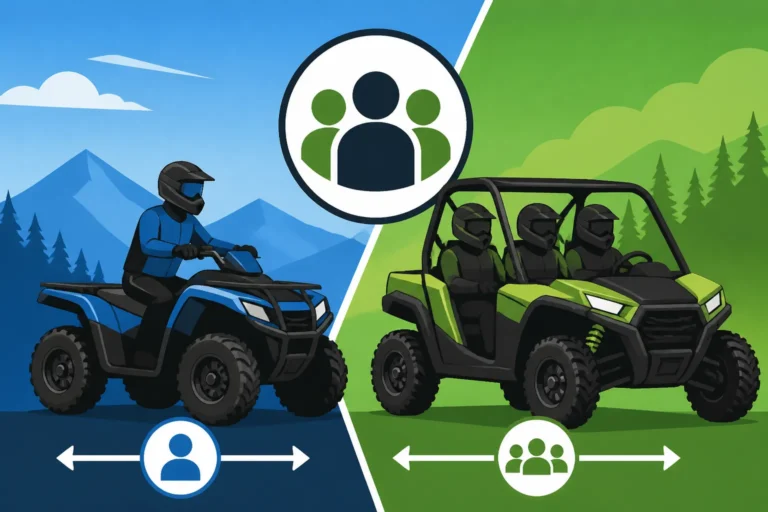
One of the most immediate and impactful factors influencing your insurance premium is the type and value of your ORV. A basic, older ATV, often referred to as a "quad," will typically cost less to insure than a brand-new, high-performance side-by-side (UTV) packed with aftermarket accessories. This isn't just about the purchase price; it's about the potential cost of repairs, replacement, and the inherent risks associated with different machine characteristics.
Side-by-sides, with their larger engines, higher top speeds, increased passenger capacity, and often more complex mechanical systems, generally represent a higher risk profile for insurers. If an accident occurs, the cost to repair a damaged UTV, especially one equipped with premium components or modifications from brands like SuperATV, can be substantially higher than fixing a basic quad. Furthermore, the potential for more severe injuries due to higher speeds or multiple passengers in a UTV can also factor into liability assessments. Insurers evaluate the potential payout for both property damage and personal injury claims, and more expensive, more powerful machines naturally fall into a higher risk category, leading to higher premiums. You might even find that getting [BC Registration for a Side-by-Side] has its own unique insurance considerations compared to a standard ATV.
Rider History and Experience
Just like with car insurance, your personal riding history and experience play a significant role in determining your ORV insurance rates. A rider with a clean record, no prior claims, and perhaps some certified safety training under their belt will almost always pay less than someone with a history of accidents, infractions, or reckless riding. Insurers view past behaviour as an indicator of future risk, and a rider who consistently demonstrates safe practices is considered less likely to file a claim.
This factor can lead to noticeable "price gaps" between riders, even those with similar machines. A seasoned rider who has years of accident-free experience might enjoy lower rates, while a newer rider or someone with a recent incident on their record could face substantially higher premiums. Some insurers may even offer discounts for completing recognized ORV safety courses, reinforcing the idea that demonstrable safe riding practices can directly translate into savings. It's a continuous incentive to operate your machine responsibly and keep your record spotless, whether you're navigating [BC Forest Service Road Rules for ORVs] or a simple trail.
Where You Ride (And How Often)
Perhaps the most unique and impactful factor in BC's ORV insurance landscape, contributing significantly to price disparities, is where you primarily ride your machine and the frequency of that use. As we've discussed, BC's three-tier system means that different types of terrain trigger different mandatory insurance requirements. This isn't just about what's legally required; insurers also factor in the inherent risks associated with various riding environments.
For example, a rider who exclusively uses their ORV on their own private land, with no intention of crossing a highway or riding a resource road, might only need the most basic registration and minimal, voluntary liability coverage – if any at all – making their insurance costs relatively low. Conversely, a rider who frequently traverses [BC Crown Land Triggers the Registration Rule], regularly navigates busy Forest Service Roads, or needs to make occasional highway crossings will incur the mandatory costs associated with those activities. The perceived risk of an accident on a remote, low-traffic trail differs greatly from the risk on a resource road shared with heavy industrial equipment, and insurers price that difference accordingly. The more exposure you have to higher-risk environments, the more you can expect to pay, creating significant gaps between the casual private-land rider and the avid backcountry explorer.
Navigating the Market: Public vs. Private Insurers
When it comes to insuring your ORV in British Columbia, you're not entirely left with just one option, but the market structure can certainly feel a bit lopsided at times. Understanding the roles of both the public insurer (ICBC) and private insurance companies is crucial for making informed decisions about your coverage and potentially finding better rates. Each has its place in BC's unique system, and knowing when to approach which one can save you both money and headaches.
ICBC: The Public Option for Mandatory Coverage
In British Columbia, the Insurance Corporation of British Columbia (ICBC) is the provincial Crown corporation responsible for providing universal compulsory auto insurance. This includes the Basic Autoplan coverage required for any ORV that needs to cross a public highway. If your ORV will ever, even for a moment, be operated on a public highway – such as crossing a road to access another trail – you must obtain this basic liability coverage through ICBC via an Autoplan broker. This is not optional; it's a legal requirement tied to the [What the Off-Road Vehicle Act Covers in BC] and the Motor Vehicle Act.
However, ICBC's role in ORV insurance is primarily focused on this specific, limited scope: providing the mandatory coverage for interactions with public roads. While they do offer some optional coverages for ORVs, especially related to the mandatory liability on Forest Service Roads or comprehensive/collision for your machine, their product offerings for extensive off-road use can sometimes feel less tailored or comprehensive compared to specialized private insurers. Riders often find that while ICBC handles the baseline for road crossings, the bulk of their off-road liability and physical damage coverage might be better sought elsewhere for broader protection and potentially more competitive rates.
Private Insurers: Filling the Gaps and Offering Choice
This is where private insurance companies step in to fill the significant gaps left by ICBC's primary focus. For anything beyond the mandatory Basic Autoplan for highway crossings, especially when it comes to comprehensive liability for general Crown land riding, collision, or specified perils coverage for your machine, private insurers are your go-to. These companies specialize in recreational vehicle insurance and often have more flexible and extensive policy options designed specifically for the unique risks associated with off-road riding.
Private insurers offer a range of voluntary liability limits (often $1 million, $2 million, or more) that protect you when you're riding on trails, in designated riding areas like [Bear Creek OHV: BC's Largest Recreation Site], or on private property. They also provide physical damage coverage for your ATV or side-by-side, protecting your investment from theft, fire, vandalism, or damage from an accident. The key advantage of private insurers is their ability to offer more customized policies and, critically, they introduce an element of competition that can lead to varying prices and coverage benefits. Companies might offer specialized endorsements for accessories (like those from SuperATV), higher liability limits, or better deductibles for collision claims. Shopping around among different private providers can be time well spent.
The Benefits of Club Membership for Discounts
A hidden gem for many ORV riders looking to manage their insurance costs and potentially bridge some of those "price gaps" is becoming a member of an recognized ATV or UTV club in British Columbia. Many ORV clubs, such as those under the umbrella of the Quad Riders ATV Association of British Columbia (QRATVBC) or the British Columbia Off-Road Motorcycle Association (BCORMA), have established partnerships with specific private insurance providers. These partnerships often translate into significant discounts on voluntary liability and physical damage insurance for their members.
The logic behind these discounts is sound: clubs actively promote safe riding practices, advocate for responsible land use, and often require their members to adhere to a code of conduct. Insurers view club members as a lower risk pool, as they are typically more educated on trail etiquette, environmental stewardship, and safety regulations. These discounts can be substantial, sometimes reducing annual premiums by a noticeable amount, making the cost of club membership well worth the investment. Beyond financial savings, joining a club also offers community, trail development support, and access to organized rides, which are invaluable benefits in themselves. Explore options like the [What the Provincial Federation of ATV Clubs Does] to see if membership fits your needs.
Strategies for Smart ORV Insurance in BC
Navigating the complexities of ORV insurance in British Columbia can be a challenge, but with a strategic approach, you can ensure you're adequately protected without overpaying. It's not just about finding the cheapest policy; it's about finding the right policy that matches your riding habits, your machine, and your risk tolerance. By being proactive and informed, you can make smart choices that offer both peace of mind and financial security.
Understanding Your Coverage Needs
Before you even start shopping for insurance, take a serious look at your own riding habits and needs. This fundamental step is crucial for avoiding those "price gaps" and ensuring you're not paying for coverage you don't need, or worse, lacking coverage you desperately do. Ask yourself these key questions:
- Where do I ride most often? Is it exclusively on private land? Do I frequently use Forest Service Roads? Do I ever need to cross public highways? The answer to this dictates your mandatory coverage requirements.
- How often do I ride? Is your ORV a weekend warrior, a seasonal machine, or a daily workhorse? Infrequent use might allow for certain adjustments, though this varies by insurer.
- What is my machine's value? Do you need comprehensive and collision coverage for a brand-new, expensive side-by-side, or is an older, lower-value quad something you're comfortable self-insuring for physical damage?
- What is my personal risk tolerance? How much financial risk are you willing to accept if you're responsible for an accident that causes injury or damage? This will guide your voluntary liability limits.
For example, if you know you'll be riding exclusively on private property that you own, your need for the mandatory resource road or highway crossing coverage diminishes greatly, though liability is still crucial. If you're out on [BC Crown Land Riding Explained] every weekend, then high voluntary liability and potential physical damage coverage should be a priority. By clearly defining your specific needs, you can approach insurers with a focused request, preventing them from selling you unnecessary add-ons or overlooking critical coverages.
Shopping Around and Asking the Right Questions
Once you have a clear picture of your needs, the next critical step is to shop around. Do not settle for the first quote you receive, especially from an Autoplan broker who might be more accustomed to car insurance. Seek out brokers and private insurers who specialize in recreational vehicles or have specific expertise in ORV insurance in BC. You'd be surprised at the variation in rates and coverage options available between different providers.
When you call for quotes, be prepared to ask specific questions:
- "What are my options for voluntary liability coverage beyond the mandatory Basic Autoplan for highway crossings?"
- "Do you offer specific coverage for Forest Service Roads, and what are the limits?"
- "What is included in your comprehensive and collision coverage for my specific type of machine (quad/side-by-side)?"
- "Are there any discounts for safety courses, club memberships, or multi-machine policies?"
- "What are the deductibles for various types of claims?"
- "How do accessories, like aftermarket parts or modifications, affect my coverage or premium?" (Mention SuperATV here if relevant to what you're asking about)
Be transparent about your riding habits and machine specifications. The more information you provide, the more accurate and tailored the quotes will be. Taking the time to compare policies, not just prices, will help you understand the true value and extent of your coverage. Don't be afraid to push for clarity on terms that seem confusing; a good broker will patiently explain everything. Understanding your options through [What Insurance a BC Event Organizer Needs] might even help clarify certain liability questions.
Maintaining a Clean Riding Record
This strategy is perhaps the most straightforward but often overlooked: consistently maintain a clean riding record. Just like with driving your car, your history of incidents, claims, and violations directly impacts your insurance premiums. Every ticket for careless operation, every accident claim, and every infraction contributes to a higher risk profile in the eyes of an insurer, leading to increased costs.
Operating your ORV safely and responsibly isn't just about protecting yourself and others; it's a direct investment in keeping your insurance rates manageable. This means adhering to speed limits, respecting [BC Youth Riding Rules and Supervision], avoiding impaired riding, staying on designated trails, and ensuring your machine is properly maintained. A spotless record over several years can qualify you for better rates and larger no-claim discounts. Some insurers might even offer rewards for long-term safe riding. It’s an ongoing commitment, but one that pays dividends in both safety and savings, helping to mitigate some of those frustrating price gaps over time.
What Happens When You Don't Have Enough Coverage
It's easy to focus on saving money when it comes to insurance, especially with the confusing landscape in BC. Many riders are tempted to opt for the bare minimum, or sometimes, no voluntary coverage at all, thinking "it won't happen to me." This mentality, while understandable from a cost-saving perspective, can lead to devastating financial and legal consequences if an accident occurs. Understanding the true risks of being underinsured is a powerful motivator to ensure you have adequate protection.
The Financial Fallout of an Accident
Imagine a scenario: you're out on a popular trail on Crown land, enjoying a beautiful BC day. Suddenly, due to an unforeseen circumstance, you lose control and collide with another rider, causing them a serious injury and significantly damaging their expensive side-by-side (perhaps even one kitted out with premium upgrades from SuperATV). Or perhaps you accidentally drive through a farmer's fence on leased Crown land, causing significant property damage and potentially allowing livestock to escape.
If you only have the mandatory Basic Autoplan for highway crossings, or just the $200,000 for a resource road (and this incident occurred somewhere else), you would be personally responsible for all the costs. Medical bills for severe injuries can easily run into hundreds of thousands, if not millions, of dollars. Property damage to another ORV, fences, or other infrastructure can be tens of thousands. Without sufficient voluntary liability insurance (think $1 million or $2 million policies), these costs would come directly out of your pocket. This could mean depleting your savings, liquidating assets, or even facing wage garnishment for years to come. The financial fallout of being underinsured in a serious accident can be life-altering, far outweighing any savings you might have made by foregoing comprehensive coverage. The peace of mind that comes with sufficient coverage truly is priceless in such situations.
Legal Consequences and Enforcement
Beyond the immediate financial burden, lacking appropriate ORV insurance can also lead to significant legal consequences and enforcement actions. As we've discussed, operating on a public highway without Basic Autoplan or on a resource road without the mandatory $200,000 liability is illegal. Getting caught can result in hefty fines, vehicle impoundment, and even driving prohibitions. Police, Conservation Officers, and other enforcement personnel have the authority to verify your registration and insurance status, especially when operating on [BC Crown Land Triggers the Registration Rule] or FSRs.
In the event of an accident where you are at fault and underinsured, you could face civil lawsuits from the injured parties seeking compensation. These lawsuits can be protracted, stressful, and incredibly expensive, even before a judgment is rendered against you. Furthermore, if you cause significant damage to Crown land, you might face penalties under the Off-Road Vehicle Act or other environmental legislation, which can include substantial fines. In some severe cases, intentional disregard for regulations could even lead to criminal charges. The penalties for [BC Fines for Careless Operation] or riding an unregistered machine underscore the serious nature of these legal requirements. It's not just about covering your financial backside; it's about adhering to the law and avoiding severe legal repercussions that can follow you for years.
Disclaimer
This article is for general informational purposes only and does not constitute professional advice. Laws, prices and regulations vary by location and change over time. Consult a qualified professional for guidance on your specific situation.