BC Liability Is Voluntary on Other Crown Land
Navigating the wilds of British Columbia on your ATV or side-by-side offers unparalleled freedom, but it also comes with a unique set of responsibilities, especially when it comes to insurance. Many riders feel confused about where they need liability coverage and where they don't, often assuming that if it's not a Forest Service Road, they're completely off the hook. This guide will clarify the nuances of ORV liability insurance for "other Crown land" in BC, helping you understand why voluntary coverage isn't just a good idea, but a crucial one for your financial well-being and peace of mind.
What is "Other Crown Land" in BC, Anyway?
When we talk about riding off-road in British Columbia, the term "Crown land" comes up a lot. It's a huge category, encompassing about 94% of the province, and it's where most of us love to explore. However, not all Crown land is treated equally under the Off-Road Vehicle Act, especially when it comes to insurance requirements. Understanding these distinctions is key to staying legal and protected.
Beyond Forest Service Roads
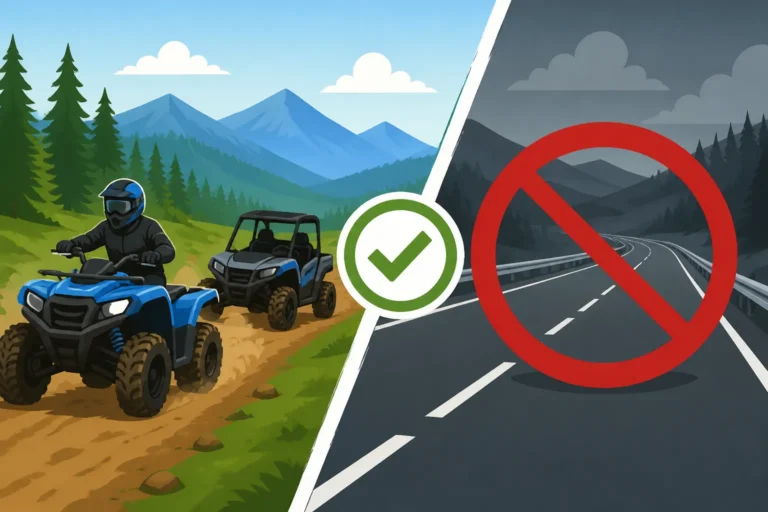
Most riders are aware that when you venture onto a Forest Service Road (FSR) in BC, you absolutely must have a minimum of $200,000 in third-party liability insurance. This isn't just a suggestion; it's a hard rule designed to protect against the significant risks associated with shared industrial and recreational use on these working roads. FSRs often see heavy truck traffic, active logging, and diverse users, making them higher-risk environments where an accident could have serious consequences. The clear mandate for liability coverage on FSRs is a direct reflection of this heightened risk. You can learn more about these specific rules in [BC Forest Service Road Requirements].
But what about everywhere else? That vast expanse of mountains, forests, lakeshores, and trails that aren't designated FSRs? That's what we typically refer to as "other Crown land." It includes everything from old mining trails and informal riding areas to remote alpine meadows and riverbeds. While the spirit of the law might imply you should always be covered, the letter of the law draws a specific line. This distinction can be a real headache for riders trying to ensure they're doing everything by the book.
Examples of "Other Crown Land" Where Rules Differ
Imagine you're out riding in the Okanagan, exploring some single-track trails that wind through the hills, far from any paved road or active logging operation. Or perhaps you're cruising along a wide-open gravel area near a river in the Kootenays, enjoying the fresh air. Maybe you've trailered your machine up to a remote staging area in the Cariboo and are heading out on an old hunting path. These are all prime examples of "other Crown land." They're not FSRs, but they're also not private property.
In these scenarios, the mandatory $200,000 liability insurance requirement that applies to FSRs does not technically extend. This is a crucial point of confusion for many. The law recognizes these areas as Crown land where ORVs are permitted, but it leaves the decision about liability coverage up to the individual rider. It's this voluntary aspect that often catches people off guard, leading to a false sense of security or, worse, significant financial exposure if an accident occurs. While it's voluntary, the smart rider will still consider it mandatory for their own protection.
Distinguishing Crown Land from Private Property
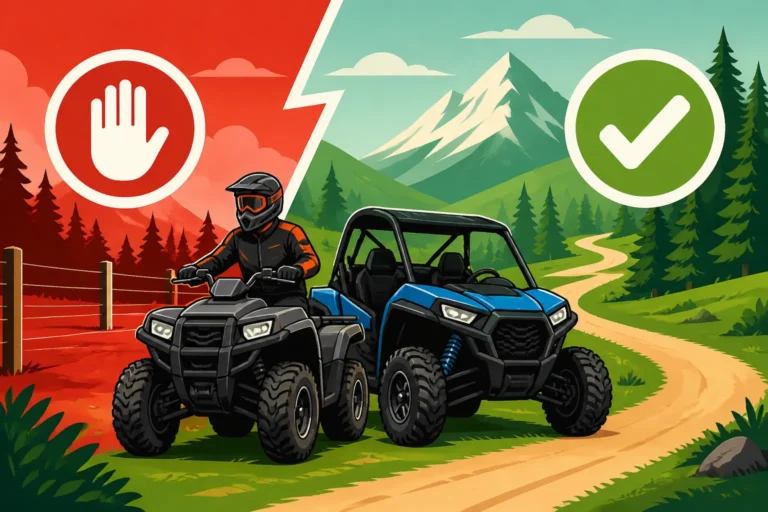
It's also vital to clearly distinguish between Crown land and private property, as the rules for each are distinct. Private land is, well, private. To ride on it, you need explicit permission from the landowner. While the Off-Road Vehicle Act applies broadly to ORV operation, the specific insurance mandates we're discussing here relate to Crown land. If you're riding on private property without permission, you're trespassing, which is a whole other legal issue.
However, even on private property, if you cause damage or injury to others, your personal liability could be significant. If you’re riding on land that isn't yours, whether it's leased Crown land or private property, ensuring you have adequate liability coverage is paramount. It’s important to understand [BC Rules for Riding Private Land] to avoid any misunderstandings with landowners. This complex patchwork of rules often leaves riders scratching their heads, wondering exactly what kind of coverage they need and when.
Understanding the BC Liability Insurance Landscape
The world of ORV insurance in British Columbia can feel like a maze, with different requirements for different types of terrain. It's not as straightforward as insuring your car, and this complexity is a major source of frustration for many riders. However, a clear understanding is your best defense against unexpected costs and legal troubles.
The Mandatory $200,000 FSR Rule
Let's reiterate the baseline: if you're riding on a Forest Service Road, you must have a minimum of $200,000 in third-party liability insurance. This isn't negotiable. This coverage is specifically designed to protect you financially if you cause an accident on an FSR that results in injury to others or damage to property, such as a logging truck, another ORV, or even the road infrastructure itself. Without it, you could face hefty fines and be personally responsible for all damages, which can easily run into hundreds of thousands of dollars.
This mandatory coverage is typically purchased through an Autoplan broker, often at the same time you register your ORV. It's an annual cost, separate from the one-time registration fee, and it ensures that you're prepared for the unique hazards of FSRs. Riders often ask [What You Still Pay Yearly After Registering Once], and this liability insurance is a primary component of those ongoing costs. It’s a necessary safeguard in areas where industrial and recreational traffic merge.
The Voluntary Nature of "Other Crown Land" Coverage
Now, here's where it gets tricky. For all that other Crown land – the trails, the informal riding areas, the backcountry expanses that aren't classified as FSRs – the provincial Off-Road Vehicle Act does not impose a mandatory liability insurance requirement. This means that if you stick exclusively to these "other Crown land" areas, you are not legally obligated by the province to carry liability insurance.
However, "not legally obligated" is a far cry from "not a good idea." In fact, it's a huge risk. If you have an accident on "other Crown land" and cause injury to another person, damage their ORV, or damage any private property (like a fence that borders Crown land), you are personally liable for those costs. Without insurance, every single dollar comes directly out of your pocket. Imagine hitting another rider, or damaging a cabin on leased Crown land; the costs could be catastrophic. While your rig might be equipped with quality aftermarket parts from a brand like SuperATV, designed to handle tough terrain, even the most robust machine and skilled rider can have an unforeseen incident. The lack of a legal mandate doesn't erase the real-world financial consequences of an accident.
How Basic Autoplan Fits In (or Doesn't)
Many people confuse their regular Basic Autoplan car insurance with ORV coverage. It's a common misconception that if you have car insurance, your ORV is somehow covered by extension, or that your home insurance policy will step in. This is almost never the case. Your Basic Autoplan for your road vehicle does not provide liability coverage for your ORV when you're operating it off-road. It's designed for vehicles on public roads and highways.
While you might use your truck, insured under Autoplan, to haul your quad to a staging area, that coverage stops at the point where your ORV leaves the trailer and starts operating under its own power off-road. For any off-road incident, you need specific ORV liability coverage. This distinction is crucial and often misunderstood, leading many to think they're protected when they're actually completely exposed. [BC ATV Insurance Requirements] delve deeper into the types of coverage available.
Why Voluntary Coverage Makes Sense
Even though liability insurance isn't mandatory on all Crown land, it's incredibly prudent to have it. Think of it as investing in your financial future and peace of mind. The risks of riding off-road are real, and while we all hope for incident-free adventures, preparing for the unexpected is always the smartest move.
Protecting Your Assets from the Unexpected
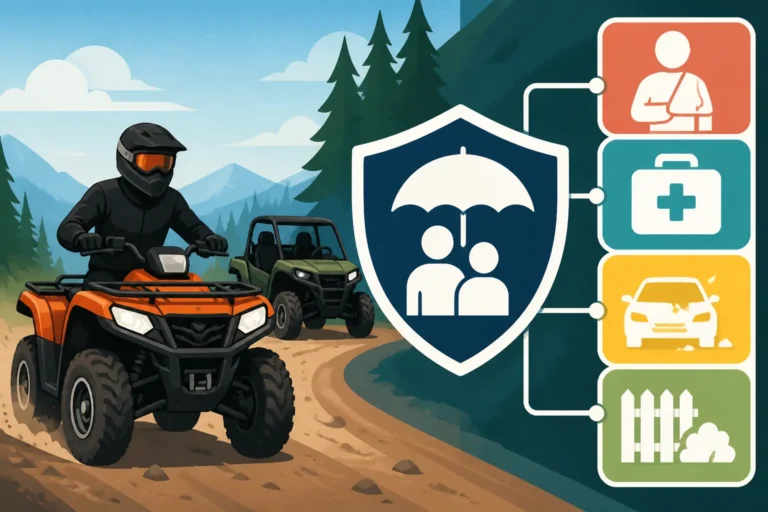
Imagine the worst-case scenario: you misjudge a turn on a winding trail and collide with another rider, or perhaps your machine slips on a tricky descent and takes out a parked side-by-side. If you don't have voluntary liability coverage, you are personally on the hook for all damages. This isn't just about covering the cost of repairs to another person's machine; it also includes potential medical expenses for injuries they sustained, lost wages if they can't work, and even pain and suffering. These costs can quickly escalate into hundreds of thousands, or even millions, of dollars.
Without insurance, a single accident could wipe out your savings, force you to sell assets like your home or investments, and leave you in significant debt for years. Your ORV, whether it’s a high-performance model with SuperATV upgrades or a trusty workhorse, is a significant investment. But the liability risk far outweighs the value of the machine itself. Voluntary coverage acts as a financial shield, protecting your hard-earned assets from unforeseen circumstances. It allows you to enjoy your ride without the constant worry of financial ruin looming over every corner.
Peace of Mind on Remote Trails
There's nothing quite like the solitude and adventure of exploring BC's remote backcountry. However, this remoteness also means that help can be a long way off if something goes wrong. Knowing you have liability coverage provides a profound sense of peace of mind. It allows you to focus on the trail, the scenery, and the joy of riding, rather than fretting about potential financial catastrophe with every bump and turn.
This peace of mind extends beyond just your personal financial security. It also allows you to ride more confidently, knowing that if you inadvertently cause harm to another person or their property, you're not leaving them in a lurch. It's about being a responsible member of the riding community and ensuring that your love for the outdoors doesn't become a burden on others or yourself. Whether you're navigating complex terrain or just enjoying a casual ride, that safety net is invaluable.
Covering Your Passengers and Guests
Many ORVs, especially side-by-sides, are designed to carry passengers. When you invite friends or family along for a ride, you take on an additional layer of responsibility. If a passenger is injured while riding with you, and it's determined that your actions (even accidental ones) contributed to their injury, you could be held liable. This applies even if they signed a waiver; waivers don't always fully absolve you of all responsibility, especially in cases of negligence.
Voluntary liability insurance specifically covers these types of scenarios. It ensures that if a passenger you're carrying, or a guest riding another machine you're leading, is injured due to an incident involving your ORV, their medical expenses and other damages can be covered. This protection is not just for your sake, but for the well-being of those you share your adventures with. It's a vital component of being a responsible host and rider, especially when [BC Rules for Passengers on a Quad] are so specific about safe practices.
Choosing Your ORV Liability Coverage
Deciding on the right ORV liability coverage in BC involves understanding your options and assessing your personal risk. It's not a one-size-fits-all solution, and what works for one rider might not be sufficient for another.
Public vs. Private Insurers
In British Columbia, the primary provider of mandatory vehicle insurance (including the $200,000 FSR liability for ORVs) is ICBC, through its network of Autoplan brokers. When you register your ORV, you'll arrange for this basic FSR coverage at the same time. This public insurer is your first stop for anything mandatory.
However, for additional liability coverage beyond the FSR minimum, or for other types of protection like collision or comprehensive, you'll often turn to private insurance companies. Many private insurers offer specialized ORV policies that can extend your liability limits (e.g., to $1 million or $2 million) and provide coverage for "other Crown land" and even private property with permission. These policies can also include coverage for damage to your own machine, theft, or fire. Speaking with an independent insurance broker who specializes in recreational vehicles can help you compare options from different private providers and find a policy that best suits your needs. They understand the nuances of [BC ATV Insurance Requirements] and can tailor a plan for you.
Factors Influencing Your Premium
Just like with car insurance, several factors will influence the cost of your ORV liability premium. These can include:
- Your riding history: A clean record with no claims or tickets will generally result in lower premiums.
- The type of ORV: More powerful, higher-value machines might have slightly higher premiums, especially if you opt for collision coverage. A heavily modified UTV with all the bells and whistles, perhaps equipped with a SuperATV lift kit and heavy-duty axles, might cost more to repair or replace, influencing comprehensive and collision rates.
- Where you ride: While the base liability is often generic for Crown land, some insurers might inquire about your typical riding locations or habits, though this is less common for liability and more for comprehensive/collision aspects.
- Your chosen coverage limits: Opting for higher liability limits ($1 million, $2 million) will increase your premium, but also significantly increase your protection.
- Deductibles: For collision and comprehensive, a higher deductible means a lower premium, but you'll pay more out-of-pocket if you make a claim.
- Rider training: Completing an approved ORV safety course can sometimes lead to discounts, as it demonstrates a commitment to safe riding practices.
- Club memberships: Some ATV clubs in BC offer insurance discounts to their members, so it's worth inquiring if you're part of a local club.
It's always a good idea to get multiple quotes and compare what's included in each policy. [BC ATV Insurance Cost Per Year] can vary widely based on these factors.
Enhancing Your Coverage: Beyond Basic Liability
While liability is critical, it's not the only type of insurance you might consider for your ORV. Many private policies offer additional protections:
- Collision coverage: This pays for damage to your ORV if you're involved in an accident, regardless of who is at fault. If you've invested significantly in your machine, especially with aftermarket parts from brands like SuperATV, this coverage is highly recommended.
- Comprehensive coverage: This protects your ORV against damage from non-collision events, such as theft, vandalism, fire, or damage from natural disasters (like a tree falling on it). Given that ORVs are often stored in garages or outbuildings, theft can be a real concern.
- Agreed value: For high-value or highly customized machines, some insurers offer "agreed value" coverage, where you and the insurer agree on the value of your ORV upfront. This avoids depreciation disputes if your machine is a total loss.
- Contents coverage: If you carry expensive gear on your ORV (GPS units, cameras, specialized tools), you might want to ensure your policy covers these items if they are stolen or damaged in an accident.
A balanced approach considers both your liability exposure and the value of your machine, ensuring you're protected from a wide range of potential incidents.
What Happens Without Voluntary Coverage?
Choosing to ride without voluntary liability insurance on "other Crown land" is a gamble, and the stakes are incredibly high. While it might save you a few dollars upfront on premiums, the potential costs of an accident can be financially devastating and emotionally draining.
Personal Financial Exposure
Without voluntary liability coverage, you are personally responsible for every penny of damage or injury you cause. This means that if you hit another rider, and they sustain serious injuries requiring extensive medical care, rehabilitation, and lost income, you could be facing a lawsuit for hundreds of thousands, if not millions, of dollars. This liability extends to property damage as well – if you damage another ORV, a cabin, a vehicle, or any other structure, the repair or replacement costs are yours to bear.
The legal system can be slow and expensive. Even if you believe you weren't at fault, defending yourself in court can cost tens of thousands in legal fees. If a judgment is made against you, the courts can seize your assets, garnish your wages, and place liens on your property until the debt is paid. This isn't just a theoretical risk; it's a very real consequence that can follow you for years, severely impacting your financial stability and credit rating. For more details on what the law covers, see [What the Off-Road Vehicle Act Covers in BC].
Navigating an Accident Without Insurance
Imagine you're involved in an accident on a remote trail. The situation is stressful enough. Now, add the fact that you don't have liability insurance. If another party is injured or their property is damaged, the immediate aftermath becomes significantly more complicated. There's no insurance company to step in and handle claims, negotiate settlements, or provide legal representation.
You would be directly interacting with the injured party, their lawyers, or their insurance company (if they have coverage). This can quickly become an adversarial process, with accusations, demands, and intense pressure. Without the backing of an insurance policy, you're on your own, attempting to manage a complex legal and financial situation while likely still dealing with the shock and stress of the accident itself. This is a burden no rider wants to face.
Legal Ramifications and Fines
While there isn't a direct provincial fine for not having liability insurance on "other Crown land" (unlike the FSR rule), the legal ramifications of causing damage or injury without coverage are far more severe than any simple ticket. The fines you might avoid by skipping insurance premiums are dwarfed by the potential costs of a civil lawsuit.
Furthermore, if your actions are deemed reckless or negligent, you could face charges under other sections of the Off-Road Vehicle Act or even the Criminal Code, depending on the severity. While these charges are separate from insurance issues, causing an accident without insurance can amplify the negative outcomes in any subsequent legal proceedings. It highlights a lack of responsibility that courts might view unfavorably. It's a risk that simply isn't worth taking for any serious ORV enthusiast.
Common Misconceptions About ORV Insurance in BC
The world of ORV insurance in BC is rife with misunderstandings. These common errors in judgment can leave riders dangerously exposed, thinking they're covered when they're actually not. Let's debunk some of the most prevalent myths.
"My Car Insurance Covers My Quad"
This is perhaps the most dangerous and widespread misconception. Many riders mistakenly believe that their existing car insurance policy, whether it's through ICBC or a private provider, automatically extends to cover their ATV or side-by-side when it's being ridden off-road. Unfortunately, this is almost universally false. Standard auto policies are designed for on-highway use and specifically exclude off-road operation of ATVs, UTVs, dirt bikes, and snowmobiles.
Your car insurance might cover your ORV while it's being transported on a trailer towed by your insured vehicle, but the moment the ORV is unloaded and operating under its own power off pavement, that coverage ceases. To be properly insured, your ORV needs its own dedicated insurance policy. This can be the mandatory FSR liability through an Autoplan broker, and then additional, voluntary coverage for "other Crown land" or private property through a private insurer. Always check your specific policy wording, but assume your car insurance does not cover your ORV in the backcountry.
"It's Only Required on FSRs"
While it's true that the mandatory $200,000 liability insurance is specifically enforced for Forest Service Roads, this doesn't mean you're free from financial responsibility everywhere else. This misconception stems from a literal interpretation of the law, where the province mandates coverage for FSRs but makes it "voluntary" for other Crown land.
However, "voluntary" doesn't mean "risk-free." As we've discussed, if you cause an accident, injury, or property damage on any other piece of Crown land, you are still 100% financially liable. The provincial government simply isn't forcing you to carry insurance for those areas. This distinction is often lost on riders who only hear "not required" and assume "not needed." It's a critical difference that can lead to immense financial hardship if an incident occurs away from an FSR. The consequences for [BC Fines for Careless Operation] can be severe, even if no other vehicle is involved.
"I Only Ride Alone, So I Don't Need It"
Some riders rationalize skipping voluntary liability insurance by saying, "I only ever ride by myself," or "I only ride with people I know, and we'd never sue each other." While riding alone might reduce your chances of a collision with another ORV, it doesn't eliminate all liability risks. You could still accidentally damage someone's private property that borders Crown land, like a fence, a cabin, or even grazing livestock. If you lose control and damage natural resources in a protected area, there could be fines and remediation costs.
Moreover, accidents can happen even with trusted friends. What if you're riding in a group, and your actions, even unintended, cause one of your friends to crash and sustain a serious injury? While friends might be reluctant to sue, if medical bills pile up and their ability to work is impacted, they might have no choice but to pursue compensation. An insurance policy protects those relationships by ensuring that expenses are covered without placing a financial burden on individuals. Even if your machine is equipped with rugged parts from SuperATV designed for solo adventures, unexpected events can still lead to costly liabilities.
It's about being prepared for any eventuality, not just the ones you anticipate. Riding an ORV is an inherently risky activity, and comprehensive insurance is your best tool for managing those risks.
A Practical Look at ORV Insurance Options
To help clarify the different layers of ORV insurance available in British Columbia, let's look at a simple comparison table. This isn't exhaustive, but it highlights the core distinctions.
| Insurance Type | Mandatory? | Covers | Who Provides? | Cost Basis (General) |
|---|---|---|---|---|
| FSR Third-Party Liability ($200K) | YES (on FSRs) | Injury to others or damage to their property (including other vehicles, industrial equipment, road infrastructure) caused by your ORV on a designated FSR. | ICBC (via Autoplan brokers) | Annual premium, varies by rider history and machine type. |
| Voluntary Third-Party Liability | NO (on other Crown land/private) | Extends liability coverage beyond FSRs to other Crown land (trails, backcountry) and often private property (with permission). Protects against injury/damage to others. | Private Insurers | Annual premium, varies by coverage limit, rider history, machine. Often higher limits available. |
| Collision Coverage | NO | Damage to your ORV from an accident, regardless of fault. | Private Insurers | Annual premium, varies by machine value, deductible, rider history. |
| Comprehensive Coverage | NO | Damage to your ORV from non-collision events (theft, fire, vandalism, natural disaster). | Private Insurers | Annual premium, varies by machine value, deductible. |
This table makes it clear: while the province only mandates coverage on FSRs, true peace of mind and financial protection come from opting into the voluntary coverages offered by private insurers.
When considering your options, remember that your ORV registration is a separate, one-time fee as outlined in [BC ORV Registration You Pay Once]. However, the insurance portion is an ongoing annual expense that protects you from potential financial ruin. Don't confuse the two, and don't let the "voluntary" aspect lull you into a false sense of security.
Conclusion: Ride Smart, Ride Covered
Riding off-road in British Columbia is an incredible experience, offering unmatched opportunities for adventure and connection with nature. However, it's an activity that carries inherent risks, and being prepared for those risks is the mark of a responsible rider. While the province dictates mandatory liability insurance for Forest Service Roads, the decision to carry voluntary liability coverage on "other Crown land" is left to you.
Choosing to ride without this crucial protection is a significant gamble with your financial future. The cost of an accident, whether it involves injury to another person or damage to property, can be catastrophic, easily outweighing any savings on insurance premiums. By understanding the distinctions, choosing appropriate coverage from public and private insurers, and debunking common misconceptions, you empower yourself to ride with confidence and peace of mind. Invest in your protection; it's the smartest accessory you can add to your ORV, even alongside rugged enhancements from a company like SuperATV. Ride smart, stay safe, and ensure you're always covered, no matter where your BC adventure takes you.
Disclaimer
This article is for general informational purposes only and does not constitute professional advice. Laws, prices and regulations vary by location and change over time. Consult a qualified professional for guidance on your specific situation.