Registering a Quad After You Have Been Ticketed
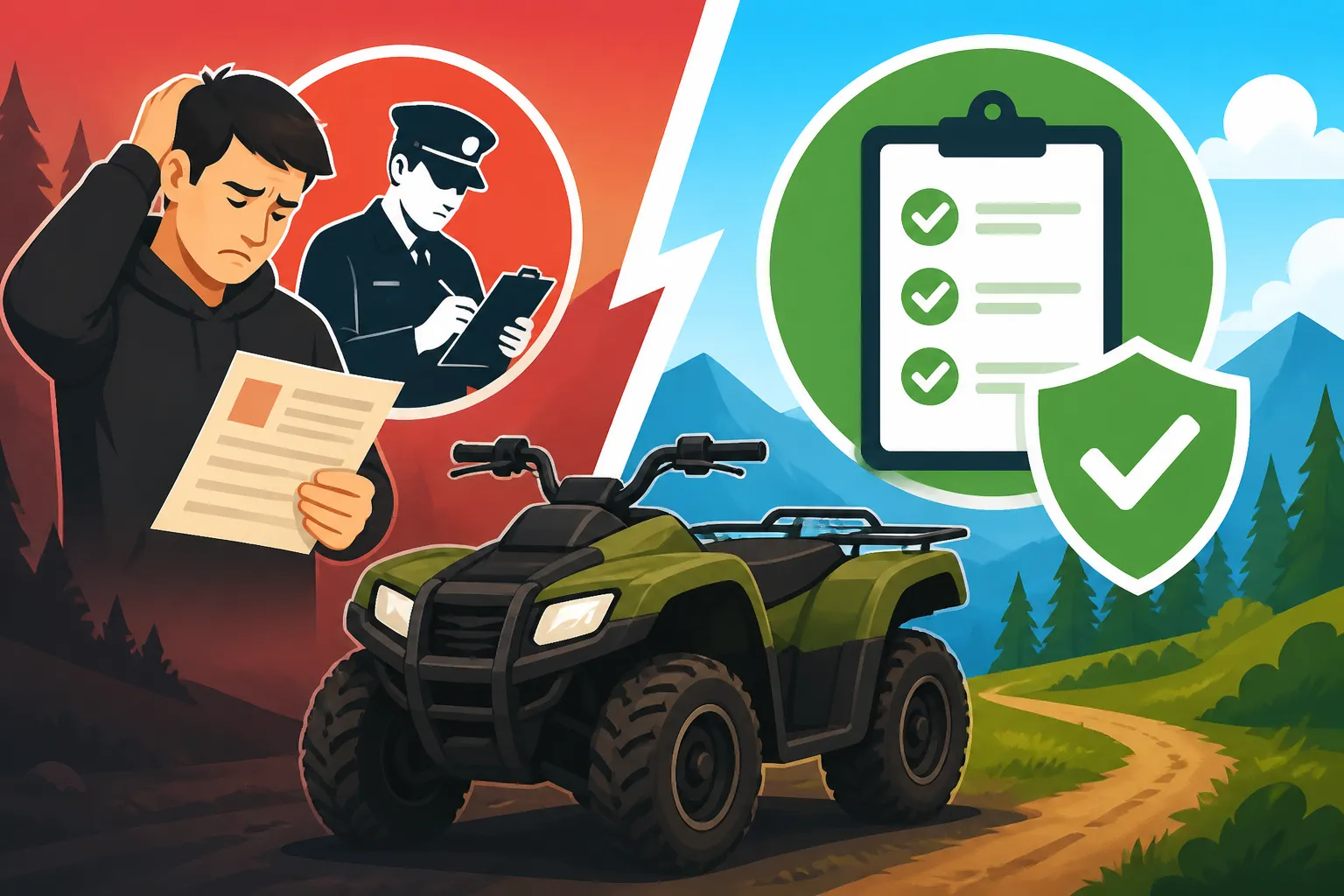
It's an absolutely awful feeling, isn't it? You're out enjoying a ride on your quad or side-by-side, soaking in the beautiful BC backcountry, when suddenly you see those flashing lights in your rearview mirror. And then, the gut punch: a ticket for an unregistered off-road vehicle. It's frustrating, confusing, and can feel unfair, especially if you didn't even realize registration was mandatory. This guide is here to walk you through exactly what to do next, from understanding why you got that ticket to successfully getting your machine registered and hopefully, mitigating the consequences of the infraction.
Understanding Why You Were Ticketed
First off, let's address why you probably received that ticket. It's not because the officer was out to ruin your day, but because British Columbia introduced the Off-Road Vehicle Act in 2015. Before then, things were a bit more relaxed, and many riders, myself included, simply didn't think twice about official paperwork for their dirt bikes or ATVs. But those days are long gone, and the law now requires almost all off-road vehicles (ORVs) to be registered if they're going to be operated on Crown land, which includes things like [BC Resource Roads Count as Crown Land] and just about any other public trail you can imagine.
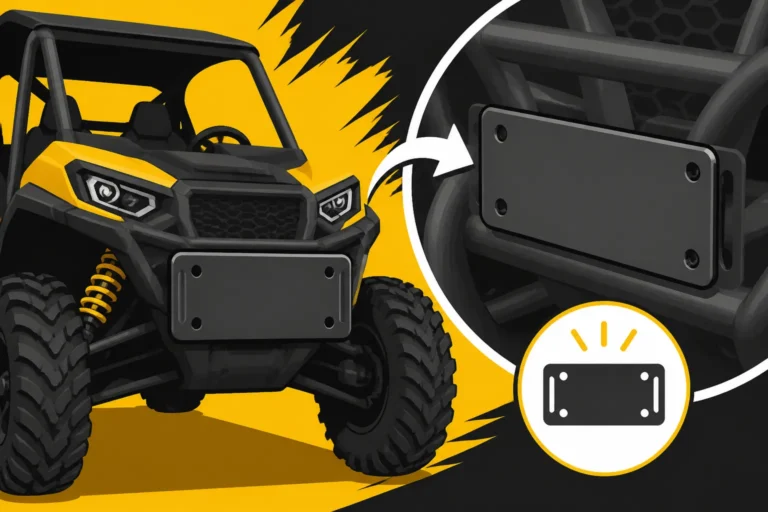
The intent behind the Act was to create a comprehensive system for identifying ORVs, much like how we register cars and trucks. This helps with everything from recovering stolen machines to ensuring accountability on our shared public lands. If your quad wasn't registered, it means it didn't have one of those specific [BC ORV Number Plates and Decals] displayed, and it wasn't recorded in the provincial database. It's a common oversight, especially for those of us who've owned our machines for years, or inherited them, or just haven't been keeping up with legislative changes. You might have thought you were just riding on some remote trail, far from anyone, but the moment you hit Crown land, the registration requirement kicks in. [What the Off-Road Vehicle Act Covers in BC] is a good read if you want to dive deeper into the specifics.
The Specifics of the Offence
When you were issued that ticket, it likely cited a section of the Off-Road Vehicle Act related to operating an unregistered vehicle. The exact wording can vary, but the core issue is the lack of a current and valid registration certificate and the corresponding plate and decal. This isn't just a slap on the wrist; tickets for an unregistered machine can carry a significant fine. Beyond the immediate financial penalty, there's also the hassle of going through the registration process under pressure, often with a court date looming. It can add a layer of stress to what should be an exciting process.
It’s important to remember that ignorance of the law is generally not a defence. Even if you truly didn't know about the 2015 change, the expectation is that all operators are aware of and comply with the regulations. This is why getting caught off guard can be such a shock – you feel like a responsible rider, but suddenly you're facing a legal issue.
Immediate Steps After Receiving the Ticket
Okay, so the ticket is in hand. The first thing you absolutely must do is avoid panicking. It's unsettling, but it's a fixable situation. Your primary goal now is to get your quad registered as quickly and correctly as possible. This shows good faith and can be beneficial when it comes to addressing the ticket itself.
Before you do anything else, take a deep breath and review the ticket carefully. Note the date, time, location, the specific offence cited, and any court date or payment deadline. You'll need all this information as you move forward. Don't throw it in a glove box and forget about it; that's a recipe for even bigger problems down the line.
Gathering Your Machine's Information
To register your quad, you're going to need specific information about it. The most crucial piece is the Vehicle Identification Number (VIN). This unique serial number is usually stamped on the frame of your machine, often near the steering head, on the lower frame rail, or sometimes near the engine. It's like your quad's fingerprint. If you're having trouble finding it, consult your owner's manual or do a quick online search for common VIN locations for your specific make and model.
Beyond the VIN, you'll need the make, model, year, and engine size. If you've had your machine for a while, you might already have this information handy. If not, this is the time to start digging through any old paperwork you might have, or at least making a detailed inspection of the quad itself. Having these details organized will make the registration process much smoother. Don't be afraid to take photos of the VIN and any other identifying marks; it helps to have visual proof.
Navigating the Registration Process Post-Ticket
The good news is that getting a ticket doesn't stop you from registering your ORV. In fact, it often becomes a strong motivator to finally get it done! The process for [How to Register an ATV in BC] is pretty straightforward once you know the steps, and it typically involves visiting an Autoplan broker. These are the same folks who help you with your car insurance, and many of them are well-versed in ORV registration too.
The challenge, especially for older machines or those passed down through generations, often lies in proving ownership. This is where many riders hit a snag, and it's particularly important when you're also trying to resolve a ticket.
Proving Ownership: The Paperwork Puzzle
When you walk into an Autoplan broker, they'll need to see a clear chain of ownership for your quad. This means documents like bills of sale, starting from the original purchase right up to you. For a new machine bought from a dealership, this is usually simple: you'll have a dealer bill of sale. But for older machines, or those bought privately, this can be a real headache.
Imagine you bought your quad cash from a buddy fifteen years ago, and he bought it from someone else, and neither of you kept the receipts. This is incredibly common. The broker needs to see something that connects you to the previous owner, and them to their previous owner, and so on. This is what's known as [BC Ownership Chains Going Back Decades]. If you're missing bills of sale, don't despair! This is where a [BC Statutory Declaration for an ORV] comes into play. A statutory declaration is a legal document where you swear under oath that you are the rightful owner of the machine, detailing how and when you acquired it, and why you don't have all the required paperwork. LawDepot is a useful online resource that can help you draft statutory declarations and other legal documents, making this part of the process more accessible. You'll need to sign this in front of a commissioner for taking affidavits, which many Autoplan brokers can arrange, or you can find one at Service BC centres. This declaration becomes a crucial piece of your ownership puzzle, especially when registering a quad that's changed hands many times without formal receipts.
The Autoplan Broker Appointment
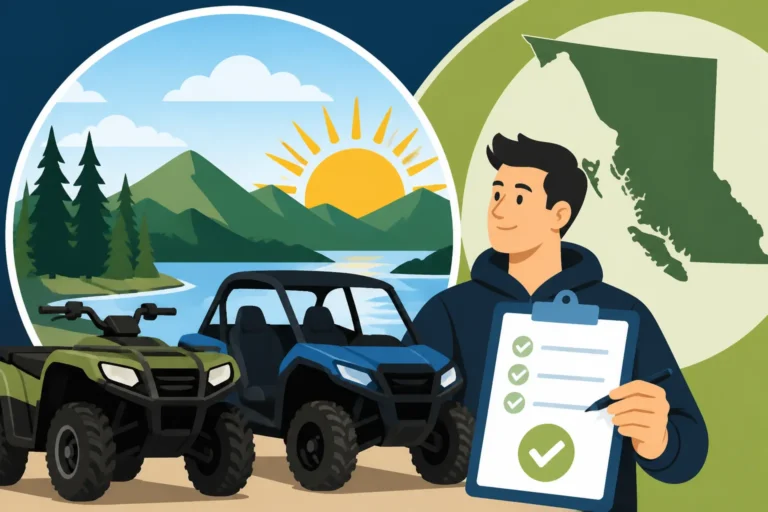
Once you have all your paperwork, including any necessary statutory declarations, head to an Autoplan broker. [BC Autoplan Brokers Handle ORV Registration], so they're your go-to. Bring all your ownership documents, your photo ID (you'll need to show [BC Riders Must Carry Photo ID] when riding, too, so get used to it), and the machine's VIN. The broker will review your documents, verify the VIN, and process your application. They'll help you complete the [BC Registration Paperwork Checklist] and guide you through the forms.
If everything checks out, they'll issue you a [BC's Certificate of Registration Explained], an ORV plate, and a decal. This is the moment of truth! Remember, unlike highway vehicles, ORV registration is a one-time fee; [BC Registration Lasts As Long as You Own It], so there's [BC Has No Annual Renewal Sticker] to worry about. The cost is usually quite modest. Once you have that certificate and plate, make sure to affix the plate properly to your quad – either on the front, back, or left side, clearly visible. [BC Plate Placement on Front, Back or Left] has the details. Don't forget to put the decal on the plate as well.
Addressing the Ticket After Registration
Now that your quad is officially registered, you're in a much stronger position to deal with the ticket. Having successfully registered your machine demonstrates a clear intent to comply with the law, and that can go a long way.
There are generally a few paths you can take: pay the ticket, dispute it, or attempt to negotiate it down.
Option 1: Paying the Ticket
The simplest, though often least appealing, option is to just pay the fine. If you don't want the hassle of court dates or arguments, paying it within the designated timeframe (usually 30 days) closes the matter. However, before you just write a cheque, consider if there's an opportunity for a reduction.
Option 2: Disputing the Ticket
You have the right to dispute the ticket. This typically involves notifying the court of your intention to dispute by the deadline on the ticket. When you go to court, you'll have the opportunity to explain your situation to a Justice of the Peace. This is where your newly acquired Certificate of Registration becomes a powerful piece of evidence.
What to Emphasize in Court:
- Prompt Action: Highlight that you registered the machine immediately after receiving the ticket. Bring your [BC's Certificate of Registration Explained] and the date it was issued. This shows you took responsibility and rectified the situation.
- Prior Ignorance (with caution): You can explain that you genuinely weren't aware of the 2015 registration requirement. While this isn't a legal defence, it can explain why you were in non-compliance.
- Good Character: Emphasize that you are a responsible rider and that this was an honest mistake.
- The Intent of the Act: You can argue that the purpose of the Act (identification, accountability) is now met because your machine is registered.
While there's no guarantee, many Justices of the Peace will consider these factors and may reduce the fine, or even in some cases, cancel the ticket, especially if it's your first offence and you've taken proactive steps. The key is to be respectful, organized, and clear.
Option 3: Seeking a Discussion with the Prosecutor
In some jurisdictions, you might be able to speak with a prosecutor before your court date to see if there's an opportunity to resolve the matter without a formal hearing. This is less common for minor traffic tickets but worth exploring if the fine is substantial. Again, having your machine registered is your strongest argument here. You can explain that you've rectified the issue and ask if they would consider reducing or withdrawing the charge.
Table: Navigating Registration vs. Ticket Resolution
| Aspect | Focus for Registration Process | Focus for Ticket Resolution |
|---|---|---|
| Primary Goal | Obtain a valid [BC's Certificate of Registration Explained] and plate. | Mitigate or resolve the financial penalty and legal consequences of the ticket. |
| Key Documentation | VIN, bills of sale (or [BC Statutory Declaration for an ORV]), photo ID. | The actual violation ticket, your new Certificate of Registration, any other relevant paperwork. |
| Main Contact Point | [BC Autoplan Brokers Handle ORV Registration] | Provincial court (for disputes) or Ticket Payment Centre (for payments). |
| Emotional State | Potentially frustrated by paperwork, but ultimately relieved when registered. | Stressed, worried about fines/court, but empowered by having registered. |
| Timeline | As quickly as possible after the ticket. | By the due date on the ticket (for payment/dispute notification). |
| Strategy | Prove ownership, complete forms accurately, display plate. | Show good faith, explain circumstances, respectfully request leniency. |
| Key Argument | "This is my machine, and here's the proof." | "I've rectified the issue and am now compliant with the law." |
Avoiding Future Tickets: Staying Compliant
Once you've gone through this ordeal, you certainly don't want to repeat it. Staying compliant with BC's ORV regulations is straightforward once you know the rules.
Carrying Your Papers and Plate Display
Always, and I mean always, carry your [BC Riders Must Carry the Certificate] of Registration with you when you're riding on Crown land. Keep it in a waterproof bag or a secure pocket. It's also vital to carry [BC Riders Must Carry Photo ID], as you might be asked to present both by an enforcement officer. Make sure your [BC ORV Number Plates and Decals] are always clearly visible and clean enough to read. An obscured or dirty plate can still get you into trouble, even if your machine is registered.
Understanding Where to Ride
The registration rule primarily kicks in on Crown land. This is a huge chunk of British Columbia, including most of the trails and resource roads we all love to ride. However, if you're riding exclusively on private land that you own or have permission to use, the registration requirements might not apply in the same way. Always double-check [BC Private Land and the Registration Question] if you're unsure. The safest bet is to always have your machine registered if you plan to ride anywhere outside your own backyard.
Finally, consider joining a local ATV or ORV club. These clubs are often on top of the latest regulations, trail closures, and advocacy efforts. They can be a fantastic resource for staying informed and connecting with other responsible riders. They also sometimes offer [BC Safety Training Options], which can be beneficial for everyone, regardless of experience level.
Getting a ticket for an unregistered quad is a frustrating experience, but it's also a clear signal that it's time to get your machine into compliance. By taking quick, organized steps, you can get your quad legally registered and put yourself in the best possible position to resolve the ticket, ensuring your future rides are stress-free and enjoyable.
Disclaimer
This article is for general informational purposes only and does not constitute professional advice. Laws, prices and regulations vary by location and change over time. Consult a qualified professional for guidance on your specific situation.