Buying From a Washington Seller
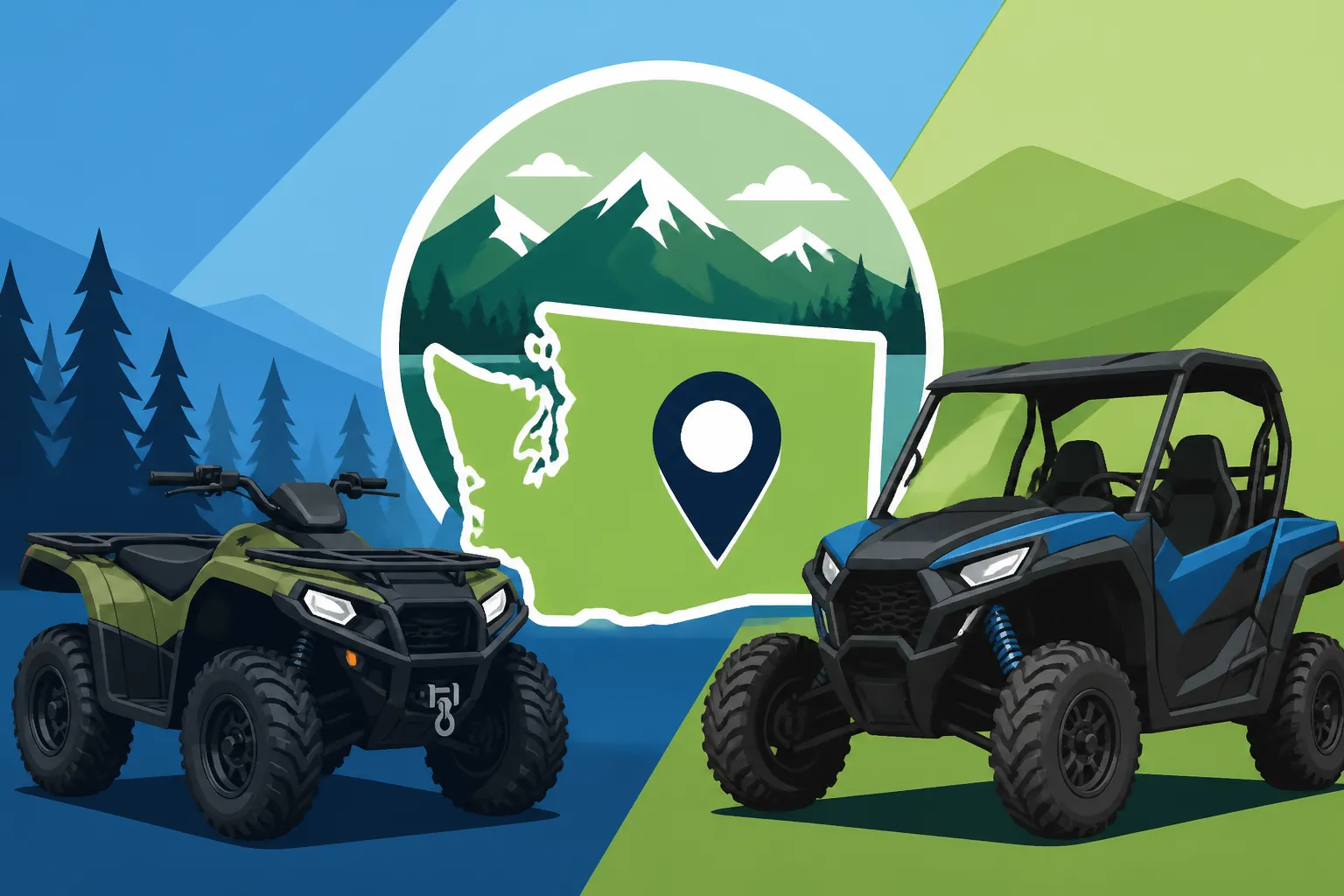
Thinking about bringing home an ATV or UTV you found across the border in Washington state? It seems like a great idea on the surface – maybe you snagged a deal, or found that perfect model that's hard to come by here in British Columbia. But trust me, the journey from Washington seller to BC trail can be a winding one, full of paperwork puzzles and border complexities that can quickly turn excitement into frustration. This guide is here to walk you through every step, helping you understand the unique challenges and how to smoothly navigate buying an off-road vehicle from a Washington seller and getting it properly registered in BC.
The Initial Hurdles: Why Buying from Washington Isn't as Simple as it Seems
When you start looking at machines south of the border, it's easy to get caught up in the thrill of the find. But before you even shake hands on a deal, you need to understand that the systems for owning and registering off-road vehicles (ORVs) are quite different between Washington and British Columbia. These differences are often the source of major headaches for unsuspecting buyers.
Understanding the Difference in Ownership Documentation
In Washington state, like many other US states, off-road vehicles often come with a "title." This is a legal document, usually issued by the Department of Licensing, that proves who legally owns the vehicle. It's similar to a car title here in BC. When you buy a vehicle in Washington, the seller typically signs over this title to you, and you then take it to get a new title issued in your name. It's a clear, defined process for transferring ownership.
Now, here in British Columbia, things are a bit different. We don't have titles for ATVs, UTVs, snowmobiles, or dirt bikes in the same way. Instead, when you register your ORV in BC, you receive a [BC's Certificate of Registration Explained]. This certificate proves your registration, not necessarily absolute legal title in the same way a Washington title does. This distinction is crucial because when you try to import a machine that has a title from Washington, our BC system has to convert that titled ownership into our registration-based system. This can become a point of confusion for both the seller in Washington, who expects to hand over a title, and for you, the buyer, who needs to provide documentation that satisfies BC's registration requirements, even though you won't get a "title" in return. It's a common misconception that BC provides a title, but really, you're getting a registration document. This is why understanding [Why BC Does Not Title an ATV] is so important from the outset.
Sales Tax and Currency Exchange
Another significant factor often overlooked when dreaming of that perfect Washington quad is the financial reality of cross-border purchases. First, let's talk about sales tax. While you might not pay sales tax to the seller in Washington if you're importing the vehicle, you will absolutely pay sales tax here in British Columbia. This is known as Provincial Sales Tax (PST) and it applies to vehicles, including ORVs, brought into the province. The amount you pay is based on the purchase price you declare, or the average wholesale value of the machine, whichever is higher. If you declare a price that seems unusually low, expect ICBC to challenge it and potentially assess PST based on a higher valuation. For a detailed look at how this works, you might want to check out [BC PST on an ATV Purchase]. It's not a small amount, so budget for it.
Then there's the ever-present reality of currency exchange. The price you see advertised in US dollars will, of course, be different once converted to Canadian dollars. The exchange rate fluctuates daily, so what looks like a great deal one day could be less so the next. Always check the current exchange rate and factor it into your budget. Don't forget potential fees your bank or credit card might charge for foreign currency transactions. It's an extra layer of cost that can really add up, so make sure you're getting a clear picture of the total Canadian dollar cost before committing.
The Customs Gauntlet: Getting Your Machine Across the Border
Once you've found your machine and agreed on a price, the next major hurdle is actually getting it into Canada and through customs. This isn't just a quick wave-through at the border; there's a specific process and critical paperwork involved. Trying to skip steps here will lead to delays, fines, or even having your new machine turned back.
Essential Paperwork for Importing
To successfully import your ATV or UTV from Washington, you'll need to gather a very specific set of documents. Think of these as your passport for the machine. The most critical document will be a clear, legally sound Bill of Sale. This isn't just a handwritten scribble; it needs to be comprehensive, clearly stating the buyer and seller's full names and addresses, the date of sale, the purchase price, and a detailed description of the ATV/UTV including its make, model, year, and most importantly, its Vehicle Identification Number (VIN). A professionally prepared bill of sale, perhaps using a template from a service like LawDepot, can save you a lot of grief here. It provides a level of legitimacy that border agents appreciate.
If the Washington machine had an original title, you'll need that as well. The seller should sign it over to you. Even though BC doesn't issue titles, the Canadian Border Services Agency (CBSA) will expect to see proof of legal ownership transfer from the US side. Additionally, you'll need proof of VIN. Sometimes this is on the bill of sale or title, but having a clear photograph of the VIN plate on the machine itself can be helpful, especially if you're dealing with a border agent unfamiliar with ORVs. Make sure the VIN on all your documents matches the physical VIN on the machine exactly. Any discrepancy can cause significant delays. For a broader understanding of the import process, check out [Importing a Machine Into Canada].
Duties, Tariffs, and Border Declarations
When you arrive at the Canadian border with your newly purchased Washington ORV, you'll need to make a full and accurate declaration to the Canadian Border Services Agency (CBSA). This means openly stating what you've purchased, how much you paid for it (in Canadian dollars), and providing all the aforementioned paperwork.
Depending on where the ATV or UTV was manufactured, you may be subject to import duties or tariffs. Vehicles manufactured in North America (USA, Canada, Mexico) often fall under trade agreements like the CUSMA (Canada-United States-Mexico Agreement), which can mean no duties. However, if your machine was manufactured outside of North America – say, in Japan or China – you might face duties, which are essentially taxes on imported goods. These duties are calculated as a percentage of the declared value of the vehicle. It's vital to declare the true purchase price, as undervaluing an item can lead to severe penalties, including fines and seizure of the vehicle. The CBSA has resources to check declared values against market rates. This is also where the BC PST will be calculated and collected. Being fully prepared for [Customs Paperwork at a BC Border Crossing] means having all your ducks in a row. Don't try to speed through this process; take your time, be honest, and have all your documents ready for inspection.
Navigating BC Registration After Import
You've successfully crossed the border, paid your duties and taxes, and your Washington ATV is now officially on BC soil. Congratulations! But the journey isn't over yet. The next critical step is getting that machine properly registered with ICBC in British Columbia. This process can be daunting, especially when dealing with paperwork from a different jurisdiction.
The Bill of Sale is Your New Best Friend (and Chain of Ownership)
I cannot stress this enough: a complete and accurate bill of sale is absolutely paramount when registering your imported ORV. Since BC doesn't use titles, the bill of sale serves as your primary proof of purchase and, more importantly, proof of the transfer of ownership from the previous owner to you. When you visit an Autoplan broker, they will need to see this document. Ensure it includes all the necessary details we discussed earlier – buyer and seller info, date, price, and a thorough description of the machine including the VIN.
What many people don't realize is that BC's registration system often requires a continuous chain of ownership. This means that the broker doesn't just want your bill of sale; they may want to see the bills of sale for every prior owner of the machine, tracing its history back to the dealership or manufacturer. This can be incredibly challenging if you've bought an older machine or one where previous owners weren't diligent with their paperwork. If your Washington seller only provided their bill of sale to you, and didn't have the previous one, you'll have a gap in the chain. This is a common issue when dealing with [BC Ownership Chains Going Back Decades]. If the Washington seller used a generic, vague receipt, it might not pass muster with a diligent BC broker. This is where a formal, clear bill of sale, perhaps drafted using a reliable online service like LawDepot, can make a huge difference. It creates a solid record of the transaction. You'll find more detailed information on this topic in [BC Bills of Sale for Every Prior Owner].
When Paperwork is Missing: The Statutory Declaration
What happens if you've done your best, but the Washington seller genuinely couldn't provide all the previous bills of sale, or perhaps the original Washington title itself is missing or damaged? This is where the BC Statutory Declaration for an ORV comes into play. A Statutory Declaration is a sworn legal statement that you sign in front of a commissioner for taking affidavits (often found at Service BC or even an Autoplan broker's office). In this declaration, you would detail how you acquired the machine, explain the missing documentation, and attest under oath that you are the rightful owner. It's a serious legal document, and making false statements can carry significant penalties.
This is often the solution for machines with a murky past or incomplete ownership history. While it adds another step to the process and usually incurs a small fee, it can be the only way to get your ORV registered if you can't provide the complete chain of ownership. Again, using a reputable template from a service like LawDepot for drafting your Statutory Declaration can ensure it contains all the legally required information. It helps establish your claim of ownership when physical documents are absent. Understanding [Declaring Ownership Under Oath] is key to navigating this. It's not ideal, but it's a viable path when you hit a roadblock with paperwork.
Working with a BC Autoplan Broker
You're almost there! With your machine on BC soil and most of your paperwork sorted, the final step is to visit a BC Autoplan broker. These are the same offices where you get your car insurance, but they also handle ORV registration. Don't just walk into any office, though; a little preparation can save you a lot of time and frustration.
Why a Broker is Essential for Registration
In British Columbia, ICBC Autoplan brokers are the designated agents for processing ORV registrations. This means you cannot register your ATV or UTV directly with ICBC's main offices; you must go through a broker. They have the training and the system access to input your information, verify your documents, collect the necessary fees and taxes, and issue your Certificate of Registration and ORV plate.
However, it's important to understand that not all Autoplan brokers deal with ORV registration regularly, and some are more experienced than others, especially when it comes to unique situations like an imported machine from Washington. While all brokers technically can process an ORV registration, some specialize in it more than others. If you walk into a tiny office that primarily handles basic car insurance, they might be less familiar with the nuances of out-of-province ORV paperwork and the need for declarations or continuous ownership chains. It can be worth calling a few larger brokerages in your area beforehand to ask about their experience with ORV registrations and imports. For more insight, [Why Some Brokers Know ORV Registration Better Than Others] might be a helpful read.
Preparing for Your Broker Visit
To make your visit to the Autoplan broker as smooth as possible, arrive prepared with absolutely everything they might ask for. Here’s a checklist of what you should typically bring:
- Your Valid Photo Identification: Driver's license or other government-issued ID.
- The Original Bill of Sale: This should be from the Washington seller to you. As mentioned, if you've got a LawDepot-generated one, it will look professional.
- Any and all prior Bills of Sale/Ownership Documents: If you managed to get a full chain of ownership, bring it all.
- The Original Washington Title (if applicable): Signed over to you.
- Your BC Statutory Declaration (if applicable): If you're missing documents, this is crucial.
- Proof of your BC Address: A utility bill or driver's license showing your current BC address.
- Method of Payment: For registration fees and PST.
It's a really good idea to call the specific Autoplan broker you plan to visit ahead of time. Explain that you're importing an ORV from Washington and ask what documents they specifically require. This pre-call can save you multiple trips if you forget something or if that particular broker has specific requirements. Being proactive will significantly reduce the time and stress involved in getting your new machine legally ready for BC trails. You can find a comprehensive list in [BC Registration Paperwork Checklist].
| Document Type | Purpose | Important Details | Needed for Customs? | Needed for BC Registration? |
|---|---|---|---|---|
| Bill of Sale | Proof of purchase and ownership transfer from Washington seller to you. | Must be detailed, include VIN, buyer/seller info, price. LawDepot useful. | Yes | Yes |
| Washington Title | Original ownership document from Washington. | Seller must sign over. | Yes | Yes (as supporting document) |
| Prior Bills of Sale | To establish a continuous chain of ownership in BC. | Back to original sale if possible. | No | Yes (if available) |
| Statutory Declaration | Sworn statement of ownership if prior documents are missing. | For use in BC if ownership chain is broken. LawDepot useful. | No | Yes (if needed) |
| Photo ID | To verify your identity. | Valid government-issued ID. | Yes | Yes |
| Proof of BC Address | To confirm your residency in British Columbia. | Utility bill, BC driver's licence. | No | Yes |
| Payment Method | For customs duties/taxes and BC registration fees/PST. | Credit card, debit, or cash. | Yes | Yes |
Bringing an ATV or UTV home from Washington can be a fantastic way to get the machine you've been looking for. But by understanding the specific hurdles of cross-border transactions, the nuances of different ownership systems, and the precise paperwork required, you can ensure a smooth process. Do your homework, gather your documents diligently, and don't hesitate to lean on resources like Autoplan brokers and online legal document providers like LawDepot for help. Happy trails!
Disclaimer
This article is for general informational purposes only and does not constitute professional advice. Laws, prices and regulations vary by location and change over time. Consult a qualified professional for guidance on your specific situation.