Selling to an Out-of-Province Buyer
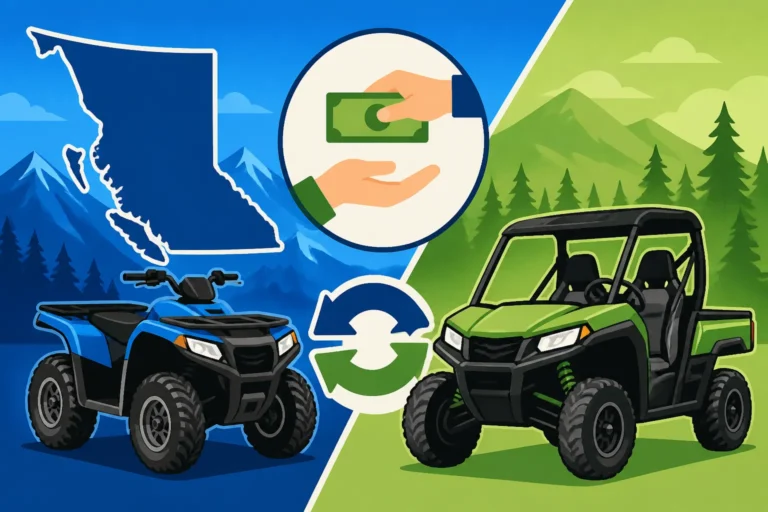
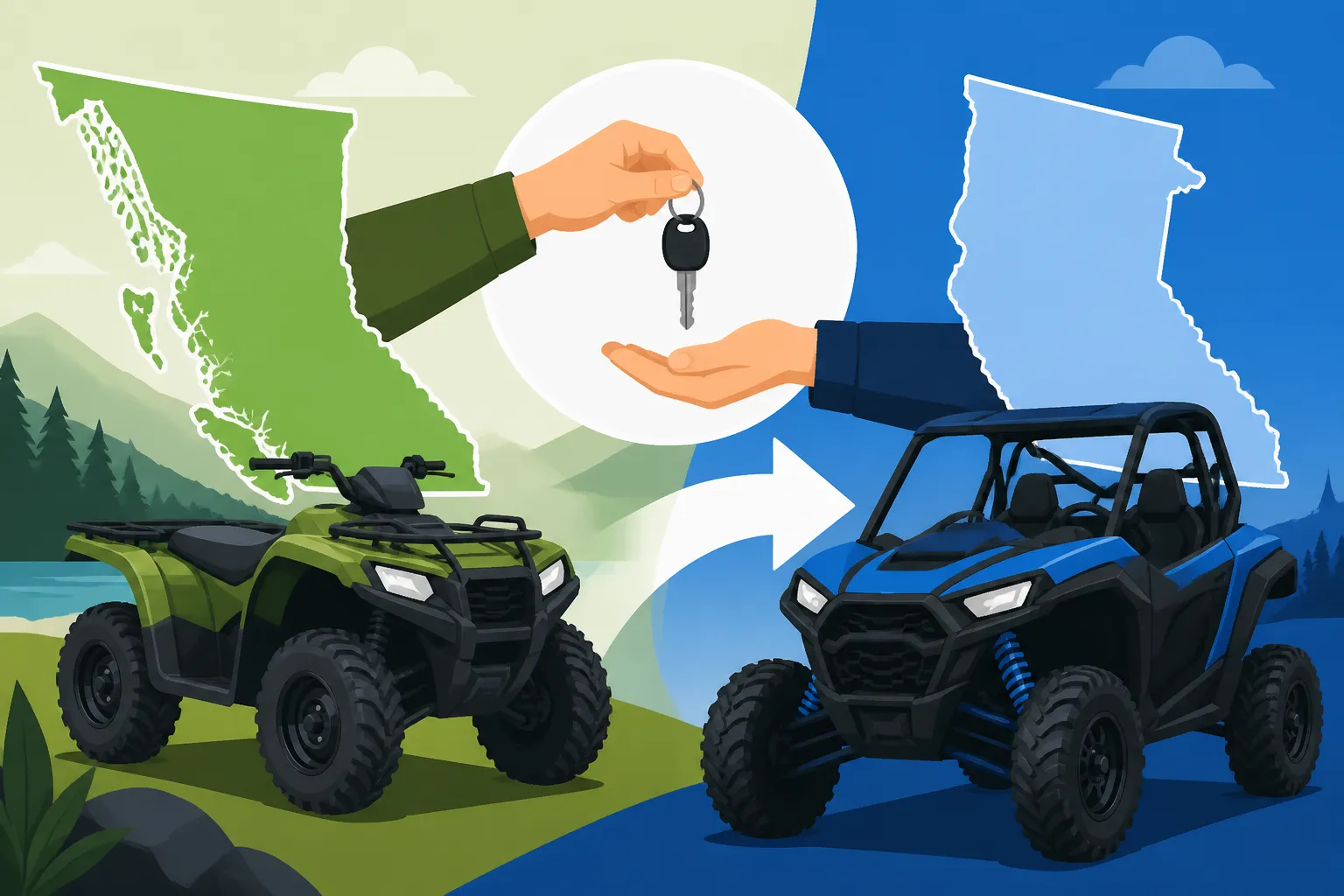
Selling your beloved ATV or UTV to someone outside of British Columbia can feel like navigating a maze blindfolded. You've got a great machine, a willing buyer from Alberta or Washington, but suddenly all the simple rules about paperwork seem to get a lot more complicated. This guide is here to untangle those knots, walking you through everything you, as the BC seller, need to know to ensure a smooth, legal, and headache-free transaction, whether your buyer is from down the road or across an international border.
The Unique Hurdles of Selling Across Borders
When you're selling an ORV within BC, the process is fairly standardized through Autoplan brokers. But as soon as you add an out-of-province buyer to the mix, things shift. It's not just about getting money for your quad; it's about ensuring the buyer can legally register and operate it in their home jurisdiction, and that means understanding a few key differences.
Understanding BC's Registration vs. Other Jurisdictions
One of the biggest points of confusion for out-of-province buyers, especially those from places like the United States or even other Canadian provinces, is BC's unique approach to ORV documentation. In British Columbia, off-road vehicles like ATVs and UTVs receive a [BC's Certificate of Registration Explained] after their initial registration. This certificate is your proof of ownership, and it's what you'll present when you sell the machine.
What BC doesn't issue is a "title" in the same way many other jurisdictions do, particularly south of the border. In many US states, a title is a separate, official document that explicitly declares ownership and acts as the primary record for transfers. This can be a significant point of difference for a buyer who expects a "title" and receives a "certificate" instead. It’s crucial to explain this to them upfront so they understand why you're providing a certificate and a robust bill of sale, rather than a separate title document. This difference is a major reason [Why BC Does Not Title an ATV]. For them, your BC Certificate of Registration will often serve as the equivalent of a prior owner's title when they go to register it in their home province or state.
The Importance of a Rock-Solid Bill of Sale
While your BC Certificate of Registration confirms your ownership, when selling to an out-of-province buyer, a detailed and legally sound Bill of Sale becomes even more critical. This isn't just a scribble on a napkin; it's the primary document the buyer will use to prove purchase, establish value for tax purposes, and register the machine in their home jurisdiction. A basic handwritten receipt, while sometimes accepted for in-province sales, often lacks the necessary detail and professionalism for a cross-border transaction.
A proper Bill of Sale should include the full legal names and addresses of both the buyer and seller, the date of sale, the purchase price, and a comprehensive description of the ATV or UTV, including its make, model, year, and crucially, the Vehicle Identification Number (VIN). You should also clearly state that the machine is being sold "as is, where is," to protect yourself from any post-sale disputes about mechanical issues. Using a professional template from a reliable source like LawDepot can ensure all the necessary legal language and fields are covered, giving both parties peace of mind. It makes the transaction look professional and leaves less room for error or misunderstanding. Remember, [BC Bills of Sale for Every Prior Owner] are important, and this one is arguably the most important for the new buyer.
Navigating Sales Tax PST and Registration in the Buyer's Home
One question that frequently comes up when selling to an out-of-province buyer is about sales tax, specifically British Columbia's Provincial Sales Tax (PST). If you, as the seller, are not a PST registrant (which most private sellers are not), you are generally not responsible for collecting PST on the sale. More importantly, if the ORV is being purchased and immediately removed from British Columbia by an out-of-province buyer, BC PST typically does not apply.
However, this doesn't mean the buyer gets off scot-free from sales tax. The buyer will almost certainly be liable for sales tax, often called a provincial sales tax (PST), retail sales tax (RST), or GST/PST combination, in their home province or state. For example, an Alberta buyer would pay GST on the declared value when they register the machine in Alberta. A buyer from Washington State would likely pay their state's sales tax. It's imperative that you communicate this to the buyer and advise them to contact their local motor vehicle or registry office before they complete the purchase to understand their specific tax obligations. This small piece of advice can save your buyer a lot of frustration and surprise down the road, making for a smoother overall experience.
Your Role as the BC Seller: Paperwork and Preparation
As the seller, your primary responsibility is to provide all the necessary documentation and information to facilitate a smooth transfer of ownership. This goes beyond just handing over the keys; it involves specific steps to properly divest yourself of the machine and ensure the buyer has everything they need to make it their own in their home province or state.
What You Need to Provide to the Buyer
To ensure your out-of-province buyer can successfully register their newly acquired ORV, you need to arm them with the right paperwork. First and foremost, you'll hand over the original [BC's Certificate of Registration Explained]. This document, issued by ICBC, is crucial. It details the machine's VIN, make, model, and the registered owner – you! Make sure it's signed off correctly in the seller's section.
Next, you need that comprehensive Bill of Sale we discussed earlier. This document serves as the legal proof of purchase and transfer of ownership. Ensure it's filled out completely, accurately, and signed by both you and the buyer. A professional template, perhaps one found on a legal document site like LawDepot, can be immensely helpful here, ensuring all pertinent details like the "as-is" clause and full contact information are included. Beyond these core documents, any maintenance records, service history, or the original owner's manual can add significant value and credibility to the sale. Finally, be prepared to show your photo identification to the buyer, especially if they're crossing an international border, as customs officials may want to verify the identity of the seller. This complete package of documentation is essential for them to begin the process of [BC Transfer of Ownership Explained] in their own region.
Cancelling Your BC Registration and Insurance
Once the sale is complete, your immediate next step is to cancel your BC ORV registration and any associated insurance. Unlike highway vehicles, ORV registration in BC doesn't renew annually. Instead, [BC ORV Registration You Pay Once] and it lasts as long as you own the machine. However, when you sell it, particularly to an out-of-province buyer, you still need to formally transfer the ownership out of your name. This is done by taking your ORV plate and a copy of the Bill of Sale to any Autoplan broker. They will process the cancellation of your registration, ensuring the machine is no longer associated with you in BC's system. There's no annual renewal sticker in BC, so you won't be dealing with that aspect of it.
Regarding the one-time $48 registration fee you originally paid, you typically won't receive a refund for it upon selling. This fee covers the initial registration for the duration of your ownership, and once ownership is transferred, the original fee is considered spent. The broker will simply update the records to reflect the change. If you had any voluntary insurance coverage for your ORV, such as third-party liability beyond the basic minimum required for Forest Service Roads, you’ll also want to cancel that policy at the same time to stop premium payments. This effectively concludes your legal responsibility for the machine in BC, as outlined in [What Happens to a $48 BC Registration When You Sell].
Facilitating the Buyer's Transport and Border Crossing
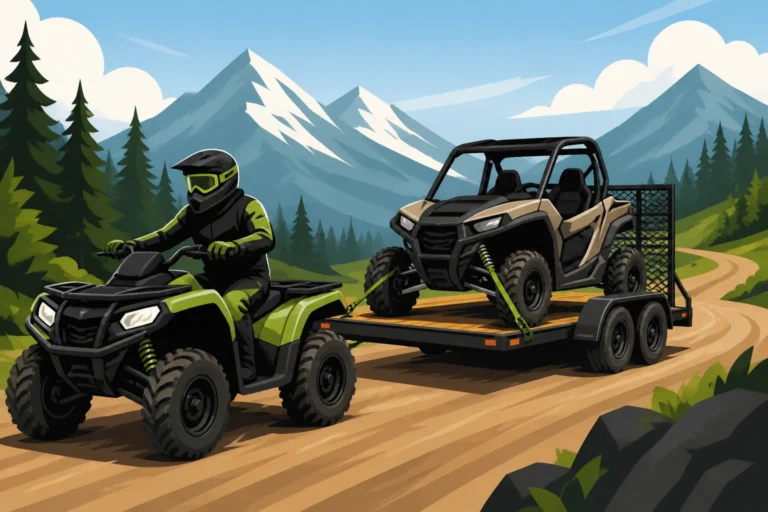
While the primary responsibility for transporting the ORV to its new home rests with the buyer, as a helpful seller, being knowledgeable can make the process smoother for everyone. If the buyer is from another Canadian province, they'll typically transport the ORV on a trailer. They might need to obtain a temporary transport permit or transit plate from their home province's motor vehicle authority if they plan to drive it (which is rare and complex for an ORV) or if their trailer lacks proper registration. This prevents issues with provincial highway patrols en route.
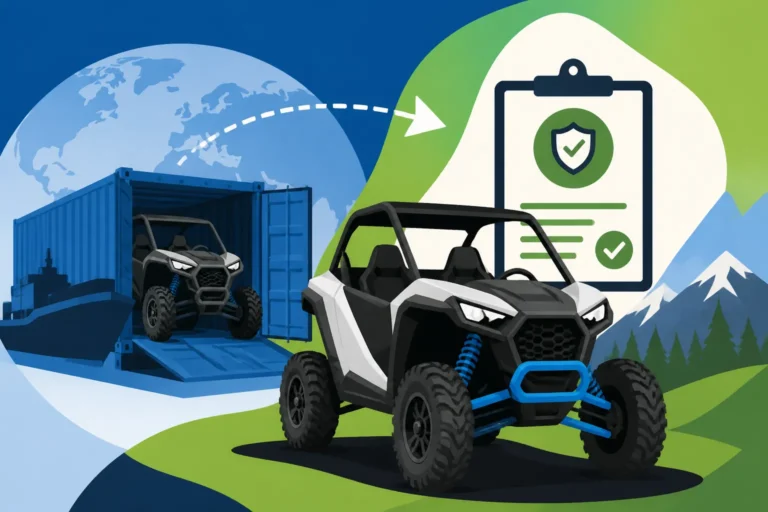
If your buyer is from the United States, the process becomes a bit more involved due to international customs regulations. For vehicles crossing the US border, the buyer generally needs to notify US Customs and Border Protection (CBP) at least 72 hours in advance of their planned export. This often involves filing specific paperwork, like an Electronic Export Information (EEI) filing for self-propelled vehicles, through the Automated Export System (AES). They will also need the original Bill of Sale and your BC Certificate of Registration. Advising the buyer to check the CBP website or consult with a customs broker is paramount, as failure to follow these procedures can result in significant delays or even refusal of entry at the border. While you're not responsible for their border crossing, a heads-up about these potential complexities can be a real game-changer for your buyer.
What to Advise Your Out-of-Province Buyer
As a seller, you're not just moving a machine; you're also providing valuable context and guidance to your buyer. Especially when they're coming from another province or country, they'll appreciate any information you can offer about what to expect on their end regarding registration, insurance, and local operating rules.
Registration in Their Home Province or State
The most important piece of advice you can give an out-of-province buyer is to encourage them to contact their local motor vehicle or registry office before they even complete the purchase. Every province and US state has its own specific requirements for registering an off-road vehicle, and these can vary significantly. For instance, Alberta buyers will follow Alberta's OHV registration process, which is quite different from BC's. A Washington State buyer will need to comply with their Department of Licensing rules, which might include specific forms for out-of-state purchases.
They will almost certainly need the original Bill of Sale and your BC Certificate of Registration. Some jurisdictions might also require proof of identity for both the buyer and the seller (which is why having your ID ready is a good idea) or even a basic safety inspection, though [BC Has No Safety Inspection for ORVs] so you won't have one to provide. Be prepared for them to ask you questions that you might not know the answer to, as [BC Registration Questions Brokers Hear] often focus on BC's specific rules, not those of other jurisdictions. By having them check with their local authority first, they can confirm what documents they'll need and what potential challenges they might face, such as how their jurisdiction handles an ORV that doesn't come with a traditional "title."
Insurance and Operation Rules
Beyond registration, your buyer needs to be aware of the insurance and operating rules specific to their home jurisdiction. Just as [BC ATV Insurance Requirements] vary depending on where you ride (e.g., private land vs. FSRs), other provinces and states will have their own mandates. For example, some jurisdictions might require a minimum level of liability insurance for all ORV operation, even on private land, while others might only require it for public trails. It's crucial for the buyer to inquire about these requirements when they contact their local registry office.
Similarly, operation rules vary widely. What's perfectly legal in BC might not be in Alberta, Idaho, or California. This includes things like helmet laws ([BC ATV Helmet Law Explained]), age restrictions for operators, passenger rules, and where ORVs are permitted to ride (e.g., Crown land, specific trails, road crossings, etc.). A quick search on their local government's website for "OHV laws" or "ATV regulations" should provide them with the basic information. While you're not expected to be an expert on other jurisdictions' laws, reminding them that these rules exist and are likely different from BC's is a valuable heads-up. Encourage them to verify all this information with their local authorities to avoid fines or legal trouble once they get their new machine home.
Common Pitfalls and How to Avoid Them
Even with the best intentions, cross-province or cross-border sales can hit snags. Knowing the common pitfalls in advance allows you to take proactive steps to avoid them, ensuring a smooth and satisfactory experience for both you and your buyer.
Incomplete Paperwork Leading to Headaches
Imagine this nightmare scenario: your buyer gets home, excited to register their new ATV, only to be told by their local motor vehicle authority that a signature is missing from the Bill of Sale, or the VIN is incorrectly transcribed from the [BC's Certificate of Registration Explained]. These seemingly small omissions can lead to immense frustration, delays, and additional costs for the buyer, and often a frantic call back to you. They might even struggle if their home jurisdiction has strict requirements for [BC Ownership Chains Going Back Decades] and they feel like a document is missing or incomplete.
To avoid this, meticulous attention to detail on all paperwork is paramount. Use a reputable, comprehensive Bill of Sale template – again, services like LawDepot offer excellent, legally sound documents that cover all the bases. Double-check every field: names, addresses, dates, purchase price, and especially the VIN. Ensure all required signatures are present and legible. It's also a smart practice to make photocopies or digital scans of all documents you provide to the buyer, including the signed Bill of Sale and the Certificate of Registration, before you hand them over. This way, if there's any dispute or a document goes missing, you have your own records to refer back to.
Payment Security When Dealing Remotely
One of the biggest anxieties when selling to someone from out of province, especially if you're not meeting face-to-face immediately, is ensuring secure payment. The last thing you want is to release your ATV only to find out the payment was fraudulent or hasn't actually cleared. Relying on personal cheques, even certified ones, can be risky due to potential for counterfeiting or holds that are longer than anticipated.
The safest options for payment when selling to an out-of-province buyer include wire transfers directly into your bank account or a bank draft issued by a legitimate financial institution. If you accept a bank draft, confirm its authenticity by calling the issuing bank directly (not using a phone number provided by the buyer, but one you independently verify). Even better, complete the transaction at your bank, where they can verify the funds immediately. Never release the machine or any original paperwork until you have confirmed that the funds are irrevocably in your account. Be wary of common scams, such as buyers who "accidentally" overpay and then ask you to refund the difference; this is a classic red flag for fraudulent payments. If the buyer is local enough to meet in person, consider meeting at a public place, or even at your bank branch, for the exchange.
The "As Is, Where Is" Clause
Protecting yourself from post-sale disputes about the condition of the ATV or UTV is critical, especially when the buyer is far away and cannot easily return the machine or pursue a claim. This is where the "as is, where is" clause on your Bill of Sale becomes your best friend. This legal language clearly states that the buyer is purchasing the machine in its current condition, with all its existing faults (if any), and that you, the seller, are making no warranties or guarantees about its future performance or condition.
This clause is standard practice for private sales of used vehicles and equipment. It shifts the responsibility for inspecting the machine and being satisfied with its condition entirely onto the buyer before the sale is finalized. Make sure this clause is prominently included and acknowledged on your Bill of Sale – ideally, the buyer should initial next to it. While it doesn't protect you from intentionally misrepresenting the machine, it provides a strong legal defense against a buyer who later claims mechanical issues cropped up or that they didn't realize a certain feature wasn't working. It sets clear expectations and legally solidifies the nature of the transaction. For all the reasons we've mentioned, a well-drafted [BC Bills of Sale for Every Prior Owner] is a foundational document.
Seller vs. Buyer Checklist for Out-of-Province ORV Sale
To make things clearer, here’s a quick overview of who handles what during an out-of-province ATV/UTV sale:
| Task | BC Seller | Out-of-Province Buyer |
|---|---|---|
| Documentation Provided | Original BC Certificate of Registration | Receive BC Certificate of Registration |
| Comprehensive Bill of Sale (signed) | Receive signed Bill of Sale | |
| Maintenance records/Owner's Manual | Receive records/manual | |
| BC Registration & Insurance | Cancel BC registration at Autoplan broker | N/A (Does not register in BC) |
| Cancel any voluntary insurance coverage | N/A | |
| Payment & Tax | Confirm cleared funds before release | Pay agreed-upon purchase price |
| Do not collect BC PST | Expect to pay sales tax in home jurisdiction | |
| Transport & Import | Advise on transport/customs for buyer | Arrange transport to home (trailer/carrier) |
| N/A | Arrange temporary permits (if needed) | |
| N/A | Handle customs/import (if international) | |
| Registration in Home Jurisdiction | N/A | Contact local registry before purchase |
| N/A | Register ORV in home province/state | |
| Operation in Home Jurisdiction | N/A | Understand local insurance/operating laws |
Selling your ATV or UTV to a buyer from outside British Columbia might seem daunting at first glance, but with a bit of preparation and clear communication, it’s a perfectly manageable process. Focus on providing accurate, comprehensive paperwork, securing your payment, and guiding your buyer on what they’ll need to do on their end. By taking these steps, you'll ensure a smooth transaction and send your beloved machine off to its new adventures with no lingering worries.
Disclaimer
This article is for general informational purposes only and does not constitute professional advice. Laws, prices and regulations vary by location and change over time. Consult a qualified professional for guidance on your specific situation.